9 hrs ago
Pakistan Raises Indus Treaty Concerns as India Rejects Hague Ruling
Pakistan and India disagree about a treaty that governs how they share river water.
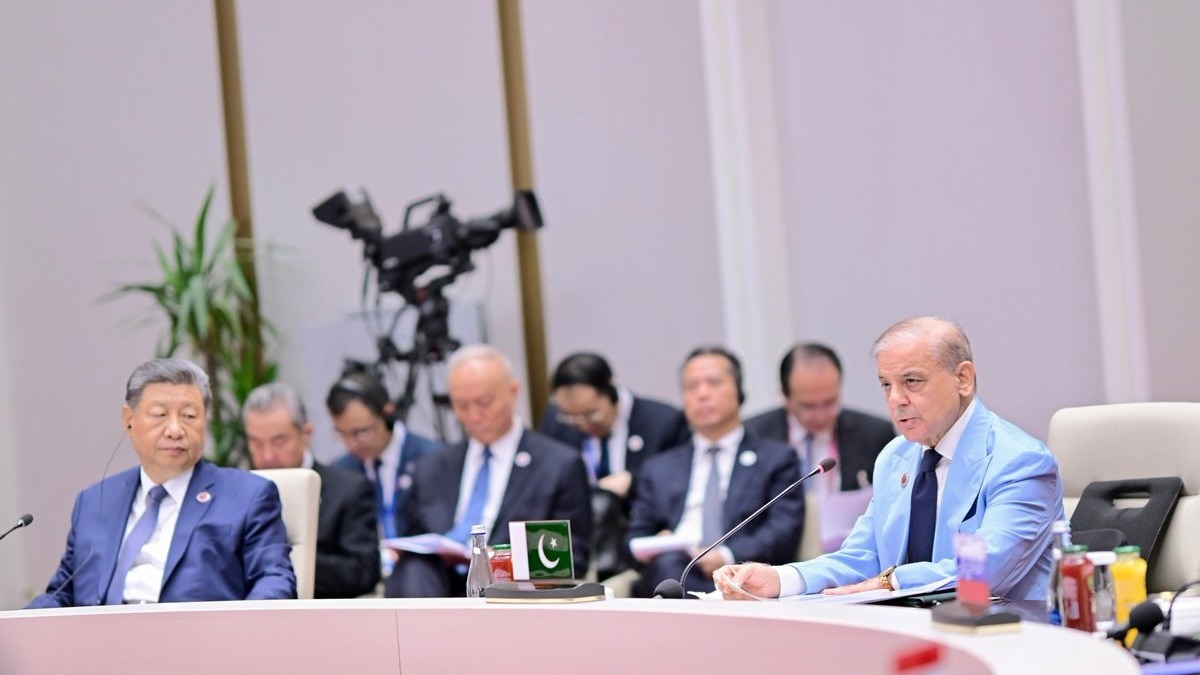
Pakistan’s Prime Minister Shehbaz Sharif said water should not be used to pressure another country.
He said international agreements must be followed.
India suspended the treaty after a terror attack in April 2025.
A Court of Arbitration in The Hague said the treaty still applies legally.
India rejected that court’s authority and said the treaty suspension remains in place.
At the same summit, India’s Prime Minister Narendra Modi focused on fighting terrorism.
He called for action against terror financing, recruitment, radicalisation and safe havens.
The two countries therefore repeated different positions on water and security.

Pakistan’s Prime Minister Shehbaz Sharif urged countries not to use shared water resources as political leverage.
Sharif said treaties governing shared waters are binding international commitments that must be honored.
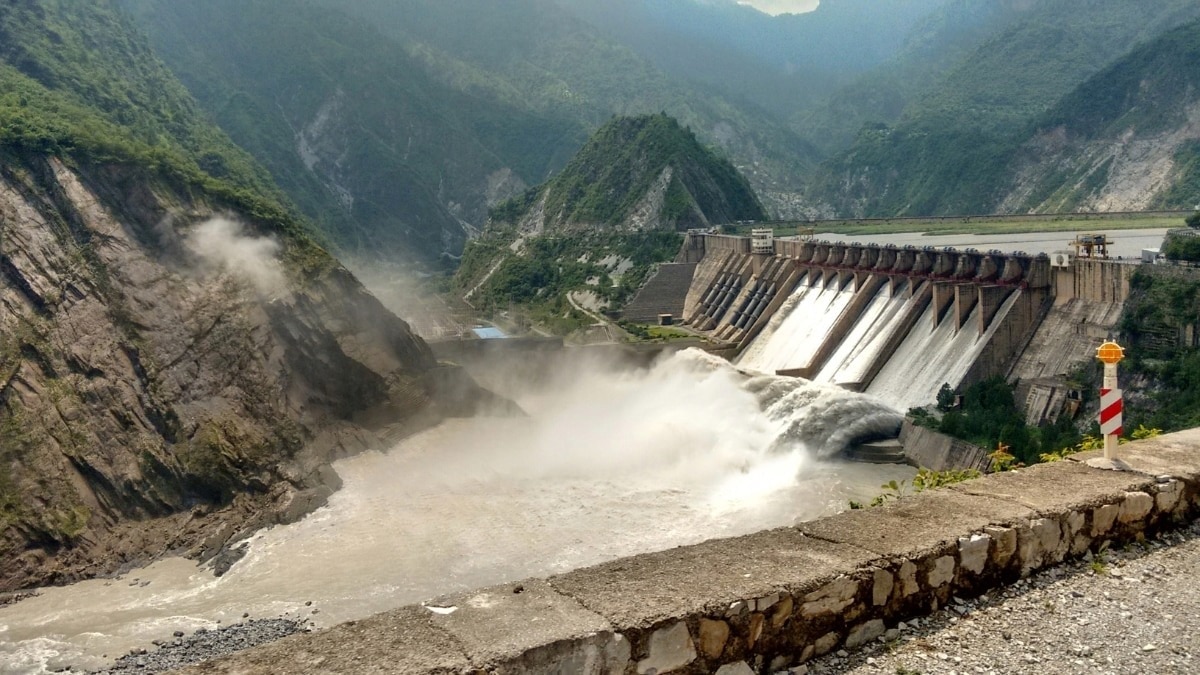
India suspended the Indus Waters Treaty after the April 2025 Pahalgam terror attack, which killed 26 people.
A Hague-based Court of Arbitration ruled that the treaty remains legally binding and can examine disputes.
India rejected the ruling, while Narendra Modi urged action against terrorism, financing, recruitment and safe havens.
- Who
- Pakistan Prime Minister Shehbaz Sharif and Indian Prime Minister Narendra Modi addressed the Shanghai Cooperation Organisation summit.
- What
- Sharif renewed Pakistan’s objections over the Indus Waters Treaty, while Modi called for a united response to terrorism.
- Where
- At the Shanghai Cooperation Organisation summit; the related Court of Arbitration is based in The Hague.
- When
- At the Shanghai Cooperation Organisation Council of Heads of State summit; the treaty was suspended after the April 2025 Pahalgam attack.
- Why
- Pakistan says shared water must not be used for coercion, while India says terrorism and its support systems require a strong international response.
Pakistan’s position
India’s position
Indus Waters Treaty
Pakistan’s position
Pakistan says the treaty is a binding international commitment that must be honored in both letter and spirit, and that water must not be used as coercion.
India’s position
India says the treaty remains in abeyance and rejects the Court of Arbitration’s authority over its decisions concerning the treaty and hydroelectric projects.
Court of Arbitration ruling
Pakistan’s position
Pakistan’s position is consistent with the ruling that the treaty remains legally binding and that the dispute-resolution mechanism can examine disputes.
India’s position
India says it neither recognised nor participated in the proceedings, describes the tribunal as illegally constituted, and rejects its jurisdiction.
Summit priorities
Pakistan’s position
Sharif linked management of shared water resources to diplomacy, regional cooperation and lasting peace in South Asia.
India’s position
Modi focused on dismantling the wider ecosystem supporting terrorism and opposed double standards toward countries that provide support or safe havens.
Key facts
- Main dispute
- Pakistan and India are at odds over the Indus Waters Treaty and the management of shared water resources.
- Pakistan’s position
- Shehbaz Sharif said water must not be used as a weapon or as political leverage.
- Treaty status
- India decided to suspend the treaty’s operation after the April 2025 Pahalgam terror attack.
- Pahalgam attack
- The attack killed 26 people, according to the article.
- Court ruling
- The Hague-based Court of Arbitration said the treaty remains legally binding and that its dispute-resolution process can continue.
- India’s response
- India rejected the ruling, said it did not recognise the tribunal’s jurisdiction, and maintained that the treaty suspension remains in force.
- Modi’s focus
- Narendra Modi called for action against terrorist financing, recruitment, radicalisation and safe havens.
Quotes

Shehbaz Sharif
Prime Minister of Pakistan addressing the SCO Council of Heads of State
“The treaties governing our shared waters are solemn binding international commitments. They are not matters of political conveniences to be cast aside at your will. They must be honoured unconditionally in both letter and spirit.”
 businesstoday.in
“We must dismantle the entire ecosystem of terrorist financing, recruitment, radicalisation, and safe havens. We must speak with one voice and make it clear that there can be no place for double standards on this serious issue.”
businesstoday.in
Sources
Related news
Sharif Urges Water Treaty Respect at SCO Summit

Shehbaz Sharif Raises Indus Waters Treaty at SCO
Sharif Declares Every Drop of Pakistan's Water a 'Red Line'
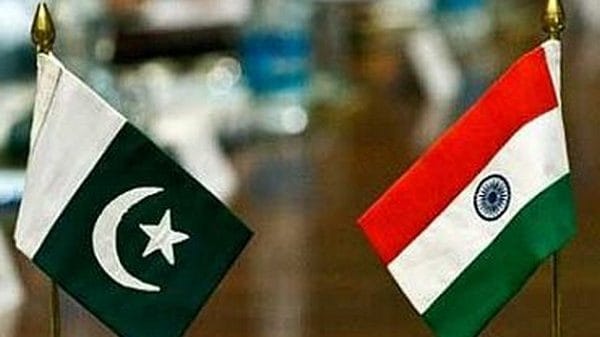
India Rejects Hague Ruling Upholding Pakistan Water Treaty
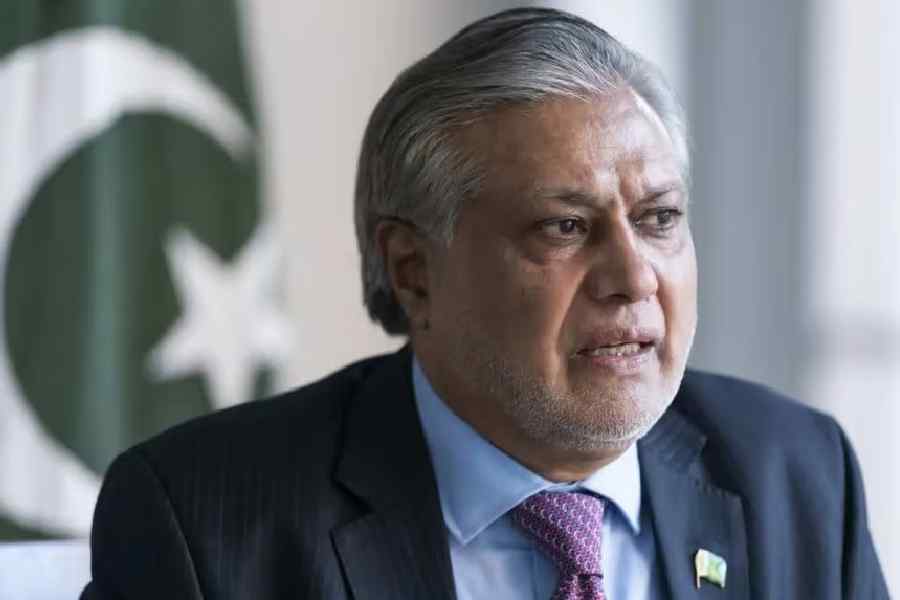
India Keeps Indus Treaty Suspended as Pakistan Warns Region
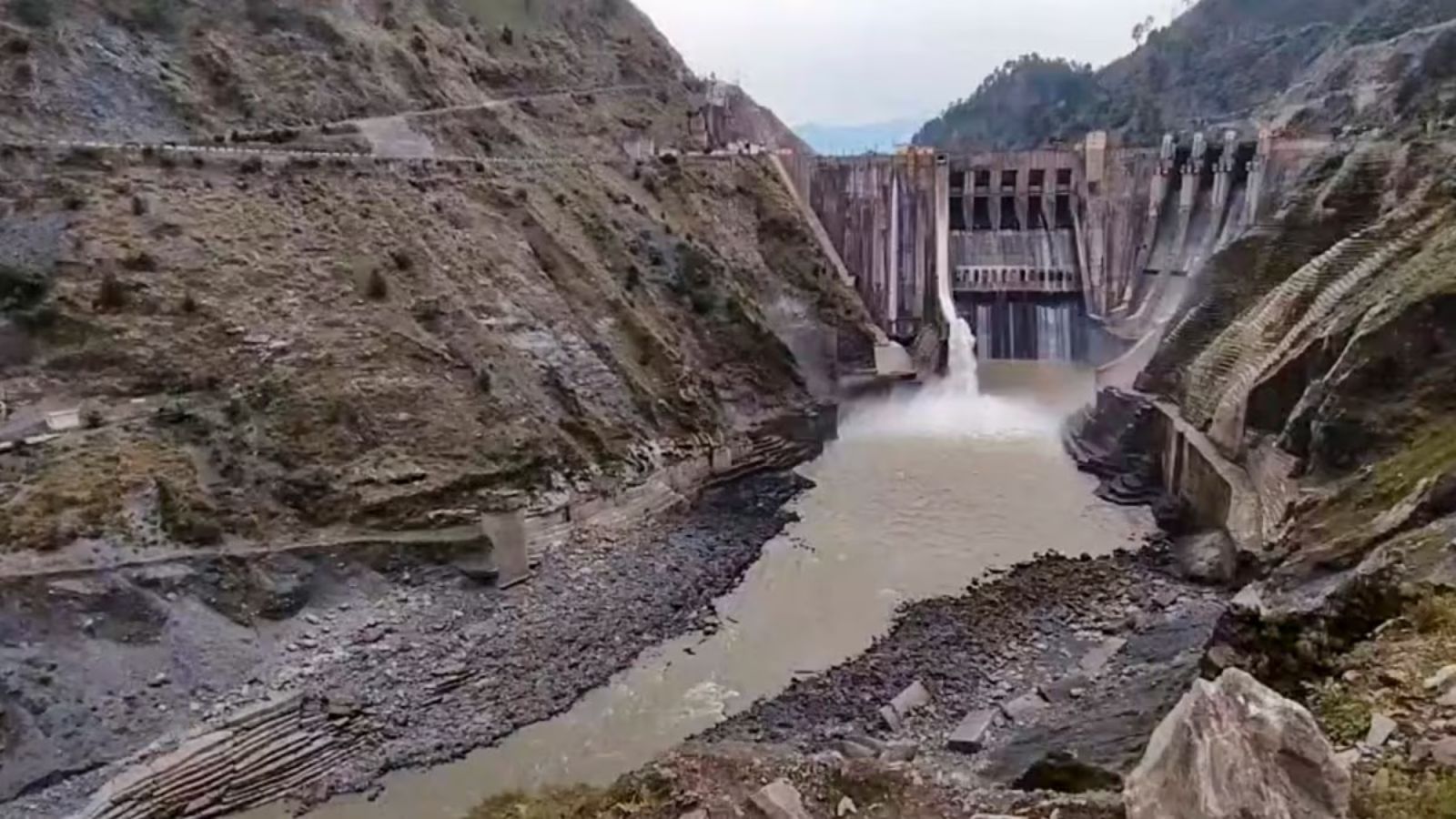
India Rejects Hague Award, Keeps Indus Waters Treaty Suspended

Mykhailo Mudryk Joins Tottenham on Season-Long Chelsea Loan

Churchill Brothers Acquire Jamshedpur FC, Set for ISL Entry

PSG beat Aston Villa 2-1 to retain UEFA Super Cup

Russian Athletics files fresh CAS appeal against World Athletics sanctions