1 week ago
What to Know About October’s Seasonal Flu Vaccine
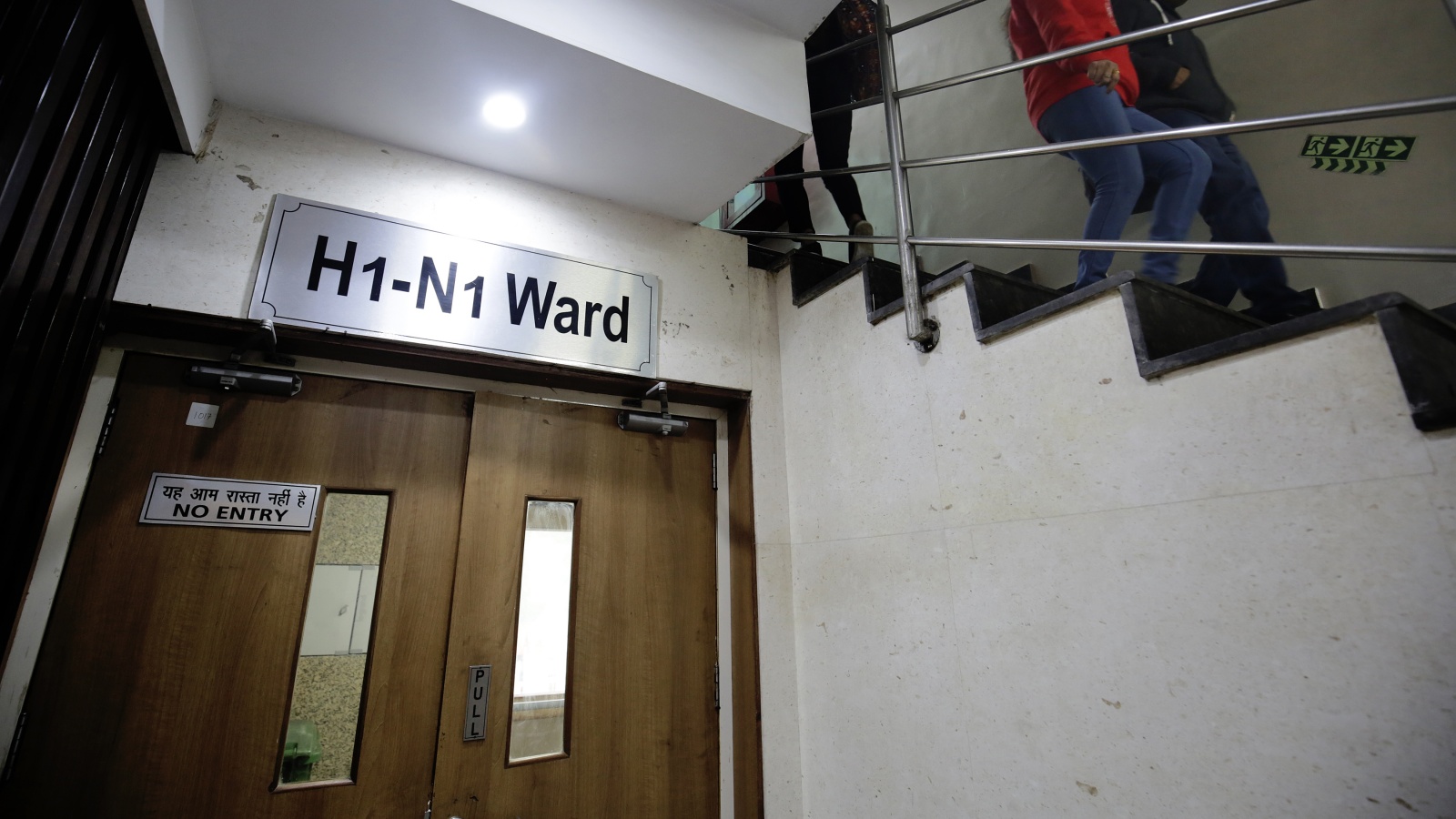
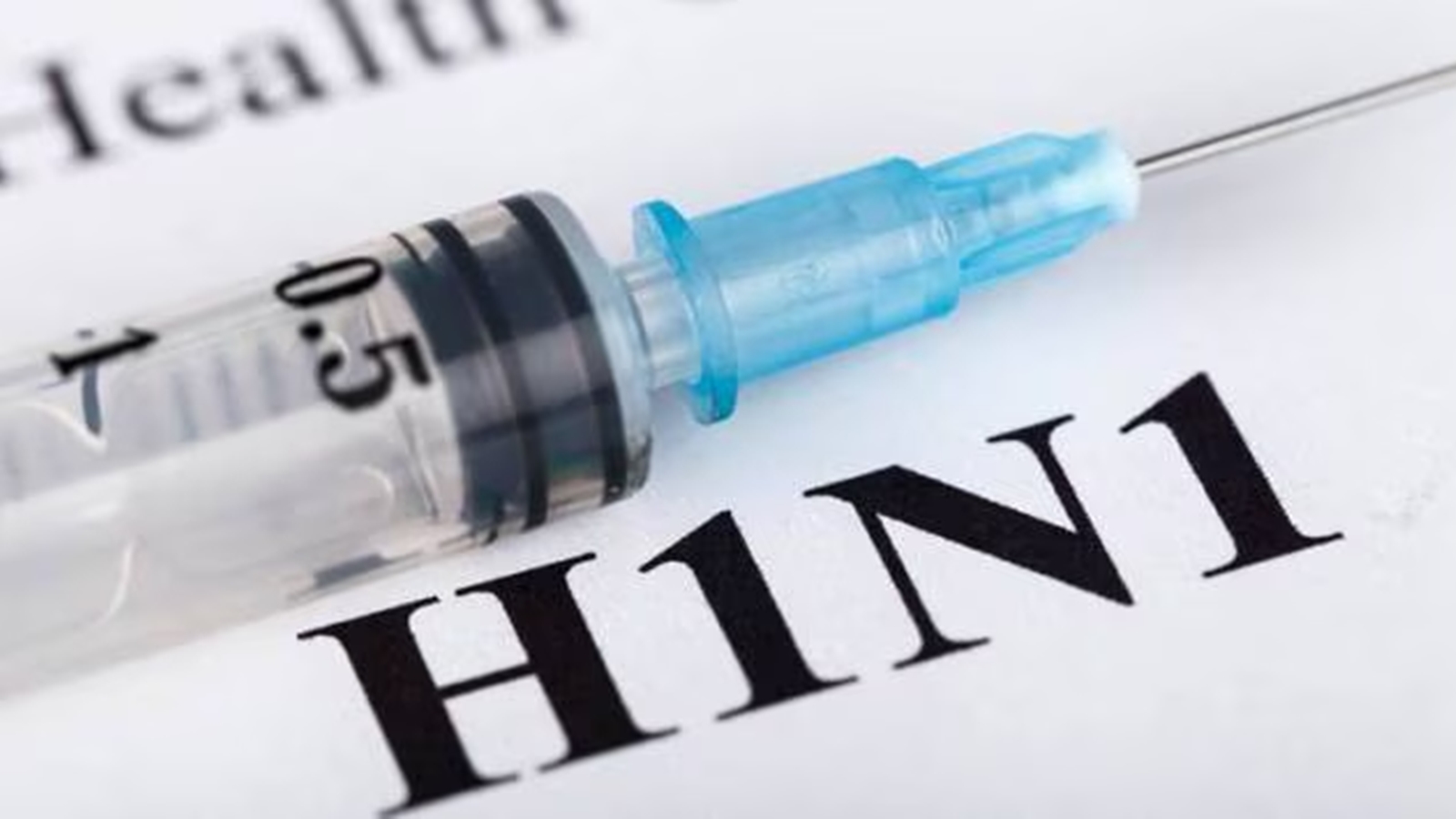
H1N1, sometimes called swine flu, is now one of the viruses that can cause seasonal flu.
Flu vaccines are made to protect against the viruses expected to spread each season.
The vaccine is changed regularly because flu viruses can change.
People usually need a flu shot every year because protection can weaken and the viruses may be different.
September or October is often a good time to get vaccinated in the Northern Hemisphere.
The body usually takes about two weeks to build protection after the shot.
You can still get the flu after vaccination, but the illness may be less serious.
Older adults, children, pregnant women, and people with certain health problems should take vaccination especially seriously.

H1N1, also called swine flu, is now included among seasonal influenza viruses.
The 2026–27 Northern Hemisphere vaccine includes an updated H1N1 component recommended by WHO.
September and October are generally suitable vaccination months in the Northern Hemisphere, but later vaccination may still help.
Flu vaccines are updated annually because influenza viruses evolve and immunity can decline over time.
Vaccination does not guarantee complete prevention, but it can reduce the risk of serious illness and complications.
- Who
- People at risk from influenza, including older adults, children, pregnant women, people with certain chronic conditions or weakened immune systems, healthcare workers, and those who interact with vulnerable individuals.
- What
- Guidance on seasonal influenza vaccination, including its updated H1N1 component, timing, effectiveness, and eligibility.
- Where
- The guidance concerns the Northern Hemisphere, with vaccination timing in India depending on local influenza activity, vaccine availability, and medical advice.
- When
- September and October are generally recommended in the Northern Hemisphere; protection develops about two weeks after vaccination.
- Why
- Influenza viruses evolve, immunity can decline, and vaccination can reduce the risk of influenza and serious complications.
Key facts
- H1N1 status
- H1N1, commonly called swine flu, is now part of the seasonal influenza viruses circulating among people.
- 2026–27 vaccine component
- WHO recommended an updated H1N1 component based on an A/Missouri/11/2025 (H1N1)pdm09-like virus.
- Typical vaccination timing
- September and October are generally good months for seasonal influenza vaccination in the Northern Hemisphere.
- Protection timeline
- The immune system generally needs about two weeks to develop a protective response after vaccination.
- Annual vaccination
- Yearly vaccination is recommended because influenza viruses change and immunity can decrease over time.
- Possible reactions
- Temporary soreness, tiredness, headache, mild fever, or muscle aches may occur after vaccination.
- Vaccination limits
- No influenza vaccine provides 100% protection against every infection, but vaccination can reduce the risk of serious disease and complications.
Quotes
Dr Rommel Tickoo
Senior Director of Internal Medicine at Max Healthcare, Delhi
“Influenza viruses naturally acquire genetic changes. Some changes have little effect. Others can make the virus sufficiently different. If that happens, protection against infection caused by the current strain may be reduced. However, vaccination can still provide protection against serious disease and complications. This is one reason annual vaccination remains important. Scientists update vaccine recommendations yearly”
 indianexpress.com
“It’s important to get vaccinated early enough for the immune system to develop protection before influenza activity increases. In India, vaccination timing should take into account local influenza activity, vaccine availability and advice from a healthcare professional. If you miss October, do not assume it is too late. Vaccination can still be worthwhile while influenza is circulating”
indianexpress.com
Sources
Related news
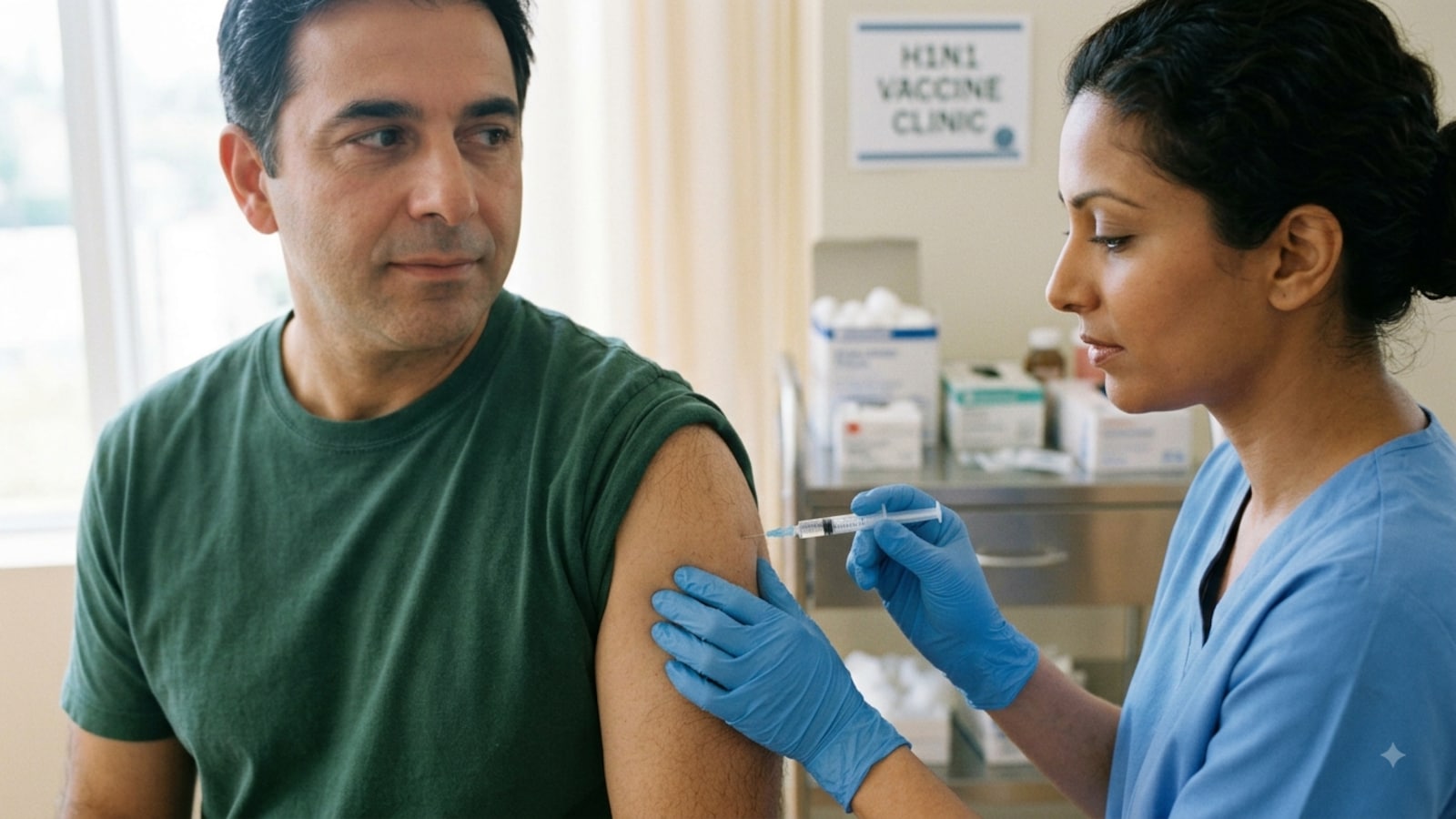
H1N1 Vaccine Critical Amid Delhi, Bengaluru Flu Spikes

ICMR Says No New H1N1 Strain as Delhi Cases Rise
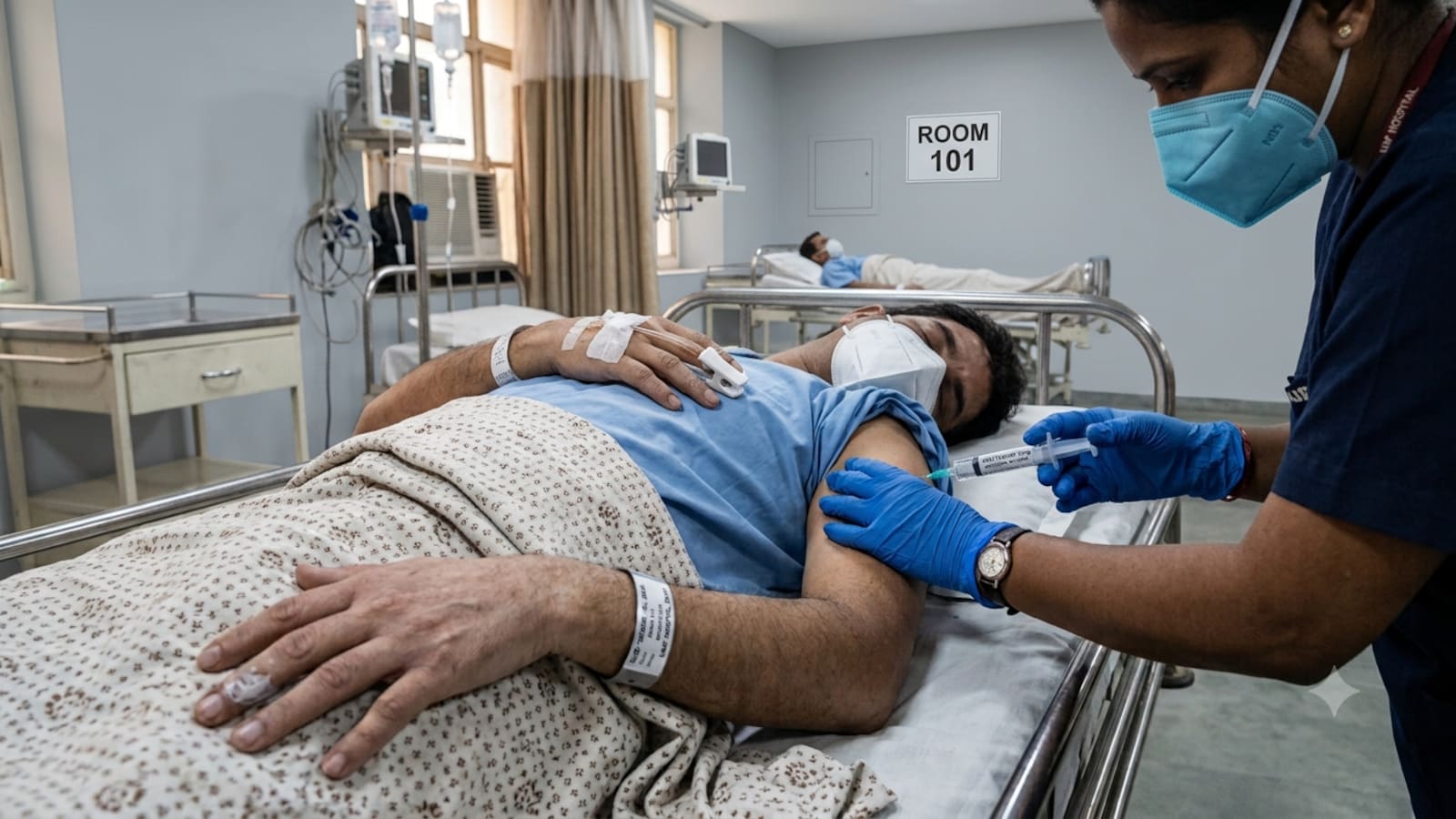
H1N1 Cases Rise as Flu Vaccine Demand Surges Nationwide

H1N1 Reinfection Is Possible Despite Previous Illness, Doctor Explains

No new H1N1 strain identified as seasonal surge continues
ICMR Says Seasonal H1N1 Flu Rise Needs No Panic

New Hangout Sitcoms Turn Friendship FOMO Into Streaming Appeal

Chinese Workers Fight Office Ageing With Parasols And Sunscreen

India Sends Fifth Aid Tranche as Nepal Flood Toll Climbs

Dyson Launches $499 CameraJet AI Toothbrush With Jet Flossing

PlatinumRx remotely helps families save on recurring medicines