1 day ago
H1N1 Reinfection Is Possible Despite Previous Illness, Doctor Explains

H1N1 is a type of flu that can spread between people.
Getting it once does not always protect you forever.
The virus can slowly change, so your body may not recognize a later version as well.
A person can also catch a different flu type after recovering from H1N1.
Other illnesses, including COVID-19, RSV and rhinoviruses, can cause similar symptoms.
Testing may be needed to find out which infection a person has.
Most healthy people do not have a more dangerous second infection.
Reinfection can be riskier for people with weak immune systems or certain health conditions.
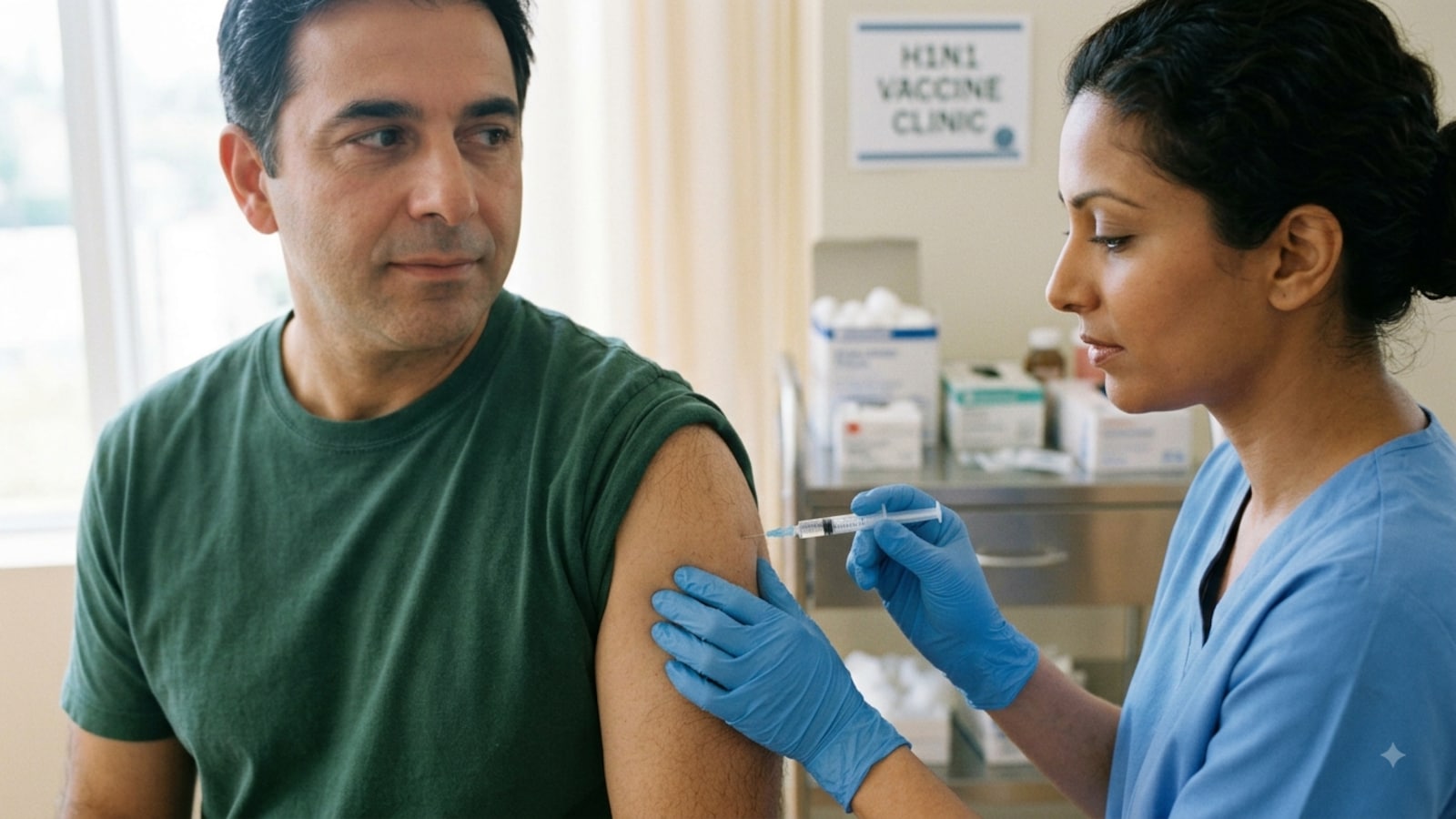
Doctors recommend yearly flu vaccination for people at higher risk of complications.

H1N1 cases are rising across India, with Delhi reporting more than 2,300 cases.
A person can contract H1N1 more than once because infection does not provide lifelong protection.
Viral changes, known as antigenic drift, can reduce protection from earlier infections.
People may also become ill in the same season after catching a different strain, such as H3N2 or influenza B.
Annual vaccination is recommended, especially for older adults, pregnant women, children and people with chronic conditions.
- Who
- People in India, with guidance from Dr Pankaj Soni, Principal Director of Internal Medicine at Max Smart Super Speciality Hospital, Saket.
- What
- H1N1 can infect a person more than once, including after a previous infection or during the same flu season with a different influenza strain.
- Where
- Across several parts of India, particularly Delhi, Bengaluru and Mumbai.
- When
- During the current rise in H1N1 cases; the articles do not specify a date.
- Why
- Influenza viruses change over time, immunity can decline, and protection against one strain may not protect fully against other strains.
Key facts
- Delhi cases
- More than 2,300 H1N1 cases have been reported, nearly eight times the number recorded during the same period last year.
- Repeat infection
- H1N1 can occur more than once because previous infection does not guarantee lifelong protection.
- Antigenic drift
- Small changes in viral surface proteins, including hemagglutinin and neuraminidase, can reduce protection from earlier antibodies.
- Same-season illness
- A person recovering from H1N1 may later catch H3N2, influenza B or another influenza virus.
- Similar illnesses
- COVID-19, RSV and rhinoviruses can produce symptoms similar to H1N1.
- Prevention
- Annual influenza vaccination is described as the best preventive strategy, particularly for people at higher risk.
- Higher-risk groups
- Older adults, pregnant women, young children and people with chronic conditions or weakened immune systems may face greater risks.
Quotes
Dr Pankaj Soni
Principal Director of Internal Medicine at Max Smart Super Speciality Hospital, Saket
“Yes, you can get H1N1 more than once. Having influenza A (H1N1) infection does not guarantee lifelong protection. The immune response generated after infection is strongest against the virus or closely related strains that caused the illness, but influenza viruses continually undergo genetic changes.”
 NDTV
NDTV
“One important reason for repeat infection is antigenic drift-small changes in the virus's surface proteins, particularly hemagglutinin (HA) and neuraminidase (NA). These changes can make a later strain different enough that antibodies from a previous infection do not provide complete protection.”
NDTV
Sources
Related news

What to Know About October’s Seasonal Flu Vaccine

ICMR Says No New H1N1 Strain as Delhi Cases Rise

No new H1N1 strain identified as seasonal surge continues

Delhi Reports 1,777 H1N1 Cases as Authorities Urge Precautions
H1N1 Vaccine Critical Amid Delhi, Bengaluru Flu Spikes

Experts Say Rising H1N1 Cases Are Seasonal, Not New

Edelweiss Large & Mid Cap Fund Bets on Next Cycle

Expert Recommends Five Stocks as Market Risks Weigh

India’s Top Midcap Funds Take Divergent Portfolio Positions

Indian Stocks Face Weak Opening as Key Company Triggers Emerge