2 weeks ago
H1N1 Vaccine Critical Amid Delhi, Bengaluru Flu Spikes
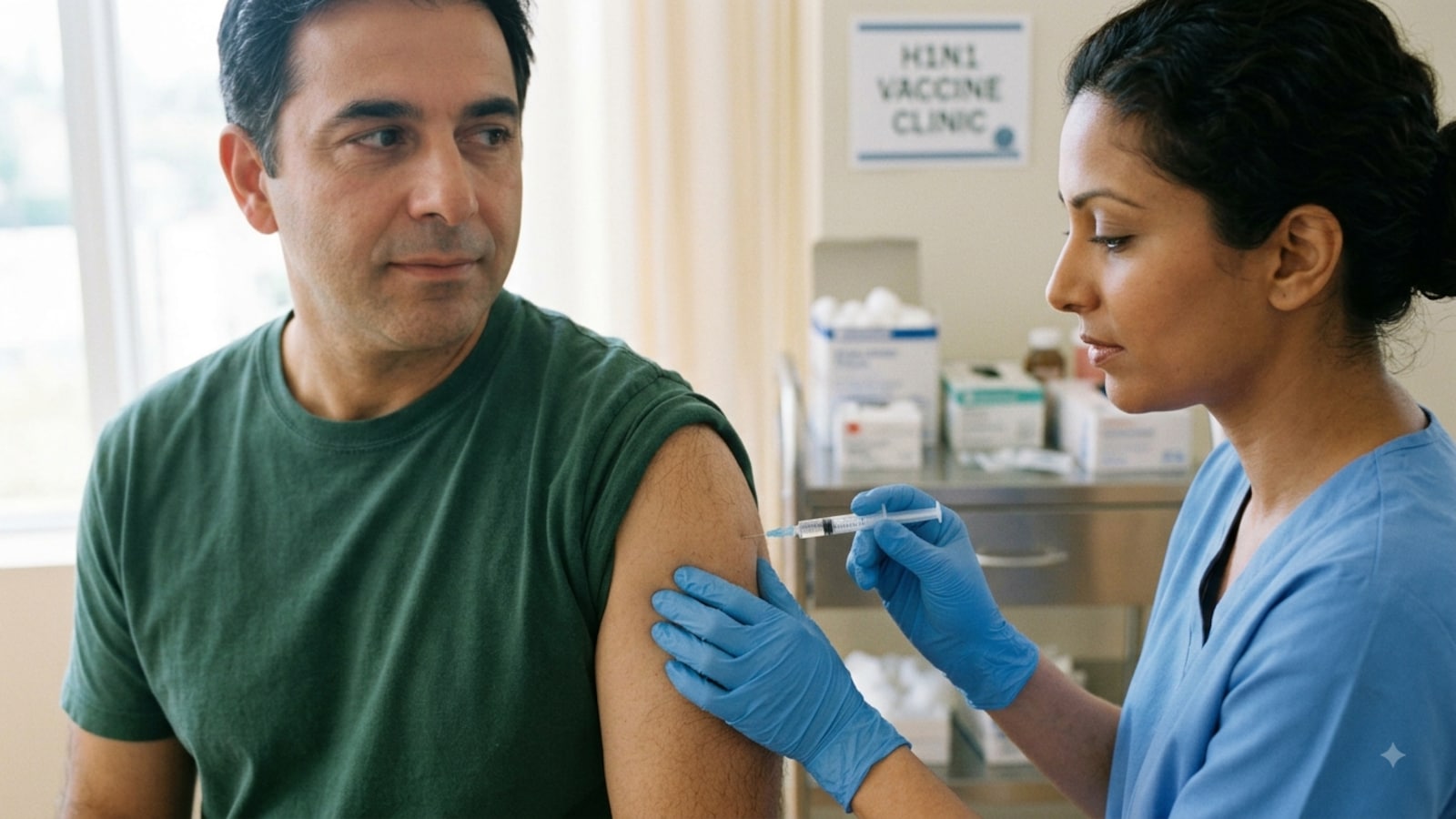
Some people in the Indian cities of Delhi and Bengaluru are getting sick with a type of flu called H1N1, also known as swine flu.
A flu is an illness that can make you cough, have a fever, and feel very tired.
Most people get better with rest, but some people can get very sick.
These people include young children, older grown-ups, pregnant women, and people who already have health problems.
Doctors say there is a special way to help protect against this flu: a shot called the flu vaccine.
The flu vaccine now includes protection against H1N1.
You cannot get the flu from the vaccine because it contains parts of the virus that are not active.
Doctors suggest getting the vaccine every year, before the flu season starts.
It is best to get it at least two weeks before many people get sick.
Even if you get the shot a little late, it can still help keep you healthier.

Delhi recorded 1,344 H1N1 cases by early August, up from 229 in the same period last year.
Bengaluru doctors report a rise in seasonal influenza, including H1N1 and H3N2, during the monsoon.
A separate H1N1 shot is no longer available; protection now comes through the seasonal influenza vaccine.
High-risk groups include pregnant women, children aged 6 months to 5 years, adults 65 and older, and people with chronic conditions.
Experts advise getting vaccinated at least two weeks before cases rise, though vaccination during the season can still help.
- Who
- Residents of Delhi and Bengaluru, especially high-risk groups such as pregnant women, children aged 6 months to 5 years, adults 65 and older, and people with chronic conditions; doctors such as Dr R S Mishra of Max Smart Hospital are advising them.
- What
- A sharp rise in H1N1 (swine flu) and other seasonal influenza cases, along with guidance to get the seasonal flu vaccine, which now includes H1N1 protection.
- Where
- Delhi and Bengaluru, India, with the rise also noted in the Delhi-NCR region.
- When
- Delhi's latest case count was recorded by early August, while Bengaluru saw rising infections during the monsoon; vaccination is recommended before the expected rise in cases.
- Why
- H1N1 and seasonal influenza cases are increasing, and the illness can become severe in vulnerable groups; annual vaccination reduces the risk of illness and serious complications.
Key facts
- H1N1 cases in Delhi (by early August)
- 1,344
- H1N1 cases in Delhi, same period last year
- 229
- Influenza strains circulating
- H1N1 and H3N2
- Vaccine type
- Seasonal influenza vaccine (includes H1N1)
- Vaccination timing
- At least two weeks before expected rise; still useful during the season
- High-risk groups
- Pregnant women, children 6 months-5 years, adults 65+, chronic illness, weakened immunity, healthcare workers
- Vaccine safety
- Injectable vaccines contain inactivated virus and cannot cause influenza
- Vaccination frequency
- Annual
Quotes
Dr R S Mishra
Principal Director & Head, Internal Medicine and Co-Chair of Academics, Max Smart Hospital, Saket
“The H1N1 vaccine is no longer available as a separate vaccine. It is included in the seasonal influenza vaccine.”
 NDTV
NDTV
Sources
Related news
H1N1 Cases Rise as Flu Vaccine Demand Surges Nationwide

ICMR Says No New H1N1 Strain as Delhi Cases Rise
Delhi reports six-fold rise in H1N1 flu cases, experts warn
ICMR Says Seasonal H1N1 Flu Rise Needs No Panic

Delhi Reports 1,777 H1N1 Cases as Authorities Urge Precautions

H1N1 Cases Rise in North India; Experts Urge Caution

Syrma SGS, Elemaster Launch High-Reliability Electronics Facility in Bengaluru

Shivakumar Says Sita’s Sacrifice Inspires Women Entrepreneurs and Leadership

16th Aero India Show Set for Bengaluru in February
Corporate Daycares Offer Working Parents Convenience Amid Safety Concerns

Bengaluru Police Expose Fake Officer Profiles Used in Furniture Fraud