1 week ago
ICMR Says No New H1N1 Strain as Delhi Cases Rise

Doctors say India has not found a new type of H1N1, also called swine flu.
The virus currently spreading has been around since 2025.
Delhi has reported many influenza cases this year, including more than 1,777 H1N1 cases.
Most people recover with rest and proper care.
However, young children, older adults and people with other illnesses may become more seriously sick.
Flu vaccines can reduce the chance of severe illness, but they do not cure an infection that has already begun.
Some vaccines are nasal sprays, while others are injections.
People should ask a doctor which vaccine is suitable for them.
Wearing a mask, washing hands and keeping rooms ventilated can also help prevent spread.

ICMR said no new Influenza A H1N1 strain has been identified in India.
Delhi recorded more than 2,300 Influenza-A cases this year, including over 1,777 H1N1 cases by Friday.
The circulating viruses resemble the A/Missouri/11/2025 H1N1 pdm09-like strain and have circulated since 2025.
Scientists said H1N1 is mostly self-limiting but can be more dangerous for children, older people and those with underlying conditions.
ICMR said circulating strains match Northern Hemisphere vaccine strains, while health experts advised masks, handwashing, ventilation and medical consultation when needed.
- Who
- The Indian Council of Medical Research, Delhi health authorities and health experts issued information about H1N1 and vaccination.
- What
- ICMR reported that no new H1N1 strain has been identified in India and provided guidance on symptoms, prevention and vaccines.
- Where
- Delhi and India.
- When
- The clarification was issued on Sunday; Delhi’s case figures were reported through Friday, with 114 H1N1 cases recorded on Thursday alone.
- Why
- Delhi has experienced a rise in H1N1 cases, prompting reassurance and advice on protection, vaccination and when to seek medical care.
Key facts
- Delhi cases
- More than 2,300 Influenza-A cases were recorded this year, including over 1,777 H1N1 cases by Friday.
- Daily reported cases
- Delhi reported 114 H1N1 cases on Thursday.
- Circulating strain
- The viruses resemble the A/Missouri/11/2025 H1N1 pdm09-like strain.
- Virus classification
- The viruses belong to clade 6B.1A.5a2a and subclade D.3.1.1.
- Vaccine match
- ICMR said current circulating strains match vaccine strains recommended for the Northern Hemisphere.
- Vaccine protection timing
- Antibodies generally take about two weeks to develop after vaccination.
- Available vaccine types
- The article describes NASOVAC-S4, a live attenuated quadrivalent nasal vaccine, and VaxiFlu S, an inactivated trivalent injection.
Quotes
Loveneesh G. Krishna
Director General of Health Services
“H1N1 is a seasonal influenza that spreads very easily from one person to another. Therefore, we need to take some preventive measures, which include wearing a mask to cover your nose and mouth, washing your hands frequently with soap and water, keeping indoors well-ventilated, and taking vaccines to decrease the severity”
 livemint.com
“The influenza A [H1N1] pdm09 viruses currently circulating in India are similar to the A/Missouri/11/2025 (H1N1) pdm09-like virus strain. These viruses belong to clade 6B.1A.5a2a and subclade D.3.1.1 and have been in circulation since 2025”
livemint.com
Sources
Related news
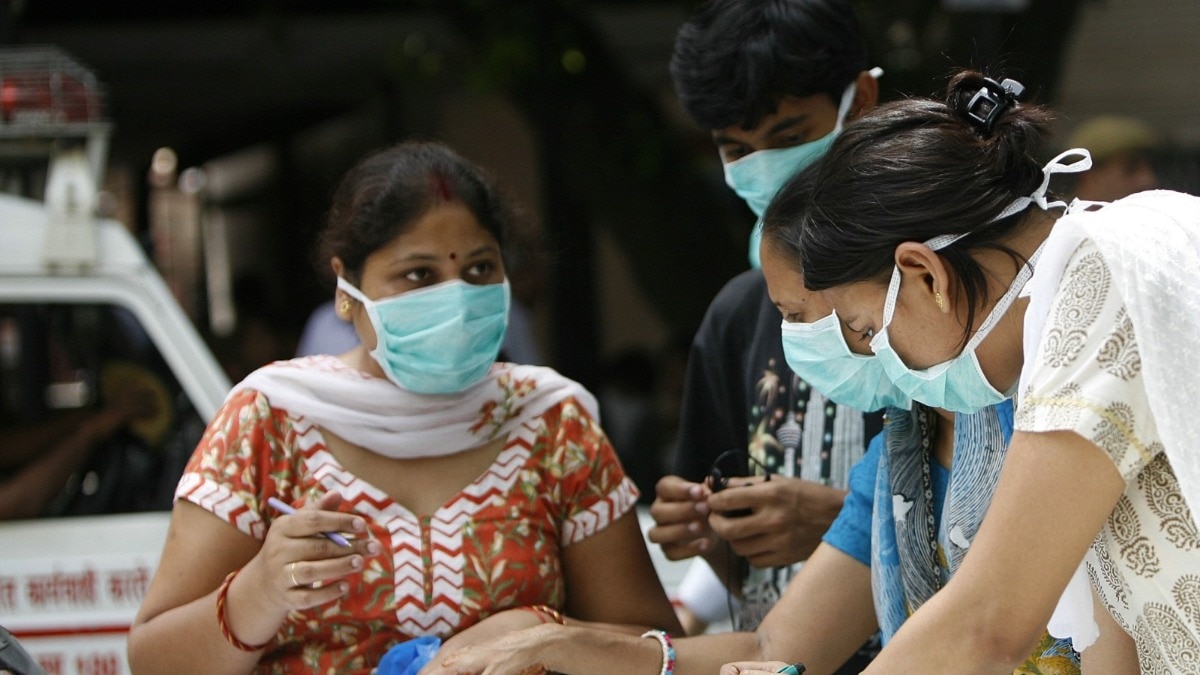
ICMR Says No New H1N1 Strain, Cautions High-Risk Groups

Delhi H1N1 Cases Rise; ICMR Says No New Strain
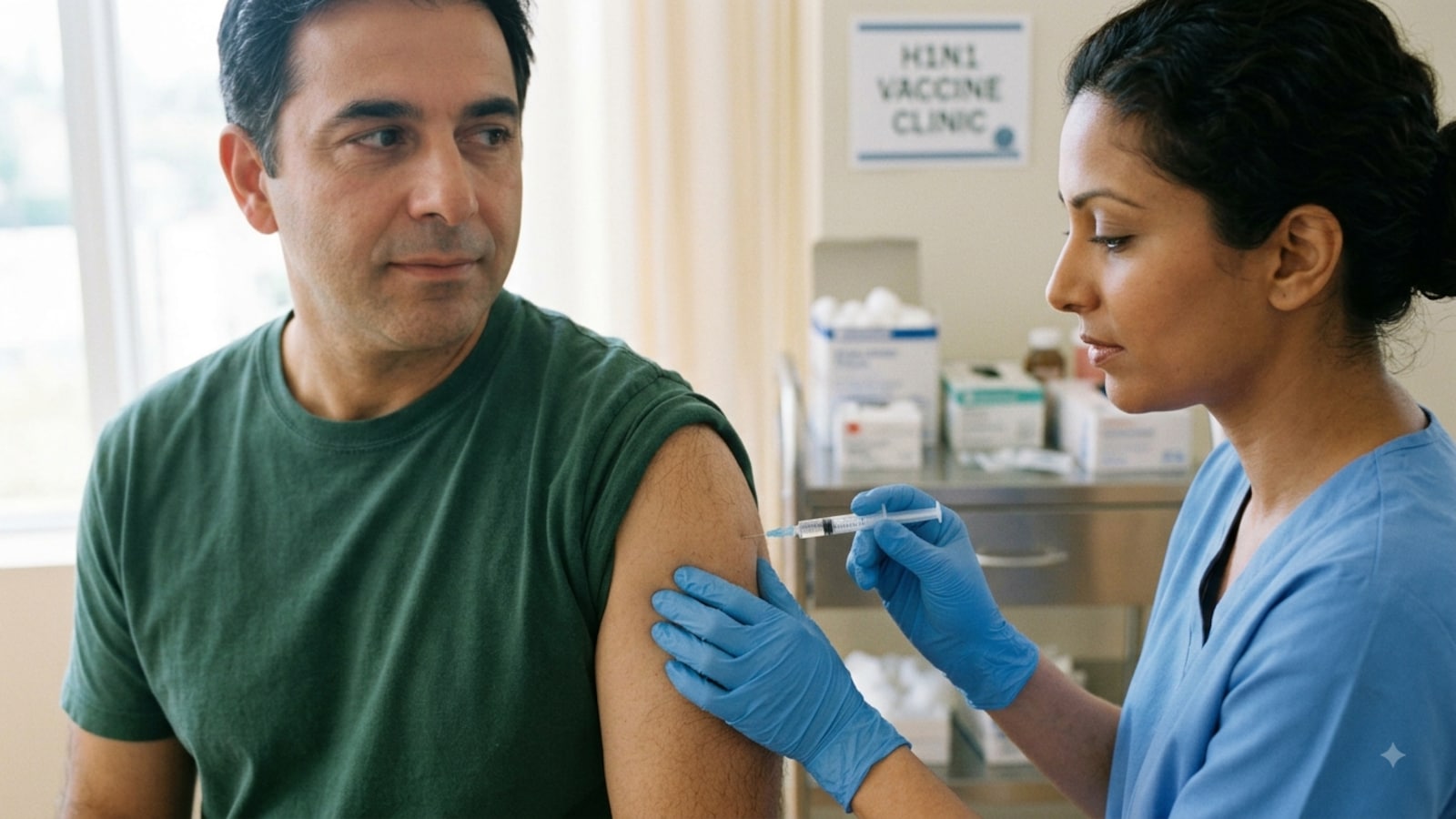
H1N1 Vaccine Critical Amid Delhi, Bengaluru Flu Spikes

ICMR Says Seasonal H1N1 Surge Needs No Masks

Delhi Reports 1,777 H1N1 Cases as Authorities Urge Precautions

H1N1 Cases Rise as Flu Vaccine Demand Surges Nationwide

Edelweiss Large & Mid Cap Fund Bets on Next Cycle

H1N1 Reinfection Is Possible Despite Previous Illness, Doctor Explains

Expert Recommends Five Stocks as Market Risks Weigh

India’s Top Midcap Funds Take Divergent Portfolio Positions

Indian Stocks Face Weak Opening as Key Company Triggers Emerge