

7 hrs ago
Dyson’s $499 CameraJet Uses AI to Brush and Floss
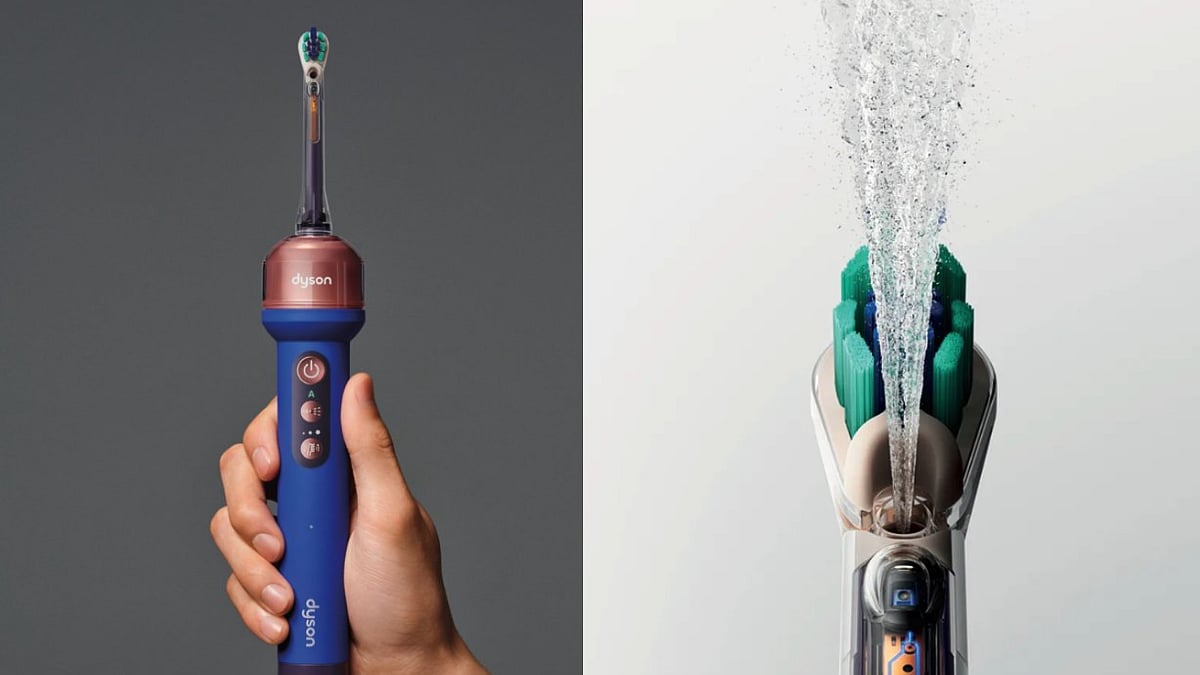
Dyson made a toothbrush called the CameraJet that costs $499.
It has a tiny camera that looks between your teeth while you brush.
Artificial intelligence tries to find places where food or plaque may be hiding.
When it finds a gap, the toothbrush sprays mouthrinse into it.
This is meant to make brushing and flossing happen together.
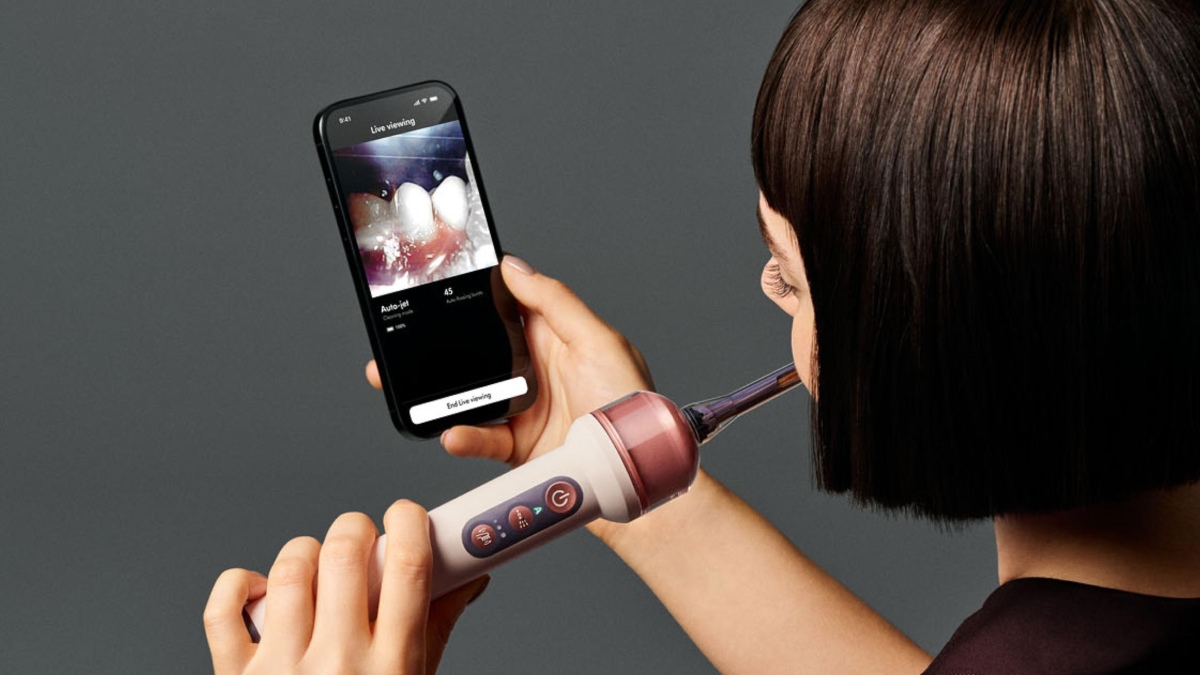
The toothbrush can send a live view and cleaning map to a phone app.
Dyson says its testing showed better cleaning in difficult areas, but the test was not an independent clinical trial.
Some people think the toothbrush is a clever invention, while others think it is far too expensive.
The device may also cost more to use because it requires special toothpaste, mouthwash and replacement heads.

Dyson launched the $499 CameraJet, an electric toothbrush with a built-in camera, AI and liquid-flossing jets.
Its Gap Optical Targeting system scans teeth at 28 frames per second and sprays mouthrinse into detected gaps within 100 milliseconds.
The device uses a 100,000-pixel camera, a 470,000-image dental dataset and approximately 16 million lines of code.
Dyson claims up to 69 percent more plaque removal in hard-to-reach areas, based on company testing using synthetic plaque rather than an independent clinical trial.
The CameraJet connects to the MyDyson app, while its $499 price and specialized consumables have prompted both mockery and support online.
- Who
- Dyson, led by Sir James Dyson, launched the CameraJet toothbrush; online users including Taimur Abdaal, VanMan and ThePrimeagen reacted to it.
- What
- A $499 electric toothbrush combines brushing, camera-based AI gap detection and targeted mouthrinse jets.
- Where
- The launch location is not specified; the device can stream information to the MyDyson app.
- When
- The product followed six years of research and development; the articles do not give a specific launch date.
- Why
- Dyson designed it to combine brushing, flossing and rinsing by targeting interdental gaps where plaque can form.
Supporters and Claimed Benefits
Critics and Concerns
Usefulness
Supporters and Claimed Benefits
Automated mouthrinse jets could help people who regularly skip manual flossing, while Dyson says the device targets gaps where plaque forms.
Critics and Concerns
Critics view the CameraJet as an unnecessarily complex gadget for a task conventional toothbrushes and floss already address.
Performance evidence
Supporters and Claimed Benefits
Dyson reports up to 69 percent greater plaque removal in hard-to-reach areas and spent years developing a synthetic plaque testing model with the National University of Singapore’s Faculty of Dentistry.
Critics and Concerns
The result came from Dyson’s own laboratory testing with synthetic plaque and was not confirmed by an independent clinical trial.
Price and privacy
Supporters and Claimed Benefits
Supporters argue Dyson’s product record makes the unusual concept worth considering, and Dyson says camera images are not recorded or stored on the device or in the cloud.
Critics and Concerns
The $499 price, recurring costs for specialized consumables and the idea of live-streaming views from inside the mouth have drawn online jokes and privacy concerns.
Key facts
- Price
- $499, approximately Rs 47,300 according to one article.
- Camera
- A 100,000-pixel macro lens captures 28 images per second.
- AI system
- Gap Optical Targeting was trained on nearly 470,000 dental images.
- Jet response
- The device can direct mouthrinse at a detected gap within 100 milliseconds.
- Plaque claim
- Dyson reports up to 69 percent more plaque removal in hard-to-reach areas, based on its own synthetic-plaque testing.
- App features
- The MyDyson app provides a live camera feed, cleaning guidance and a map of brushed areas.
- Included items
- The box includes a refill dock, two regular brush heads and a charging cable.
Sources
Related news

Leaked Video Shows Apple's Camera-Equipped AirPods With Visual Intelligence
Dyson and Philips Hair Care Gifts for Rakshabandhan
Leaked Video Offers First Look at Apple’s Camera AirPods

AI Tracker: Robots, Viral Films, Digital Voices and Archaeology

OpenAI's doughnut-shaped AI smart speaker could launch in 2027

Wisconsin Brewery Faces License Revocation Over Trump‑Death Post

Minocqua Brewing Company Offers Free Beer on Trump's Death

Wisconsin Badgers Fans Call for Coaching Change After Loss

IHCL and Madison to Launch 10 New Ginger Hotels
