4 days ago
H1N1 Cases Rise as Flu Vaccine Demand Surges Nationwide
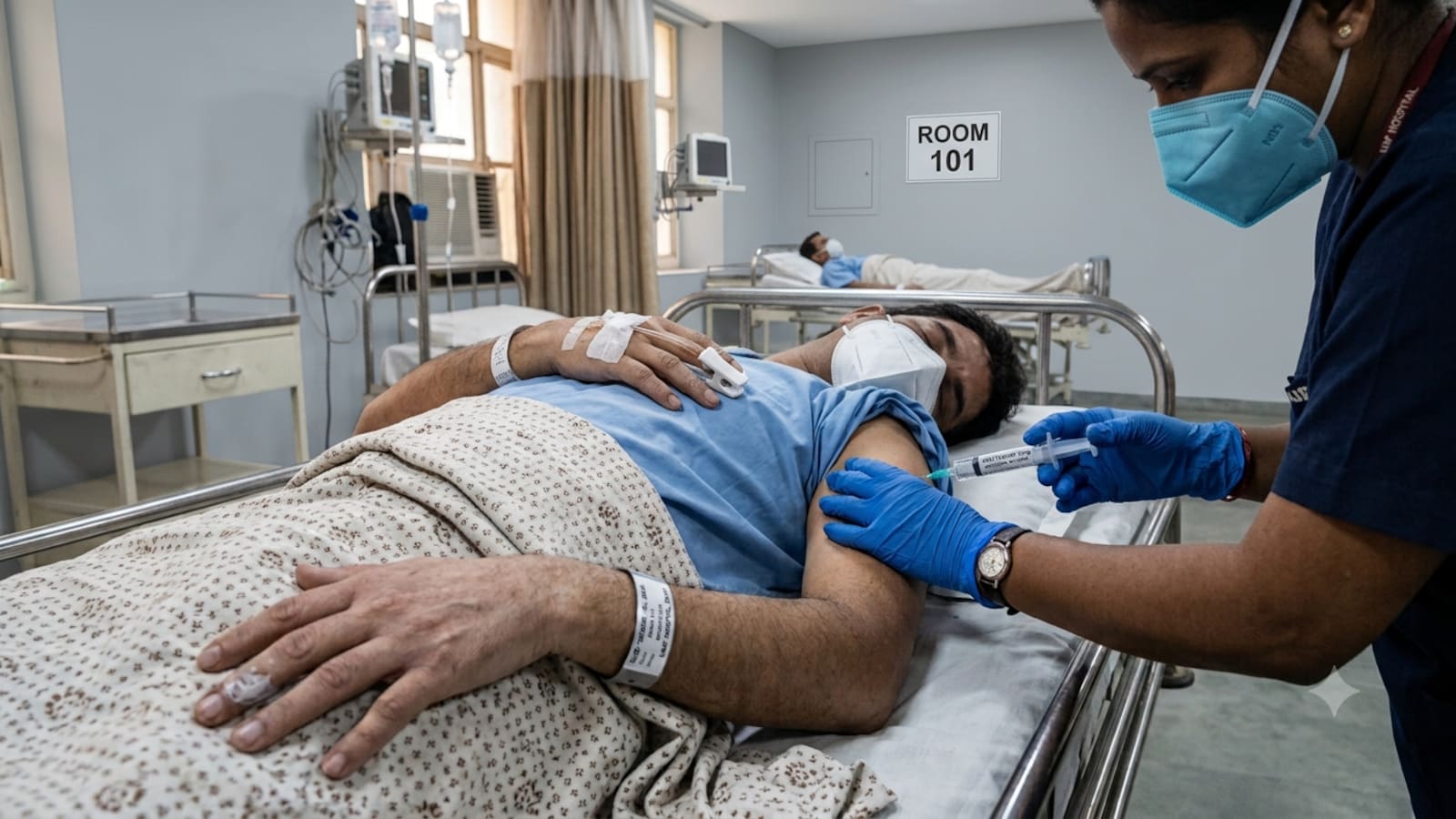
H1N1 is one type of flu virus that still spreads during regular flu seasons.
Flu infections are increasing, so more people are asking for vaccines.
The vaccine is especially important for people who could become very sick, such as older adults, young children and pregnant women.
It is also recommended for people with conditions like asthma, diabetes or heart disease.
The shot does not guarantee that someone will avoid the flu.
However, it can lower the chance of serious illness or needing hospital care.
Protection usually takes about two weeks to develop.
Even after cases begin rising, getting vaccinated may still provide useful protection.

Flu vaccine sales have reportedly nearly tripled from the same period last year and more than doubled since July.
Vaccination is especially recommended for older adults, young children, pregnant women, healthcare workers and people with certain medical conditions.
H1N1 remains part of seasonal influenza, and current vaccines include the A(H1N1)pdm09 strain.
Vaccination does not guarantee infection prevention but can reduce the risk of severe illness and hospitalisation.
Although protection takes about two weeks to develop, vaccination may still be useful after flu activity has begun.
- Who
- People at higher risk from influenza complications, including older adults, young children, pregnant women, healthcare professionals and people with certain health conditions, are the main groups discussed.
- What
- H1N1 and other influenza infections are increasing, while demand for flu vaccines and related services is rising.
- Where
- Across the country, with vaccine and testing demand reported by health platforms.
- When
- The increase is being reported during the 2025-2026 influenza season; protection generally develops about two weeks after vaccination.
- Why
- Influenza can cause pneumonia, hospitalisation or respiratory failure, particularly among people vulnerable to severe complications.
Key facts
- H1N1 status
- H1N1 continues to circulate as part of seasonal influenza rather than only as the virus associated with the 2009 pandemic.
- Vaccine demand
- Reported flu vaccine sales have reached nearly three times the level of the same period last year and more than doubled from July.
- H1N1 hospitalisation effectiveness
- Data from eight Southern Hemisphere countries during the 2025 influenza season indicated approximately 42% effectiveness against H1N1-related hospitalisation.
- Seasonal hospitalisation data
- Preliminary 2025-2026 data indicated reductions in influenza-related hospitalisation of about 30% among adults and 41% among children and adolescents.
- Protection timing
- The immune system generally needs around two weeks to develop protection after vaccination.
- Pregnancy benefit
- Maternal vaccination protects the mother and passes antibodies to the fetus; studies cited in the article found about one-third fewer influenza cases among infants under six months.
Quotes
Dr Sourabh Pahuja
Senior Consultant in Pulmonology at Amrita Hospital, Faridabad
“The vaccination does not guarantee that you will not get the flu. Its more important role is to reduce the risk that an infection can turn into a medical emergency.”
 NDTV
NDTV
“With H1N1 cases on the rise, the same question my clinic gets asked is, 'Should I get vaccinated now?' It depends more on who is asking than the number of cases.”
NDTV
Sources
Related news
H1N1 Vaccine Critical Amid Delhi, Bengaluru Flu Spikes

ICMR Says No New H1N1 Strain as Delhi Cases Rise
Delhi reports six-fold rise in H1N1 flu cases, experts warn
H1N1 cases in Delhi jump sixfold; doctors urge caution
Delhi records nearly six-fold rise in H1N1 cases in 2026

H1N1 Cases Rise in North India; Experts Urge Caution

National Nutrition Week Promotes A Truly Balanced Plate
H1N1 Recovery: Seven Mistakes To Avoid After Fever

Seven Ways Gym-Goers Can Prevent H1N1 During Flu Season

Amitabh Bachchan Gives Up Rice, But Should Older Adults?