

0 months ago
Record heat in Austria, Hungary curbs power as Europe swelters

Europe has been having a very, very hot summer.
In Austria, the temperature reached a new record high.
People in Hungary were asked to use less electricity so the power system would not break.
Power plants usually use river water to stay cool, but the rivers are very low because of the dry weather.
Hungary had to mostly shut down its nuclear power plant because the Danube River was too low.
Very hot weather also started big wildfires in Albania and Greece.
Firefighters worked hard to stop the fires from reaching homes, and some families had to leave with their animals and pets.
The dry weather is also hurting farms, and Britain's cereal harvest is expected to be its worst in many years.
The heatwave is affecting many countries at the same time, from Britain in the west to Hungary in the east.
People everywhere are trying to stay safe and cool while the very hot weather lasts.

Austria recorded its highest-ever temperature of 41.2°C (106.2°F) in Bad Deutsch-Altenburg, a day after Vienna set a record of 41.0°C.
Hungary cut power use after a government appeal as Budapest neared 40°C, with its sole nuclear plant largely shut down due to low Danube River water levels.
Slovenia's Krsko nuclear plant said it would reduce reactor output to 80% of capacity because of high temperatures and low flows on the Sava River.
Wildfires forced about 15 families to evacuate in Albania's Mallakaster region, while a blaze northwest of Athens burned thousands of hectares of farmland in Greece.
Germany's Rhine River hit new lows, halting some cargo services, and Britain's cereal harvest is on track to be the worst since records began in 1984.
- Who
- Residents, companies, farmers, and firefighters across central and southern Europe, including people in Hungary, Albania, Greece, and Britain, as well as Pope Leo, whose weekly audience was moved indoors.
- What
- A severe summer heatwave brought record temperatures, power-supply strain, wildfires, and major crop damage across Europe.
- Where
- Across central and southern Europe, including Austria, Hungary, Italy, Albania, Greece, Slovenia, Germany, and Britain.
- When
- On and around Wednesday, August 5, during the summer heatwave.
- Why
- Exceptionally hot and dry conditions and drought pushed temperatures to records, lowered river levels, fueled wildfires, and damaged agriculture.
Key facts
- Austria's record temperature
- 41.2°C (106.2°F) in Bad Deutsch-Altenburg, beating Vienna's 41.0°C set a day earlier
- Hungary's energy response
- Companies and households cut power use; sole nuclear plant largely shut down due to low Danube levels
- Slovenia nuclear output
- Krsko plant reducing generation to 80% of capacity
- Italy heat alert
- Red heat alert for major cities; temperatures around 40°C
- Albania wildfires
- About 15 families evacuated in Mallakaster; second fire south of Gjirokaster
- Greece wildfire
- Thousands of hectares burned northwest of Athens; largely contained on Wednesday
- Germany Rhine levels
- New lows; some cargo services stopped, others running with greatly reduced loads
- Britain cereal harvest
- On track to be the worst since comparable records began in 1984
Quotes
A government source in Hungary
Hungarian government official
“Across the border in Hungary, companies and households cut power consumption this week after a government appeal to ease pressure on the grid amid the severe drought.”
 theprint.in
A tourist from Mexico, Diego Amaya
Visitor to Rome
“I suppose it’s better to hold it indoors because of the heat.”
theprint.in
Sources
Related news
Albania battles blazes, Hungary curbs power as Europe feels heat
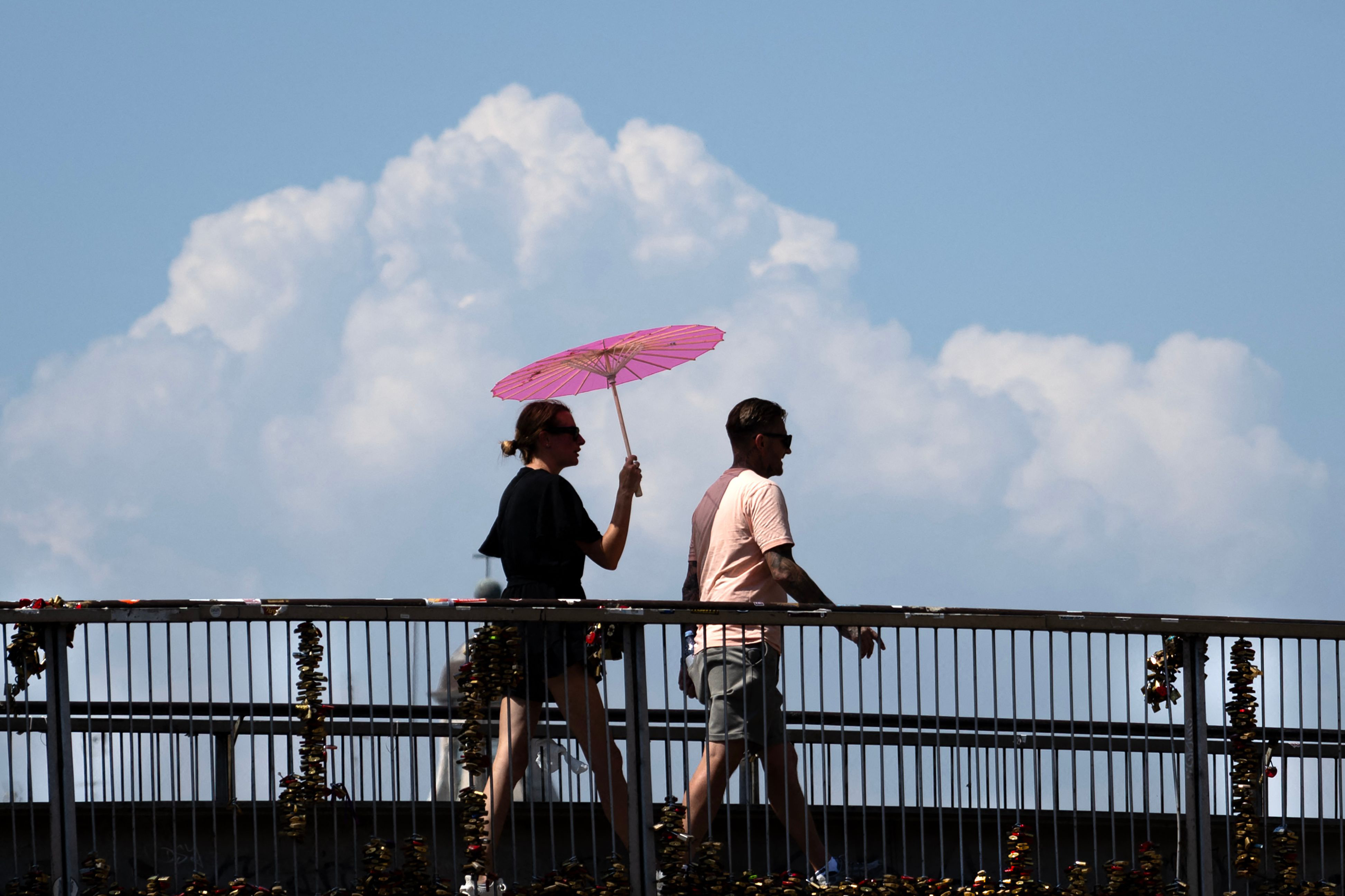
European Heat Wave: Austrian Temperature Record, Italian Red Alerts
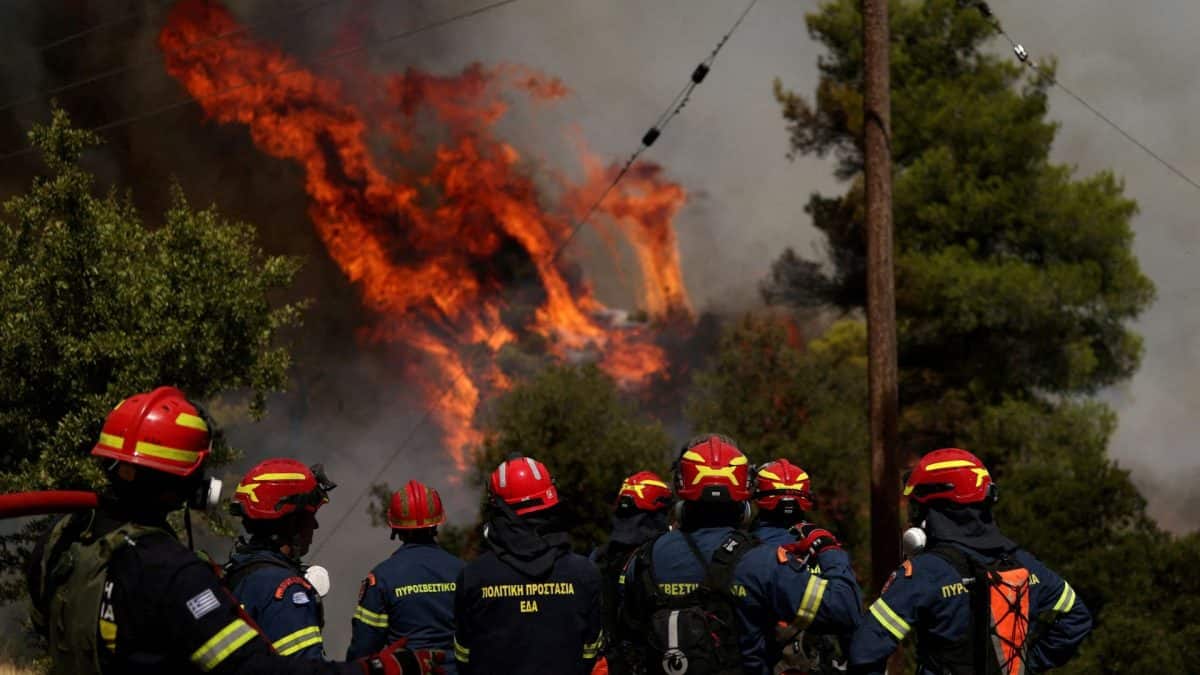
Europe battles wildfires as record heat and drought fuel blazes
Austria Reports Record Heat-Related Deaths During Extreme Summer
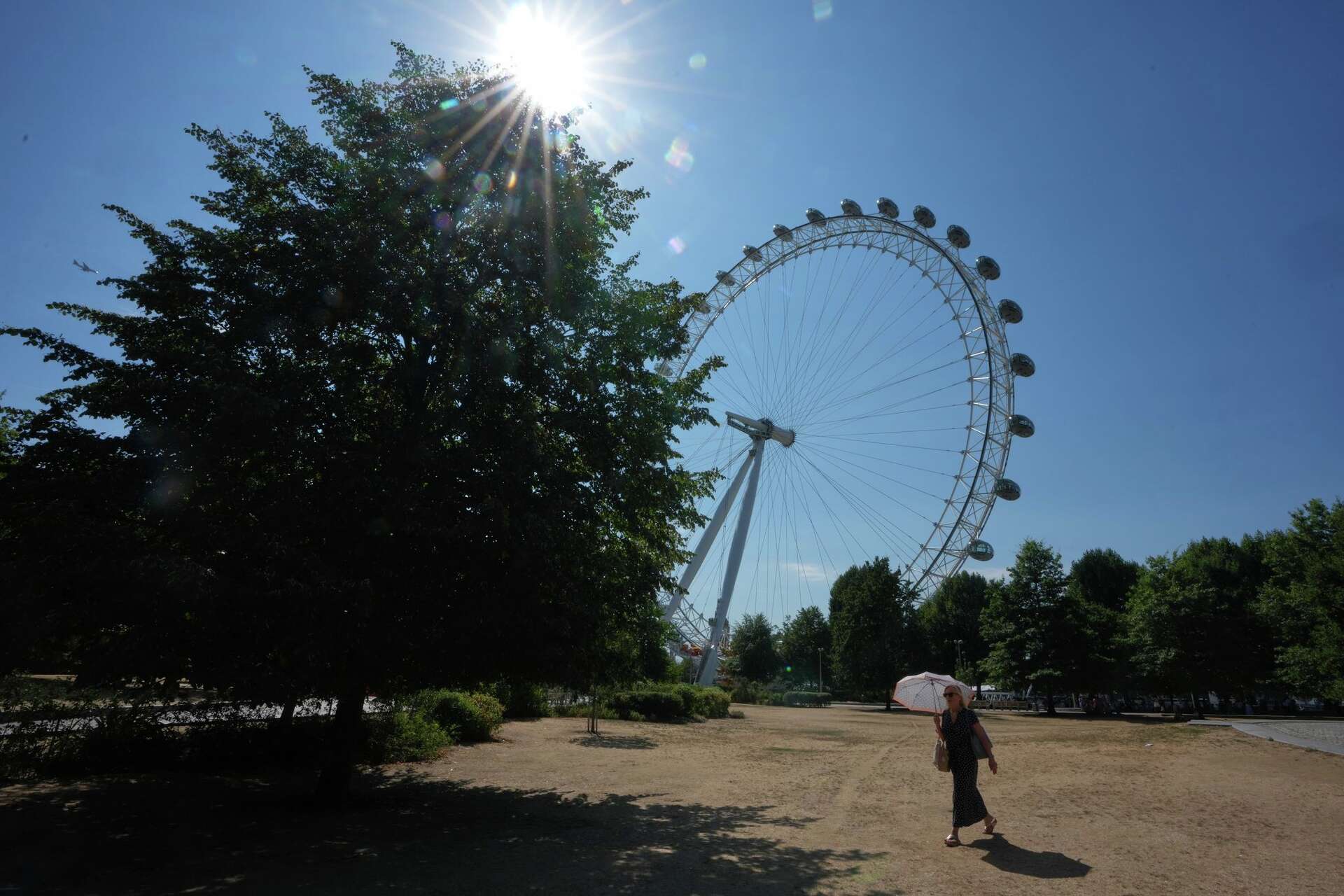
UK hits 38.1°C, hottest 2026 day, amid European heatwave

World's seas hottest July on record as Europe faces heatwaves

Ikea cuts European prices as cost pressures weaken demand

Europe's Bond Selloff Deepens as Middle East Tensions Lift Oil

China’s Rapid Car Development Faces Growing Safety Scrutiny

CNG Prices Rise Rs 2 per Kilogram in Pune

China Challenges US Leadership in Escalating Global AI Contest