

2 weeks ago
Hungary takes emergency steps to keep Paks nuclear plant running
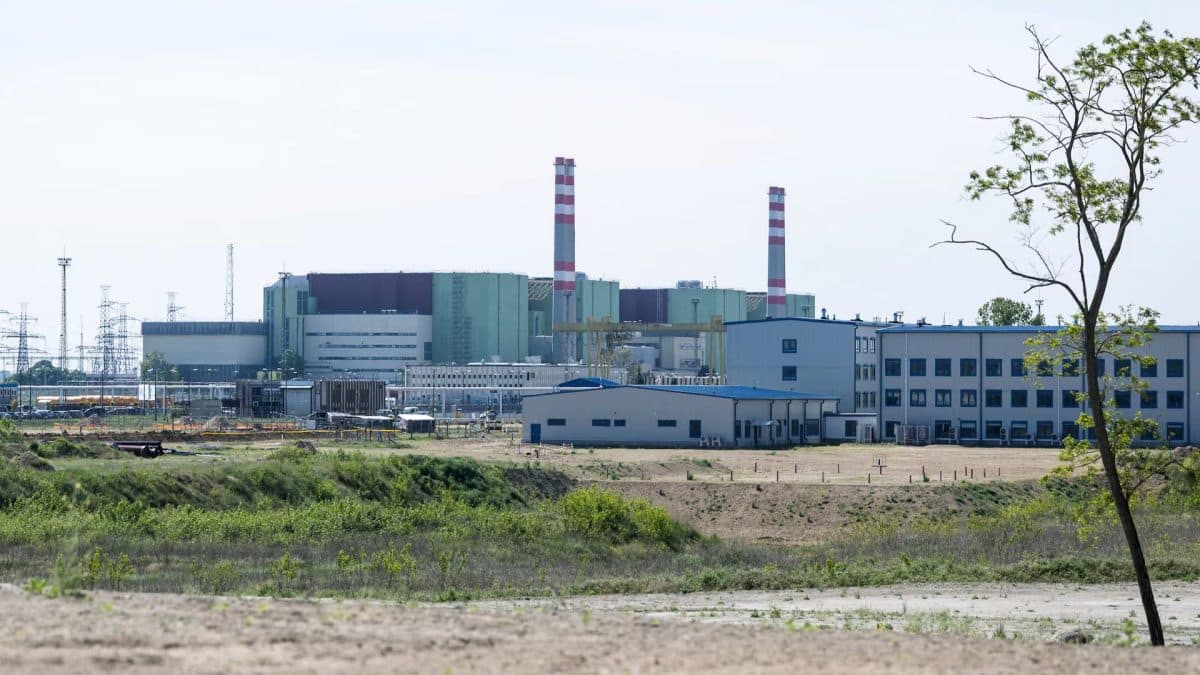
Hungary has a big nuclear power plant called Paks that makes almost half of the electricity for the whole country.
The plant needs water from the Danube River to stay cool.
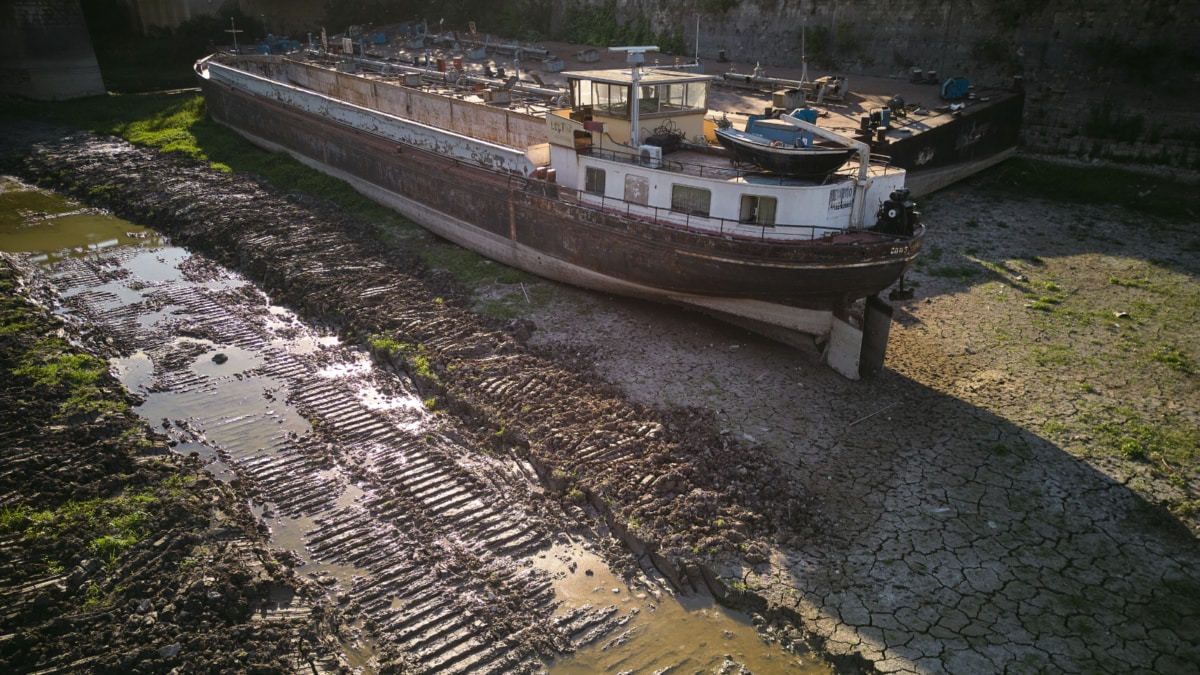
This summer, a long dry spell and very hot weather made the river get very low.
When the river got too low, the plant could not make very much electricity.
It was working at only about ten percent of its full power, and later went up to about twenty-five percent.
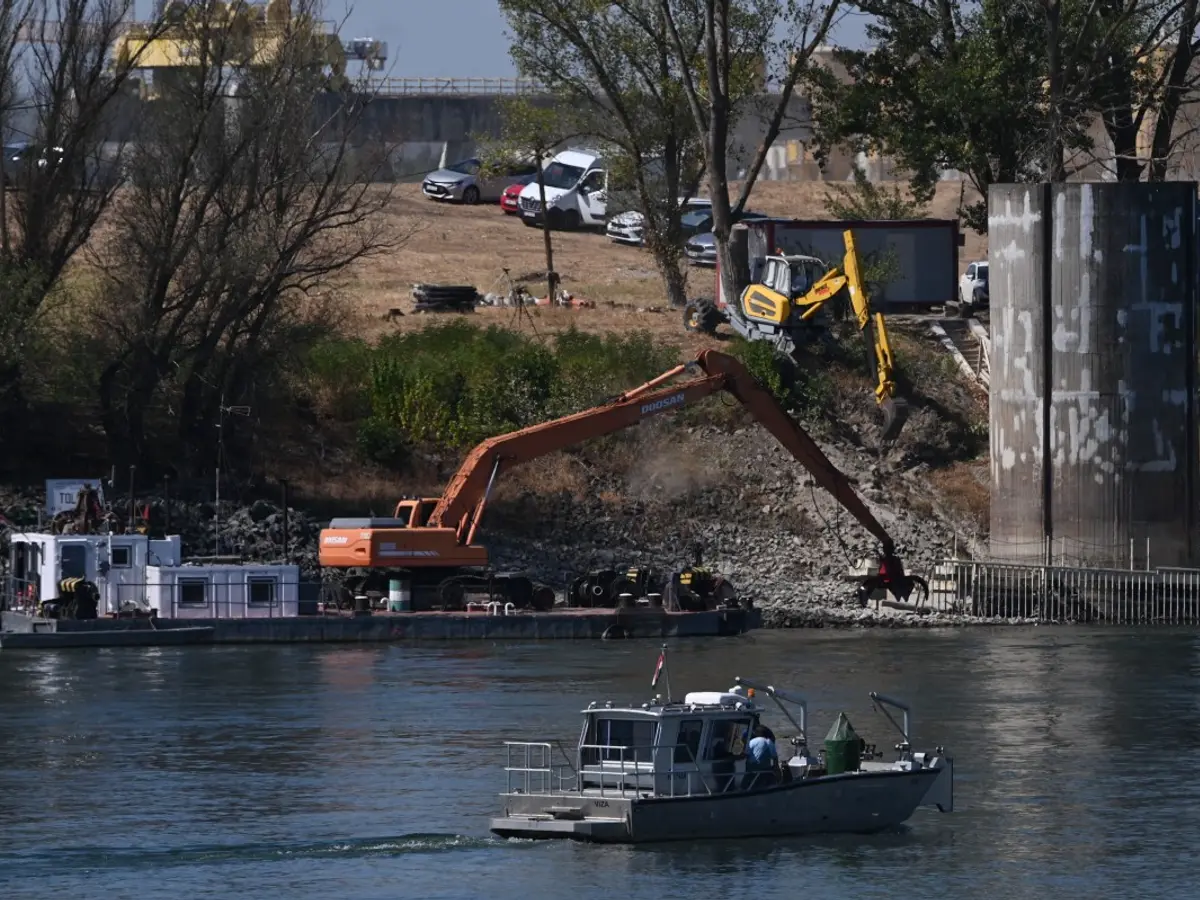
To help, workers are going to build a special bump on the riverbed using lots of rocks.
They might also sink two big boats in the river to push the water level up.
This is expensive, and the country is losing money because the plant cannot make all the power it normally does.
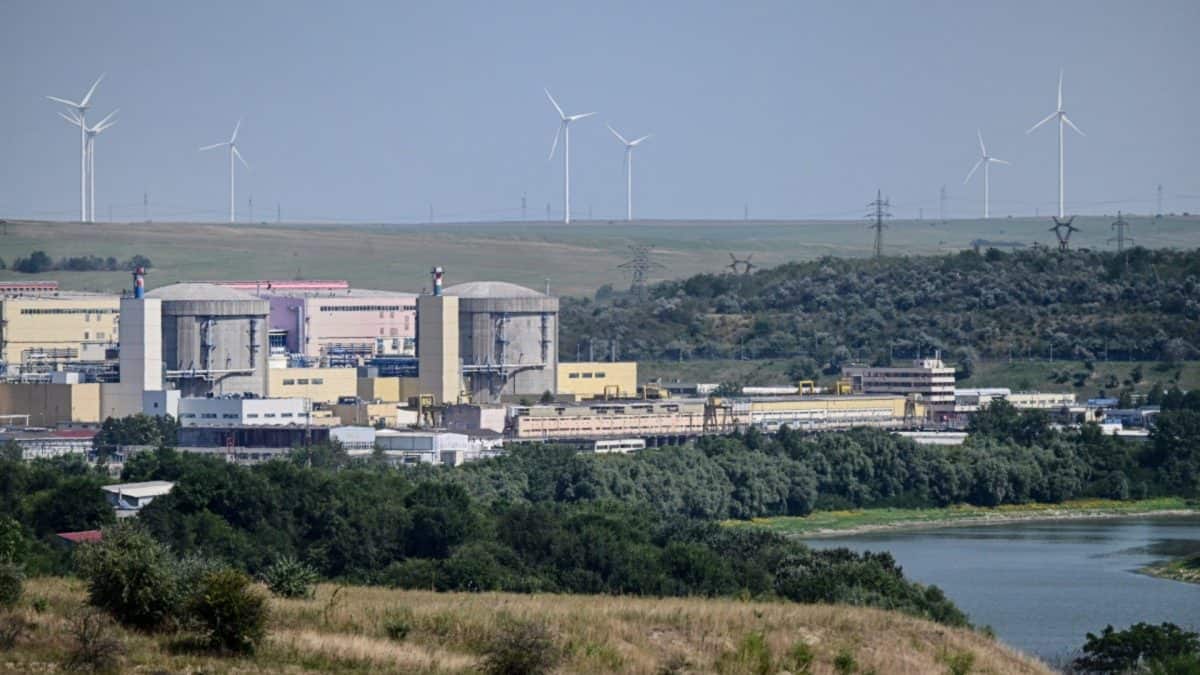
A nearby country, Romania, already had to close its nuclear plant because the same river got too low.
Leaders are now thinking about how to keep nuclear plants safe when rivers get very low in hot, dry weather.

The roughly 2,000-megawatt Paks nuclear plant, which supplies nearly half of Hungary's electricity, sharply reduced output as Danube water levels fell to exceptionally low levels.
Paks operated at about 10% of capacity earlier this month before recovering to roughly 25% after the Danube rose by around 19 centimetres.
Authorities plan a submerged bed sill built from about 145,000 cubic metres of rock to raise water levels near Paks by up to 1.2 metres, and may sink two large barges.
The emergency intervention is estimated to cost about 6 billion forints ($19 million), while lost electricity generation is estimated at roughly 50 billion forints ($158 million) a month.
Romania already shut both reactors at its Cernavodă nuclear plant and declared an energy emergency, prompting Hungary to review cooling arrangements for the planned Paks II expansion.
- Who
- Hungarian authorities and the operators of the Paks nuclear power plant, with Romania's Cernavodă plant already affected.
- What
- Emergency engineering work on the Danube River to keep the Paks plant's cooling system working after record-low water levels sharply cut its output.
- Where
- Paks, Hungary, on the Danube River; a similar crisis occurred downstream at Cernavodă in Romania.
- When
- During the current European heatwave and prolonged drought; Paks was at about 10% capacity earlier this month before recovering to roughly 25%.
- Why
- Exceptionally low Danube water levels threatened the plant's river-based cooling system, raising the prospect of an unprecedented shutdown.
Key facts
- Plant
- Paks nuclear power plant, Hungary's only nuclear plant, operating for 44 years
- Capacity
- Roughly 2,000 megawatts
- Share of national power
- Nearly half of Hungary's electricity
- Recent output
- About 10% of capacity earlier this month, recovering to roughly 25%
- Danube level change
- Rose by around 19 centimetres, allowing another turbine back online
- Emergency measures
- Submerged bed sill of about 145,000 cubic metres of rock to raise water up to 1.2 metres; two large barges may be sunk
- Costs
- Intervention about 6 billion forints ($19 million); lost generation about 50 billion forints ($158 million) a month
- Romania comparison
- Cernavodă shut both reactors, producing about a fifth of Romania's electricity; energy emergency declared
Sources
Related news

Hungary’s Paks Nuclear Plant Nears Full Capacity by Wednesday
Romania shuts only nuclear plant as Danube hits record low
Albania battles blazes, Hungary curbs power as Europe feels heat
Record heat in Austria, Hungary curbs power as Europe swelters
Heatwave expected to cut 15% of France's nuclear capacity Friday
Srisailam Hydel Generation Review Weighs Drinking Water Priority
Europe’s Drying Rivers and America’s Reservoirs Signal Water Crisis

Punishing European Drought Shrivels Crops, Hits Farmers Across Continent

Europe's 2026 summer: burning, drying out, struggling to adapt
Danube Dries Up, Exposing WWII Soldiers' Perfectly Preserved Remains
