

2 weeks ago
Danube Dries Up, Exposing WWII Soldiers' Perfectly Preserved Remains
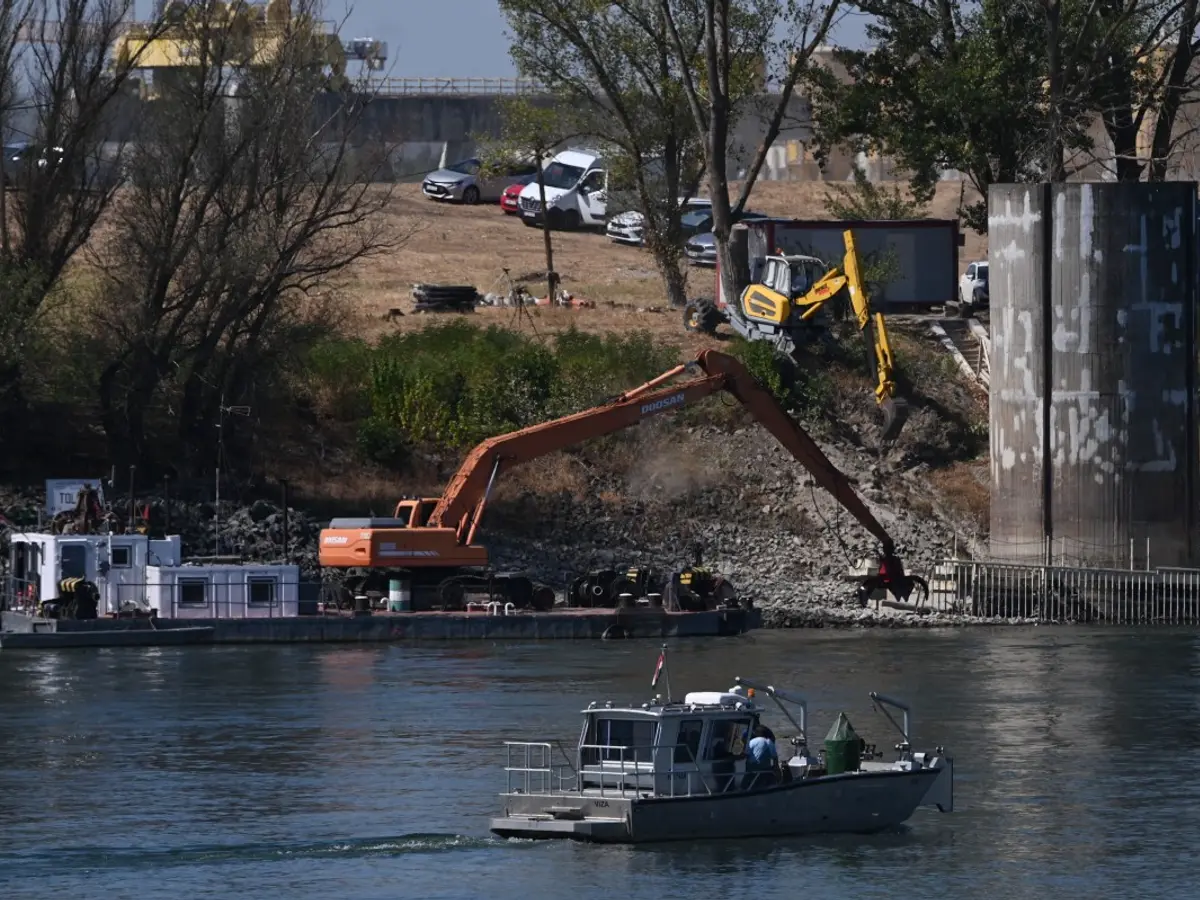
A big river in Europe called the Danube has become very low.
When the water went down, old things from a very long war came out of the river.
People found an old motorcycle from World War II.
They also found the remains of two soldiers who were probably riding it.
The motorcycle and the soldiers stayed in great shape even though they were underwater for more than 80 years.
This happened because mud and oil covered them and kept them safe.
The motorcycle was made in 1944 and could go about 56 miles per hour.
The soldiers' metal identification tags are still there, so scientists might be able to find out who they were.

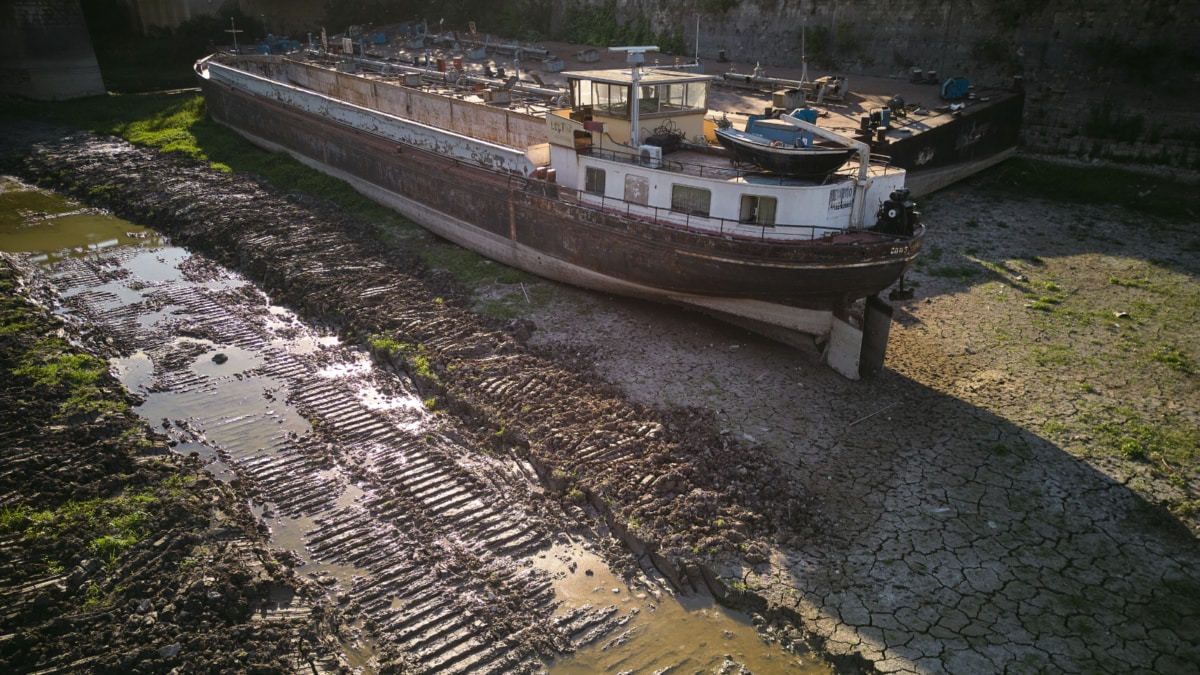
The Danube River has dried to one of its lowest levels in Europe, exposing World War II Nazi naval vessels and artefacts.
Researchers found a rare Wehrmacht DKW NZ 350-1 motorcycle and the remains of two soldiers near the Hungarian Parliament building in Budapest.
The soldiers' remains and the bike stayed near-perfect because a mix of mud and oil preserved them underwater for over 80 years.
The motorcycle, built by the Nazis in 1944, had a two-stroke engine with 11.5 horsepower and a top speed of about 56 mph.
Military identification tags are still intact, so officials might be able to identify the two men.
The Germans surrendered on February 13, 1945, shortly after the Battle of Budapest, which left over 127,000 troops and Hungarians dead.
- Who
- Researchers and officials in Hungary, alongside the remains of two unidentified German Wehrmacht soldiers.
- What
- Extremely well-preserved remains of two German soldiers and a rare Nazi-era DKW NZ 350-1 motorcycle emerged from the drying Danube River.
- Where
- Near the Hungarian Parliament building in Budapest, in the Danube River.
- When
- As the Danube dried up in the present day, more than 80 years after the bike was built in 1944; the Germans surrendered on February 13, 1945.
- Why
- The Danube River dried to its lowest level in Europe, exposing the artefacts; the remains were preserved by a mix of mud and oil.
Key facts
- Waterway
- Danube River
- Location
- Near Hungarian Parliament building, Budapest
- Discovery
- DKW NZ 350-1 motorcycle and remains of two German soldiers
- Year built
- 1944
- Engine
- Two-stroke, 11.5 horsepower
- Top speed
- About 56 mph
- Units produced
- Nearly 12,000
- Battle of Budapest casualties
- More than 30,000 Nazis, 80,000 Soviet and Romanian troops, and 17,000 Hungarians
Sources
Related news
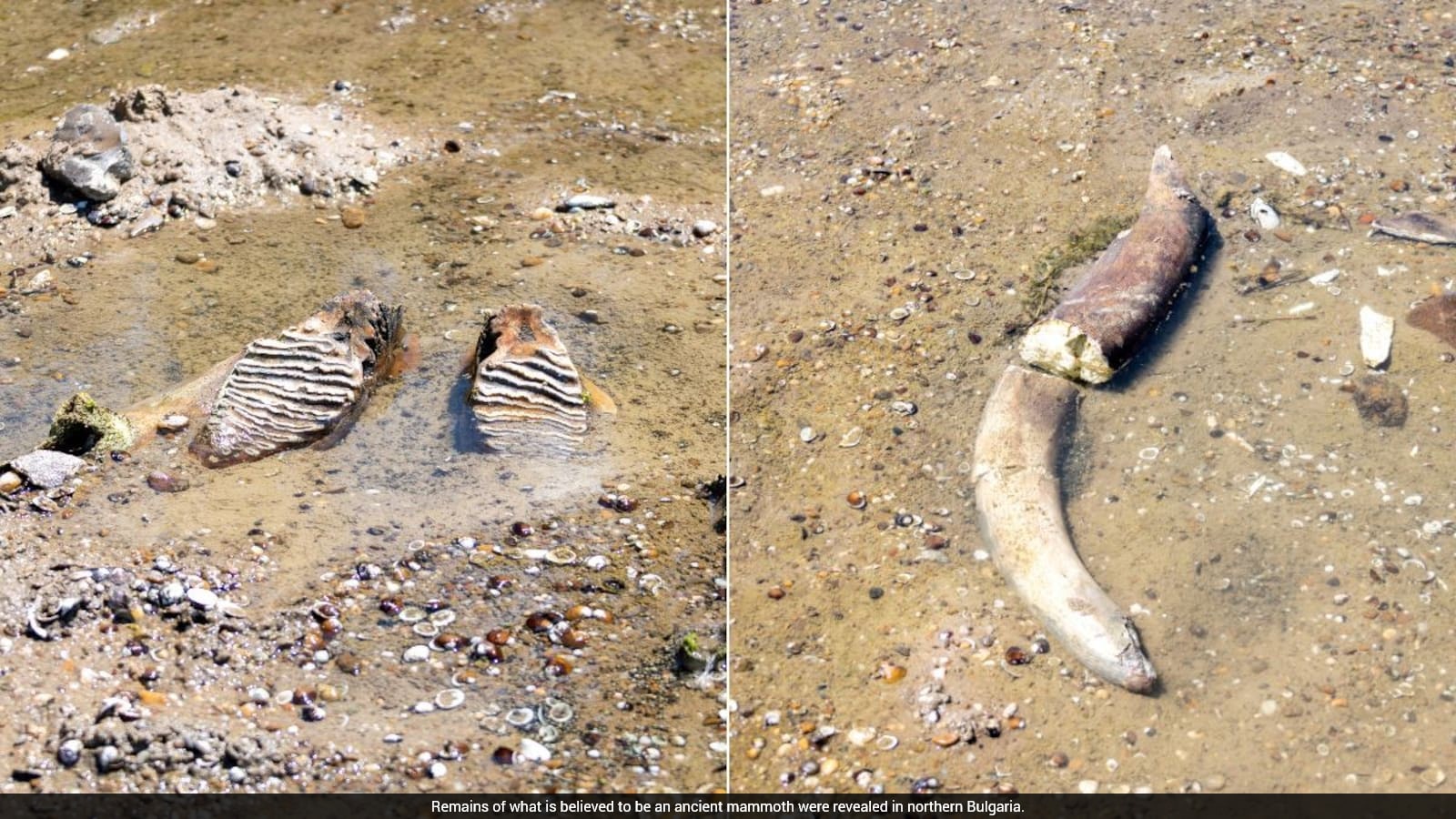
Drying Danube River Exposes WWII Battleships, Prehistoric Fossils
BMW Reveals Ten Exclusive R 1300 GS Adventure Motorcycles
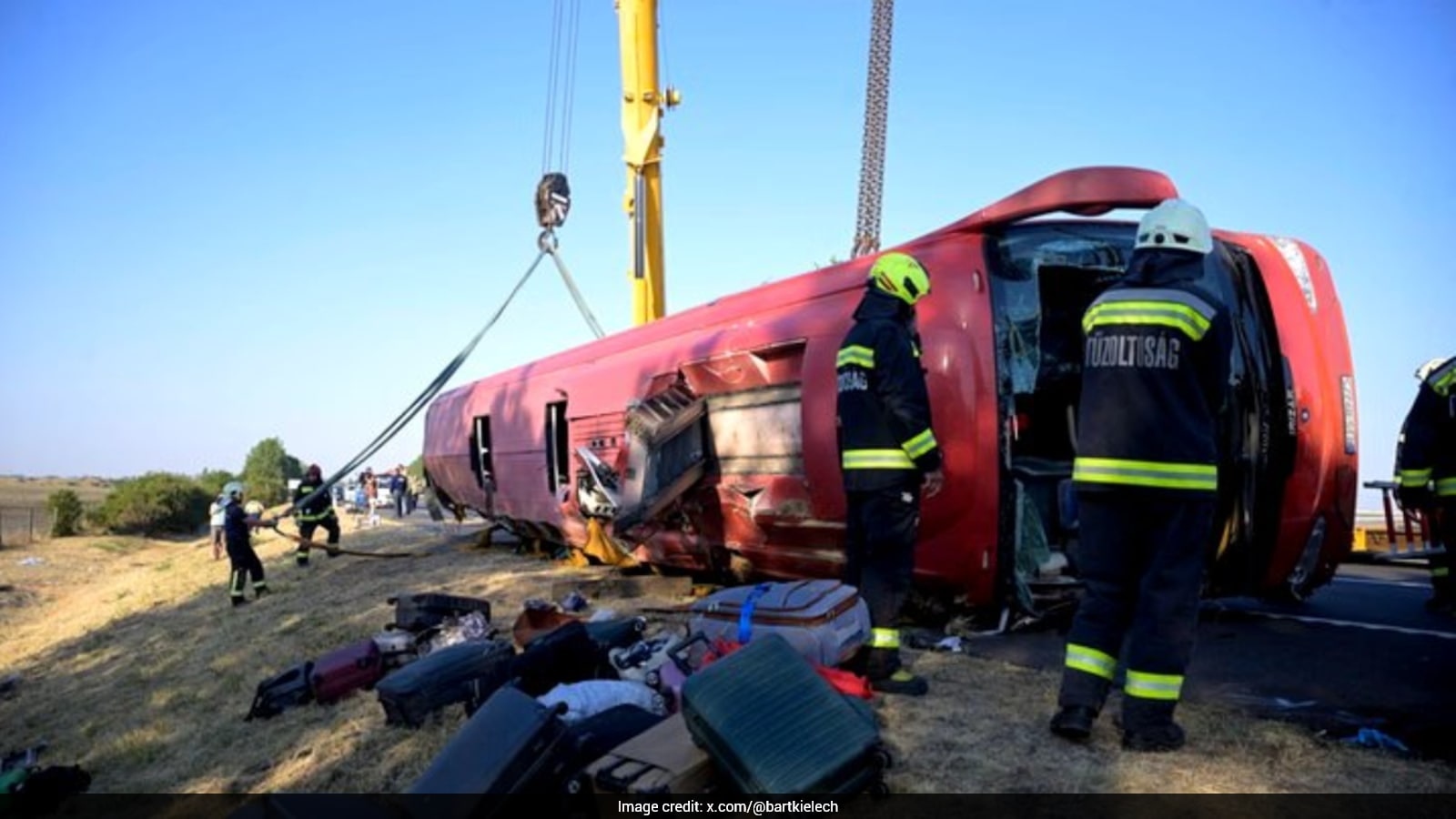
12 Killed, 10 Injured in Polish Bus Crash in Hungary

Hungary’s Paks Nuclear Plant Nears Full Capacity by Wednesday
AfD Turns East Germany’s Vespa Into Election Vehicle
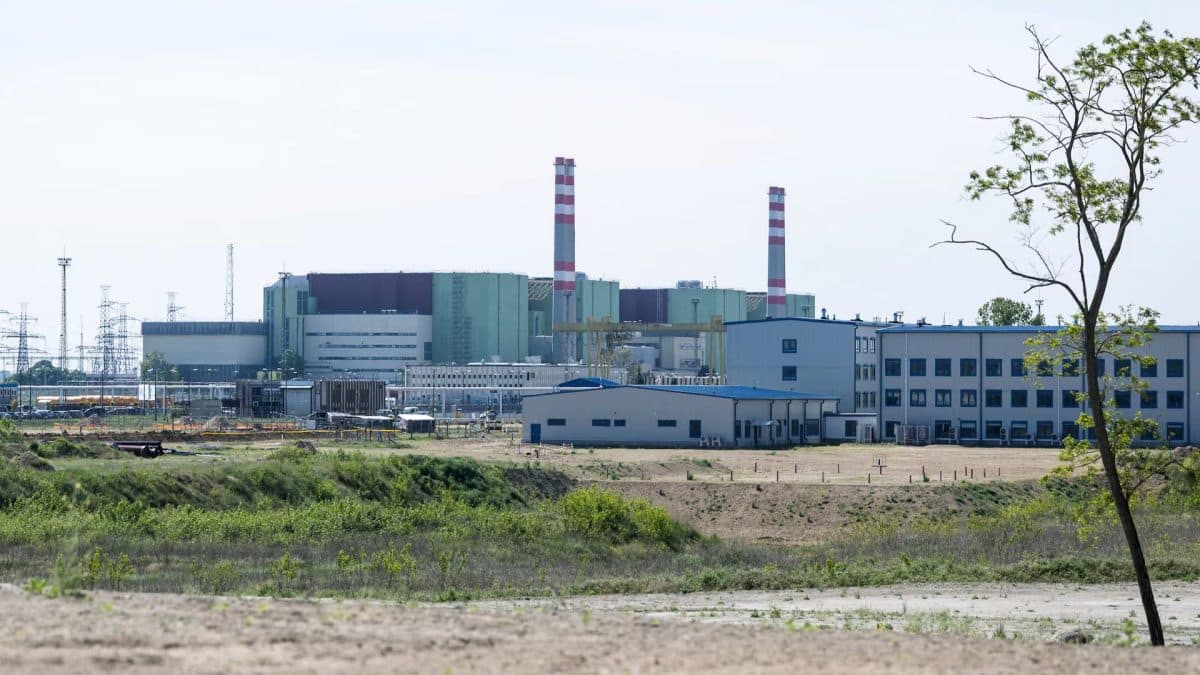
Hungary takes emergency steps to keep Paks nuclear plant running
Europe’s Drying Rivers and America’s Reservoirs Signal Water Crisis

Punishing European Drought Shrivels Crops, Hits Farmers Across Continent
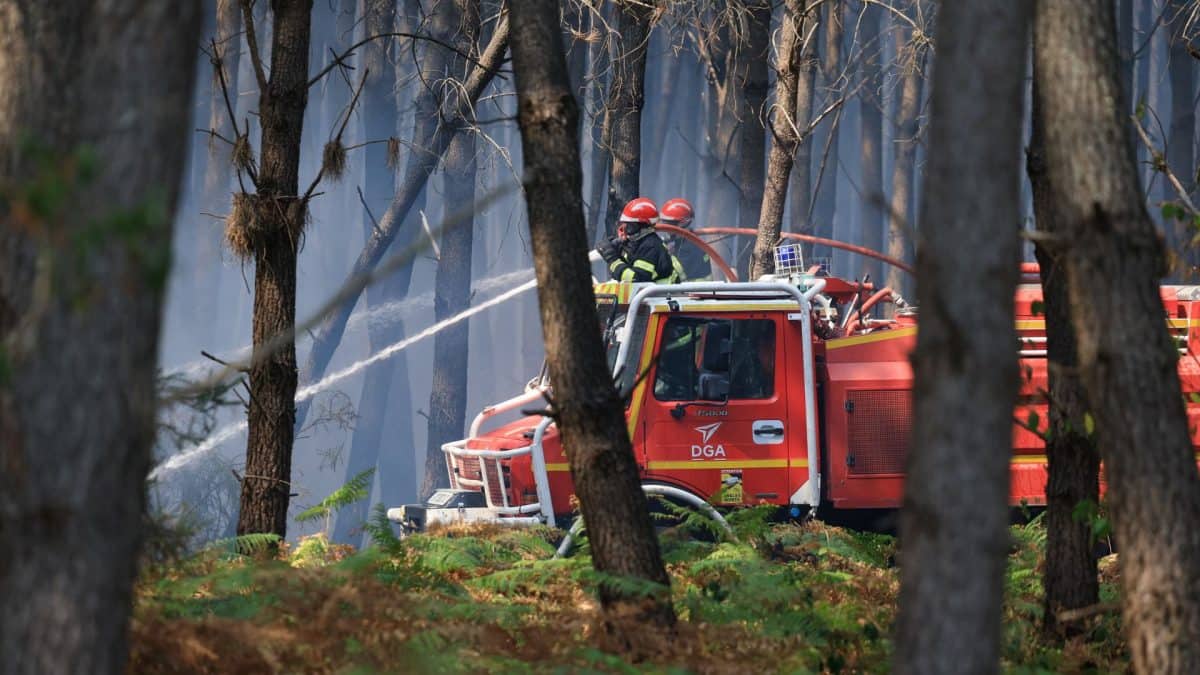
Europe's 2026 summer: burning, drying out, struggling to adapt
