

2 weeks ago
Europe's 2026 summer: burning, drying out, struggling to adapt
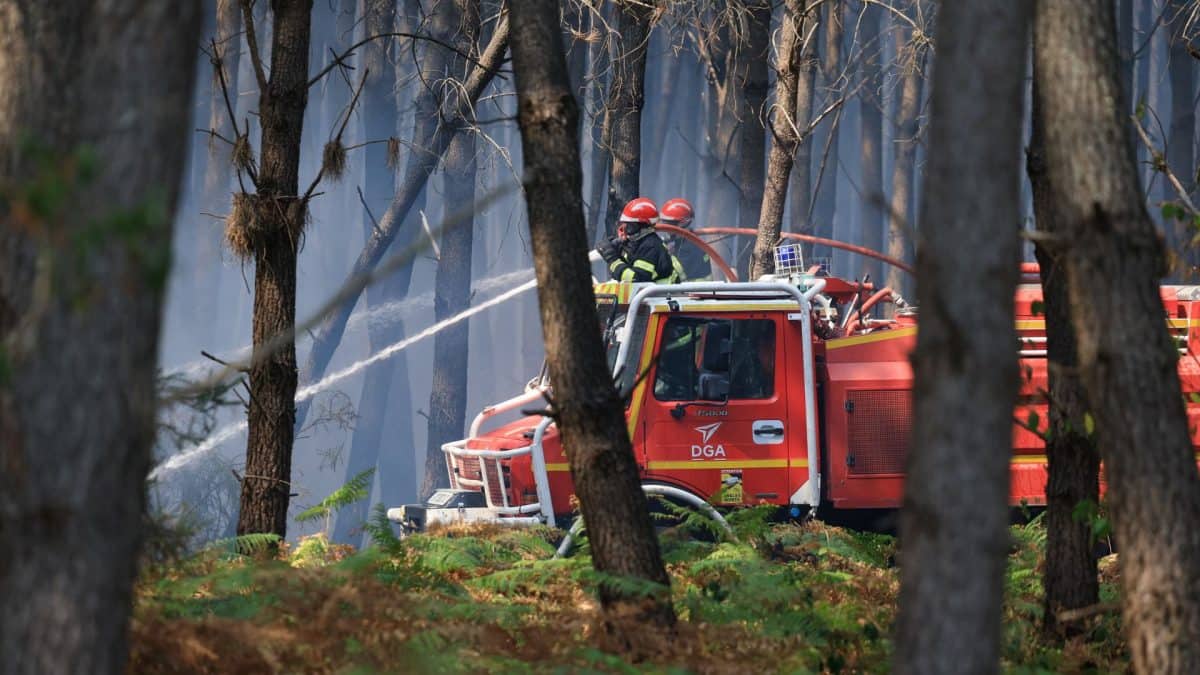
The Earth is getting warmer because of pollution, and Europe is warming faster than most other places.
In the summer of 2026, Europe had very hot weather, long dry spells, and big wildfires.
Fires burned in Spain, France, Greece, Croatia, Germany, and even the United Kingdom.
In London, temperatures reached levels close to the hottest days ever recorded there.
Many people had to leave their homes because the fires came too close.
Rivers like the Rhine and the Danube became very low, which is bad for boats, farms, and electricity made from water.
Scientists say pollution from people makes these hot and dangerous conditions much more likely.
Countries are trying to prepare better, but scientists say we also need to stop producing so much pollution.
That way, summers like this one do not become the normal thing for the future.

Extreme heatwaves, drought and wildfires hit Spain, France, Greece, Croatia, Germany and the UK in summer 2026.
The UK surpassed its annual wildfire record with more than 1,000 fires, while London hit 38.1°C on August 13, its fifth-hottest day on record.
A Stourbridge wildfire destroyed 19 homes and damaged 18 others, and a blaze near Omiš, Croatia, forced about 1,200 people to evacuate.
A World Weather Attribution study found climate change made extreme fire-weather conditions at least 20 times more likely in Spain and about twice as likely in France.
The Loire, Po, Rhine and Danube rivers hit record-low levels in August, threatening agriculture, commercial shipping and hydropower.
- Who
- Residents, farmers, tourists and emergency services across Europe, plus British leader Andy Burnham, described in the article as the UK's Prime Minister.
- What
- A summer of extreme heatwaves, record drought, low river levels and destructive wildfires affecting multiple European countries.
- Where
- Europe, including Spain, France, Greece, Croatia, Germany and the UK, from London and Stourbridge to the area near Omiš in Croatia.
- When
- Summer 2026, with London recording 38.1°C on August 13 and the UK surpassing 1,000 wildfires for the year on Friday.
- Why
- Human-caused warming is intensifying heat and drought conditions that fuel wildfires, amplified by Europe's proximity to the Arctic, declining snow cover and cleaner air that exposes more underlying warming.
Key facts
- London temperature (Aug 13, 2026)
- 38.1°C, fifth-hottest day on record
- UK wildfires in 2026
- More than 1,000, surpassing the previous annual record
- Stourbridge wildfire damage
- 19 homes destroyed, 18 damaged, dozens given medical treatment
- Omiš, Croatia wildfire
- About 1,200 people evacuated, dozens injured
- UK drought impact
- About 45 million people in drought-affected areas; 27 million facing water-use restrictions
- Rivers at record-low levels (August)
- Loire, Po, Rhine and Danube
- Europe's warming rate
- Roughly twice the global average
- Climate change effect on fire weather
- At least 20 times more likely in Spain, about twice as likely in France
Sources
Related news
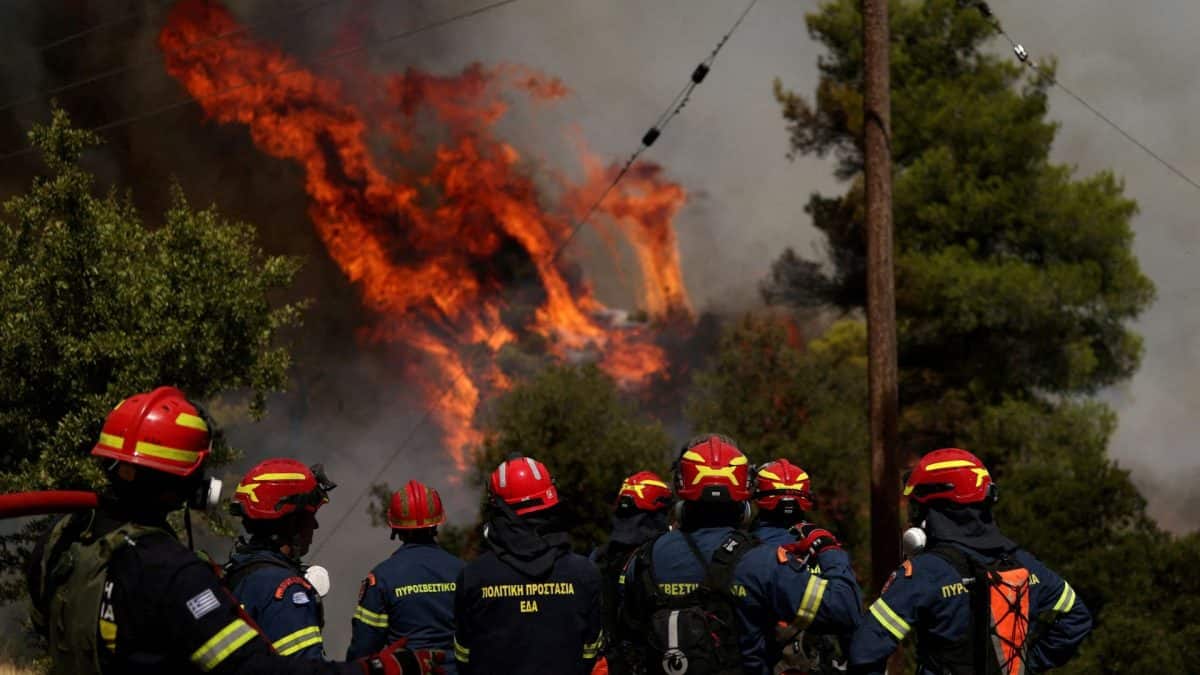
Europe battles wildfires as record heat and drought fuel blazes

World's seas hottest July on record as Europe faces heatwaves
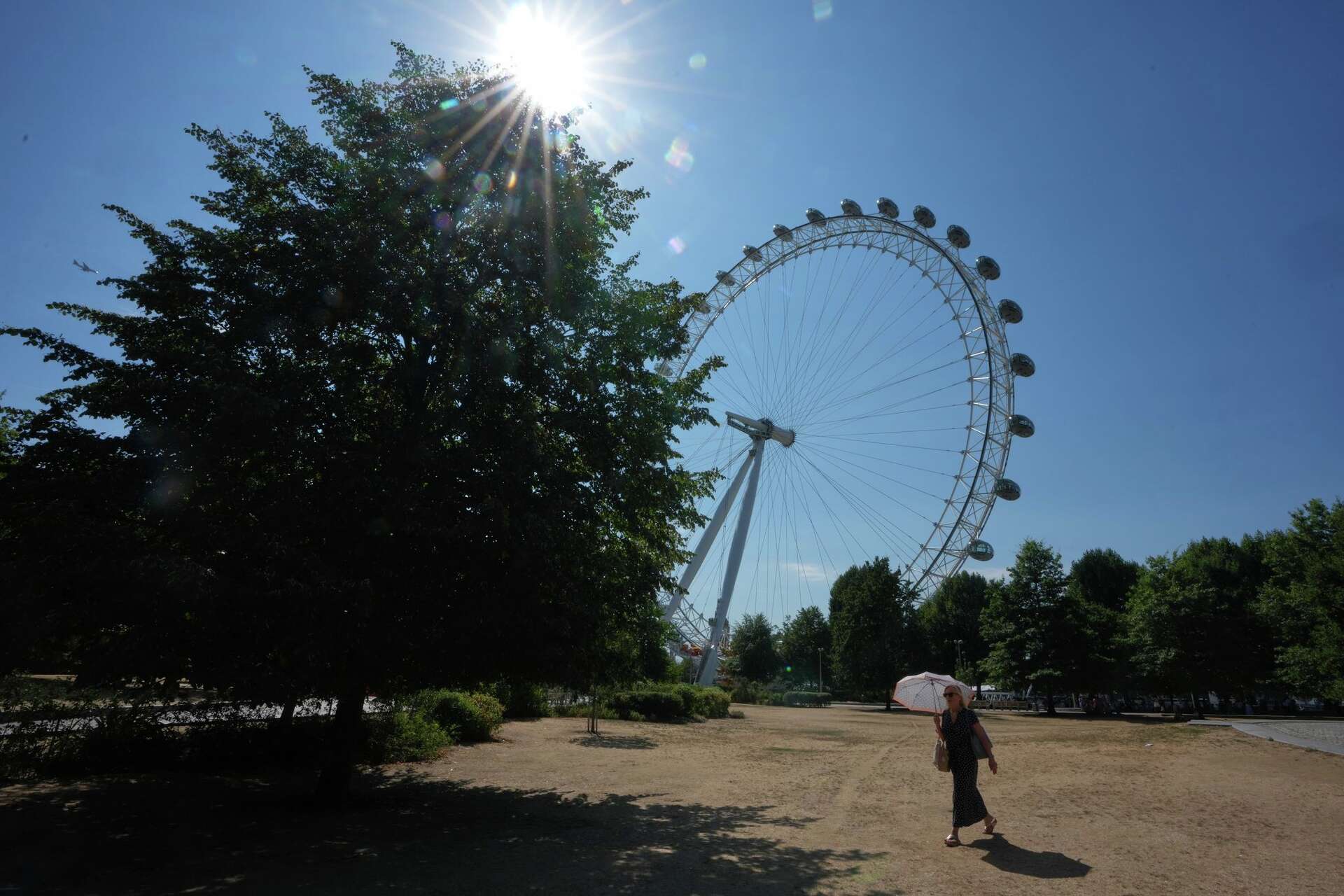
UK hits 38.1°C, hottest 2026 day, amid European heatwave

Fifth Heat Wave of Summer Peaks in London on Thursday

Europe’s Deadly Summer Heat Linked to Over 30,000 Deaths

Climate Change's Hard Reality Hits Europe's Economy This Summer

Ikea cuts European prices as cost pressures weaken demand

Europe's Bond Selloff Deepens as Middle East Tensions Lift Oil

China’s Rapid Car Development Faces Growing Safety Scrutiny

CNG Prices Rise Rs 2 per Kilogram in Pune

China Challenges US Leadership in Escalating Global AI Contest