1 week ago
Reported Glacial Collapse Triggers Catastrophic Flooding Across Nepal-Tibet Border Region
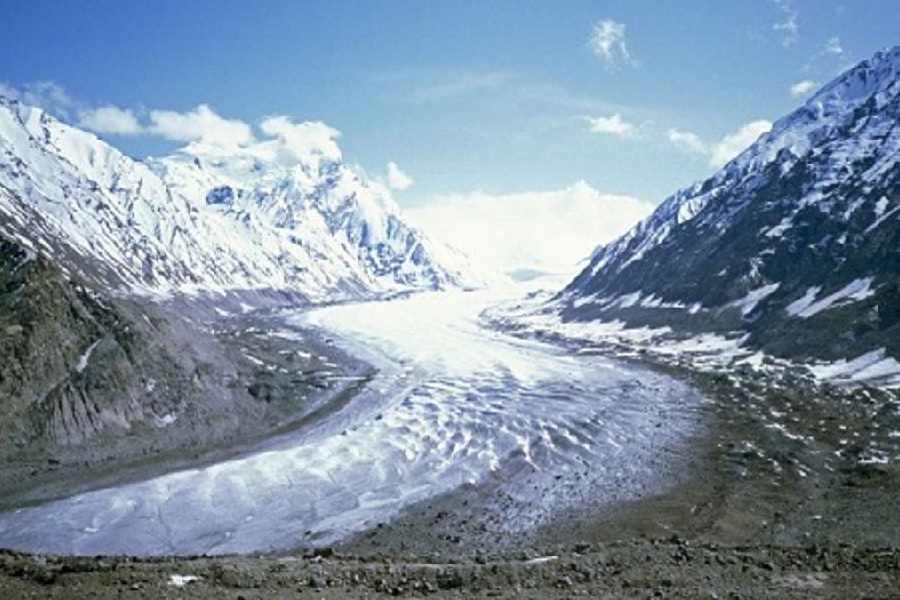
A large piece of ice may have broken off a Himalayan glacier.
It could have fallen more than a kilometre into a valley.
The impact sent mud, water and rocks rushing downstream.
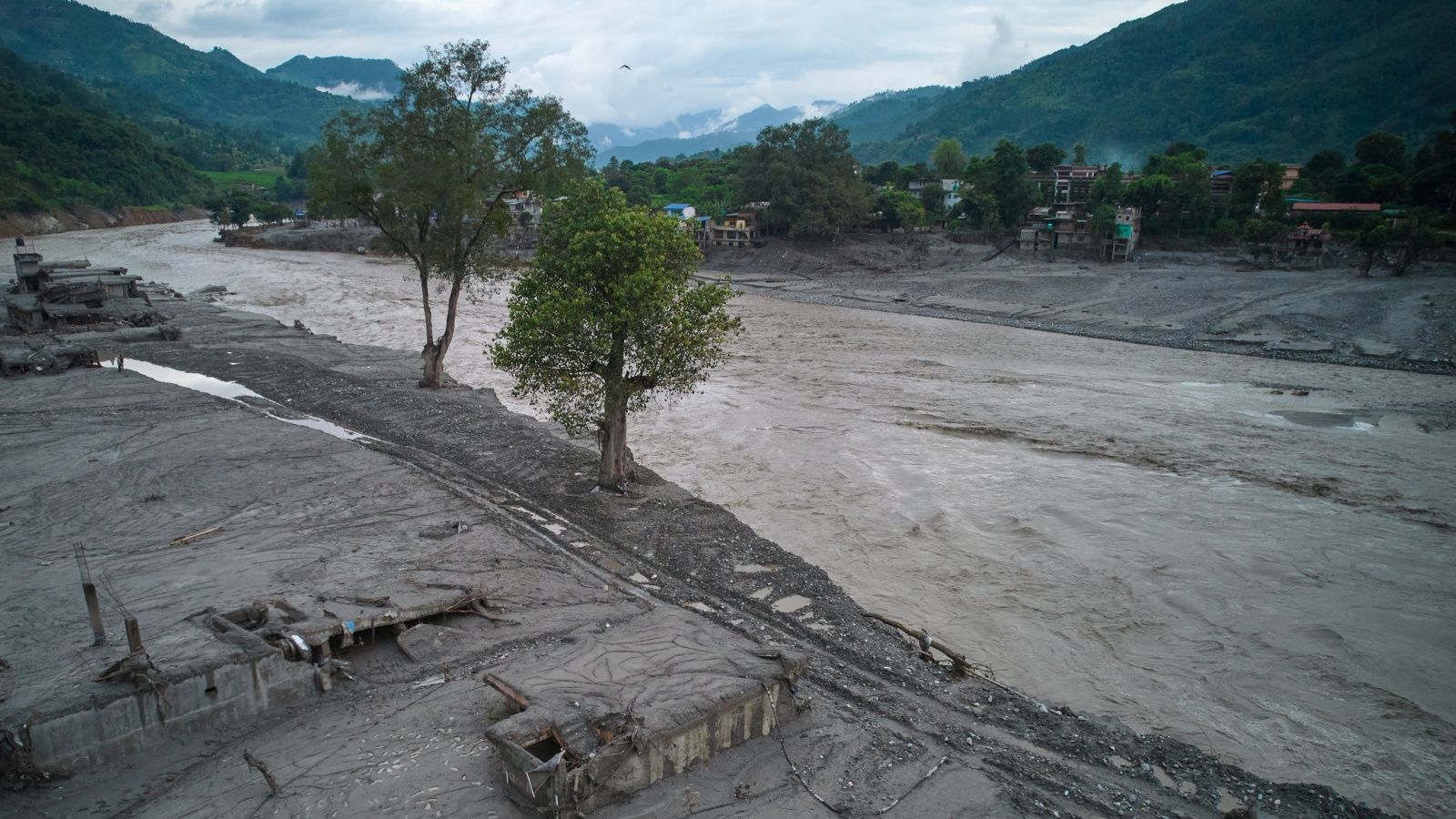
The Trishuli River reportedly rose nine metres in less than half an hour.
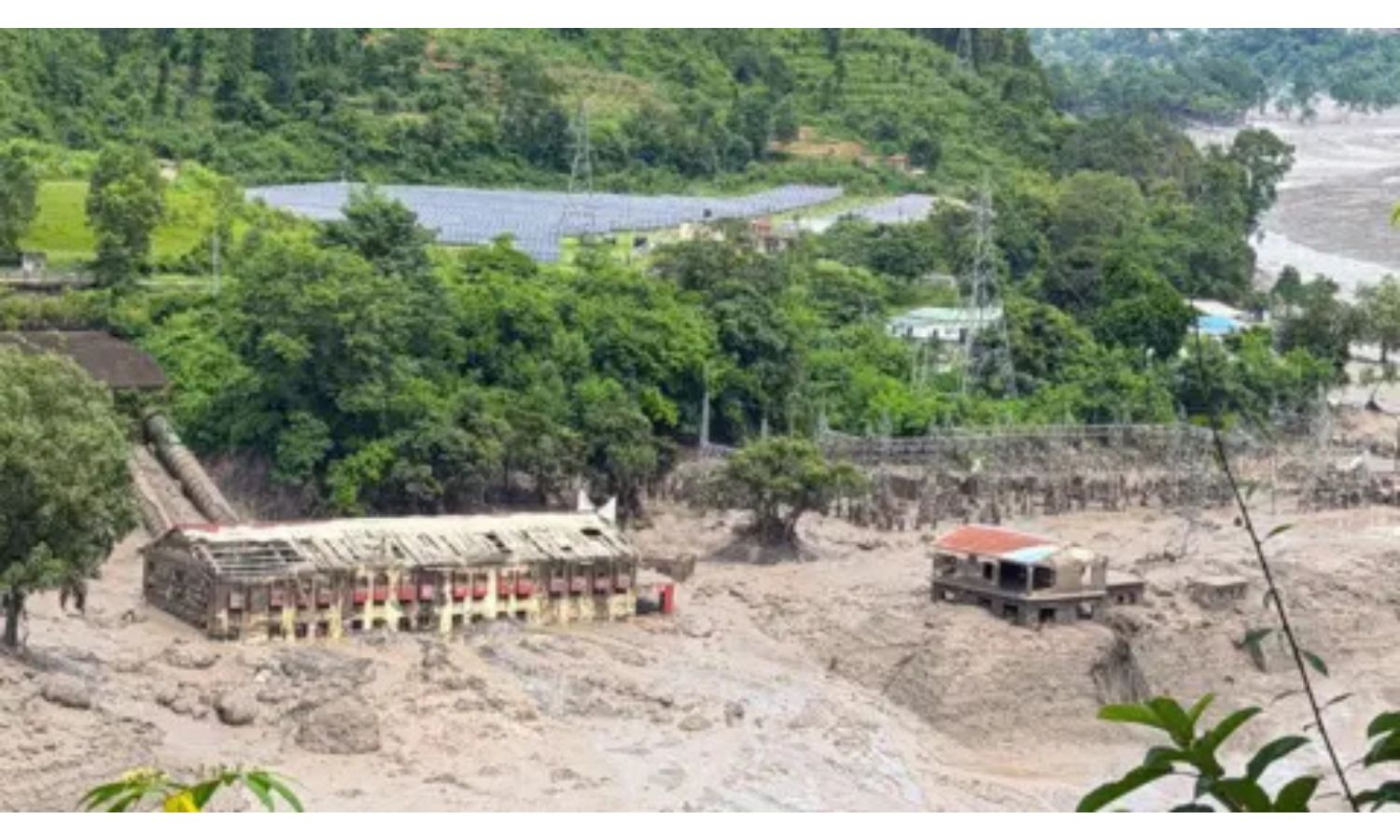
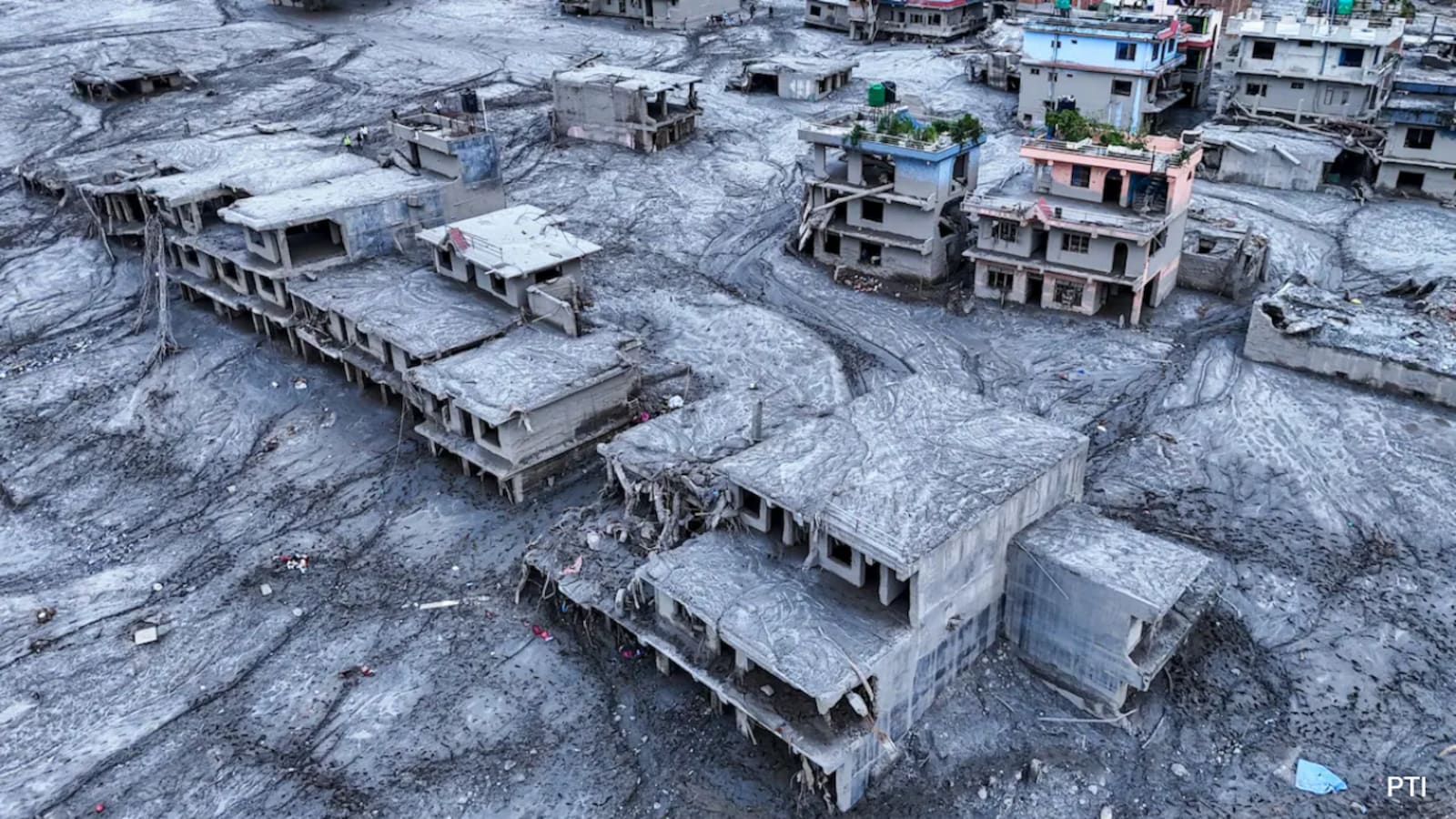
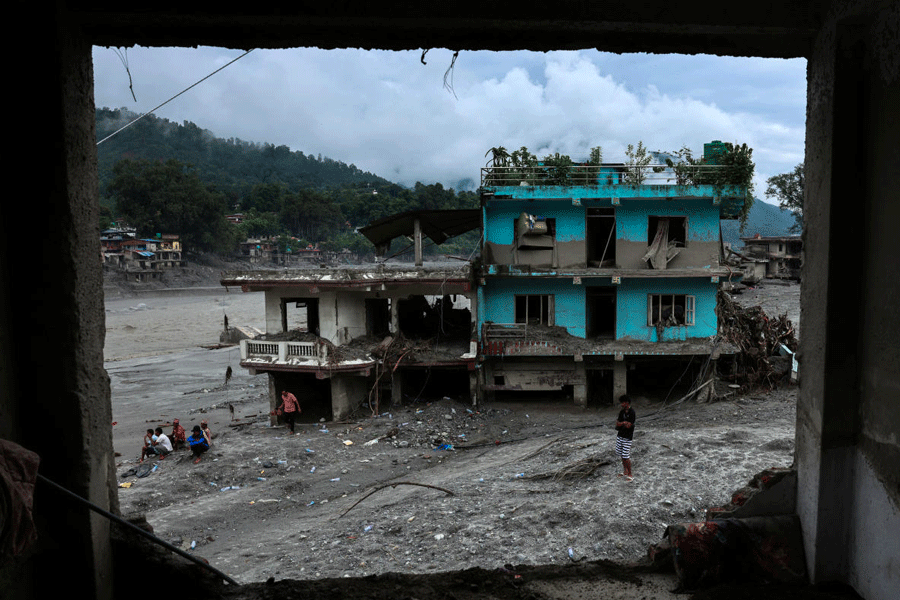
The flood damaged bridges, villages and power equipment.
Many people may have died, but the exact number is not known.
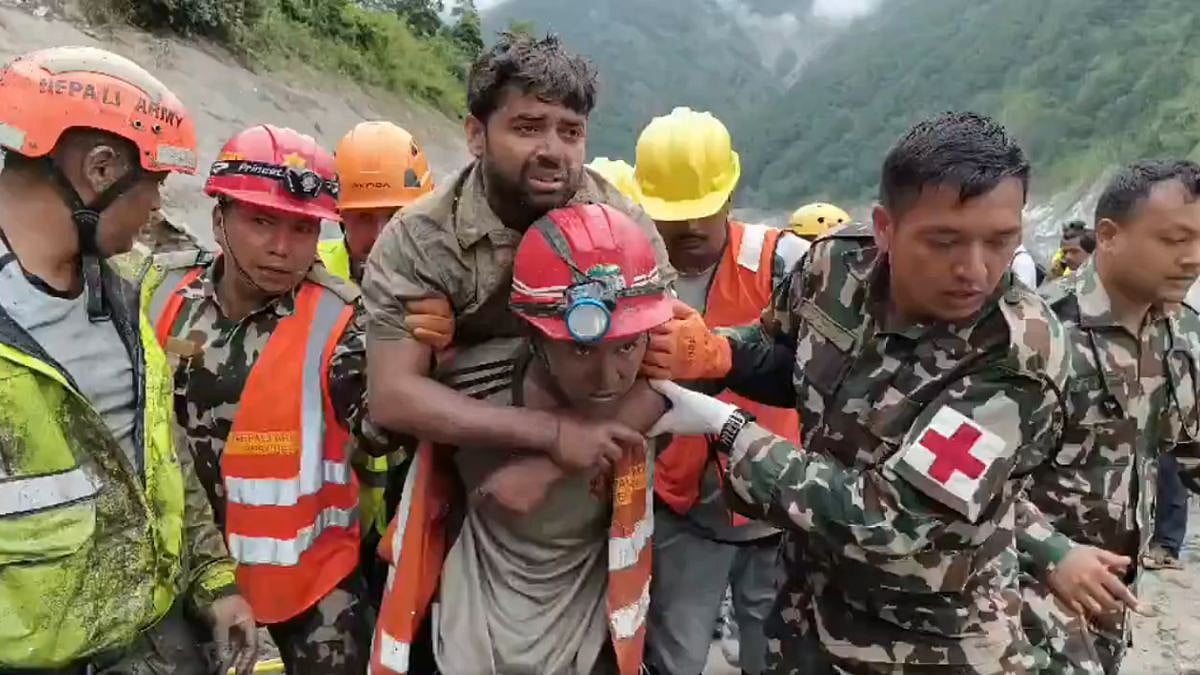
Rescuers and volunteers searched for survivors.
Scientists and environmentalists say warming may make the region more dangerous, although the exact climate link is not yet proven.

A glacier ice mass may have broken away at 5,200 metres, triggering an ice-rock avalanche and devastating floods.
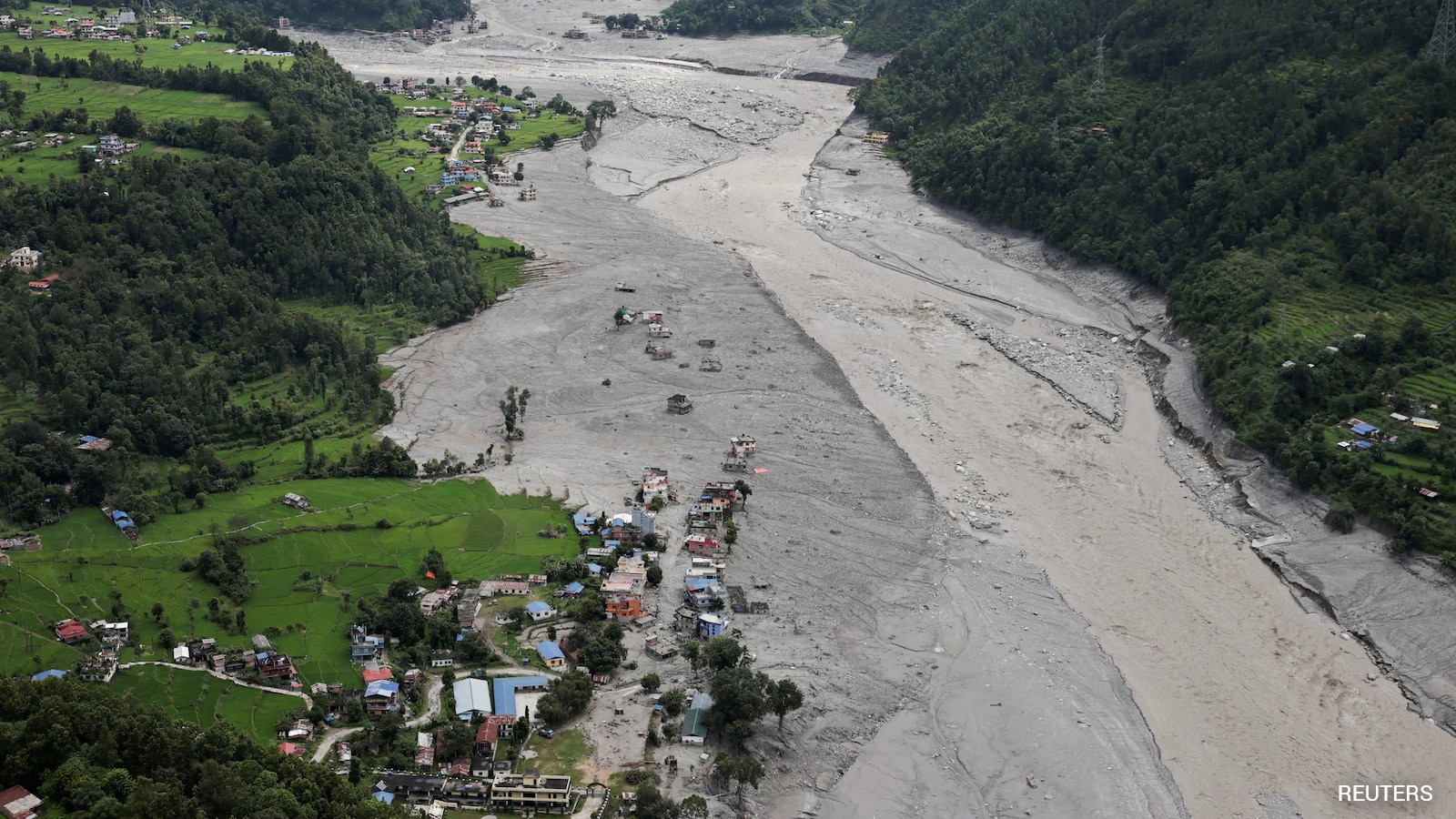
The Trishuli River, also called the Bhotekoshi, reportedly rose nine metres in under 30 minutes.
Floodwaters and debris destroyed or carried away bridges, villages, people and hydroelectric power equipment.
The death toll remains unclear, but the article says it may exceed 1,000 people of several nationalities.
The article links the disaster to Himalayan warming and glacier retreat while acknowledging that climate causation remains hypothetical.
- Who
- People of many nationalities, including pilgrims and trekkers, were affected; rescuers and volunteers searched for survivors.
- What
- A possible glacial collapse triggered an ice-rock avalanche and severe flooding.
- Where
- The disaster affected areas near the Nepal-Tibet border, including valleys along the Trishuli or Bhotekoshi River.
- When
- The article does not specify a date.
- Why
- A glacier ice mass may have broken away and fallen into a valley, displacing enormous amounts of water and debris.
Climate-Change Concern
Causation Still Uncertain
Role of Global Warming
Climate-Change Concern
Ecologists and environmentalists argue that Himalayan warming, glacier retreat and human activity may be contributing to increasingly dangerous conditions.
Causation Still Uncertain
The article acknowledges that the direct link between glacier collapses and climate change remains hypothetical, so the specific cause of this disaster has not been established.
Early-Warning Capability
Climate-Change Concern
The extreme speed of the flooding highlights the need for greater caution and preparedness around Himalayan riverbanks and valleys.
Causation Still Uncertain
The reported nine-metre river rise in less than 30 minutes suggests that conventional early-warning systems may not have had enough time to deliver a meaningful alert.
Key facts
- Possible ice mass size
- The glacier section was estimated at 0.2 square kilometres.
- Estimated break-off altitude
- Approximately 5,200 metres.
- Vertical fall
- About 1,200 metres into the valley below.
- Reported impact
- The collapse was described as equivalent to a 5.2-magnitude earthquake.
- River rise
- The Trishuli River reportedly rose nine metres in less than 30 minutes.
- Potential death toll
- The article says the toll may have exceeded 1,000, but reliable figures were unavailable, particularly from the Chinese side.
- Regional warming
- The article says the Himalayas are warming twice as fast as the global average and that Nepal has lost one-third of its ice over three decades.
Sources
Related news
Nepal Flood Highlights Rising Glacier Risks in Warming Himalayas

Nepal Glacier Collapse Exposes Rising Himalayan Flash-Flood Risks
Glacier Collapse May Have Triggered Deadly Nepal Flood

Nepal Flash Floods Expose Glacier Risks Amid Climate Concerns

Nepal-China Floods Leave Hundreds Dead and Thousands Missing
Glacial Floods Expose the Growing Himalayan Disaster Threat
Nepal Seeks Climate Justice as Reconstruction Costs Reach $5 Billion
Satellite Images Show Nepal’s Trishuli River Swelled Sixfold
Sikkim Identifies 40 High-Hazard Glacial Lakes, 16 Highest-Risk
Nepal Floods Leave 600 Children Missing, Death Toll 1,282
Two Rescued Alive Nine Days After Nepal Tunnel Disaster