6 days ago
Nepal-China Floods Leave Hundreds Dead and Thousands Missing

A huge rush of water, ice, rocks and mud swept through parts of Nepal and Tibet.
It moved so quickly that many people had almost no time to escape.
Many people died, and officials reported very different numbers of missing people.
Tourists, pilgrims and workers from several countries were among those missing.
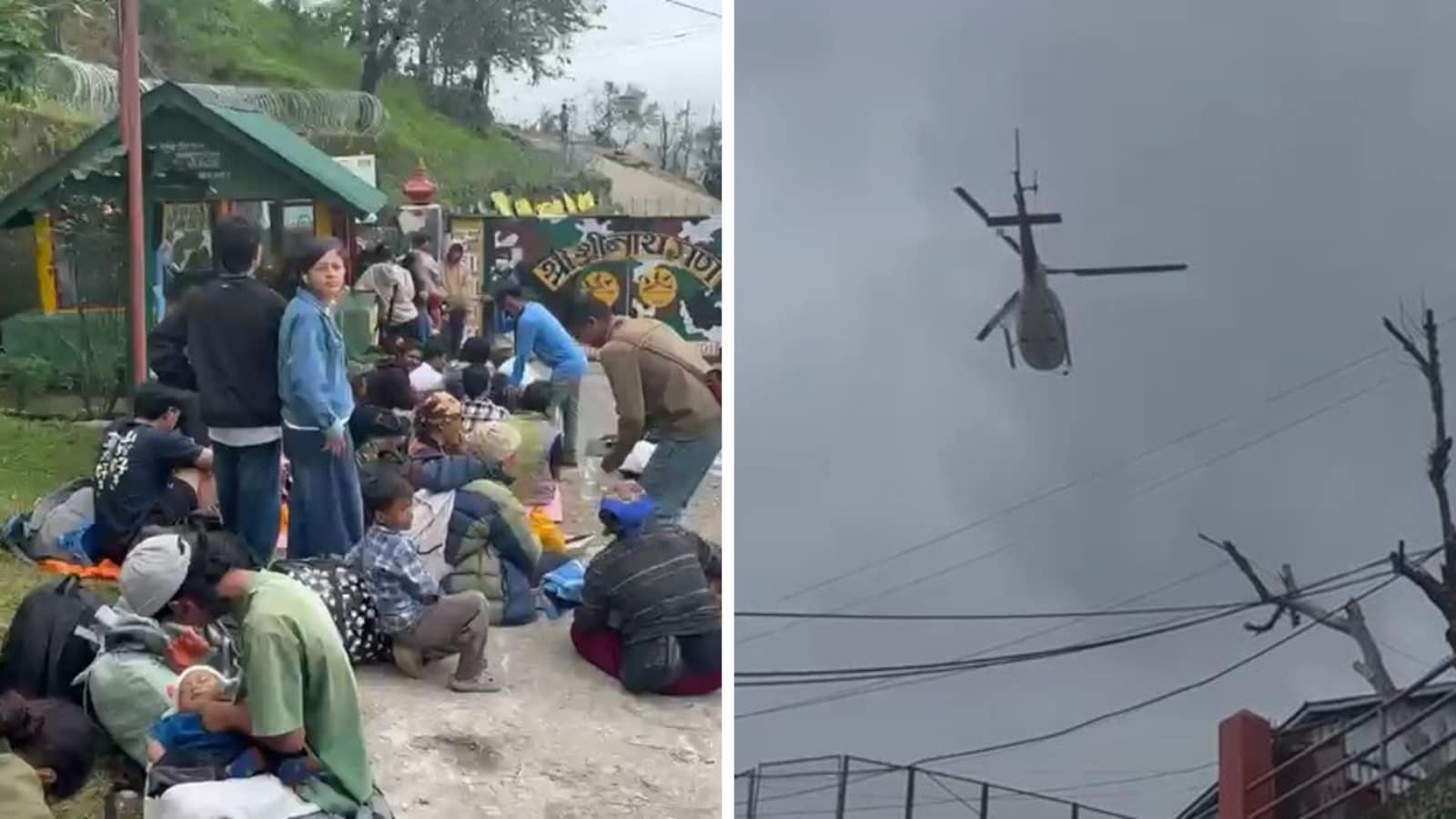
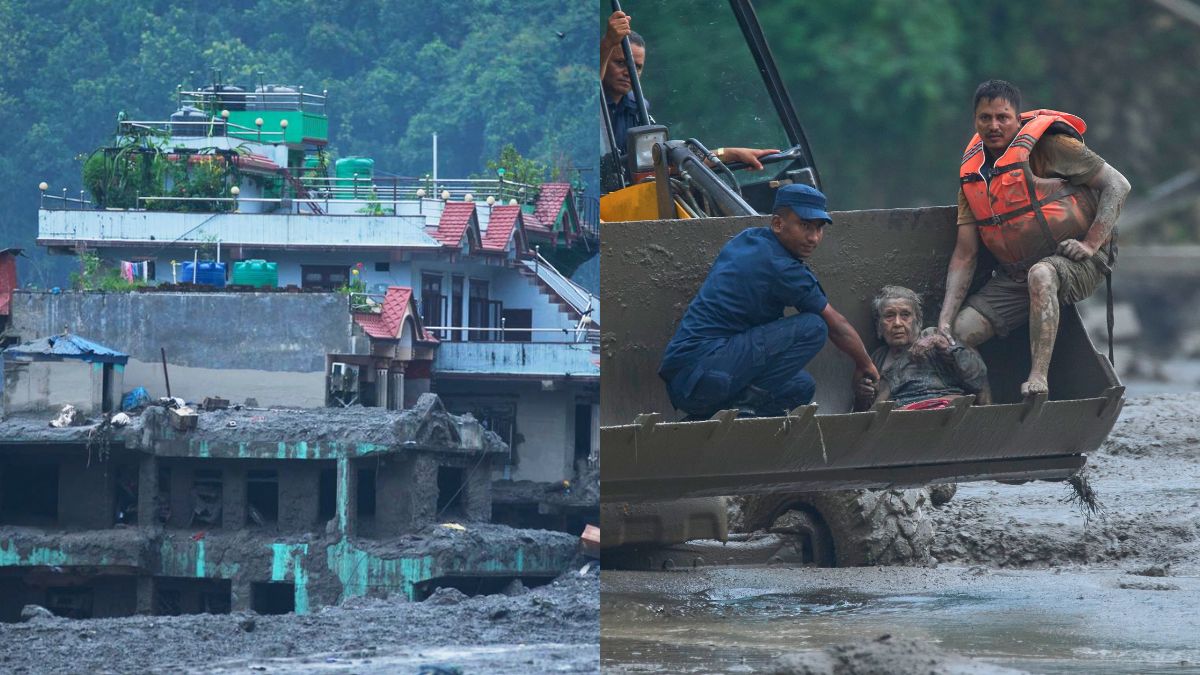
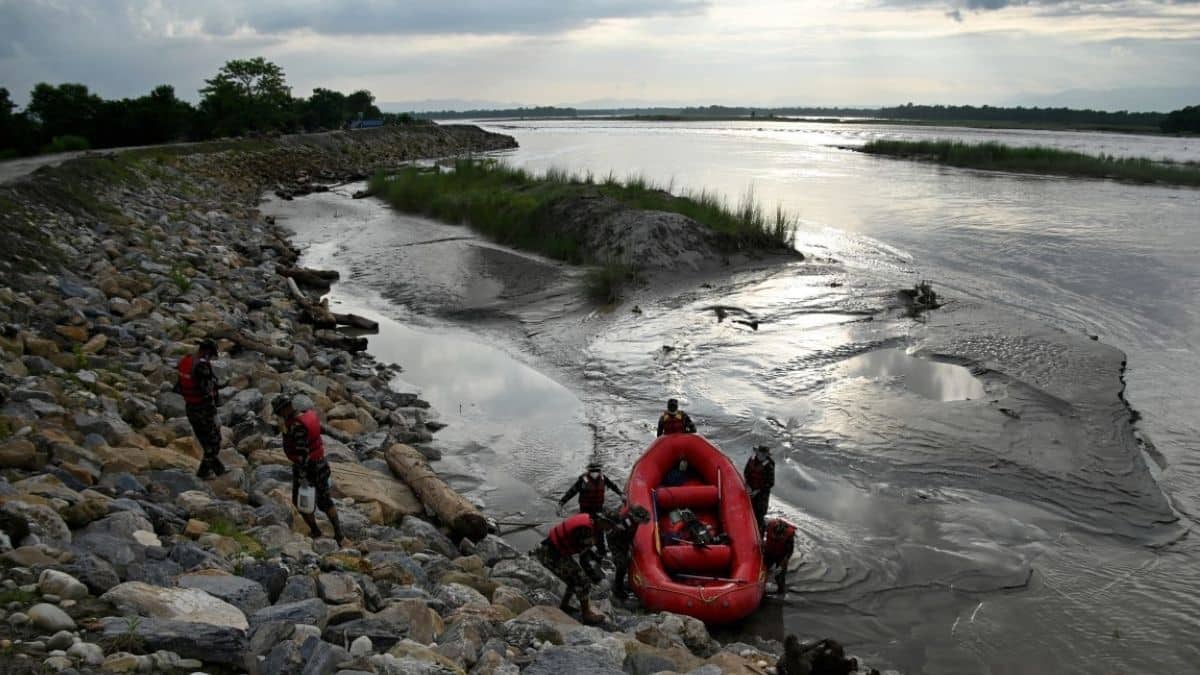
Rescue teams used helicopters, searched rivers and brought injured people to hospitals.
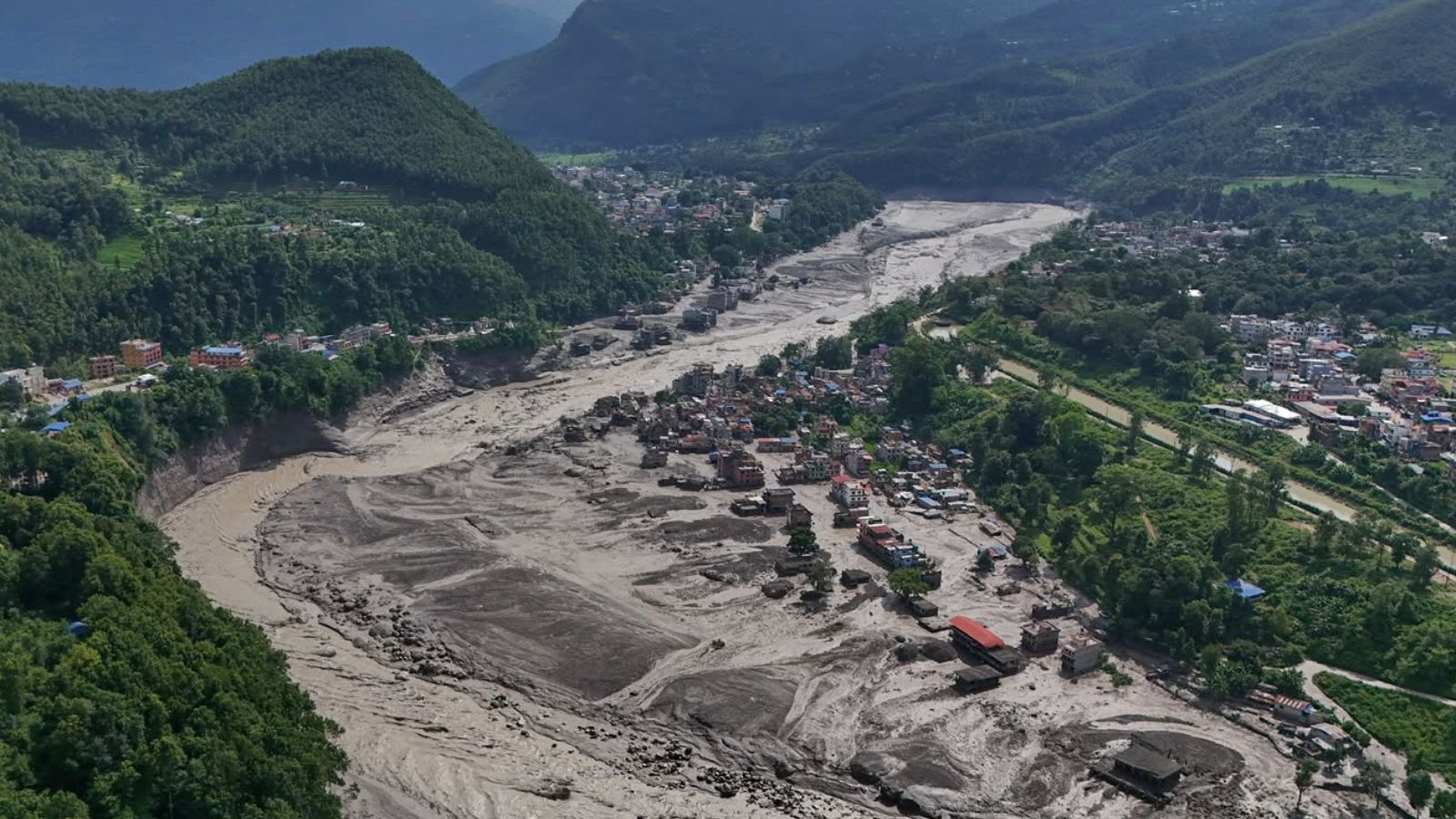
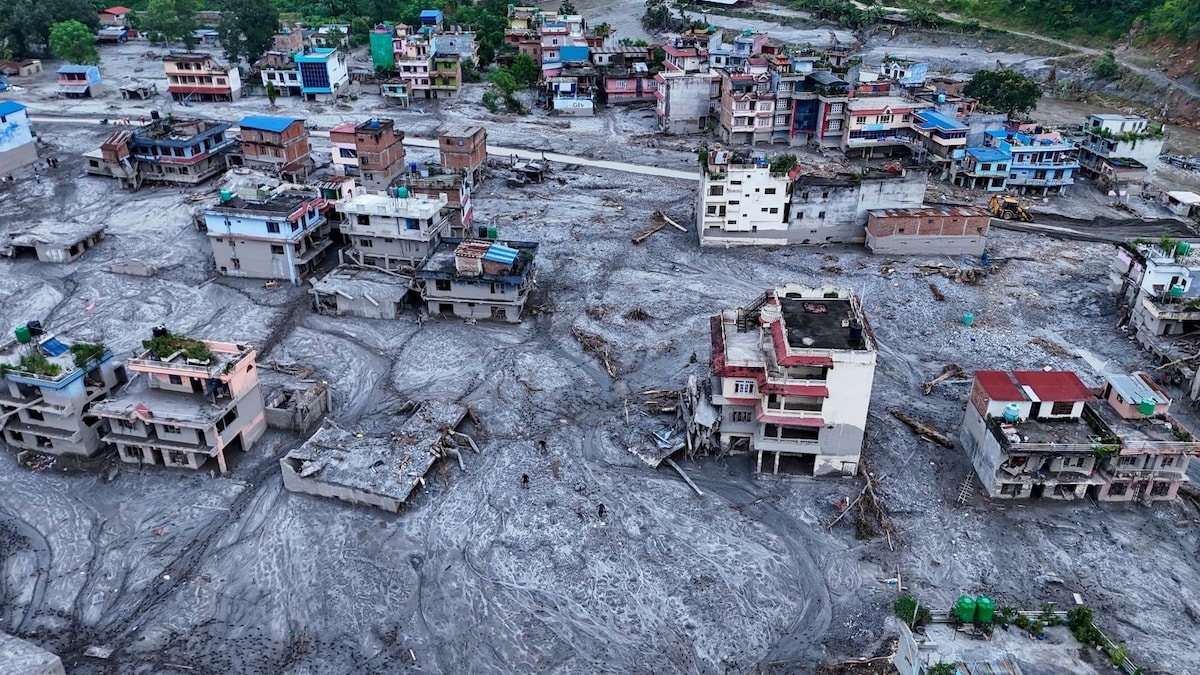
Roads, bridges, villages and a border crossing were badly damaged.
Scientists said a glacier collapse or ice avalanche caused the flood, not an earthquake.
Warmer temperatures may make mountain ice less stable, but scientists said climate change was not necessarily the immediate trigger.
Authorities also feared that blocked or filled lakes could burst and cause another flood.

Reports gave conflicting tolls, ranging from 162 to 359 deaths and hundreds to more than 1,300 missing.
A glacier or high-altitude ice avalanche sent water, rock, mud and debris through communities along the Nepal-China border.
Nepalese rescuers used helicopters to find survivors, deliver supplies and evacuate more than 100 people.
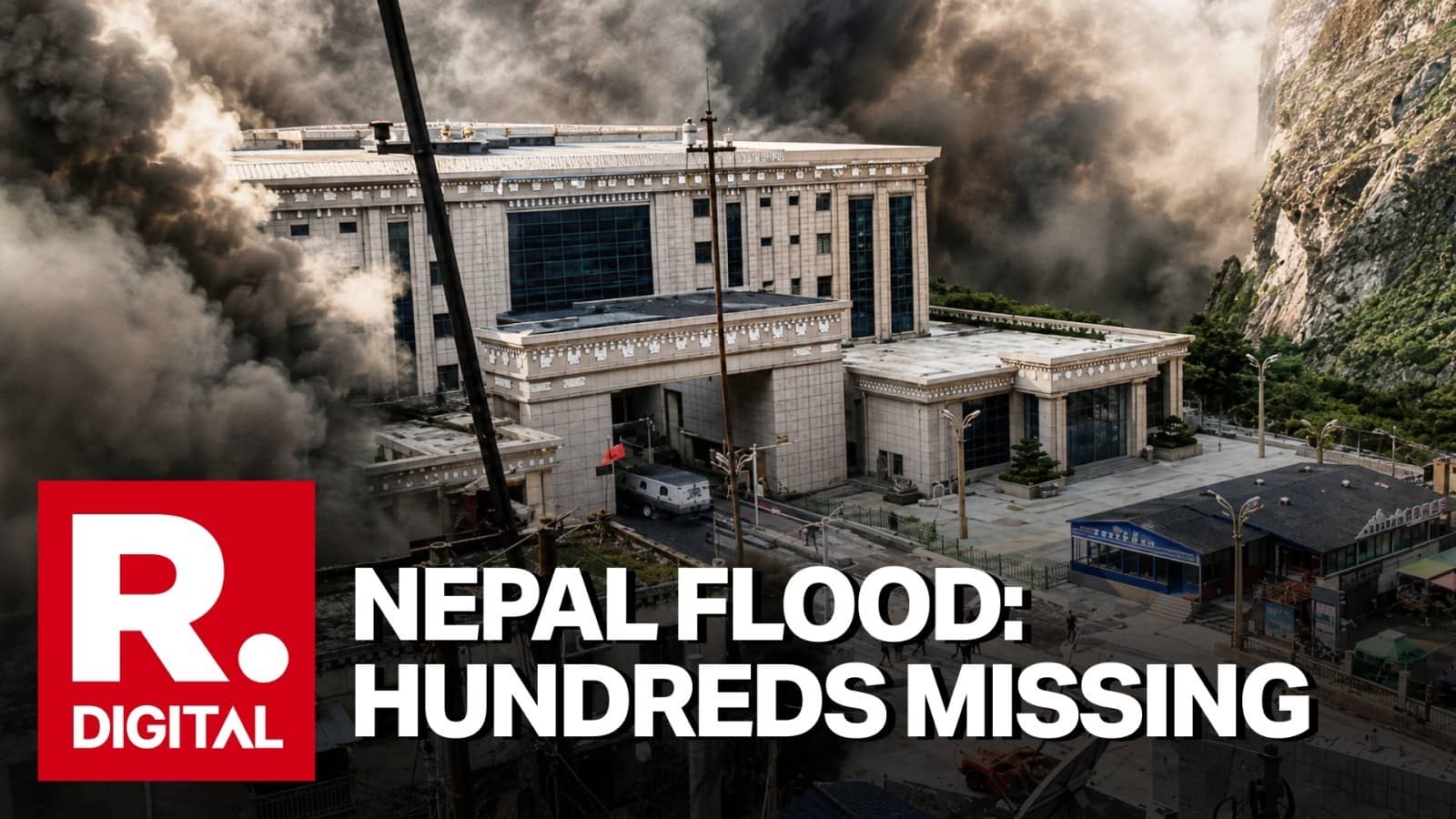
The floods destroyed villages, roads, bridges and the Gyirong border-crossing complex, while bodies were recovered downstream.
Officials warned that debris-blocked and dammed lakes on both sides of the border could trigger further flooding.
- Who
- Residents, tourists, pilgrims and workers in Nepal and Tibet were affected; Nepalese and Chinese rescue teams searched for survivors.
- What
- A sudden glacier-related flood and mudslide killed people, left hundreds to more than 1,300 missing according to differing reports, displaced residents and damaged infrastructure.
- Where
- The Nepal-China border region, including Nepal’s Nuwakot and Trishuli River areas and Tibet’s Gyirong County and port.
- When
- The disaster struck on Wednesday, August 26, 2026; rescue and relief operations continued on Thursday, August 27.
- Why
- The U.S. Geological Survey and mountain experts attributed the event to a glacier collapse or high-altitude ice avalanche; warming and melting ice may have contributed to instability.
Earlier and Lower Official Counts
Later and Higher Reports
Deaths and missing people
Earlier and Lower Official Counts
AP and one Nepalese update reported 162 to 168 deaths, while Nepal authorities cited 826 missing and China cited 558 missing in Tibet.
Later and Higher Reports
A Reuters report cited at least 359 deaths and nearly 1,000 missing, producing a substantially different toll from the other reports.
What caused the disaster
Earlier and Lower Official Counts
Initial reporting noted a magnitude 4.4 earthquake near the border before the flood and considered whether it triggered the event.
Later and Higher Reports
The U.S. Geological Survey later said the seismic signal came from a magnitude 5.2 glacier collapse, not an earthquake; experts described a likely ice avalanche or glacier collapse.
Climate change’s role
Earlier and Lower Official Counts
Some reports linked warming Himalayan temperatures and faster glacier melting to increased risks of floods, landslides and ice instability.
Later and Higher Reports
Scientists cautioned that climate change should not be described as the sole or immediate trigger, although warming may have helped destabilize mountain ice and rock.
Key facts
- Reported death tolls
- Reports cited totals ranging from 162 to 168 deaths, while a Reuters report cited at least 359 deaths.
- Reported missing people
- Reports ranged from nearly 1,000 to more than 1,300 missing across Nepal and Tibet.
- Nepal figures
- Nepal authorities reported 165 deaths and 826 missing people in one update.
- Tibet figures
- Chinese authorities reported three deaths and 558 missing people in Tibet, including 260 foreign nationals.
- Foreign nationals missing
- Reports said at least 517 missing people in Nepal were foreigners; another report put the total across the disaster at at least 540.
- Rescue operations
- The Nepalese army rescued more than 100 people by helicopter and evacuated at least eight foreign nationals to Kathmandu.
- Infrastructure damage
- Dozens of bridges and nearly 40 kilometers of roads were damaged in Nepal; the Gyirong border complex in Tibet was destroyed.
Quotes
Brig. Gen. Raja Ram Basnet
Spokesperson for the Nepalese army.
“I am totally broken. My sister is very important to me. I really want her to come back. I don’t have anyone but her. I just want her to come back home. I want her to be safe.”
 theprint.in
“Looking at the scale of destruction, it looks bad. The same building where we were for the immigration just a week ago, that entire building is washed away.”
 republicworld.com
Sources
Related news
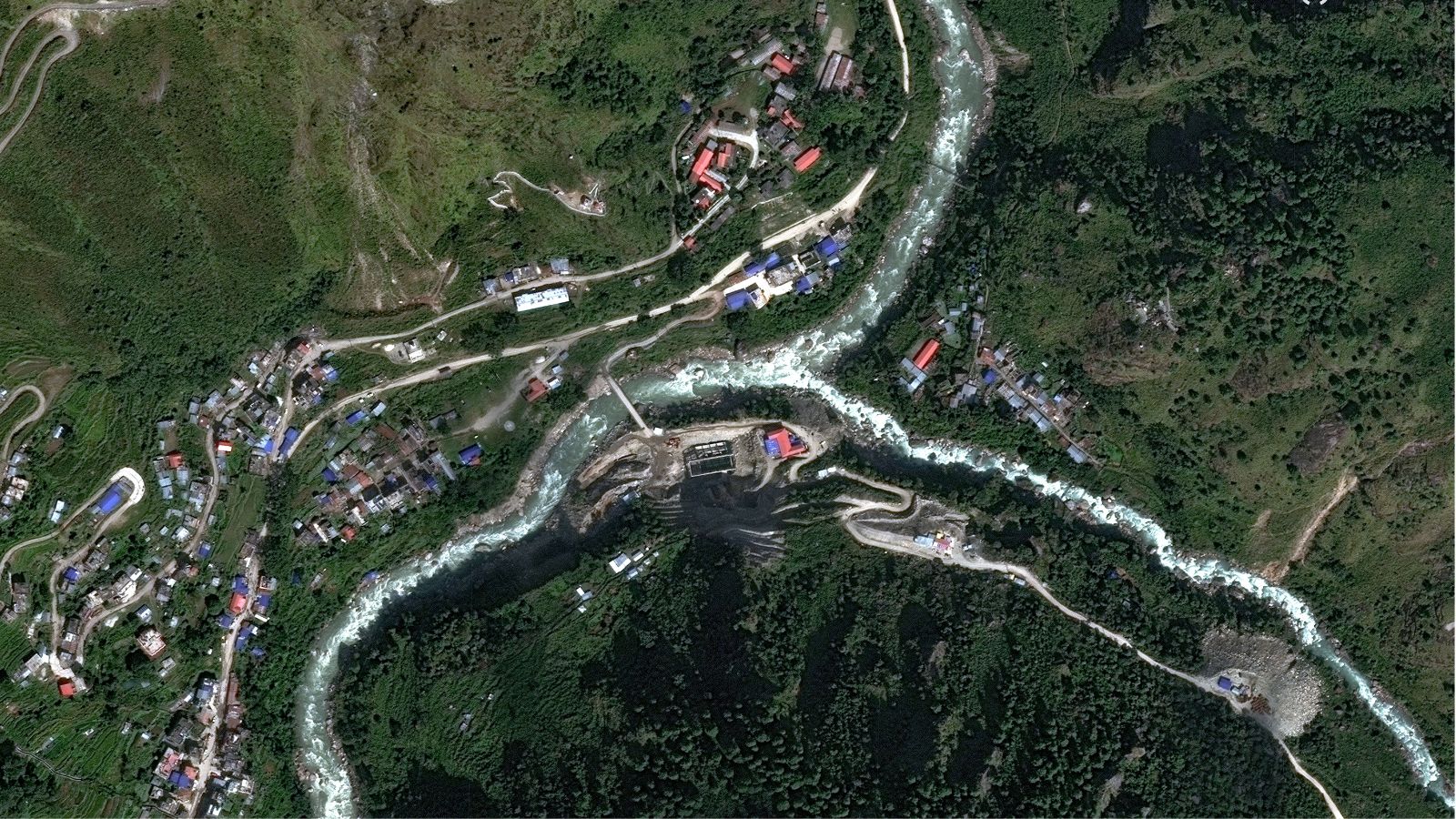
Himalayan Flood Leaves Hundreds Dead, Thousands Missing Across Nepal, China
Himalayan Flash Floods Leave Nearly 1,500 Missing Across Nepal, Tibet
Ice-Rock Landslide Triggers Catastrophic Floods Along Nepal-Tibet Border

Glacial Collapse Floods Nepal and Tibet, Leaving Thousands Missing
China, Nepal Link Glacier Collapse to Deadly Border Floods
Nepal-China Glacier Collapse Leaves Hundreds Dead, Thousands Missing

Nepal Thanks India as Glacial Disaster Rescue Efforts Continue
Nepal Warns of Heavy Rain After Deadly Floods
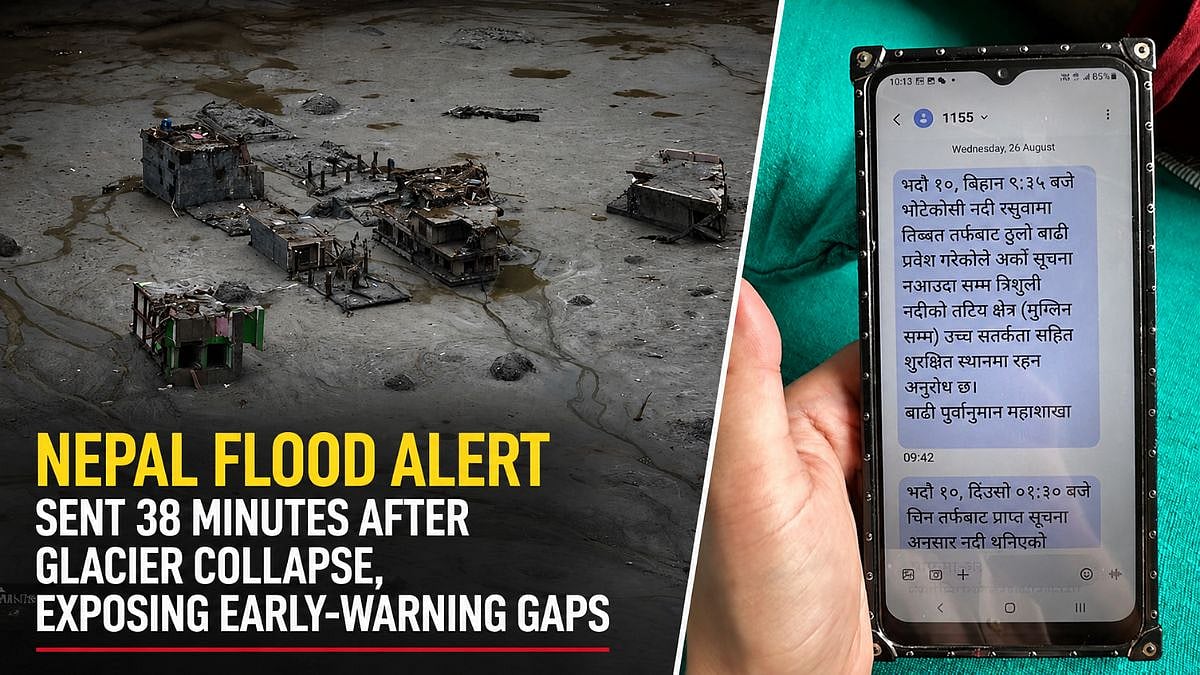
Nepal Flood Exposes Delayed Alerts and Cross-Border Warning Gaps
Bhotekoshi Flood Crisis: Nepal PM Shah Calls for Courage

Nepal PM Thanks India, China Amid Climate Compensation Demand