3 weeks ago
Flood of Silence: State Media Silent Over China Flood Devastation
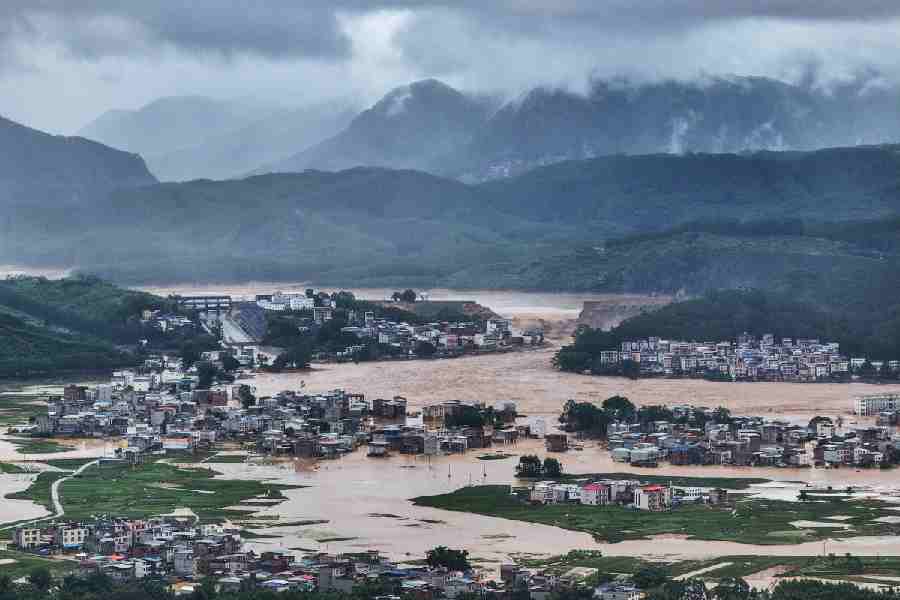
Big storms with very heavy rain hit parts of China and flooded many cities.
Water got into people's homes and even their parking garages and apartments.
News reporters in China were not allowed to tell many of these sad stories.
The government said false stories were causing panic and making rescue work harder.
Two people were punished for sharing information that was not true.
A very old dam broke, and 26 people died.
A man had filmed cracks in the dam one year earlier, but nobody fixed them.
The dam workers could not call for help because phones and internet stopped working.
They were not allowed to open the dam gates without permission from their bosses, so the water got too high and broke the dam.
Now the government says it will investigate what happened.

Typhoons and unprecedented rains triggered severe flooding across parts of China, inundating apartments and underground parking lots.
Chinese state media tightened censorship over flood coverage, citing 'fabrication and dissemination of rumours' that fuelled panic and disrupted rescue operations; two people were punished for posting false news.
Online articles about the floods were taken down, including one questioning a dam breach that killed 26 people and a citizen's earlier video showing cracks in the dam.
The 66-year-old dam, renovated a year earlier for 382.53 million yuan, breached in two places spanning a total of 50 metres; the government announced an inquiry 18 days after the breach.
A dam operator's interview revealed a lack of satellite phones and highly concentrated decision-making that delayed evacuations and the release of water during the emergency.
- Who
- Flood victims in China, dam staff, rescue workers, state media, and netizens questioning the official response
- What
- Typhoon-driven, unprecedented rains caused severe flooding while state media censored coverage, including reporting on a deadly dam breach
- Where
- Parts of China (specific flood locations not named); the article also references Zhengzhou in Henan province for past floods
- When
- Over the last few weeks leading up to the article's publication
- Why
- Authorities cited rumour prevention and panic control to justify censorship; critics demand accountability over ignored dam warnings and the deadly breach
Officials and State Media
Critics and Netizens
Media censorship of flood coverage
Officials and State Media
Restricting flood reporting prevents 'fabrication and dissemination of rumours' that fuel panic and disrupt rescue operations; official coverage focused on heroic rescuers.
Critics and Netizens
Censorship hides the human stories of suffering and removes accountability questions, such as articles about the dam breach and where the renovation money went.
Reporting of the dam breach
Officials and State Media
Authorities denied a 'suspected collapse' and later described the confirmed failures as a 'gap' in the dam.
Critics and Netizens
Netizens ask why a citizen's video of cracks in the dam was ignored and why a substandard 2009 reinforcement was never fixed despite a costly recent renovation.
Lessons from past disasters
Officials and State Media
The government eventually announced an inquiry into the dam breach, indicating an official accountability process is underway.
Critics and Netizens
Netizens ask 'has nothing changed' since the Zhengzhou floods about five years ago, when an official inquiry indicted local authorities, and fear this disaster will also be forgotten.
Key facts
- Event
- Severe flooding across parts of China caused by typhoons and unprecedented rains
- Deaths from dam breach
- 26 people
- Dam age
- 66 years old (built in 1958)
- Renovation cost
- 382.53 million yuan, completed about a year before the breach
- Dam breaches
- Two breaches spanning a total of 50 metres
- People punished for posting false news
- 2
- Government inquiry announced
- 18 days after the dam breach
- Earlier Zhengzhou flood (5 years prior)
- About 300 deaths, including 14 inside an underground train
Quotes
Dam operator interview
Interviewed operator of the breached dam
“"It was built in 1958, nine years after China became a republic."”
 telegraphindia.com
“"A gap appeared," the reports said."”
telegraphindia.com
State media
Official Chinese media citing censorship reasons
“"Fabrication and dissemination of rumours …fuelling panic and disrupting rescue operations."”
telegraphindia.com
Sources
Related news
Nepal-Tibet Floods Fuel Fight Over China’s Media Narrative
Floods in Tibet Raise Questions About China’s Information Controls
HRW Raises Censorship Concerns Over Tibet Flood Coverage
Tibet Nepal Floods Draw Rescue Efforts and Information Concerns
China’s Information Controls Obscure Tibet Flood Damage Assessment
Glacier Collapse Floods Tibet and Nepal, Raising Questions About China

R Madhavan Recalls Wife's Reaction to His Shirtless Photos

Durga Puja Souvenir Awards Honour Writers Across Seven Categories
Modi's 'Dimaagi Naxal' remark sparks political row over dissent

Abir Mukherjee's 'The Pinnacle' explores Indian society through crime fiction

Frozen 3: Anna and Kristoff wed as Olaf finds love