4 days ago
Floods in Tibet Raise Questions About China’s Information Controls
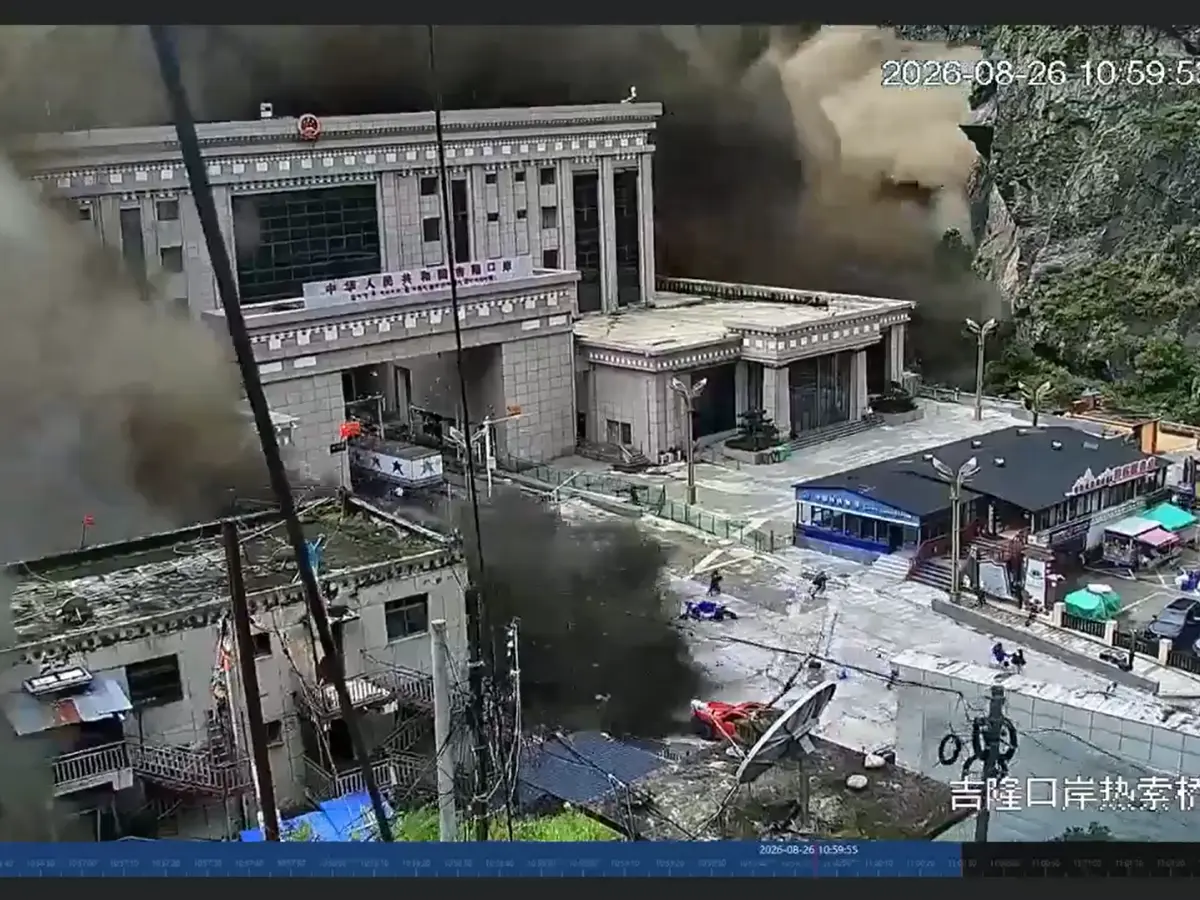
Severe floods struck areas around Tibet and Nepal.
A video shows a huge wave of mud and water rushing through Gyirong Port.
People in the video run away to stay safe.
Nepal reported 626 deaths, while Xinhua reported seven deaths and 554 missing in Tibet.
The article says this difference has raised questions about the numbers.
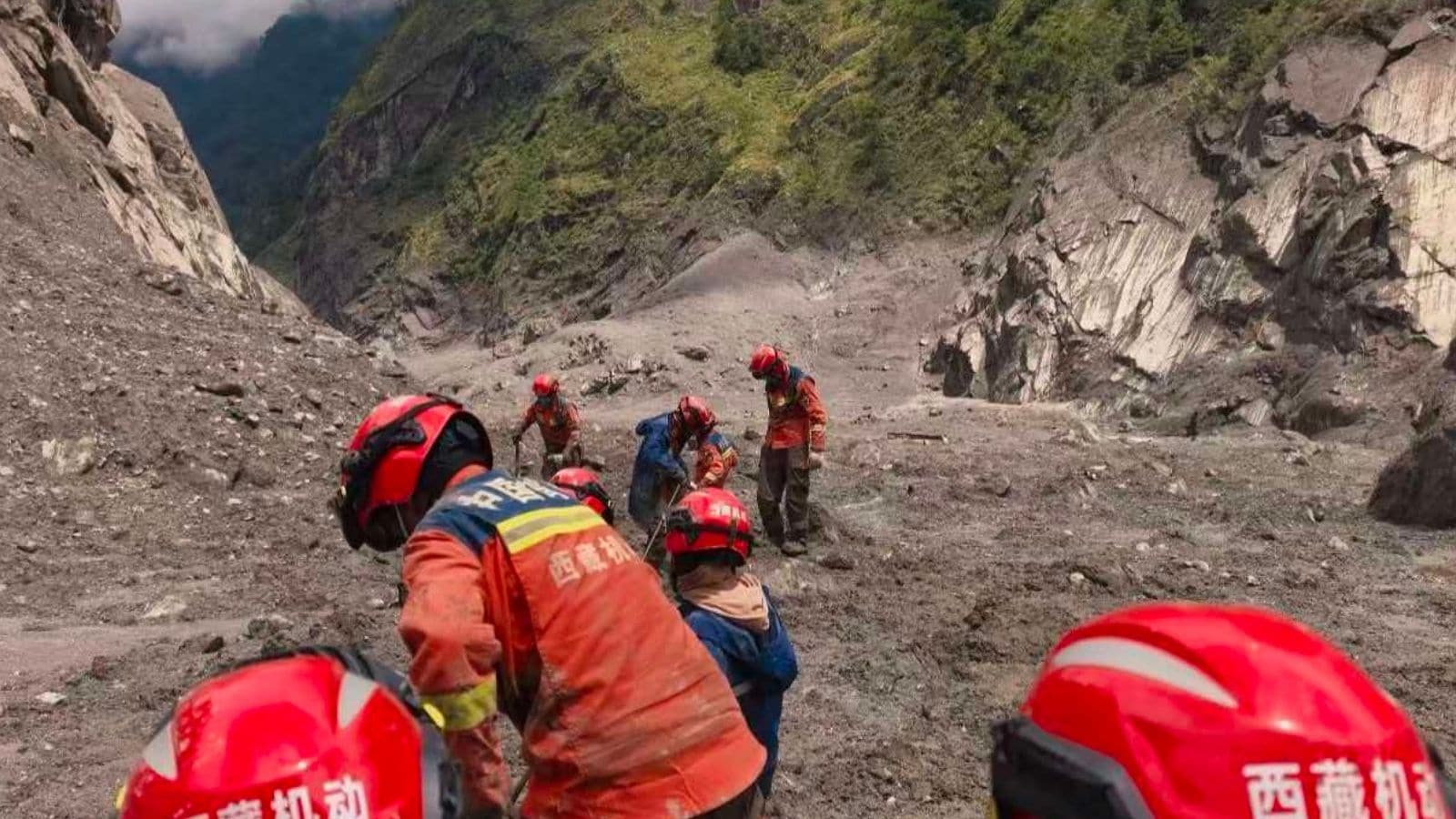
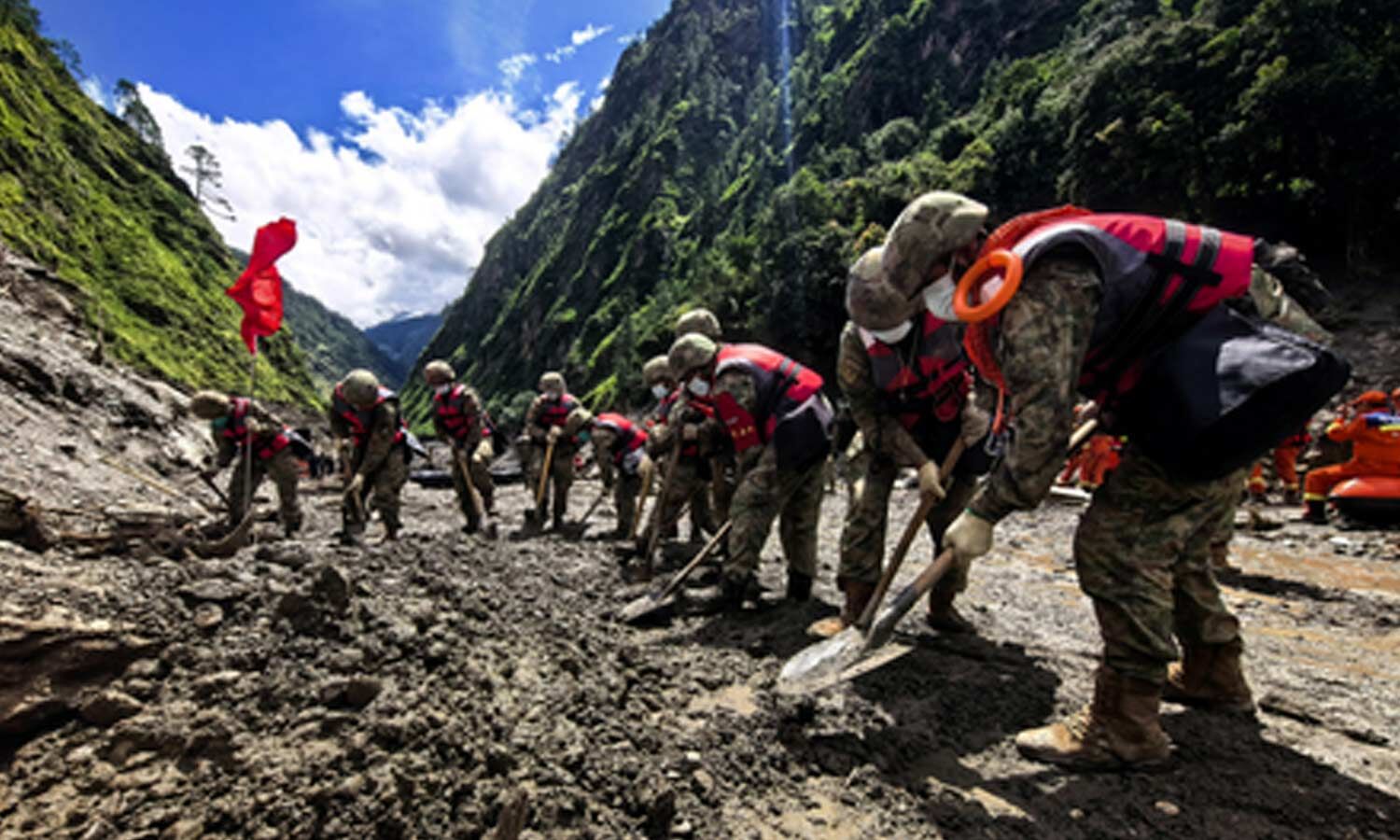
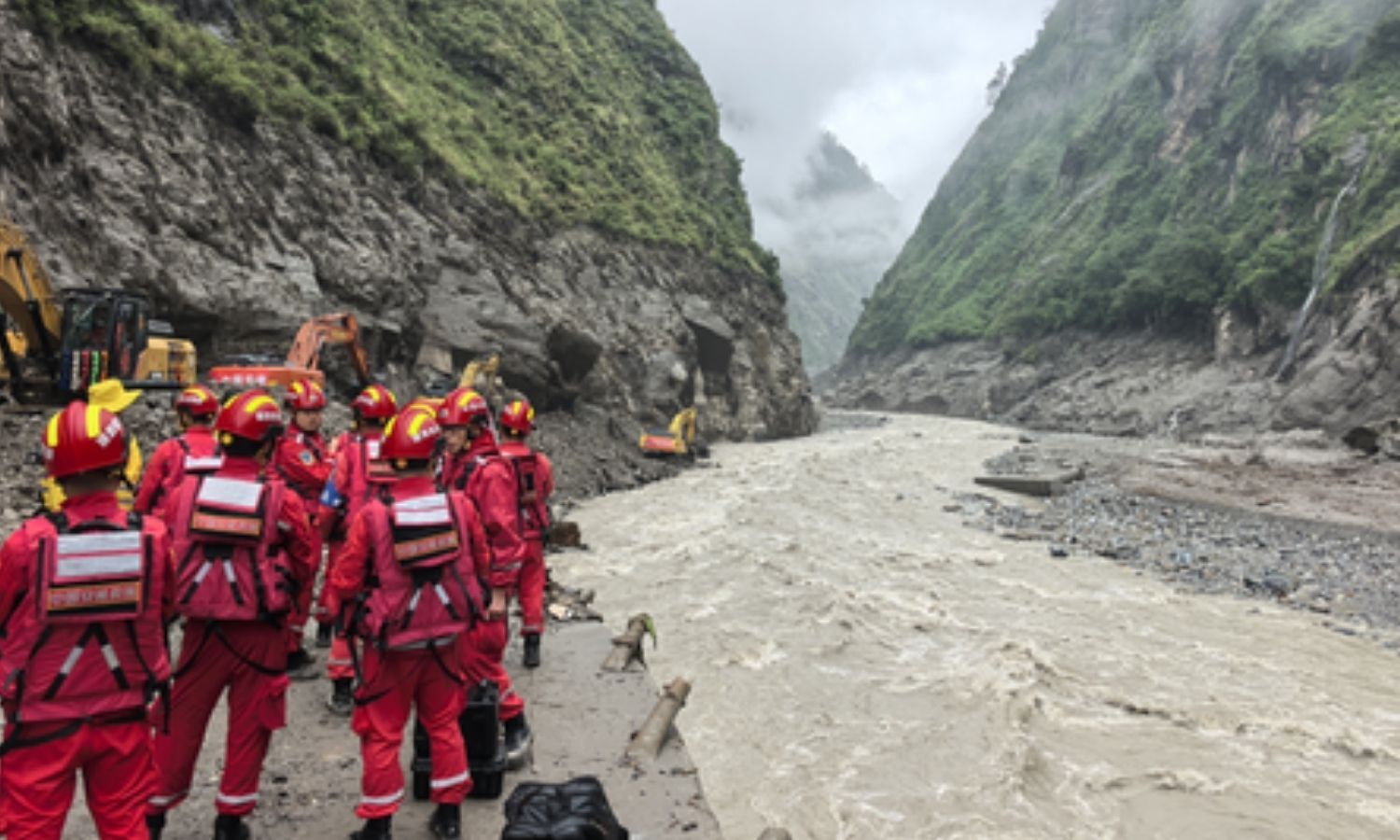
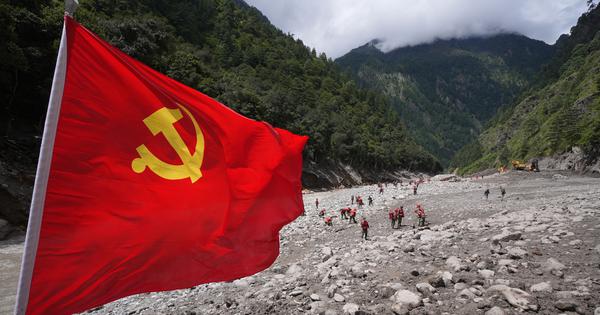
China says it has sent many emergency workers to help.
Chinese media has shown some rescue work and warned about another possible flood.
However, reporters and families have had difficulty finding independent information from Tibet.
Critics say videos and personal accounts may have been removed from Chinese social media.

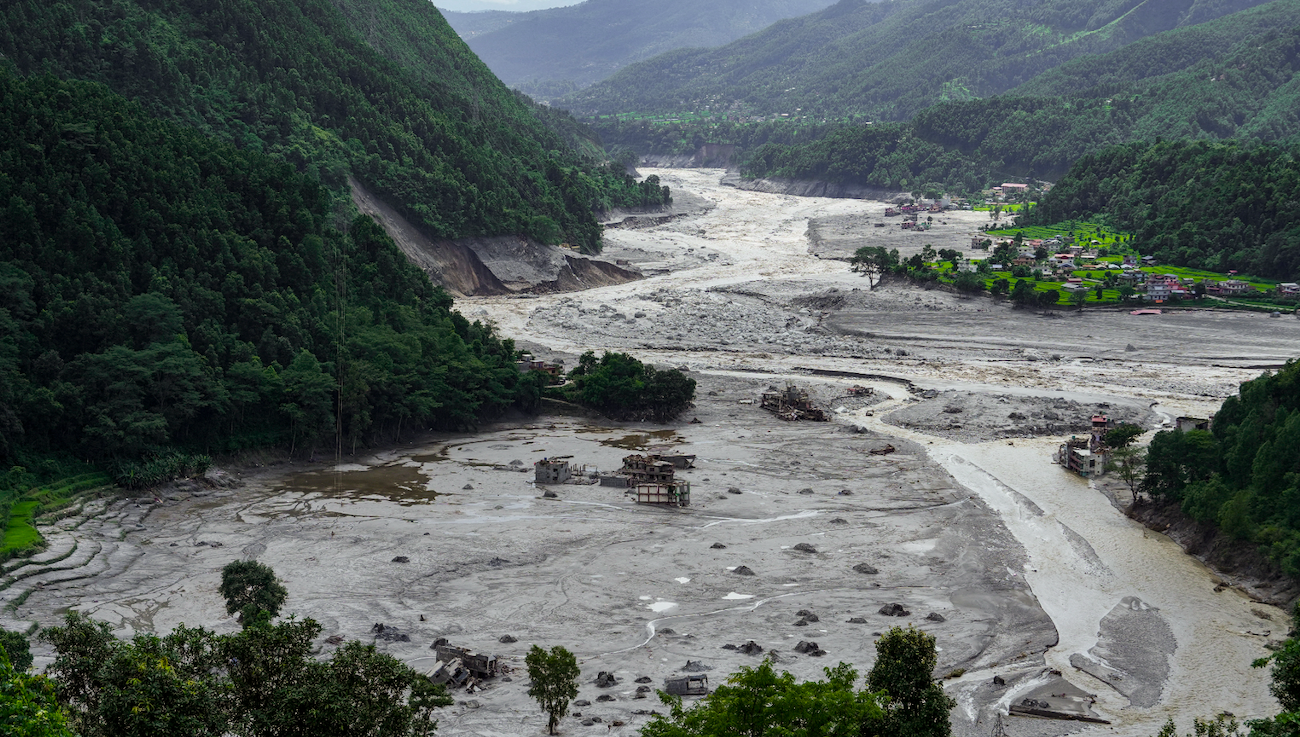
Video shows floodwaters and mud sweeping through Gyirong Port as people flee and structures are destroyed.
Nepal reported 626 deaths, while Xinhua reported seven deaths and 554 missing in Tibet; the article questions the disparity.
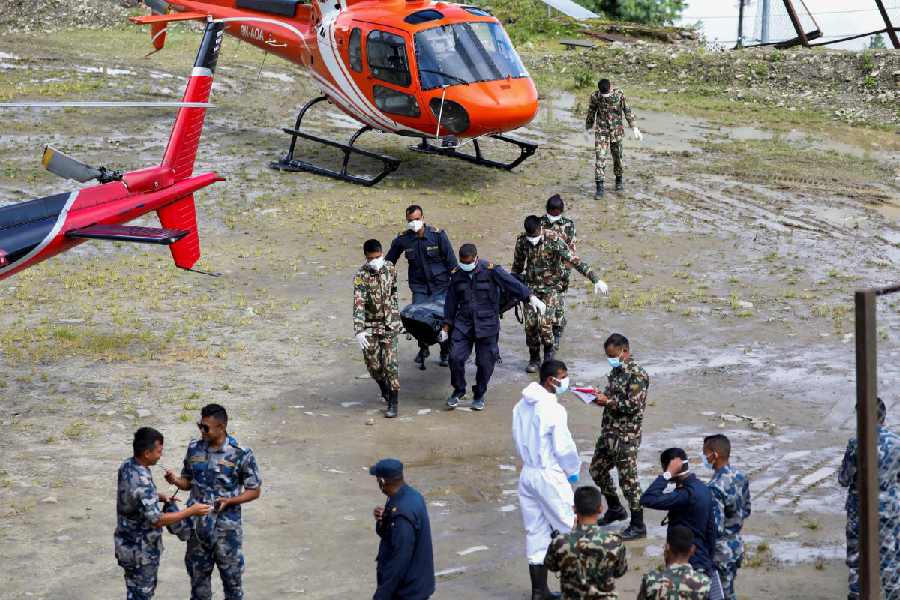
China has deployed hundreds of emergency workers, and Xi Jinping chaired a meeting on the response.
Chinese state media has published rescue updates but reportedly only one still image of the flooding.
The BBC and the International Campaign for Tibet said independent footage and firsthand accounts were difficult to find or had been removed online.
- Who
- Residents, rescuers, Chinese authorities, Nepalese officials, the BBC, and the International Campaign for Tibet are involved or quoted.
- What
- Flooding devastated areas near Gyirong Port, while differing casualty figures and limited access to footage raised concerns about information controls.
- Where
- Gyirong Port in Tibet, China, near Rasuwa, Nepal, and other affected areas across the border.
- When
- The report says the flooding occurred days before Nepal raised its death toll to 626 and that the figures were reported on a Saturday.
- Why
- The disaster caused deaths, disappearances, and destruction; limited independent reporting has prompted questions about China’s handling of information about Tibet.
Censorship concerns
Official response and stability
Availability of flood footage
Censorship concerns
The BBC reported that the video and detailed firsthand accounts were difficult to find on China’s controlled internet, while the International Campaign for Tibet said authorities were removing videos and accounts.
Official response and stability
Chinese state media has reported on rescue teams, dangerous conditions, and the broader emergency response, although the report says it showed only one still image of the flooding.
Casualty figures
Censorship concerns
The article says the seven deaths reported for Tibet appear doubtful given the destruction shown and contrasts them with Nepal’s reported toll of 626.
Official response and stability
Xinhua reported seven deaths and 554 missing in Tibet; the article does not provide a different confirmed Tibetan death toll.
Government priorities
Censorship concerns
Critics view the limited independent information and instructions to maintain order and public confidence as signs that authorities are tightly managing the narrative.
Official response and stability
Chinese authorities emphasize rescue operations, social order, public confidence, and accountability while responding to the disaster.
Key facts
- Nepal reported deaths
- 626
- Tibet deaths reported by Xinhua
- 7
- People reported missing in Tibet by Xinhua
- 554
- Flood location shown in video
- Gyirong Port
- Rescue response
- Hundreds of emergency workers were deployed in the affected region.
- Additional risk
- Officials warned that a debris-created barrier lake could overflow and cause further flooding.
- Information access
- Foreign journalists require government permission to access Tibet.
Quotes
Chinese Communist Party directive
Instruction reportedly issued to party members responding to the floods
“make every effort to maintain social order and ensure stability and public confidence in the disaster areas”
 wionews.com
Sources
Related news
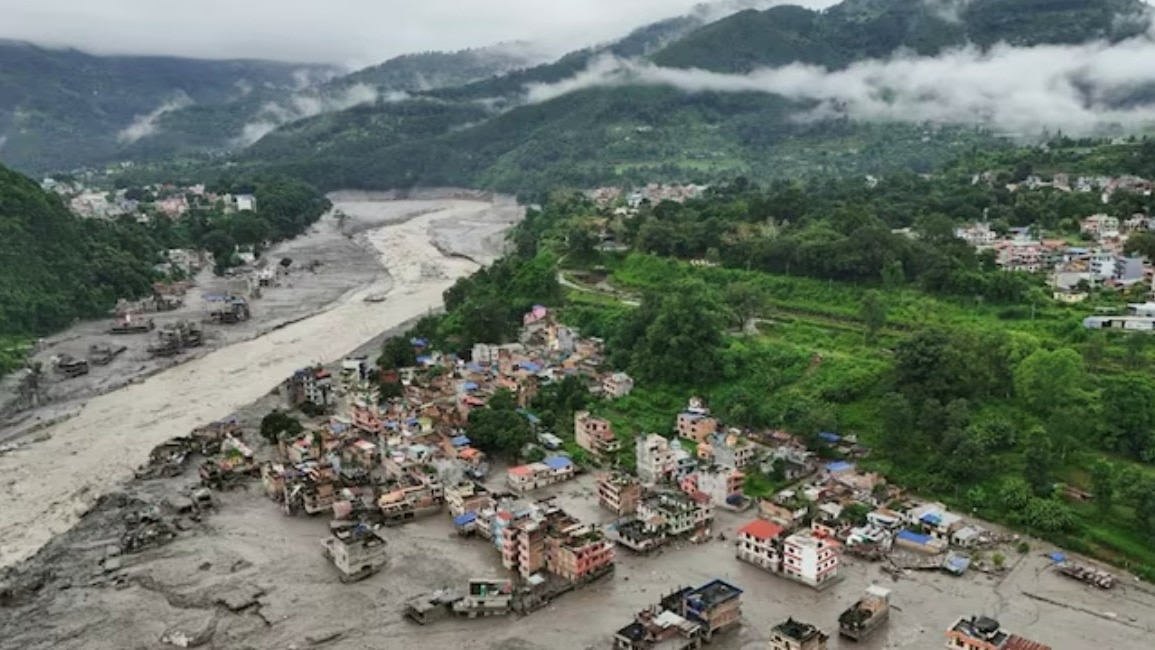
Tibet Nepal Floods Draw Rescue Efforts and Information Concerns
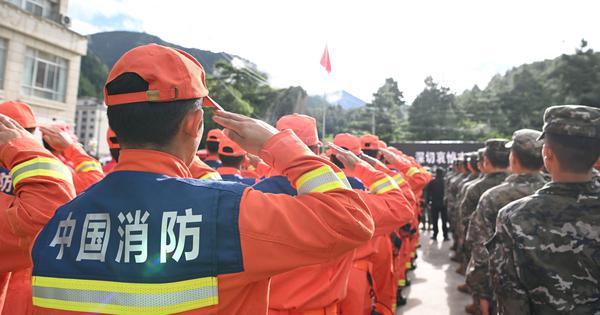
Nepal-Tibet Floods Fuel Fight Over China’s Media Narrative
China’s Information Controls Obscure Tibet Flood Damage Assessment
HRW Raises Censorship Concerns Over Tibet Flood Coverage
Glacier Collapse Floods Tibet and Nepal, Raising Questions About China
Tibetan Plateau Flood Exposes Gaps in Cross-Border Safety Cooperation
Kailash Flood Tragedy Puts Sadhguru’s Safety Claims Under Fire

Nepal Flood Death Toll Tops 1,200 as Searches Continue
Satellite Radar May Strengthen Nepal's Flood Warning Systems
Nepal Plans New Landslide Warning System Along China Border

Nepal Thanks India as Glacial Disaster Rescue Efforts Continue