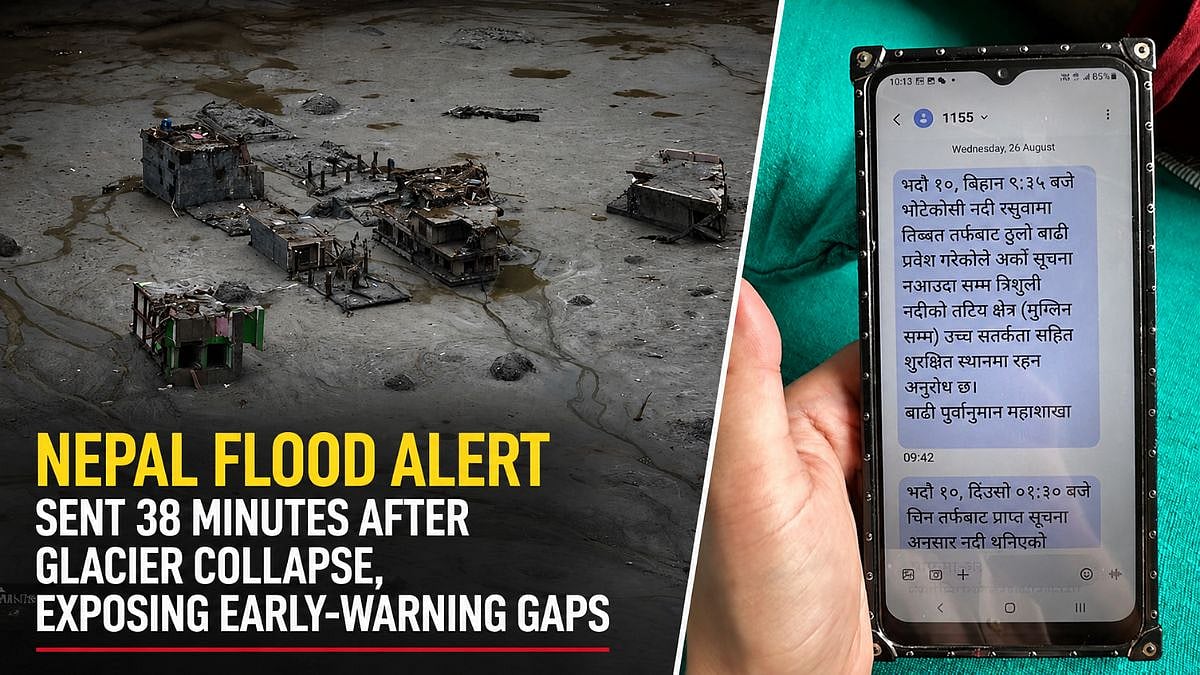
4 days ago
Glacier Collapse Floods Tibet and Nepal, Raising Questions About China
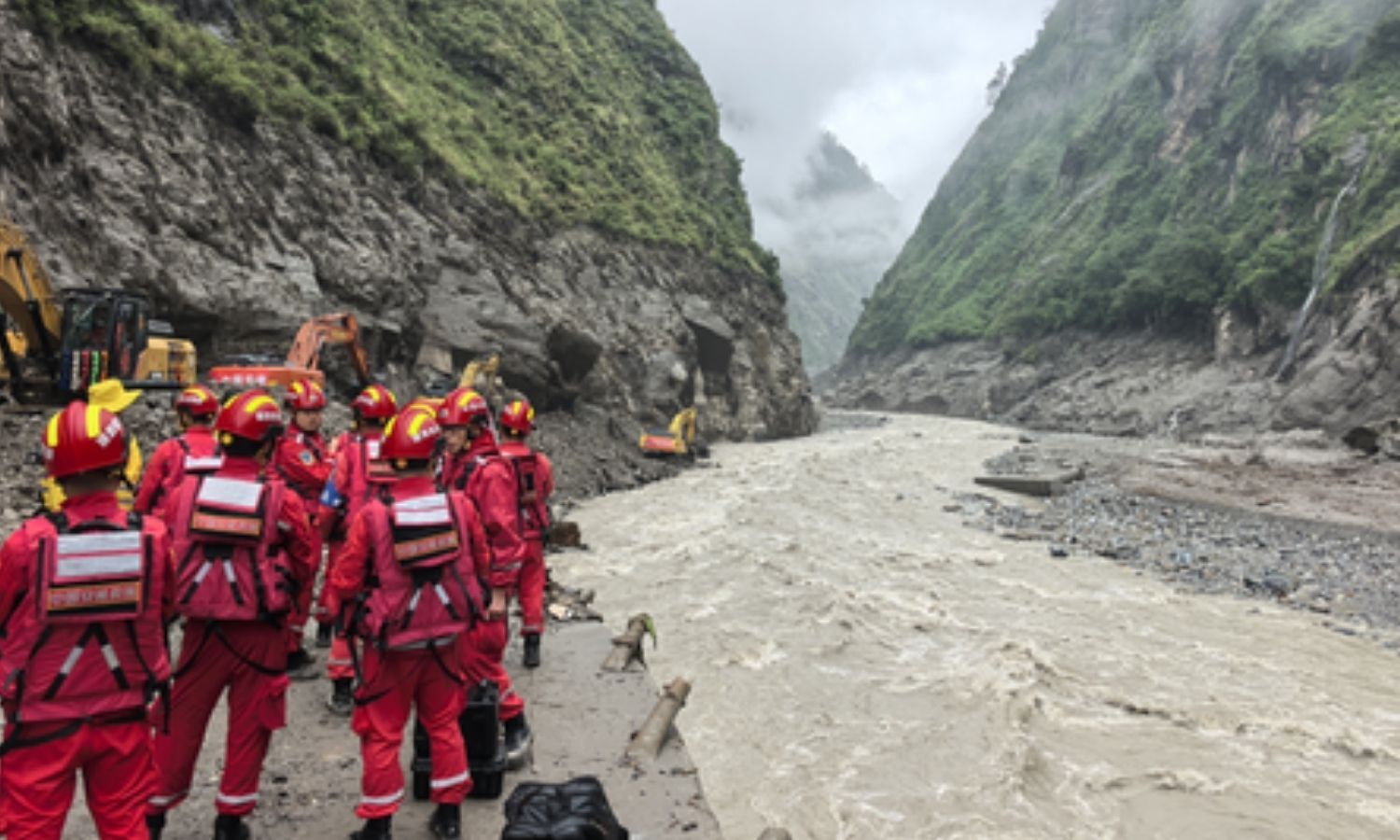
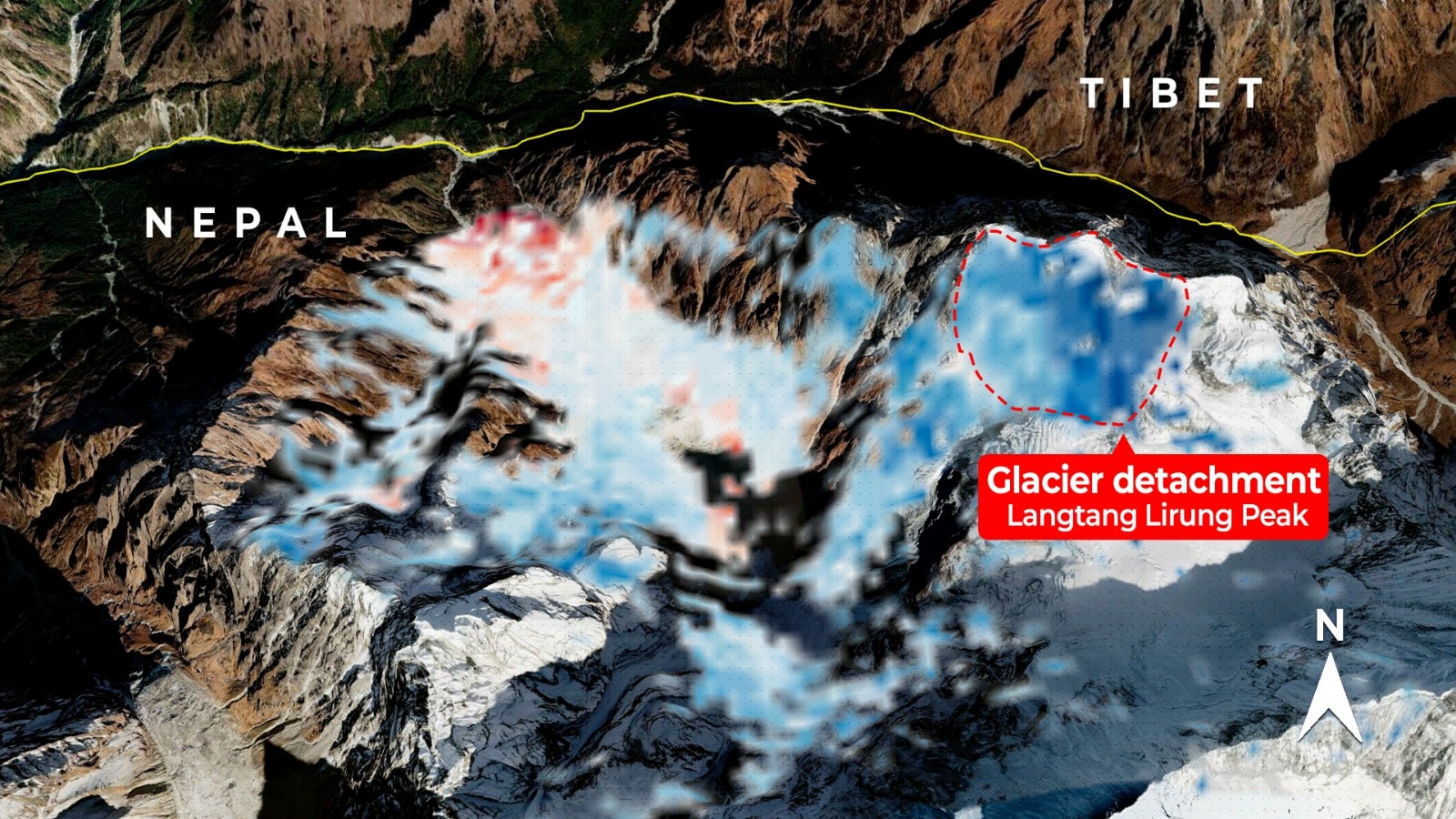
A large piece of ice reportedly broke away near Langtang Lirung in the Himalayas.
It fell more than two kilometres and caused powerful floods.
The floods affected villages in Tibet and Nepal.
The falling ice shook the ground like a magnitude-5.2 earthquake.
A report said Chinese authorities did not openly share information about the disaster in Tibet.
That could make it harder for people to receive warnings or find missing family members.
The report also said Himalayan glaciers are being affected by warming temperatures.
Rivers crossing borders can carry flood dangers from one country to another.
The article presented the disaster as both an environmental emergency and a political controversy.

A glacier collapse near Langtang Lirung reportedly triggered flash floods across villages in Tibet and Nepal.
The ice avalanche released seismic energy equivalent to a magnitude-5.2 earthquake, according to the report.
Khedroob Thondup accused Chinese authorities of suppressing information about the disaster inside Tibet.
The report said the lack of communication hindered warnings, relief coordination and information about missing relatives.
It linked the event to rising Himalayan temperatures, glacier instability and concerns about cross-border risks.
- Who
- Villagers and border communities in Tibet and Nepal were affected; Khedroob Thondup made the allegations about Chinese authorities.
- What
- A glacier collapse near Langtang Lirung reportedly caused an ice avalanche and flash floods.
- Where
- Along the Nepal–Tibet border and in downstream villages in Tibet and Nepal.
- When
- Why
- The report attributed the disaster to glacier instability amid Himalayan warming and said information was suppressed to protect China’s political image and avoid diplomatic embarrassment.
Key facts
- Location
- Langtang Lirung and villages along the Nepal–Tibet border
- Reported trigger
- A glacier sheared away and fell more than two kilometres into a valley
- Seismic force
- The avalanche reportedly released energy equivalent to a magnitude-5.2 earthquake
- Reported impact
- Flash floods tore through villages, reshaping valleys and causing deaths in Nepal, according to the article
- Information dispute
- Khedroob Thondup alleged that Chinese authorities suppressed official information from inside Tibet
- Climate context
- The report said the Himalayas are warming faster than the global average and that glaciers are retreating and destabilizing
- Cross-border concern
- The article said rivers from Tibet carry risks into Nepal, India and Bangladesh
Quotes
Khedroob Thondup
Nephew of the Dalai Lama and author cited by the article
“When a glacier high above the Langtang Lirung peak sheared away and plummeted more than two kilometres into the valley below, the earth itself shuddered. The ice avalanche released seismic energy equivalent to a 5.2 magnitude earthquake, unleashing flash floods that tore through villages along the Nepal–Tibet border. Yet inside Tibet, the catastrophe exists only in whispers.”
 thehansindia.com
“Beijing’s censors have ensured that no official bulletin, no local report, no acknowledgment of the devastation has reached the public. This silence is not accidental. It is policy.”
thehansindia.com
European Times report
Publication report cited in the article
“The glacier collapse near Langtang Lirung fits a broader pattern; disasters are treated as threats to political legitimacy, not as emergencies demanding transparency. By controlling the narrative, the authorities hope to control reality itself. But the rivers flowing from Tibet into Nepal, India, and Bangladesh cannot be censored. They carry the truth downstream.”
thehansindia.com
Sources
Related news
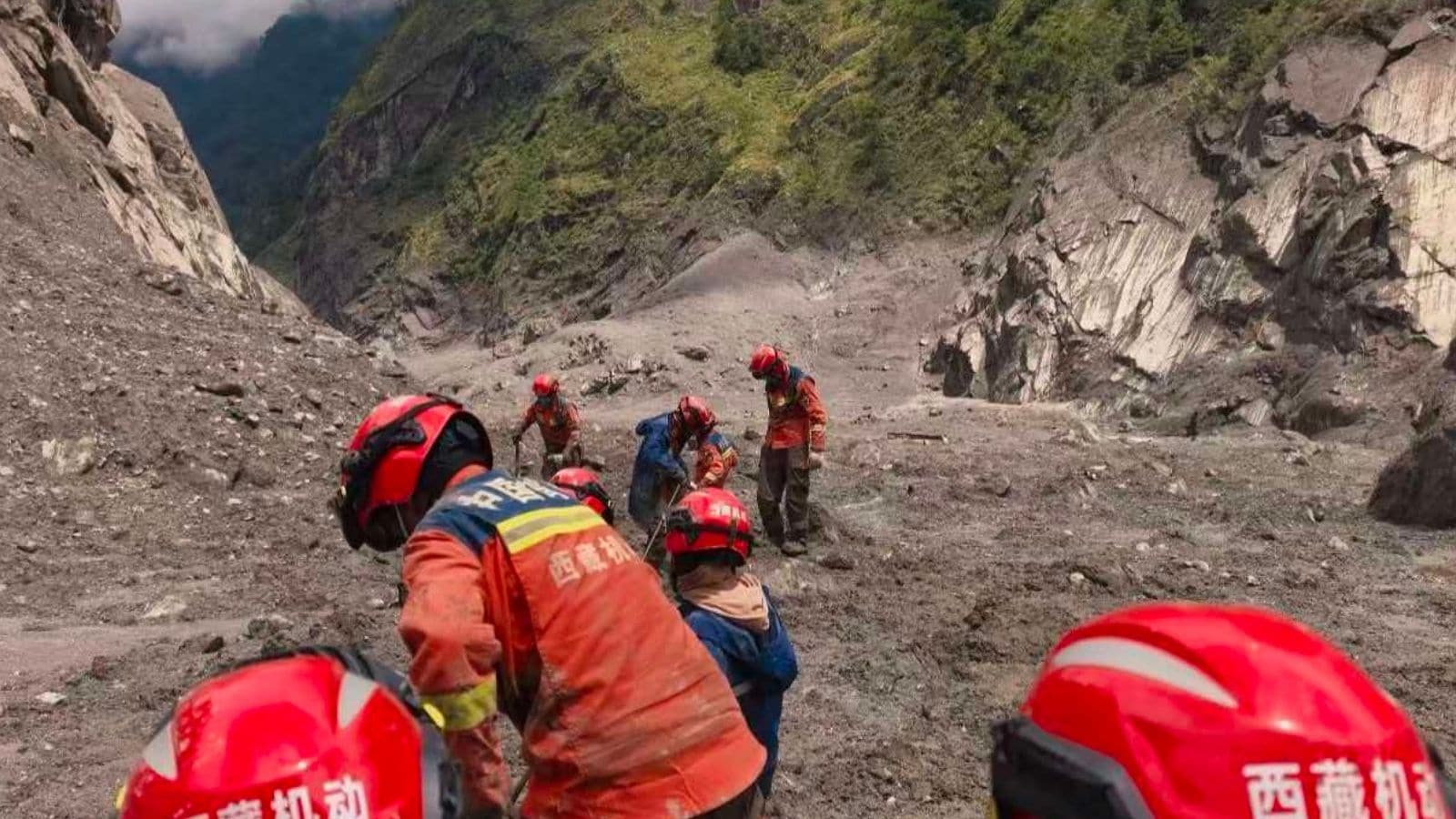
China’s Information Controls Obscure Tibet Flood Damage Assessment
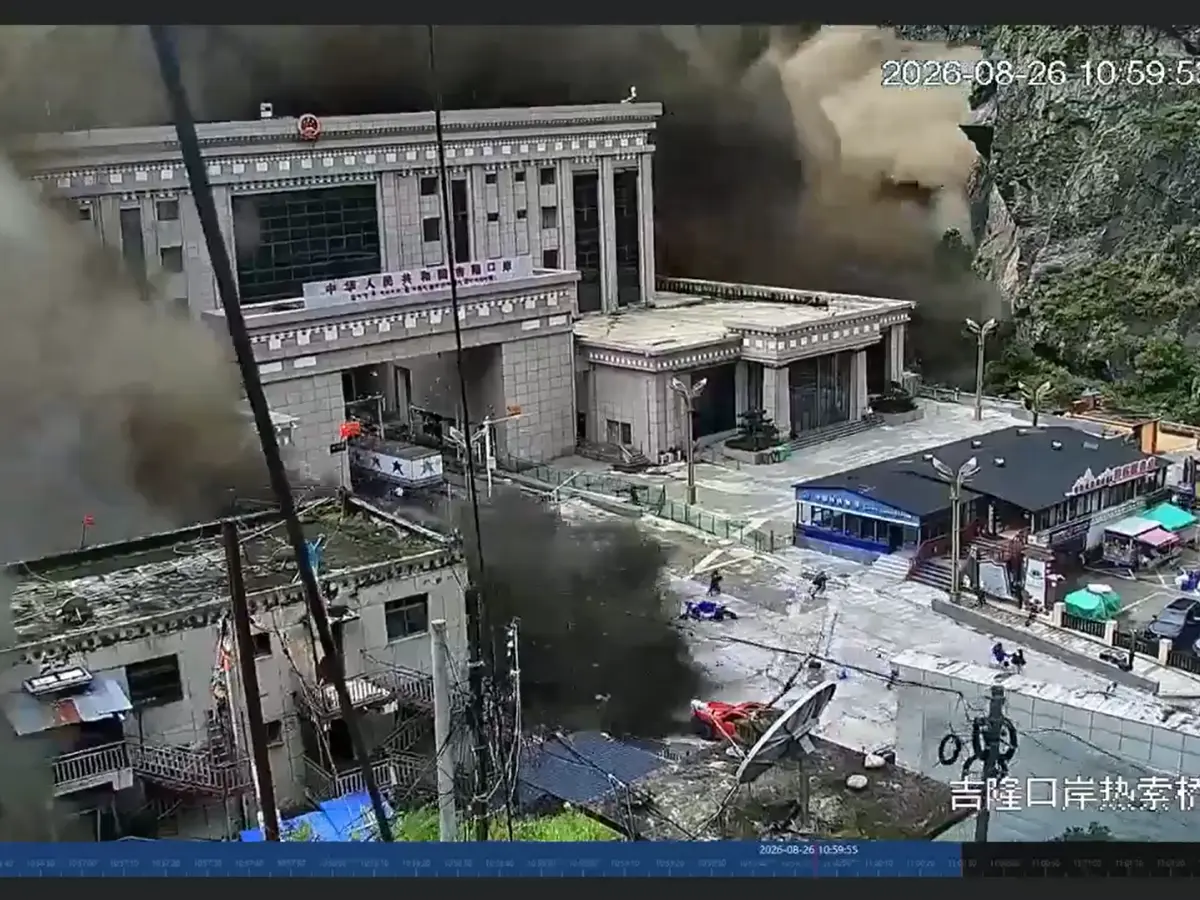
Floods in Tibet Raise Questions About China’s Information Controls
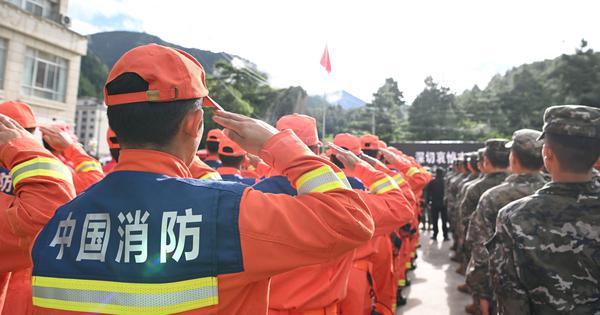
Nepal-Tibet Floods Fuel Fight Over China’s Media Narrative
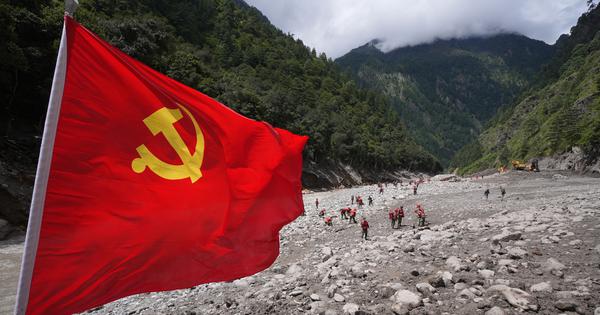
Tibetan Plateau Flood Exposes Gaps in Cross-Border Safety Cooperation
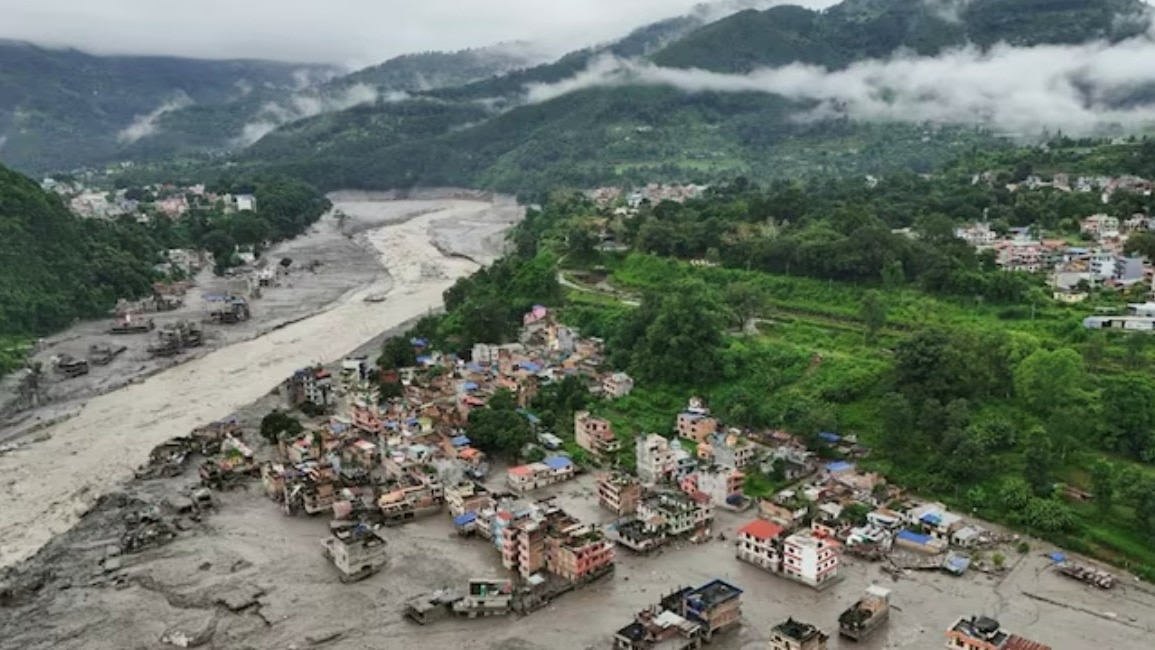
Tibet Nepal Floods Draw Rescue Efforts and Information Concerns
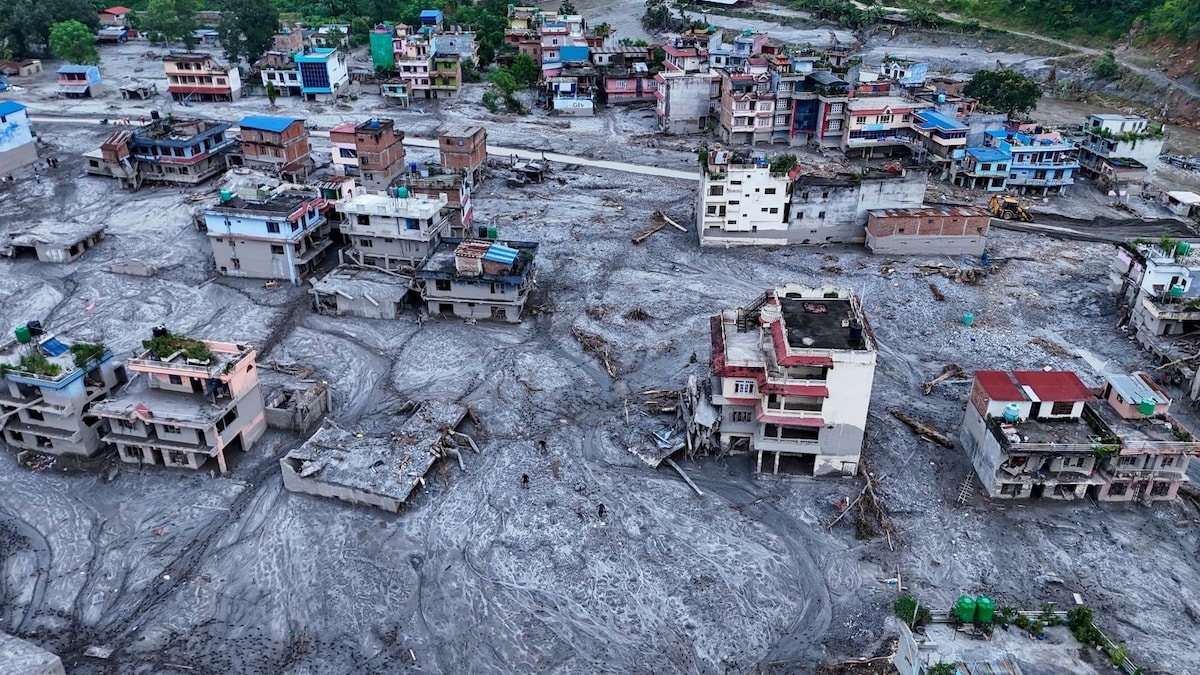
China, Nepal Link Glacier Collapse to Deadly Border Floods

Nepal Flood Death Toll Tops 1,200 as Searches Continue
Satellite Radar May Strengthen Nepal's Flood Warning Systems
Nepal Plans New Landslide Warning System Along China Border

Nepal Thanks India as Glacial Disaster Rescue Efforts Continue
Nepal Warns of Heavy Rain After Deadly Floods