2 weeks ago
Modi's 'Dimaagi Naxal' remark sparks political row over dissent
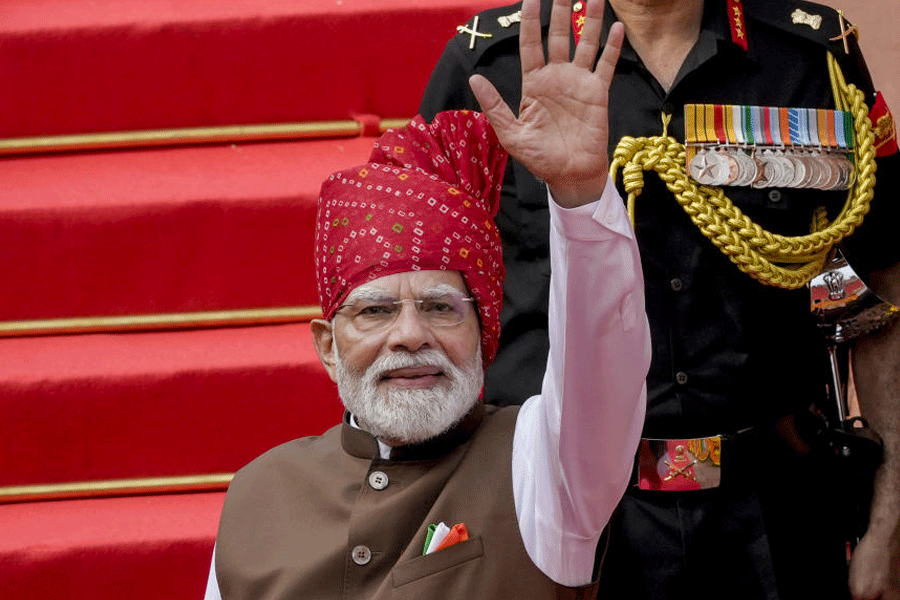
Every year, India celebrates the day it became free, called Independence Day.
The leader of India, Prime Minister Narendra Modi, gave a big speech on this special day.
In his speech, he talked about people he called 'dimaagi Naxals,' which means 'brain Naxals.'
Naxals are people who use violence to fight the government.
Mr Modi said these 'brain Naxals' are a big danger to the country.
Some other leaders, like Mr Chidambaram and Mr Kejriwal, were upset.
They said Mr Modi was calling people who disagree with him bad names.
Another minister, Mr Rijiju, said the word only means people who support the violent Naxals and want to hurt India.
The newspaper that wrote this story thinks both sides made a big deal out of nothing.
It also says the government should pay more attention to problems like students not getting jobs and things being expensive.

PM Narendra Modi identified 'dimaagi Naxals' (ideological Naxals) as a potent threat during India's 80th Independence Day speech.
Opposition leaders P. Chidambaram and Arvind Kejriwal embraced the label, declaring they wear the mantle of the 'dimaagi Naxal' with pride.
Union parliamentary affairs minister Kiren Rijiju clarified the term refers to those who support Maoists, reject constitutional democracy, and threaten India's territorial sovereignty.
The editorial calls the controversy a 'storm in a teacup,' describing Modi's reference as surprising and the opposition's reaction as puerile.
The editorial urges the government to prioritize students, youth, and middle and working classes facing exam leaks, unemployment, rising prices, and stagnant wages.
- Who
- Prime Minister Narendra Modi, opposition leaders P. Chidambaram and Arvind Kejriwal, and Union minister Kiren Rijiju
- What
- A political controversy over Modi's 'dimaagi Naxal' remark in his Independence Day speech
- Where
- India
- When
- During India's 80th Independence Day celebrations
- Why
- Modi identified ideological supporters of Naxalism as a threat, while the Opposition claimed the label targeted the dissenting public
Opposition and Critics
Government and PM Modi
Meaning of 'Dimaagi Naxal'
Opposition and Critics
The label targets the dissenting public and political opponents who criticize the government.
Government and PM Modi
The term refers only to those who support Maoists, reject constitutional democracy, and threaten India's territorial sovereignty.
Justification of the Controversy
Opposition and Critics
Critics say the remark unfairly brands dissenters as enemies of the nation.
Government and PM Modi
The editorial argues critics jumped the gun and that the reaction was puerile, since law-abiding dissenters are not covered by the term.
Government Priorities
Opposition and Critics
The government should focus on the needs of students, youth, and working classes rather than isolating adversaries.
Government and PM Modi
Isolating those with inimical designs on the nation is an unquestionable necessity for the government.
Key facts
- Event
- India's 80th Independence Day celebrations
- Speaker
- Prime Minister Narendra Modi
- Controversial term
- Dimaagi Naxal (ideological Naxal)
- Clarification by
- Kiren Rijiju, Union parliamentary affairs minister
- Opposition responses
- P. Chidambaram and Arvind Kejriwal embraced the label with pride
- Editorial stance
- Criticizes both sides; calls the row a 'storm in a teacup'
- Other concerns raised
- Exam leaks, unemployment, rising prices, and stagnant wages
Quotes

P. Chidambaram
Veteran Congress leader and former Finance Minister
“the epithet is emblematic of those who support Maoists and reject India’s model of constitutional democracy as well as those who are keen on threatening India’s territorial sovereignty.”
 telegraphindia.com
“he wears the mantle of the dimaagi Naxal with pride.”
telegraphindia.com
Sources
Related news
Opposition leaders hit back at Modi's 'dimagi Naxal' remark
PM Modi Urges Identification, Isolation of 'Dimagi Naxals'
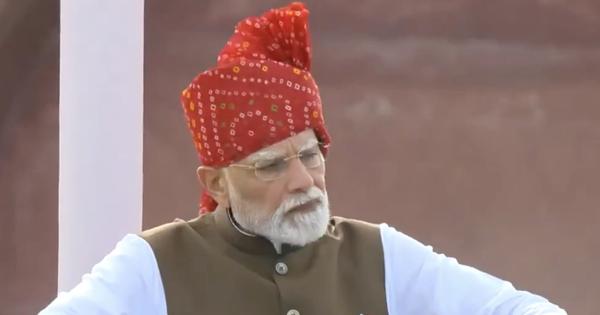
Congress dubs Modi 'master abuser' over 'dimaagi Naxals' remark

Rijiju Clarifies 'Dimagi Naxals' Remark; Chidambaram 'Proud To Be One'
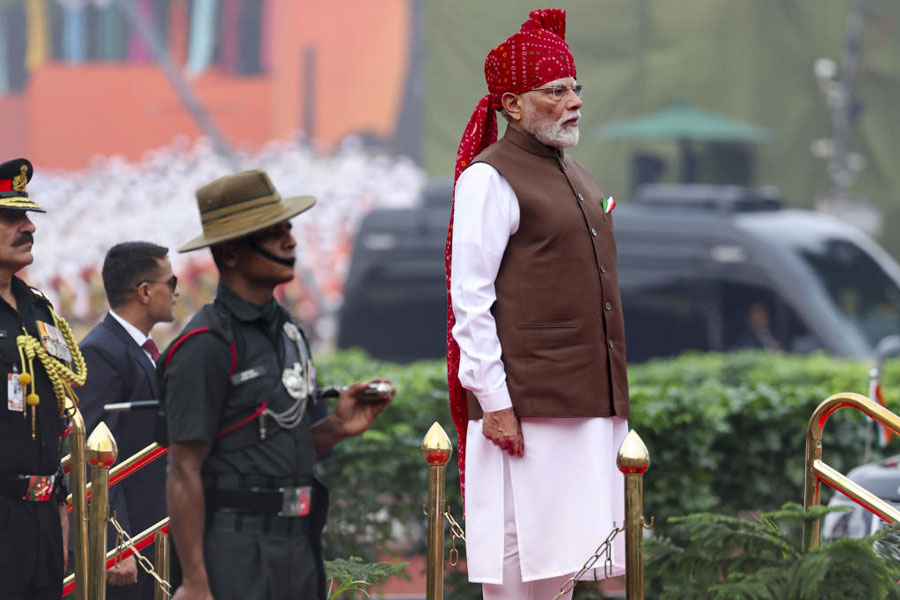
Opposition Slams Modi Over 'Dimagi Naxal' Jibe, Women's Quota
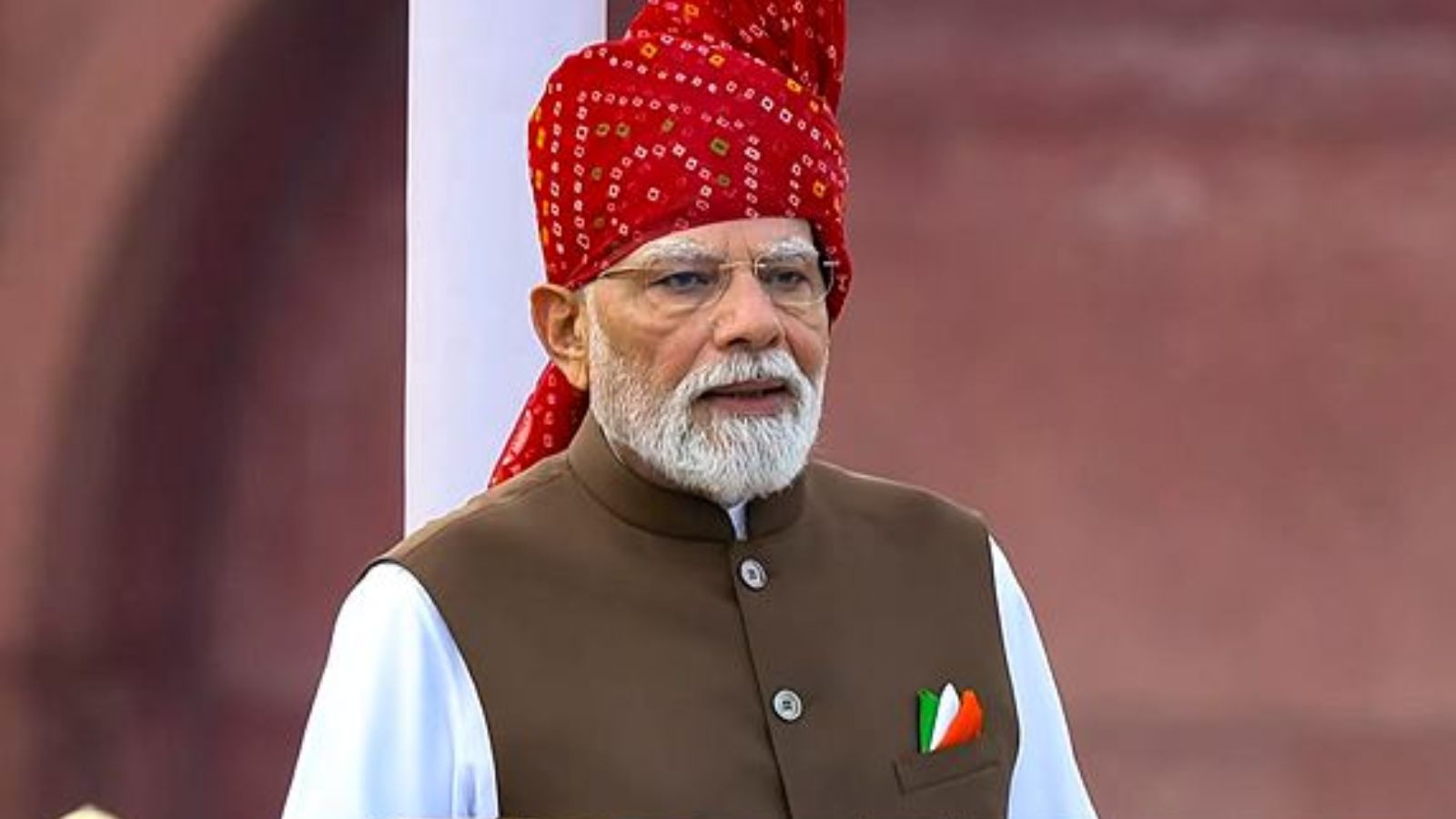
‘Dimagi Naxal’ Debate Casts Dissent as Political Threat
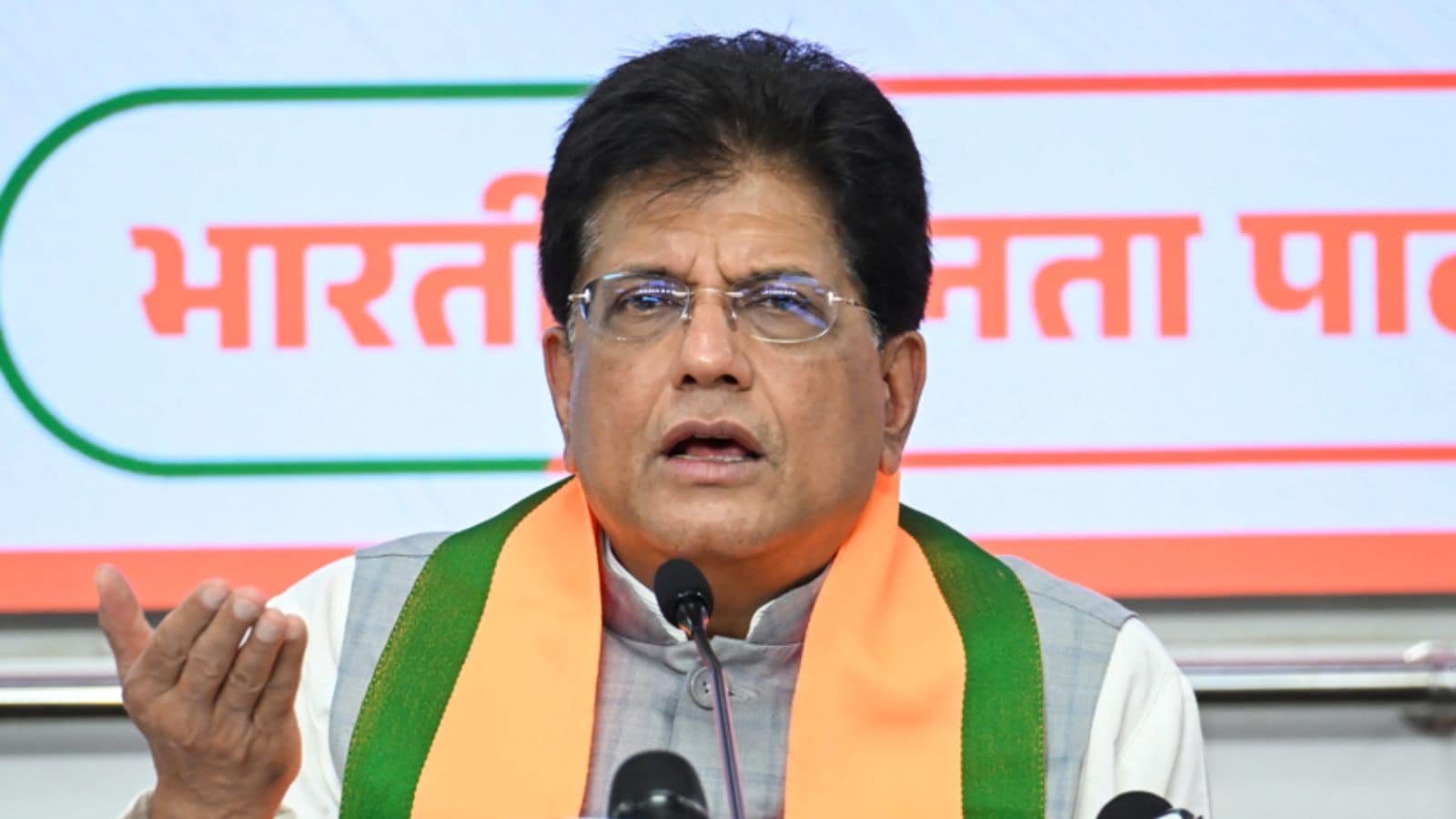
Goyal Defends India’s 7.8% GDP Growth Amid Data Debate

Manipur Census Deferment Welcomed as Step Toward Public Aspirations
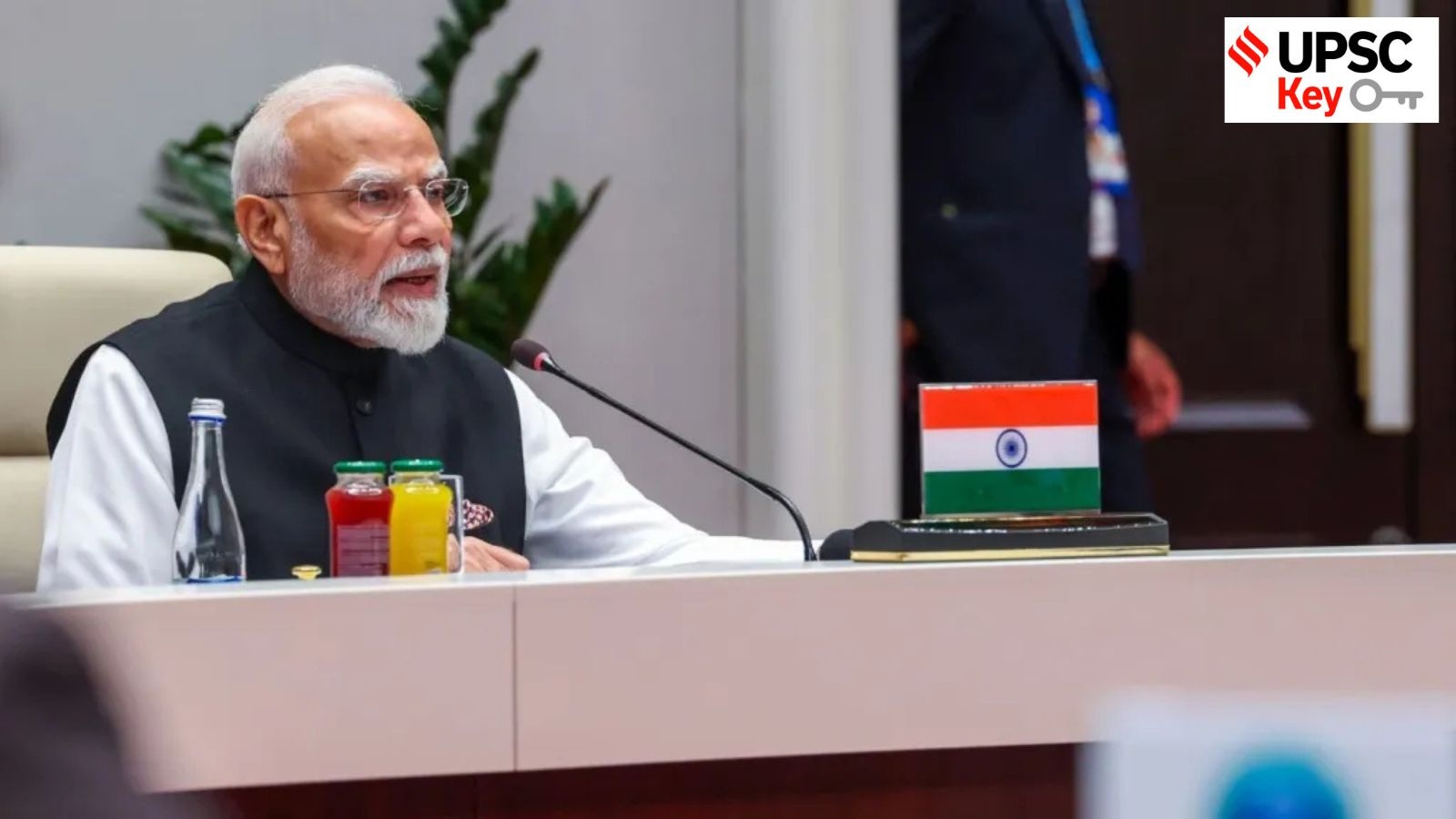
UPSC Key Covers SCO, Electoral Rolls, Economy, Defence and Climate

West Bengal CM Crushes Nearly 2 Lakh Seized Syrup Bottles

Modi Highlights India’s Growing Avocado Market and Farmer Gains