4 days ago
China’s Information Controls Obscure Tibet Flood Damage Assessment
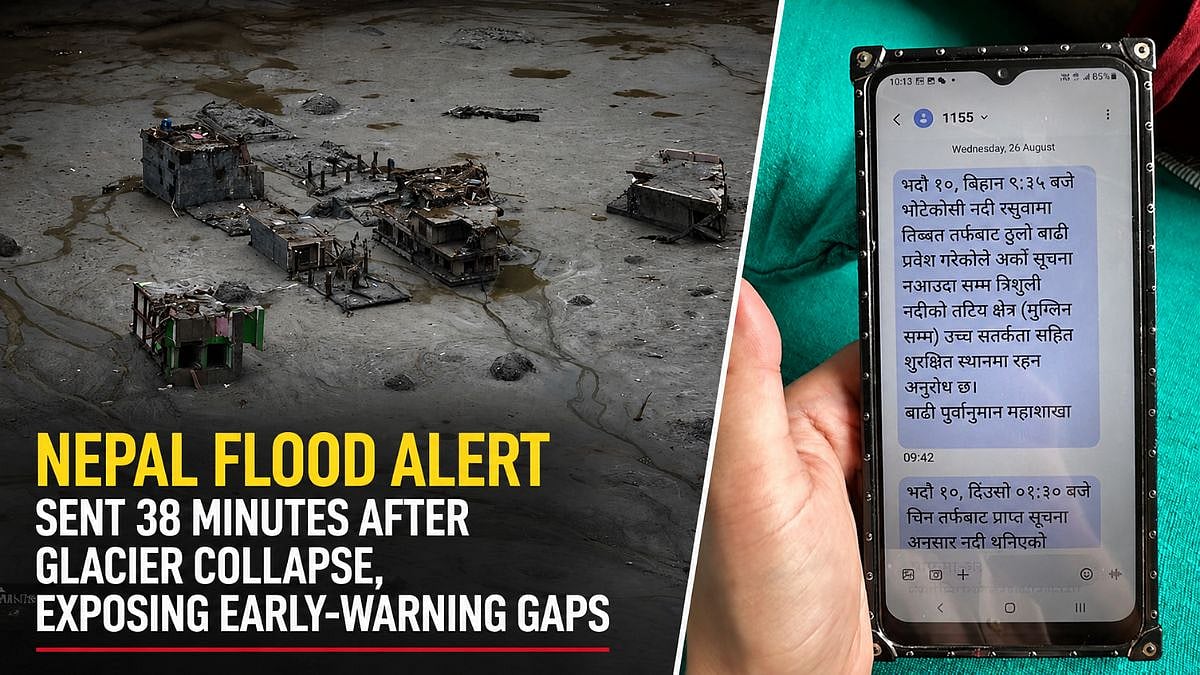
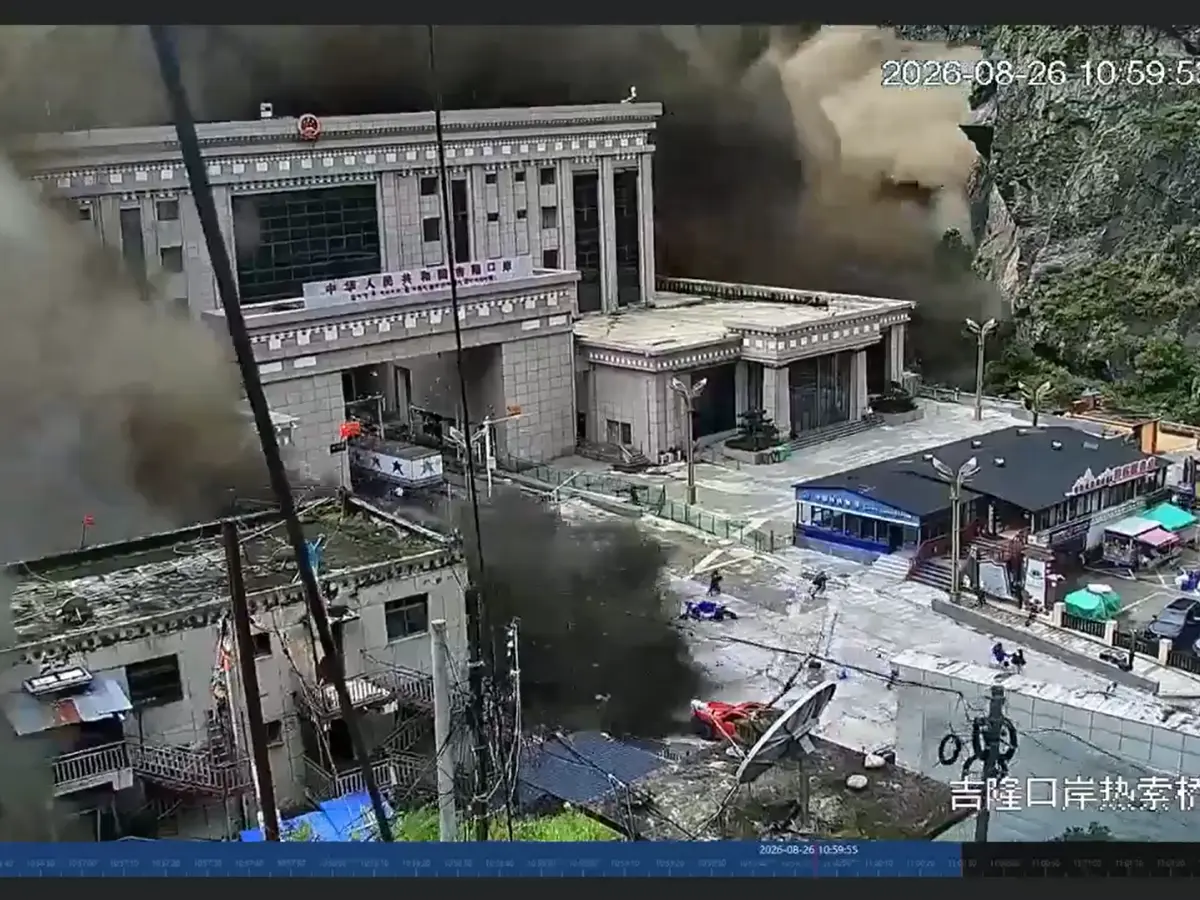
Powerful floods hit villages near the border between Nepal and Tibet.
Nepal reported that more than 538 people died, while China reported five deaths in Tibet.
Reporters could investigate openly in Nepal, but access to Tibet was tightly controlled.
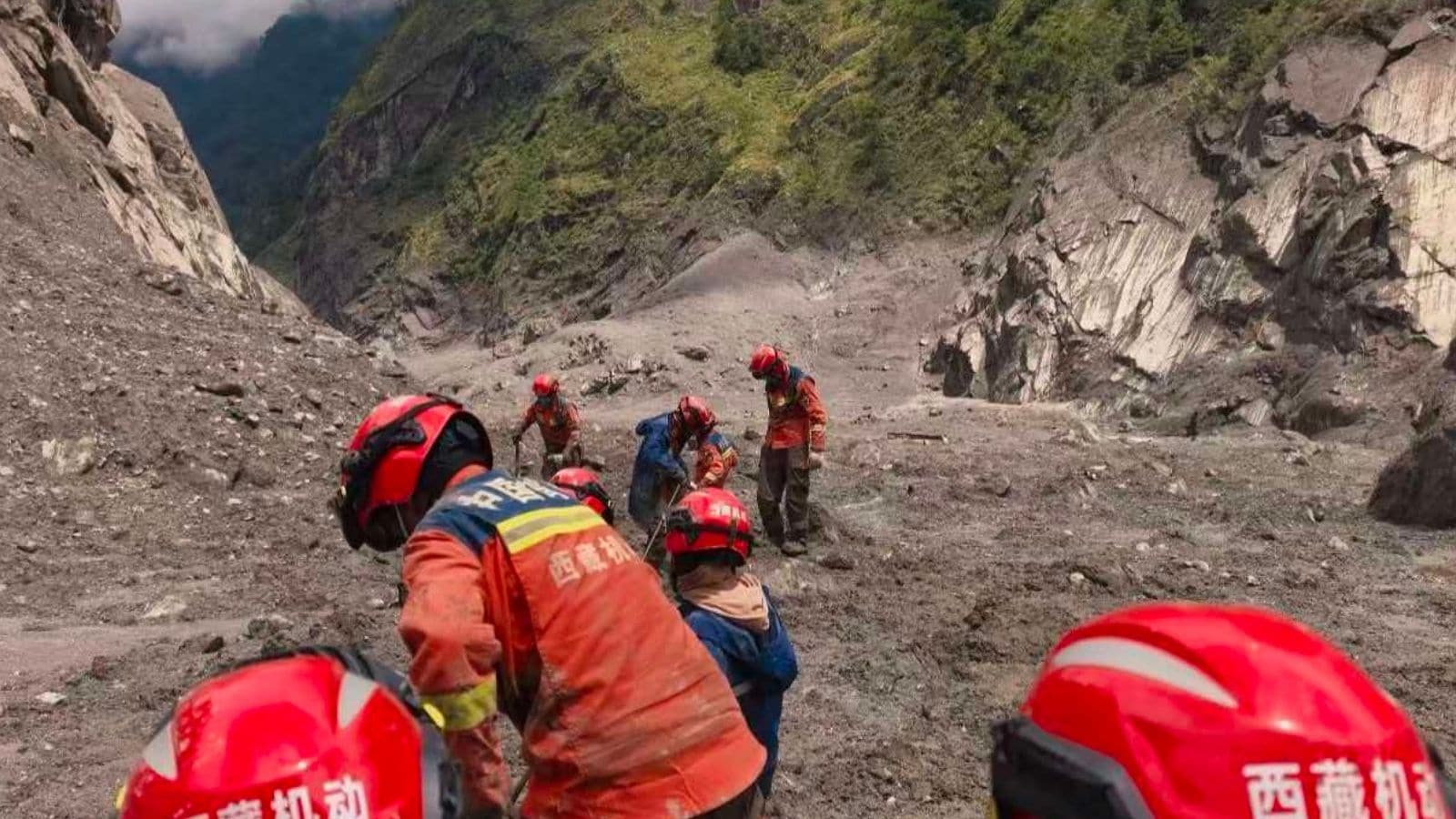
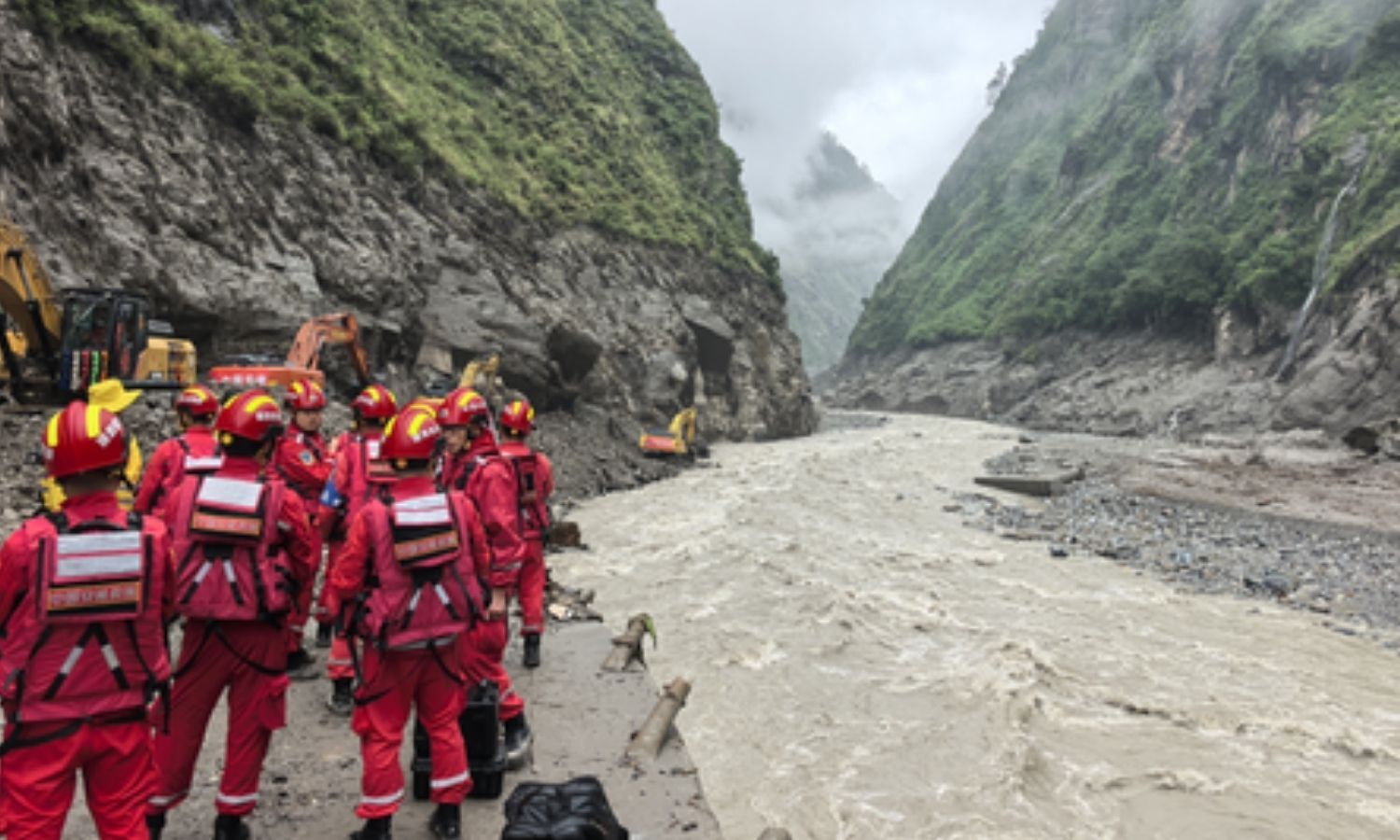
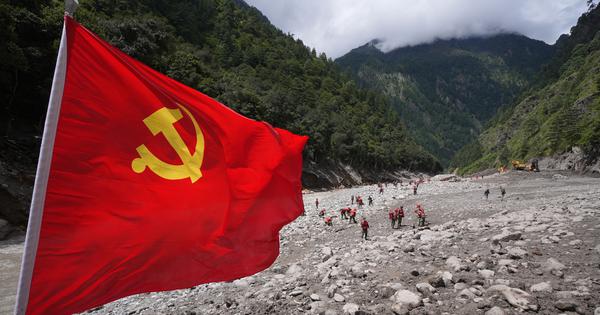
Chinese state media mostly showed rescue work instead of explaining the full destruction.
This makes it difficult for outsiders to know how badly Tibet was affected.
Some workers may still be trapped in tunnels at two Nepalese hydropower sites.
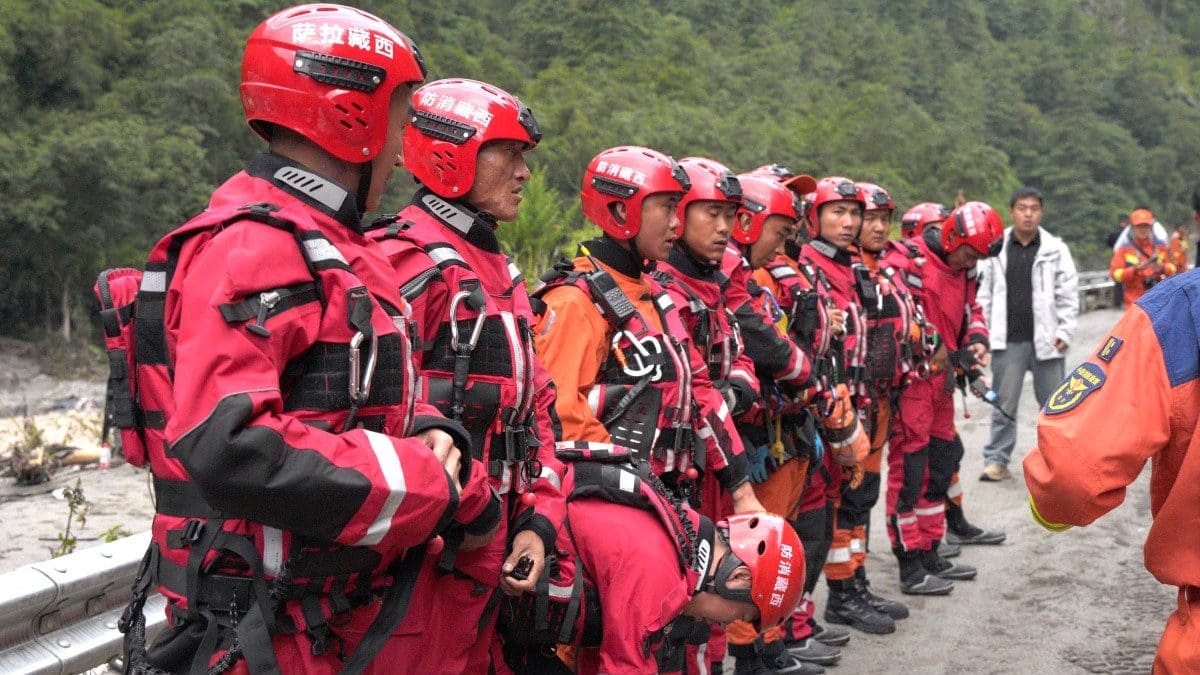
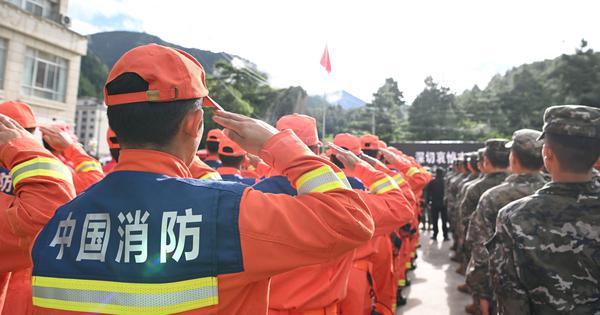
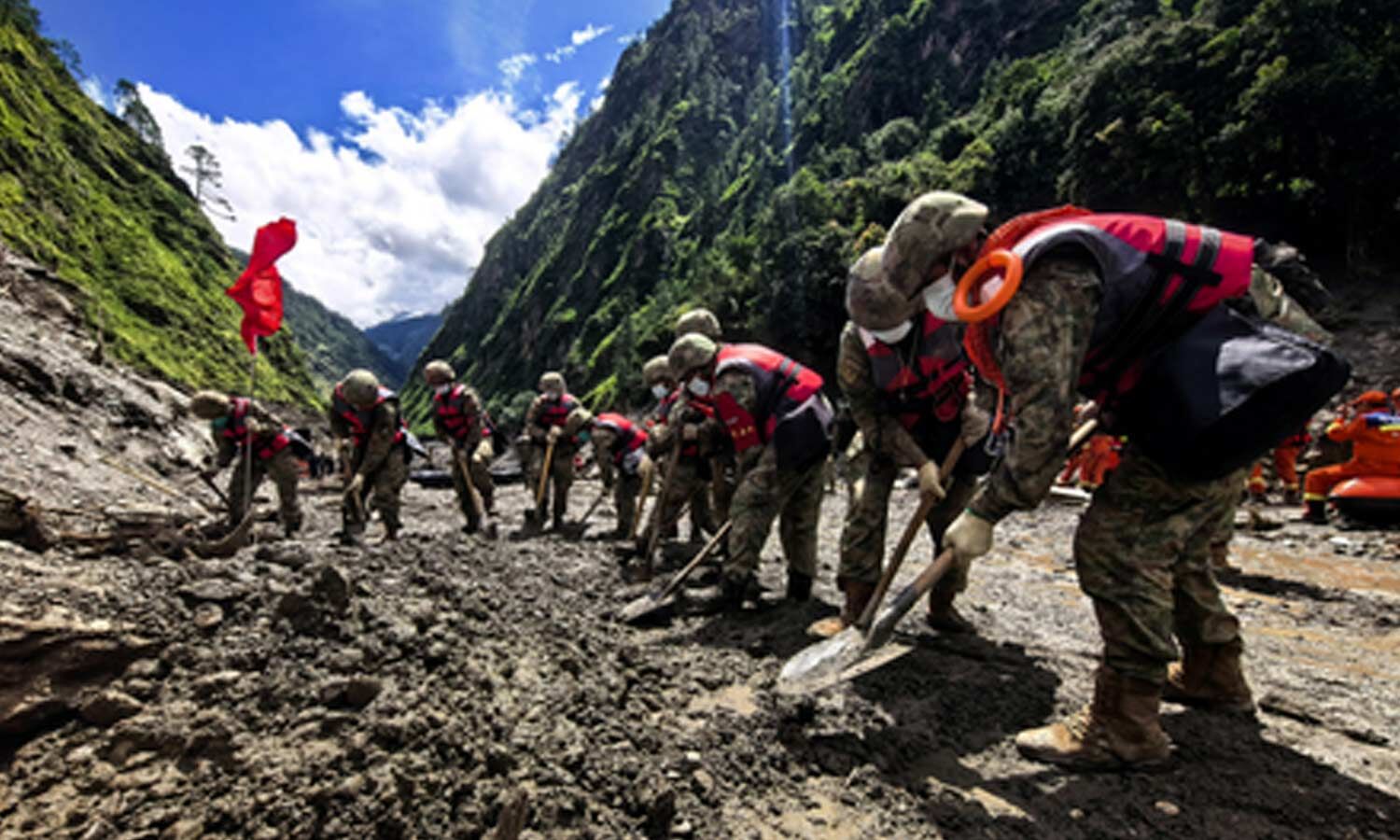
China sent emergency workers and soldiers to help with rescue efforts.
India also sent rescue specialists and equipment to Nepal.
Chinese leaders directed the response, while a United Nations climate official warned that melting glaciers can make mountain disasters more dangerous.

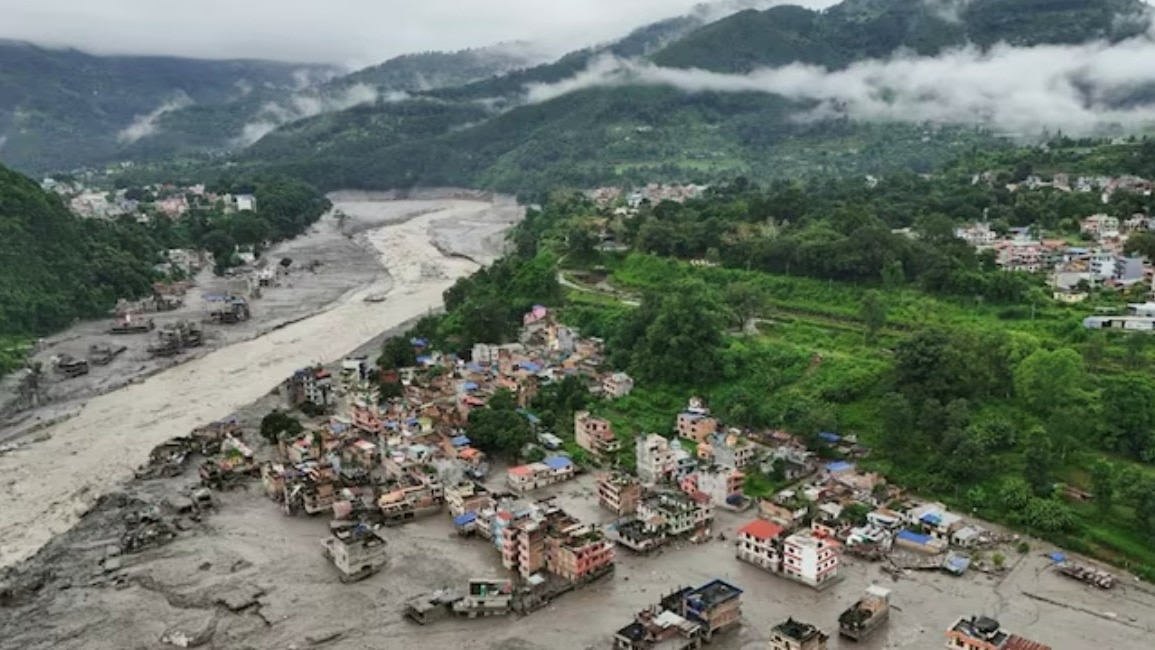
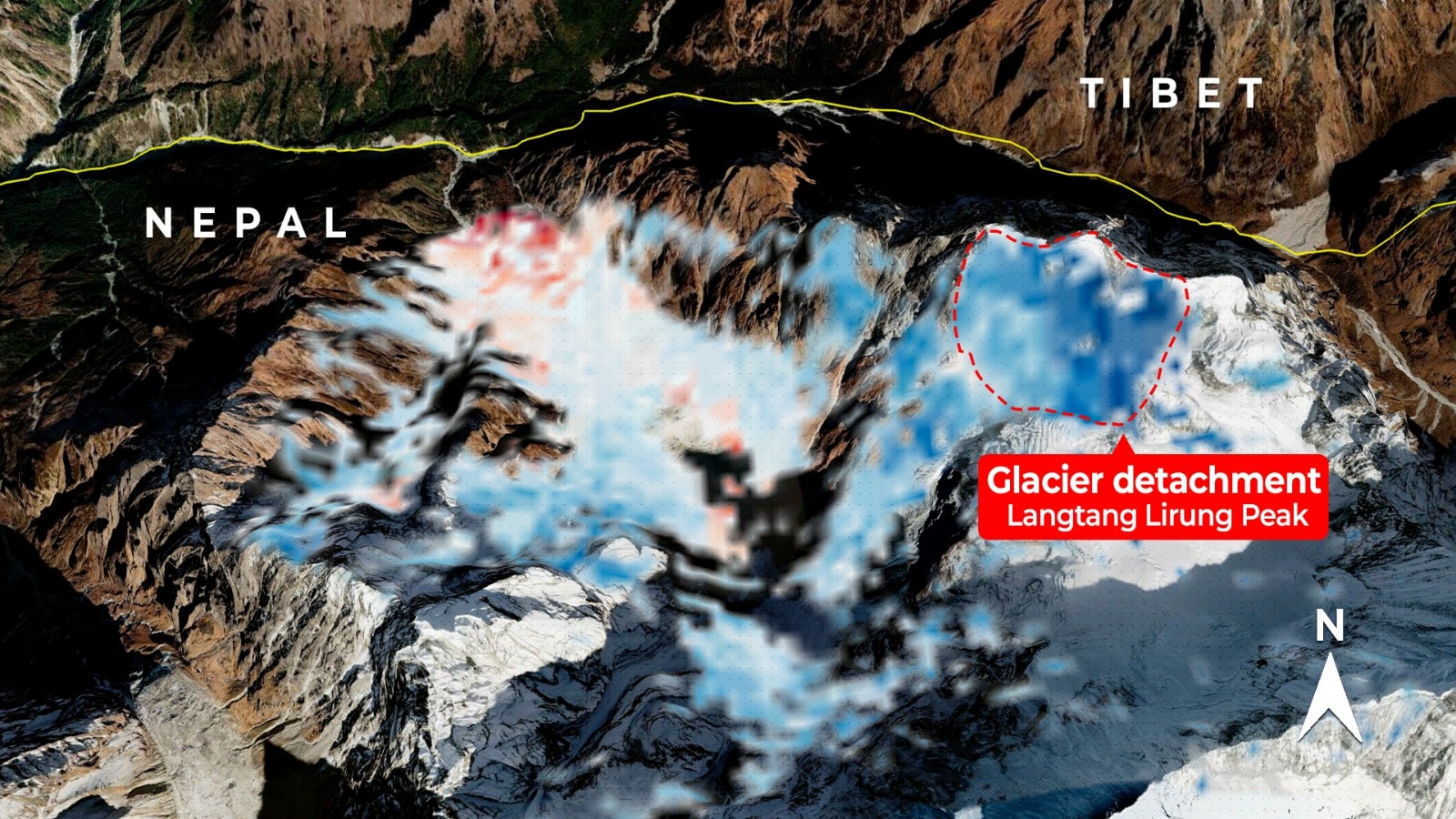
Flash floods devastated villages along the Himalayan border between Nepal and Tibet, killing hundreds according to Nepalese officials.
Nepal reported more than 538 deaths, while China confirmed five deaths on the Tibetan side.
Restricted access, controlled reporting, and possible punishment for speaking with journalists hinder independent assessment in Tibet.
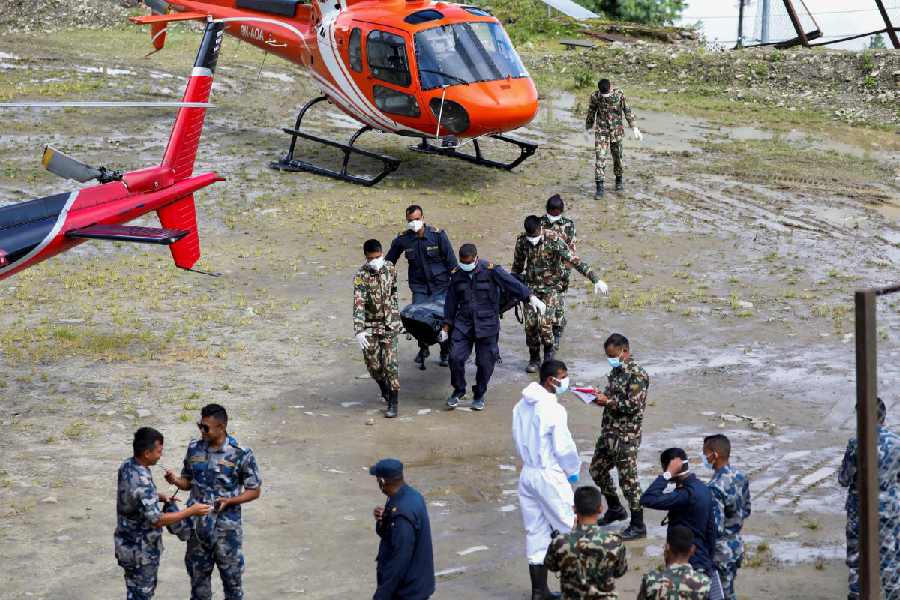
More than 100 workers may remain trapped at Nepal’s Trishuli 3A and 3B hydropower sites as rain complicates rescue efforts.
China deployed hundreds of emergency personnel, while India sent specialized teams and equipment to support Nepal’s relief operations.
- Who
- Residents and rescuers in Nepal and Tibet, Chinese President Xi Jinping, Premier Li Qiang, and Indian relief teams were involved.
- What
- Flash floods caused deaths and destruction, while restrictions on information made the damage in Tibet difficult to independently assess.
- Where
- The disaster affected villages along the Himalayan border between Nepal and Tibet, as well as hydropower sites in Nepal.
- When
- The reports described developments days after the floods; officials issued updates on Friday and the following morning.
- Why
- China’s restrictions on journalists, residents, and information limited independent reporting and verification of the Tibetan damage.
Critics and Independent Observers
Chinese Authorities and State Media
Transparency of the Damage Assessment
Critics and Independent Observers
Critics and observers say restrictions on journalists and Tibetans prevent independent verification of deaths and destruction and could obscure the full toll.
Chinese Authorities and State Media
Chinese authorities reported five deaths on the Tibetan side and used state media to publicize rescue and relief operations.
Reporting During the Disaster
Critics and Independent Observers
Observers argue that state-controlled reporting, limited foreign access, and possible penalties for speaking with journalists prevent residents from describing the disaster freely.
Chinese Authorities and State Media
Chinese state media focused on rescue work, while national authorities directed search operations and sent emergency personnel to the affected area.
Publicizing the Relief Response
Critics and Independent Observers
Steve Tsang argued that China’s information controls limit international coverage and prevent it from demonstrating the effectiveness of its relief efforts.
Chinese Authorities and State Media
Chinese authorities emphasized official rescue efforts, with Xi Jinping directing the response and Li Qiang visiting the affected area.
Key facts
- Reported deaths in Nepal
- Nepalese officials reported more than 538 deaths.
- Reported deaths in Tibet
- China confirmed five deaths on the Tibetan side.
- Information access
- International journalists generally cannot enter Tibet except on tightly controlled government tours.
- Nepal rescue sites
- Rescue efforts focused on the Trishuli 3A and 3B hydropower sites.
- Potentially trapped workers
- More than 100 workers may still be alive and trapped in tunnels, according to the report.
- Chinese response
- China dispatched hundreds of emergency personnel, including members of the People’s Liberation Army.
- Indian assistance
- India sent an Air Force C-130 aircraft carrying specialized rescue, tunnel, forensic, and DNA-analysis teams and equipment.
Quotes

Steve Tsang
Director of the China Institute at SOAS University of London
“Everything about Tibet is seen through the national security prism. And therefore nobody is going to say anything or report anything that has not been cleared from the very top.”
 firstpost.com
“you can’t report a higher figure of deaths, even if you have seen more bodies yourself, until the official statement says that the figure has gone up”
firstpost.com
Simon Steill
UN climate chief quoted in a statement about the disaster and climate risks
“The sudden glacial collapse and flash flood is a devastating reminder of how fragile these mountain environments can be.”
 NDTV
NDTV
Sources
Related news
Tibet Nepal Floods Draw Rescue Efforts and Information Concerns
Floods in Tibet Raise Questions About China’s Information Controls
Nepal-Tibet Floods Fuel Fight Over China’s Media Narrative
HRW Raises Censorship Concerns Over Tibet Flood Coverage
Glacier Collapse Floods Tibet and Nepal, Raising Questions About China
Tibetan Plateau Flood Exposes Gaps in Cross-Border Safety Cooperation

Nepal Flood Death Toll Tops 1,200 as Searches Continue
Satellite Radar May Strengthen Nepal's Flood Warning Systems
Nepal Plans New Landslide Warning System Along China Border

Nepal Thanks India as Glacial Disaster Rescue Efforts Continue
Nepal Warns of Heavy Rain After Deadly Floods