1 day ago
HRW Raises Censorship Concerns Over Tibet Flood Coverage
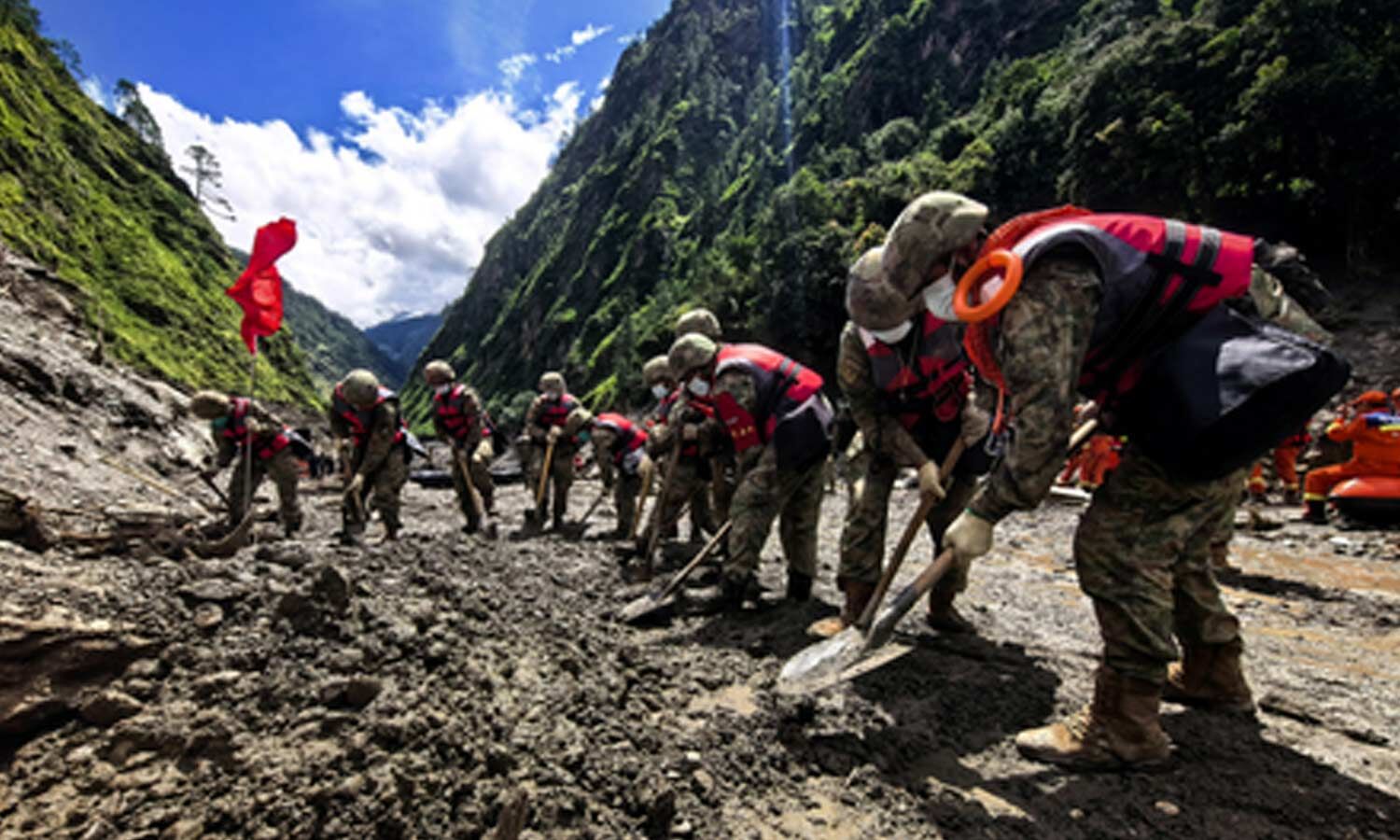
A very large flood began in Tibet and then moved into Nepal.
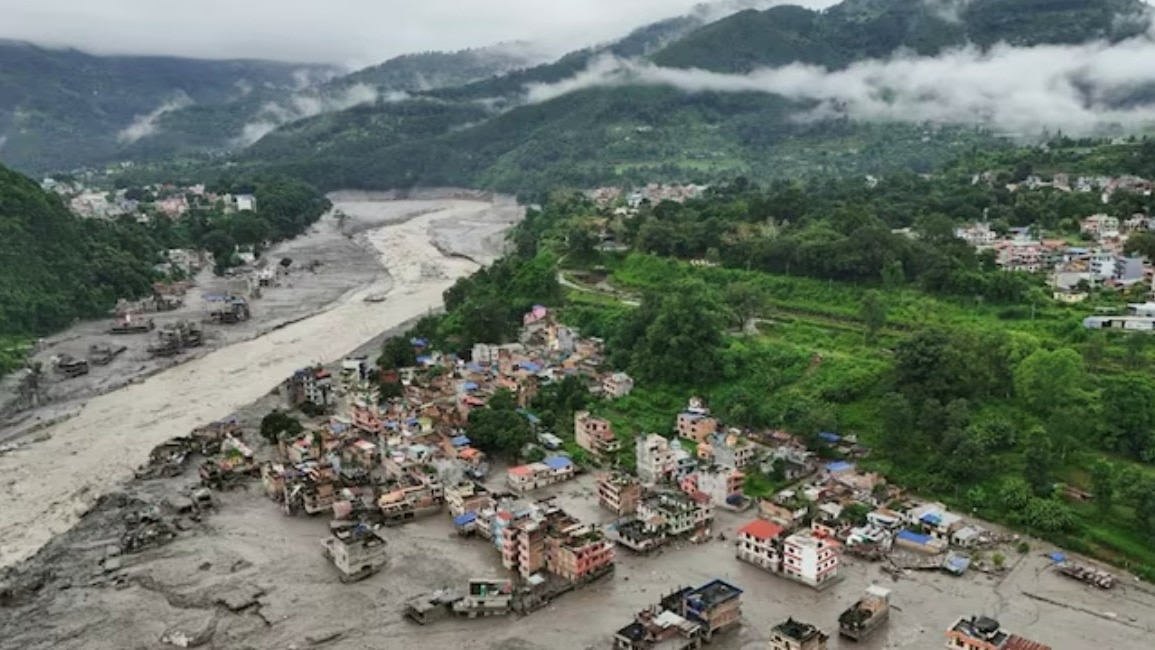
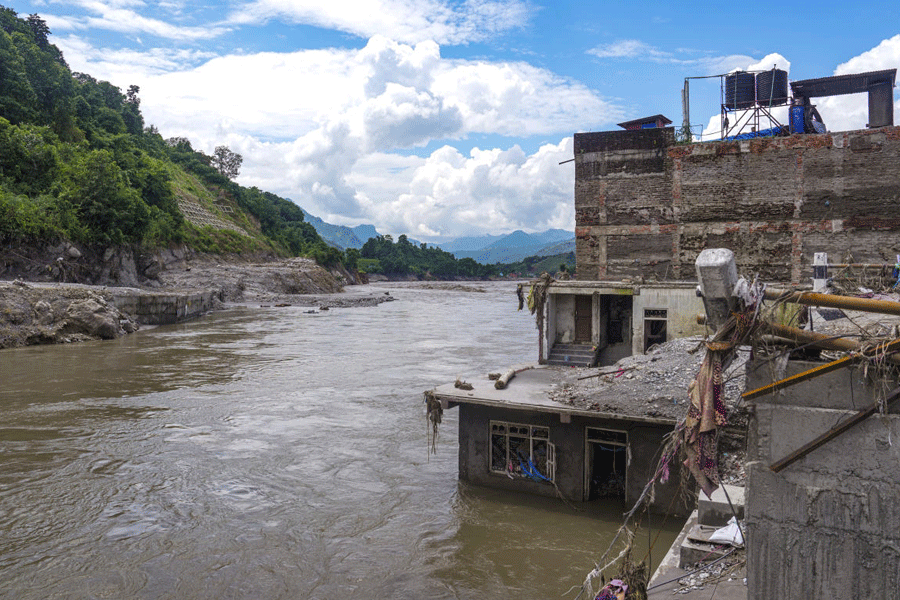
It caused many deaths and destroyed homes and other places.
Human Rights Watch says Chinese authorities tightly controlled information about what happened.
It said social media mostly showed official messages instead of stories from victims.
Journalists were reportedly stopped from entering the disaster area or interviewing families.
HRW also said some people were punished for allegedly spreading rumors.
The group said official media used computer-made pictures and videos about the disaster.
It warned that censorship could make it harder for families to find missing relatives.
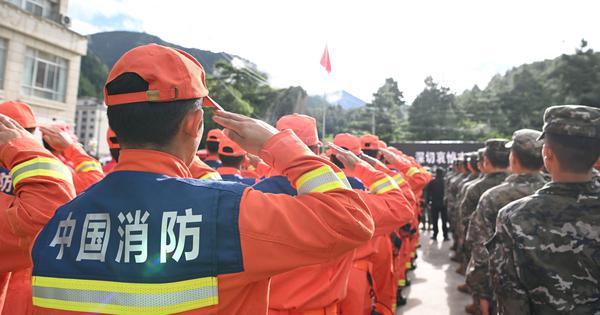
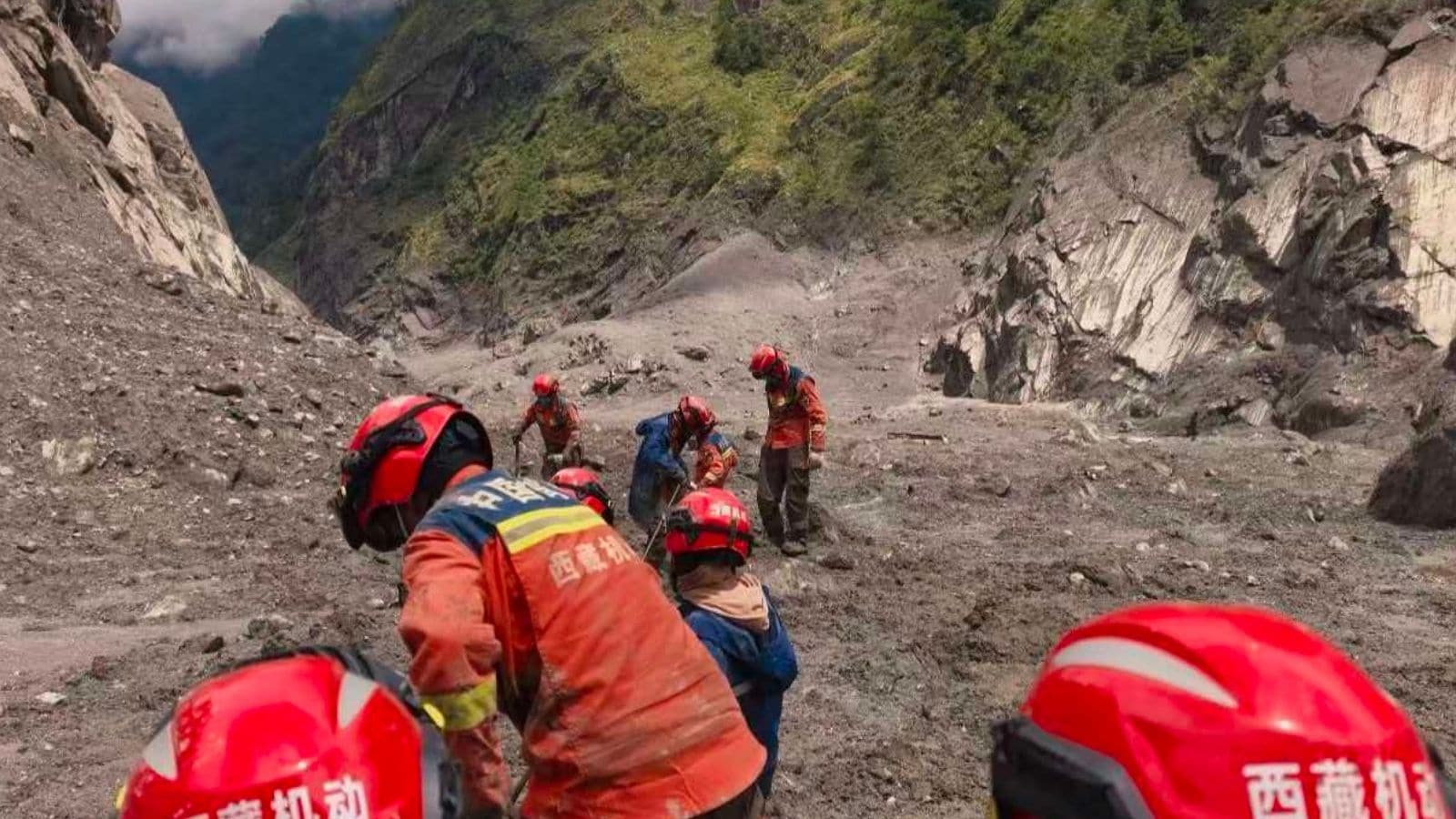
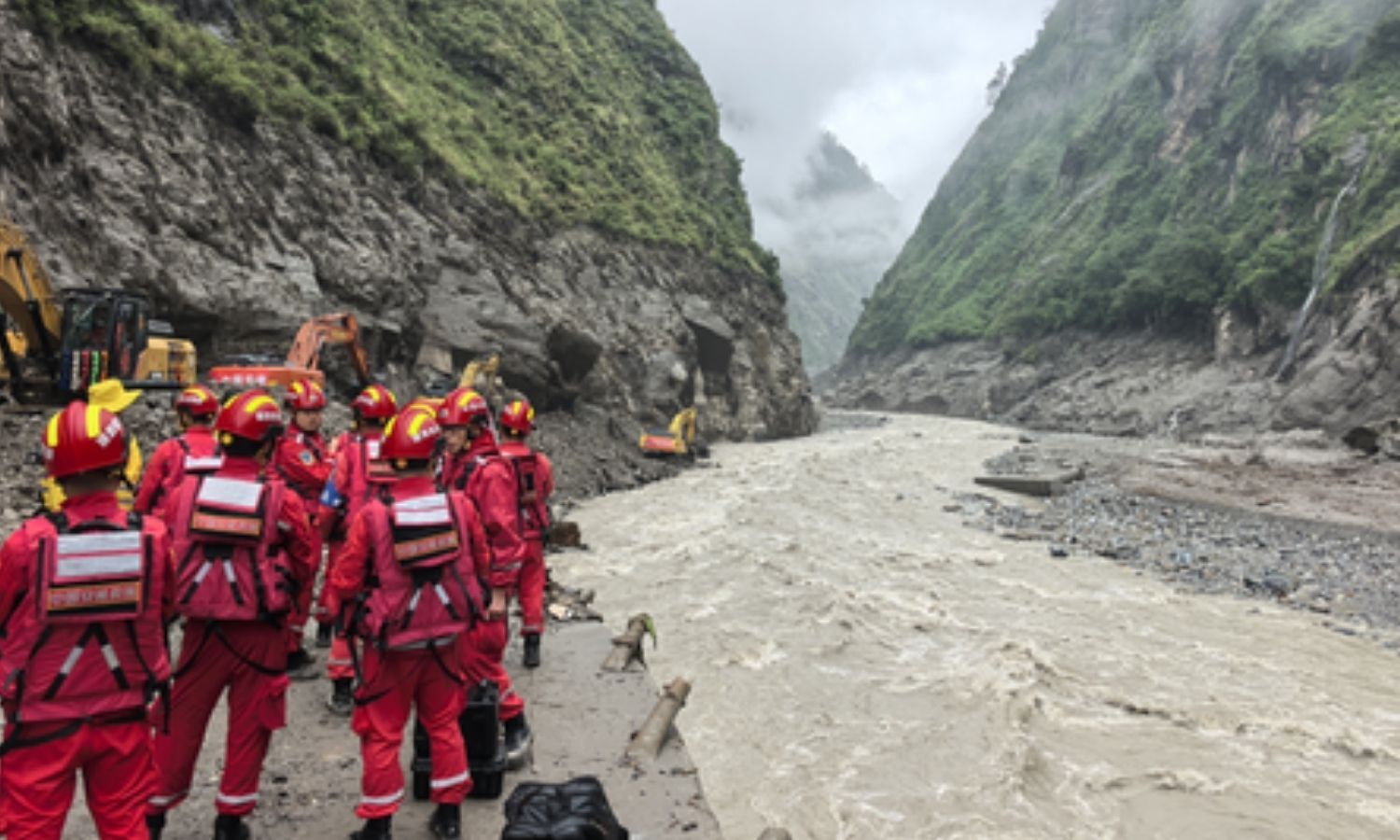
Chinese official coverage focused on rescue work, the death toll, and national leaders’ response.

Human Rights Watch accused China of restricting information after deadly floods struck Tibet and Nepal.
The group said Weibo promoted official memorial and disaster hashtags while victims’ accounts were largely absent.
Reports cited by HRW said journalists were barred from the disaster zone and at least 10 people faced punishment for alleged rumor spreading.
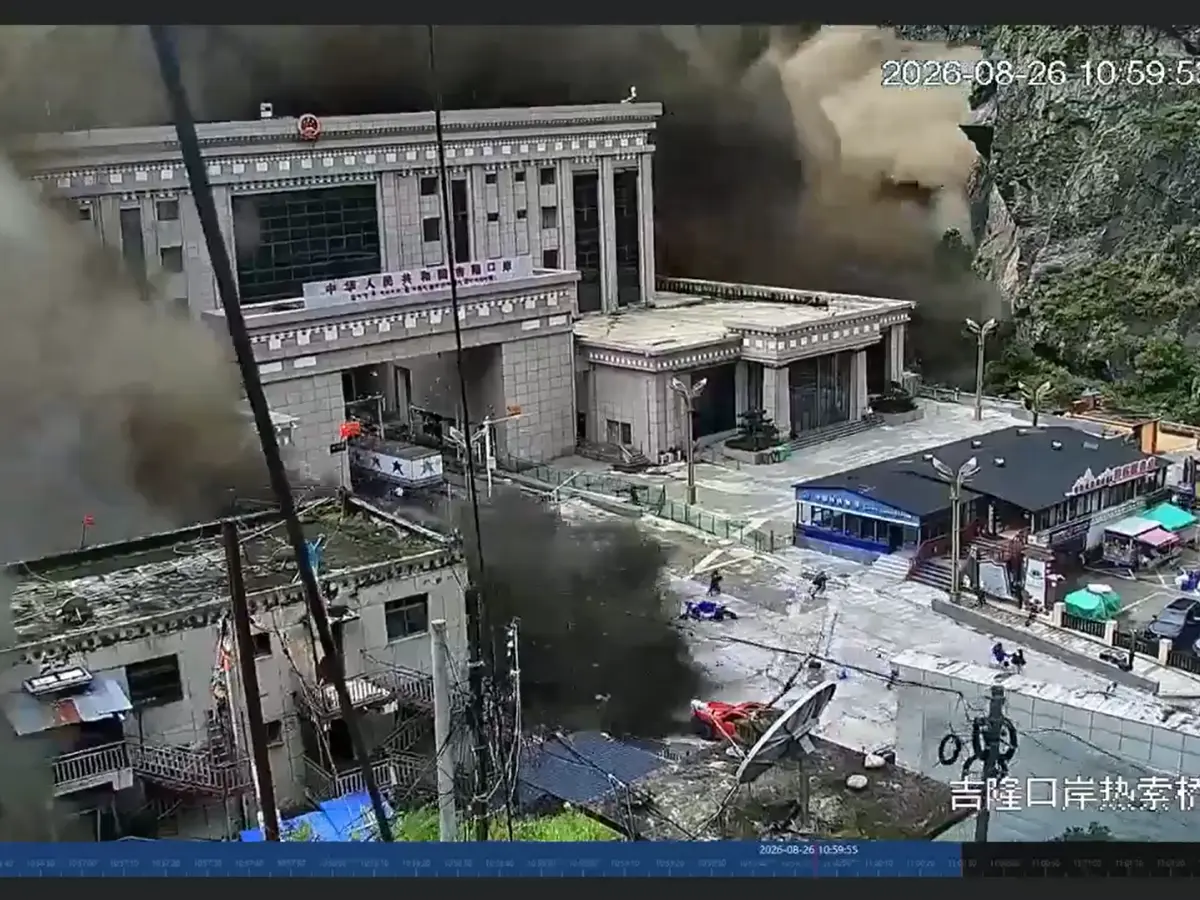
HRW said Chinese official media used AI-generated images and videos while censoring original footage from Gyirong Port.
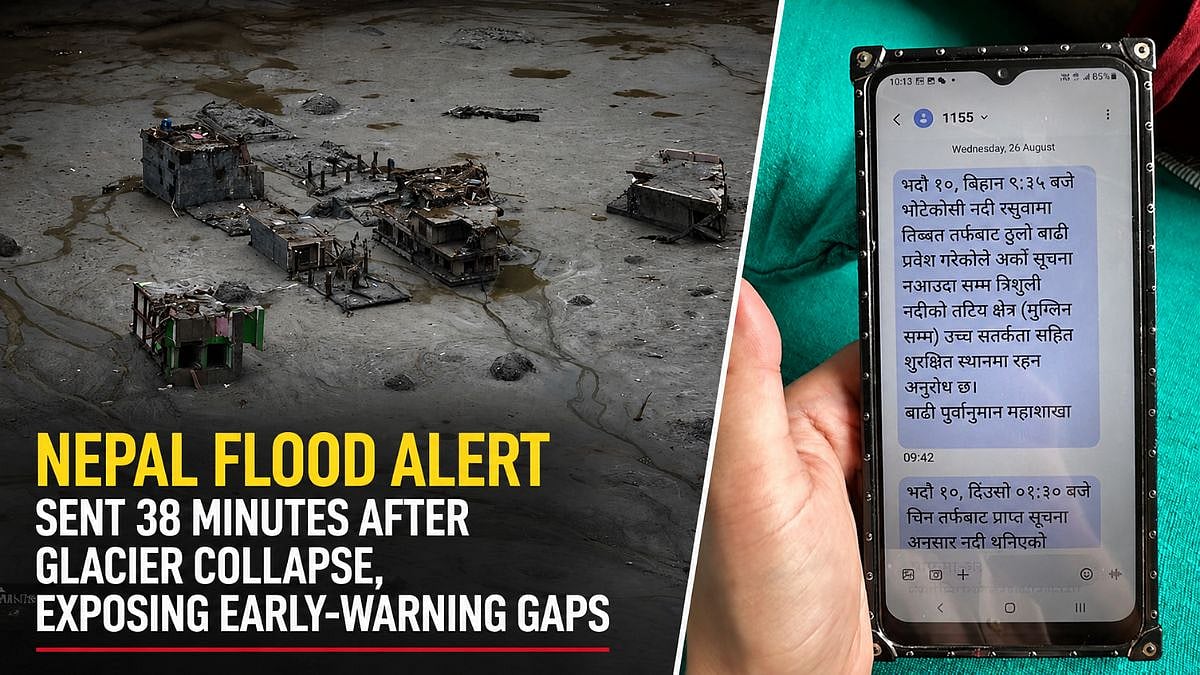
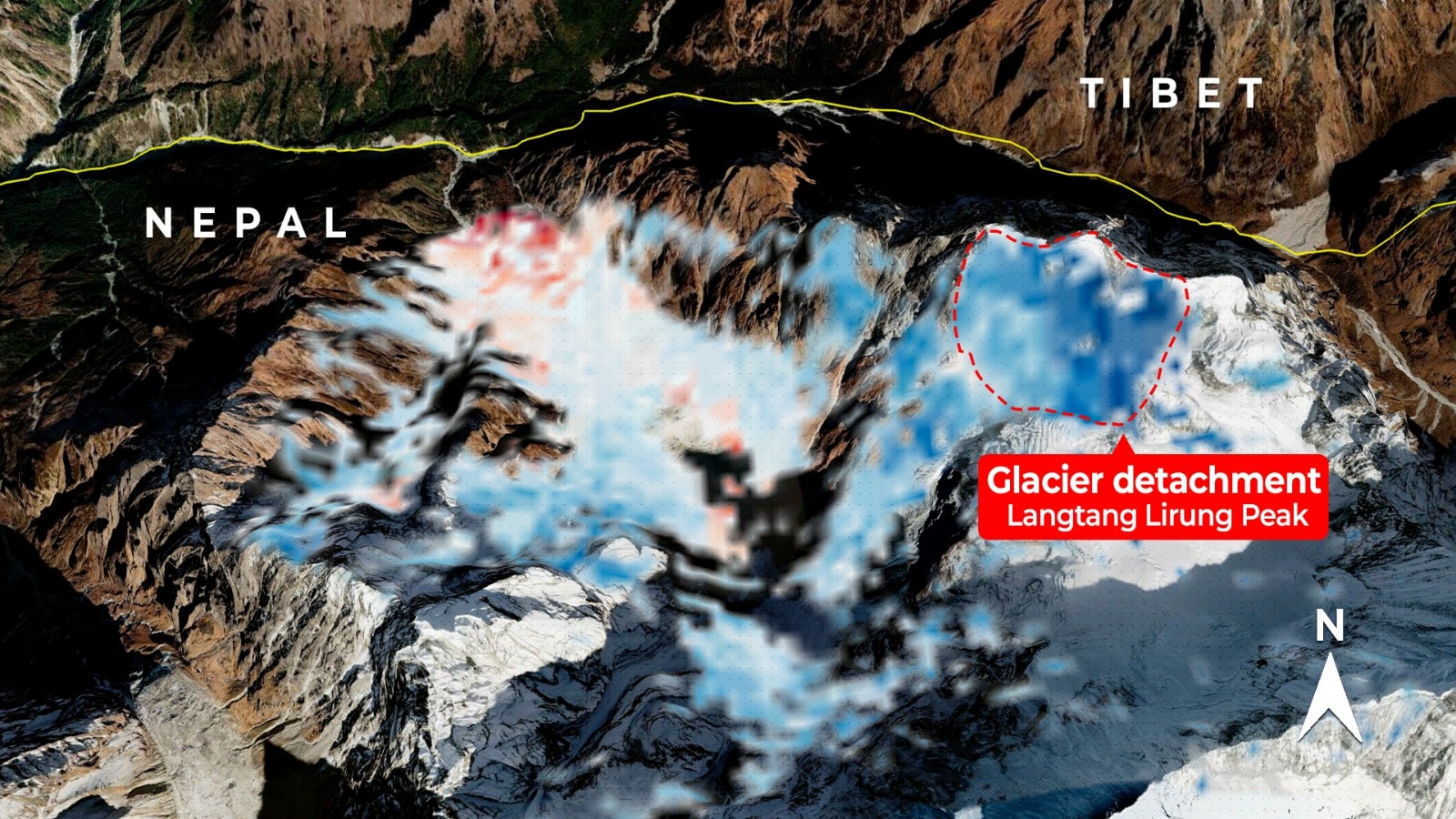
The flood originated in Tibet on August 26, crossed the Bhote Koshi River, and killed hundreds in Nepal.
- Who
- Human Rights Watch, Chinese authorities and media, journalists, victims, and affected communities in Tibet and Nepal.
- What
- A deadly cross-border flood prompted allegations of censorship, restrictions on reporting, punishment for alleged rumor spreading, and the use of AI-generated disaster imagery in China.
- Where
- The flooding began in Tibet, overwhelmed Gyirong Port, and traveled through Nepal’s Bhote Koshi River and Rasuwa region.
- When
- The flood originated on August 26; the articles do not specify the year.
- Why
- HRW says Chinese authorities sought to control information and the public narrative surrounding the disaster and rescue response.
Human Rights Watch’s concerns
Official disaster narrative
Information access
Human Rights Watch’s concerns
HRW says censorship, restrictions on journalists, and the absence of victims’ voices limit public understanding and may make it harder for families to locate loved ones.
Official disaster narrative
The official coverage described in the article emphasizes the death toll, rescue operations, disaster mechanics, and leadership’s response.
Disaster imagery
Human Rights Watch’s concerns
HRW says Chinese official media used AI-generated images and videos and that original footage showing flooding at Gyirong Port was censored.
Official disaster narrative
The article does not provide a direct Chinese government response to HRW’s allegations; it describes official media as presenting disaster-related coverage and imagery.
Public discussion
Human Rights Watch’s concerns
HRW says at least 10 people were punished for alleged rumor spreading and argues that information controls restrict discussion of the disaster.
Official disaster narrative
The official approach, as described by HRW, prioritizes controlled messaging through official announcements and promoted social-media hashtags.
Key facts
- Organization raising concerns
- Human Rights Watch
- Flood origin
- Tibetan region of China
- Date of origin
- August 26
- Affected river
- Bhote Koshi River
- Nepal location
- Rasuwa
- Reported punishments
- At least 10 people were punished for alleged rumor spreading, according to reports cited by HRW
- Social media platform
- Reported media practice
- Chinese official media relied on AI-generated images and videos, according to HRW
Quotes

Human Rights Watch
US-based human rights advocacy organization
“Information controls can make it harder for families to locate loved ones, and hamper understanding of the disaster and any future response.”
 thehansindia.com
Sources
Related news
Floods in Tibet Raise Questions About China’s Information Controls
Nepal-Tibet Floods Fuel Fight Over China’s Media Narrative
China’s Information Controls Obscure Tibet Flood Damage Assessment
Tibet Nepal Floods Draw Rescue Efforts and Information Concerns
Glacier Collapse Floods Tibet and Nepal, Raising Questions About China
Nepal Cracks Down on Fake Flood Content Online
Satellite Radar May Strengthen Nepal's Flood Warning Systems
Nepal Plans New Landslide Warning System Along China Border

Nepal Thanks India as Glacial Disaster Rescue Efforts Continue
Nepal Warns of Heavy Rain After Deadly Floods