7 hrs ago
Nepal-Tibet Floods Fuel Fight Over China’s Media Narrative
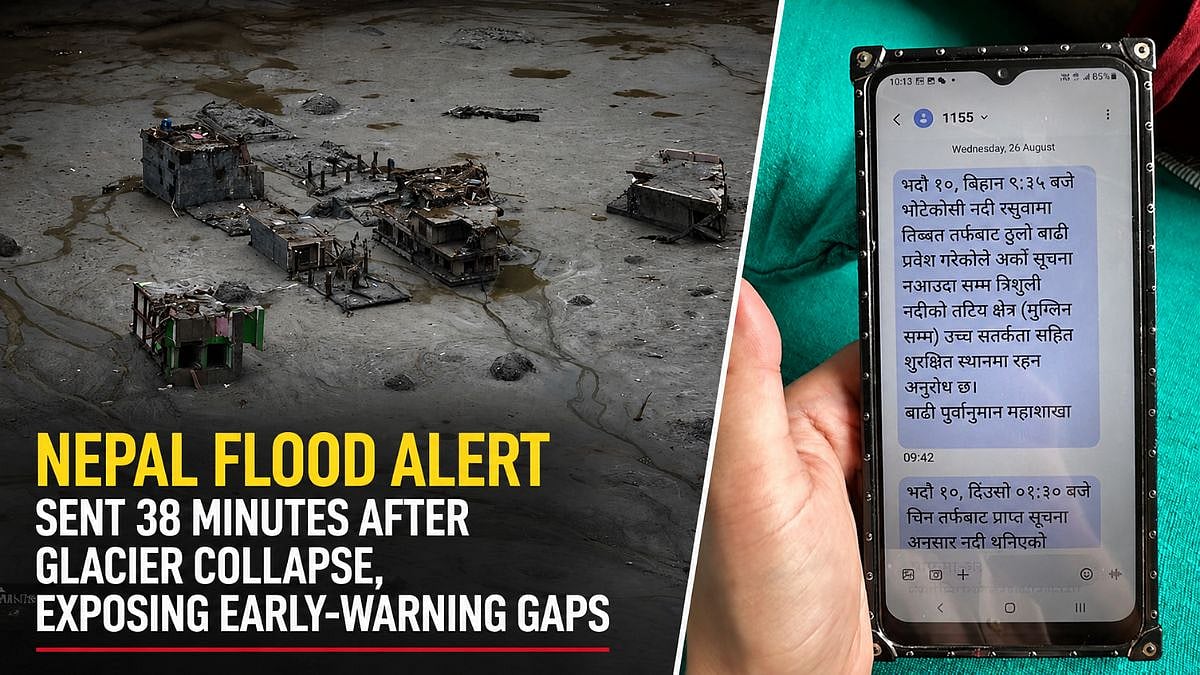
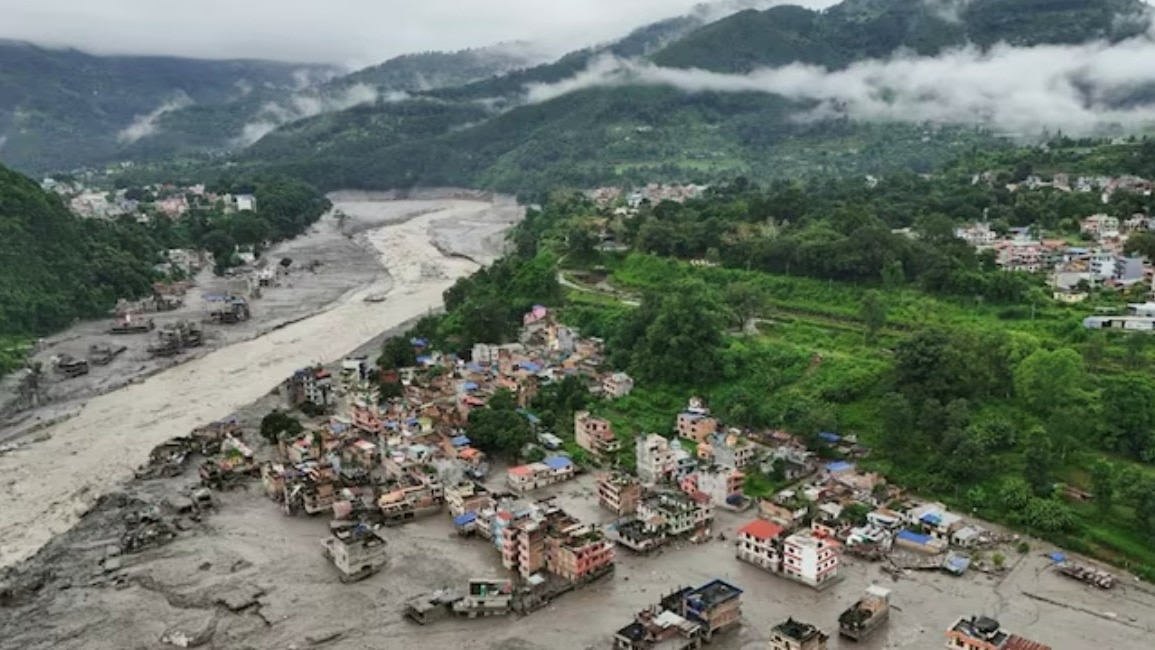
Severe floods affected areas in Nepal and Tibet.
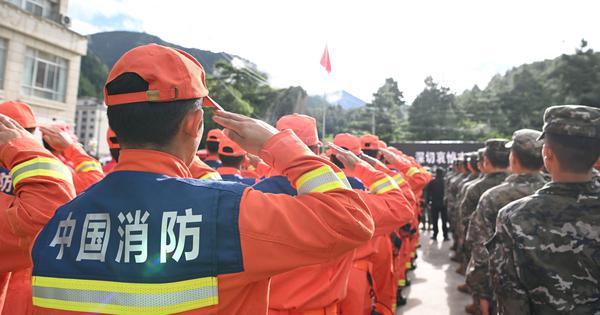
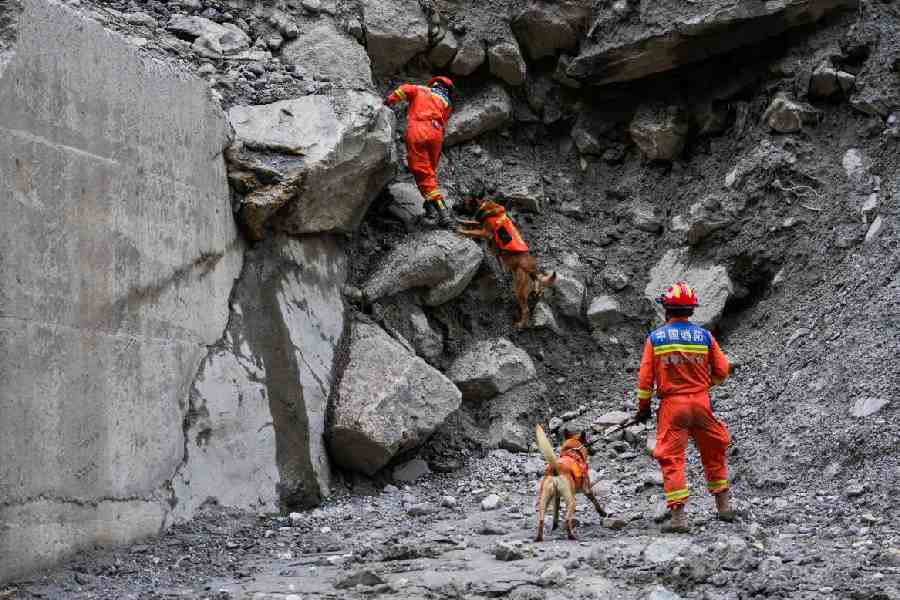
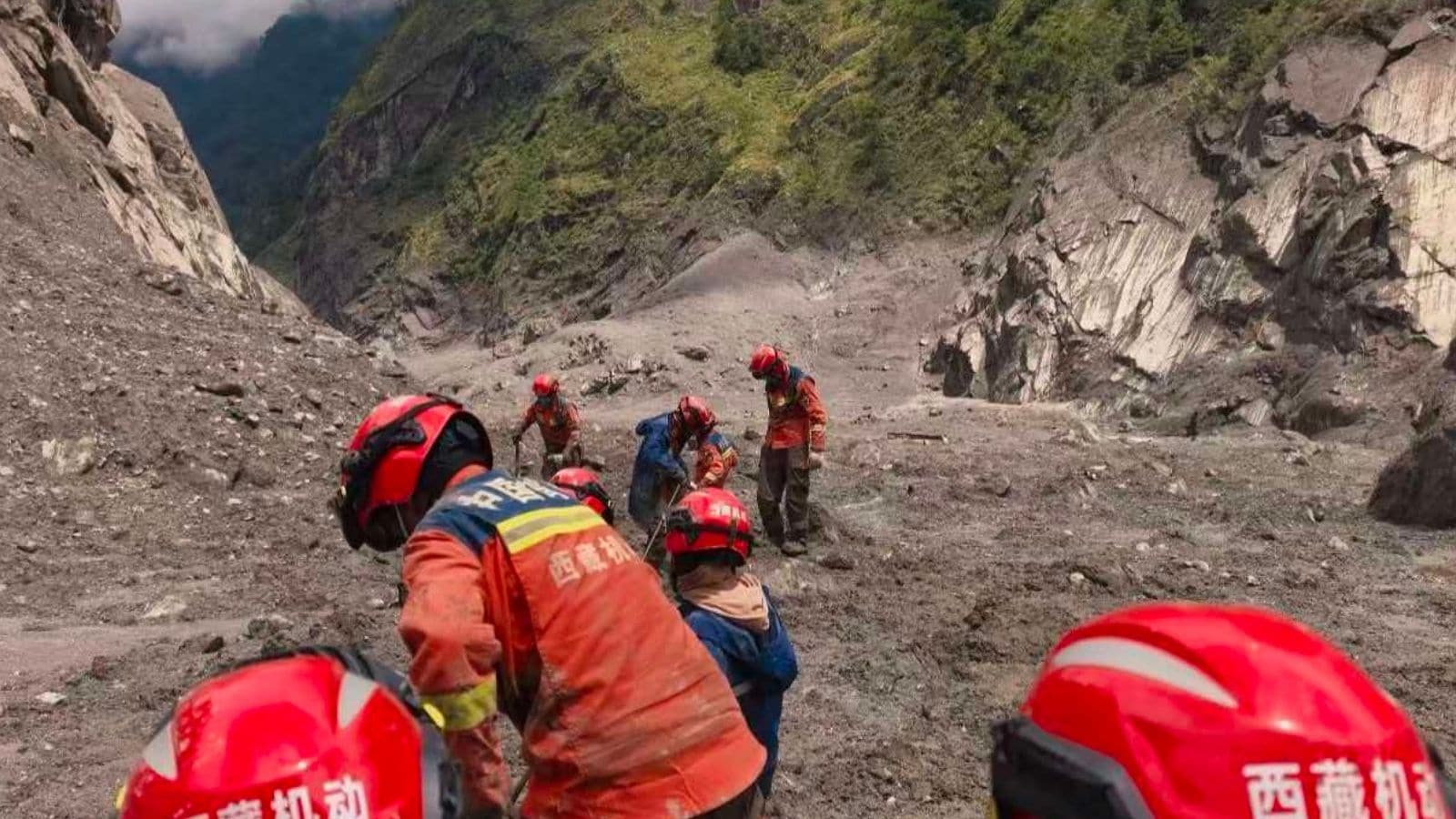
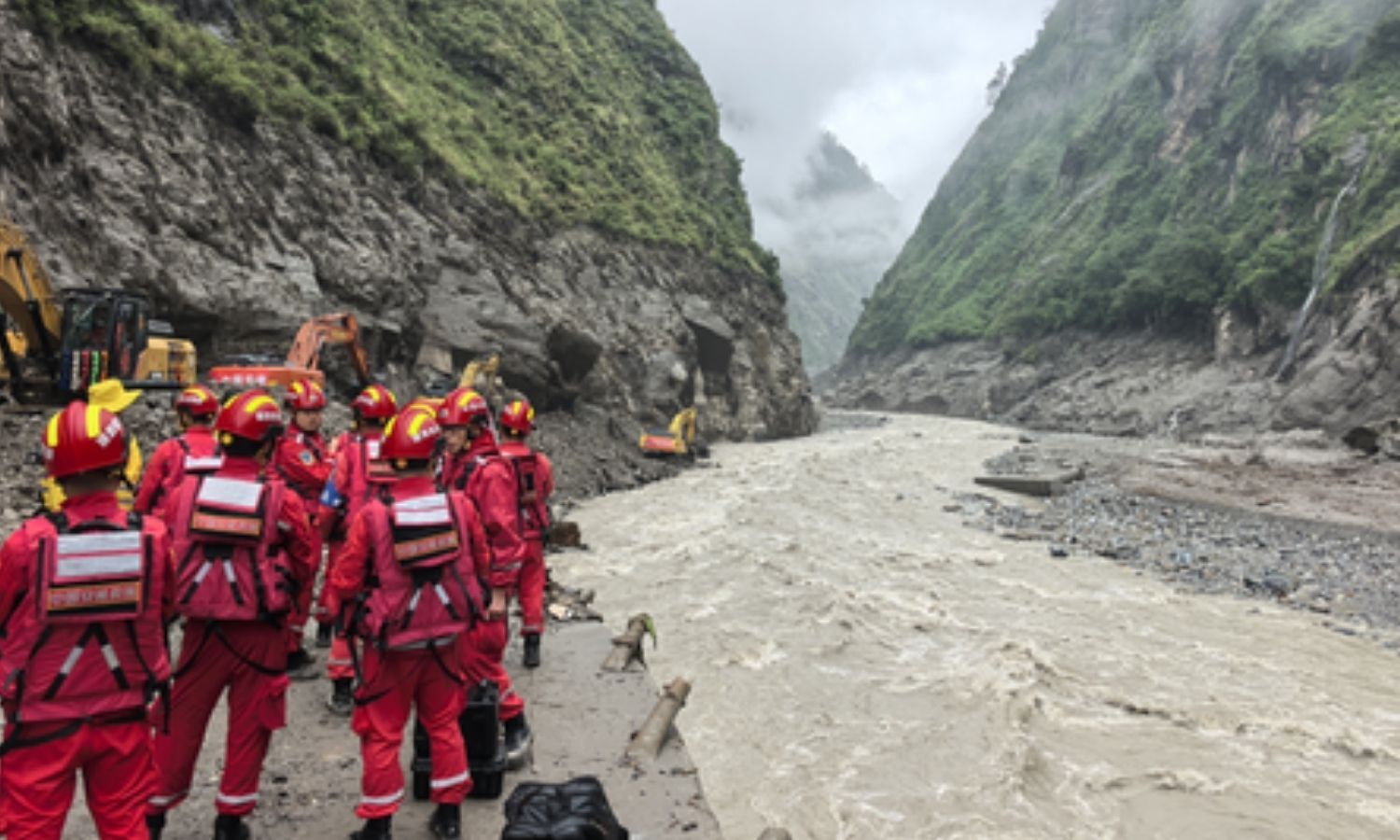
Rescue workers have continued helping people on both sides of the border.
A BBC report said videos of a huge flood surge in Tibet were removed from Chinese websites.
Some Chinese users disagreed and said the same footage had been shown by Chinese media.
Foreign journalists have had difficulty entering the affected area.
China’s state media has mainly highlighted rescue work and government leadership.
Critics say there has been less coverage of villagers, homes and communities.
Because access is restricted, outsiders cannot independently confirm all reports, including casualty figures.
This has created more disagreement between Chinese and Western media.

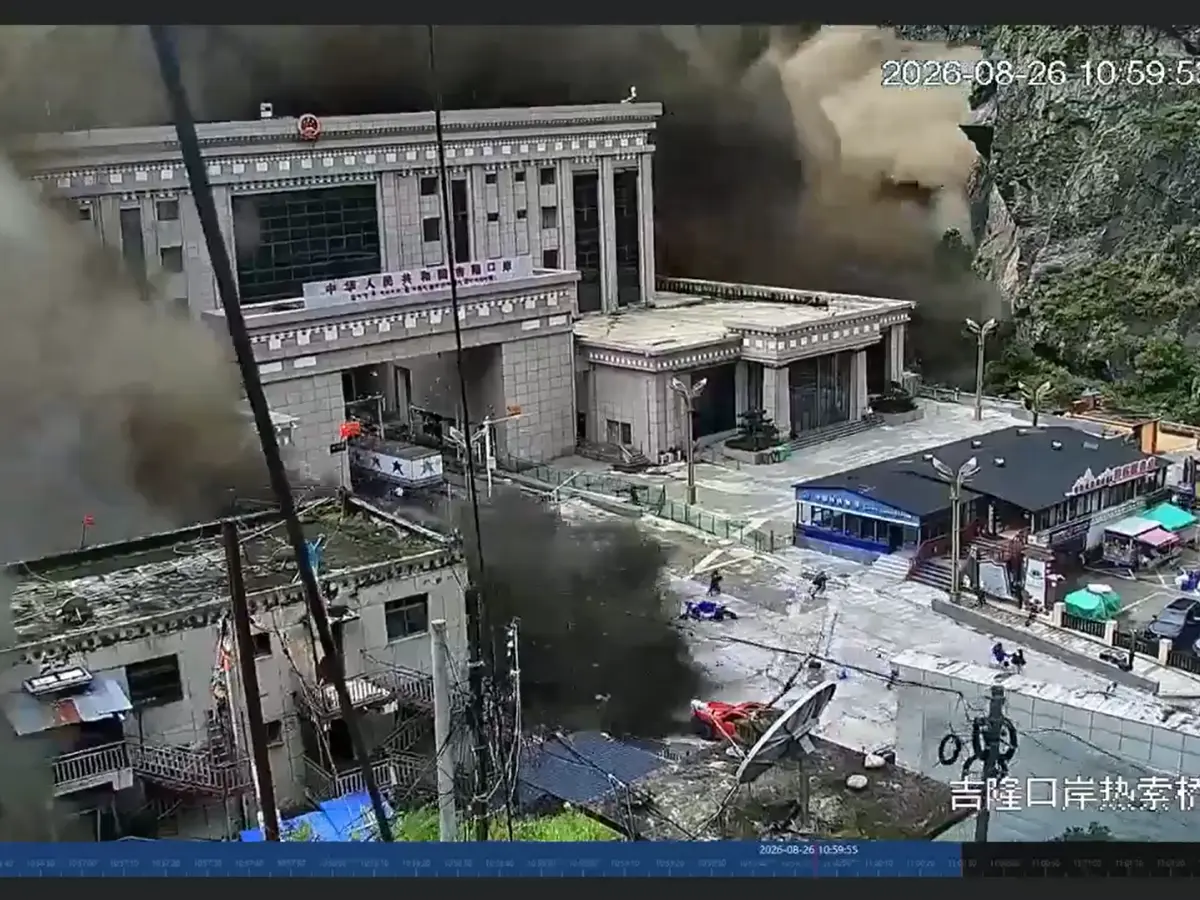
The BBC reported that videos of flooding at Gyirong Port were removed from Chinese social-media platforms.
Chinese journalists and social-media users disputed the BBC’s account, saying the footage had appeared in Chinese media.
Foreign journalists, including Australian Broadcasting Corporation reporter Allyson Horn, said they were denied access to Tibet.
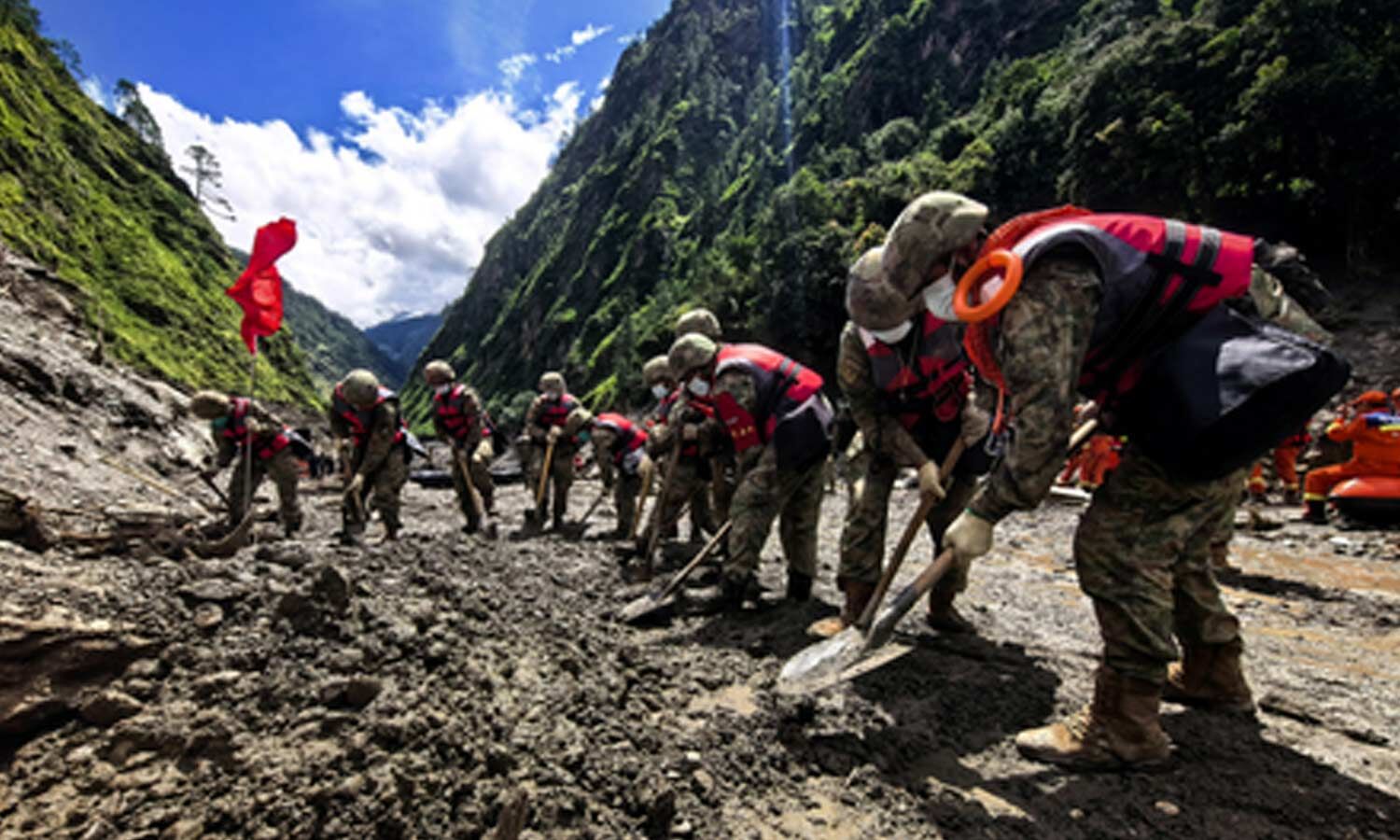
Chinese state media emphasized rescue operations, leadership by Xi Jinping, road reopening and relief supplies.
Restricted access has prevented outsiders from independently verifying the disaster’s full impact and death toll.
- Who
- Flood-affected residents, Chinese authorities and state media, rescue workers, and Chinese and foreign journalists are involved.
- What
- The floods have prompted rescue efforts and a dispute over censorship, media access and reporting in Tibet and Nepal.
- Where
- The disaster affected Nepal and Tibet, including Gyirong Port on the border; foreign journalists were able to report more freely on the Nepali side.
- When
- The dispute has developed during the ongoing flood rescue efforts; the articles also compare coverage with China’s 2008 Sichuan earthquake and 2011 Wenzhou train accident.
- Why
- Restricted access and the reported removal of online footage have limited independent verification, while Chinese authorities emphasize positive crisis coverage.
Critics of Chinese restrictions
Chinese-government supporters and media defenders
Removal of flood videos
Critics of Chinese restrictions
The BBC and critics say footage of the Gyirong Port flood surge was scrubbed from Chinese platforms, demonstrating information control.
Chinese-government supporters and media defenders
Chinese journalists and social-media users say the footage had appeared in Chinese media and accused the BBC of spreading rumors.
Access for independent journalists
Critics of Chinese restrictions
Critics say denying foreign journalists access makes it difficult to verify China’s account, the disaster’s effects and casualty figures.
Chinese-government supporters and media defenders
Supporters of China’s position emphasize the Western media’s alleged bias on Tibet and challenge reporting that cannot be independently confirmed.
Focus of disaster coverage
Critics of Chinese restrictions
Critics say state media’s emphasis on rescue operations and official leadership leaves villagers, homes, communities and possible government responsibility underreported.
Chinese-government supporters and media defenders
Chinese crisis-reporting practice emphasizes positive stories, rescue work, bravery and social stability to avoid panic or unrest.
Key facts
- Disputed footage
- Videos showing a landslide and flood surge at Gyirong Port were initially circulated on Weixin and RedNote, then reportedly became inaccessible.
- Foreign media access
- Allyson Horn of the Australian Broadcasting Corporation said repeated requests to travel to Tibet were denied.
- Chinese coverage
- State media focused on People’s Liberation Army rescue operations, Xi Jinping’s leadership, Li Qiang’s visit, road reopening and relief supplies.
- Reporting gap
- The articles say there has been less reporting on local villagers, homes and communities in the affected area.
- Casualty figures
- Critics have alleged that China is hiding the true death toll, but no outsiders have independently verified the competing claims.
- Nepali reporting
- Foreign journalists were able to interview survivors on the Nepali side without the restrictions described in Tibet.
- Historical comparison
- The articles contrast current coverage with extensive Chinese reporting after the May 12, 2008 Sichuan earthquake.
Quotes
An unnamed Chinese journalist
A Chinese journalist criticizing the BBC’s reporting on flood-video censorship
“Never seen the BBC spread rumours so blatantly”
 scroll.in
 telegraphindia.com
Sources
Related news
Floods in Tibet Raise Questions About China’s Information Controls
Tibet Nepal Floods Draw Rescue Efforts and Information Concerns
China’s Information Controls Obscure Tibet Flood Damage Assessment
HRW Raises Censorship Concerns Over Tibet Flood Coverage
Glacier Collapse Floods Tibet and Nepal, Raising Questions About China
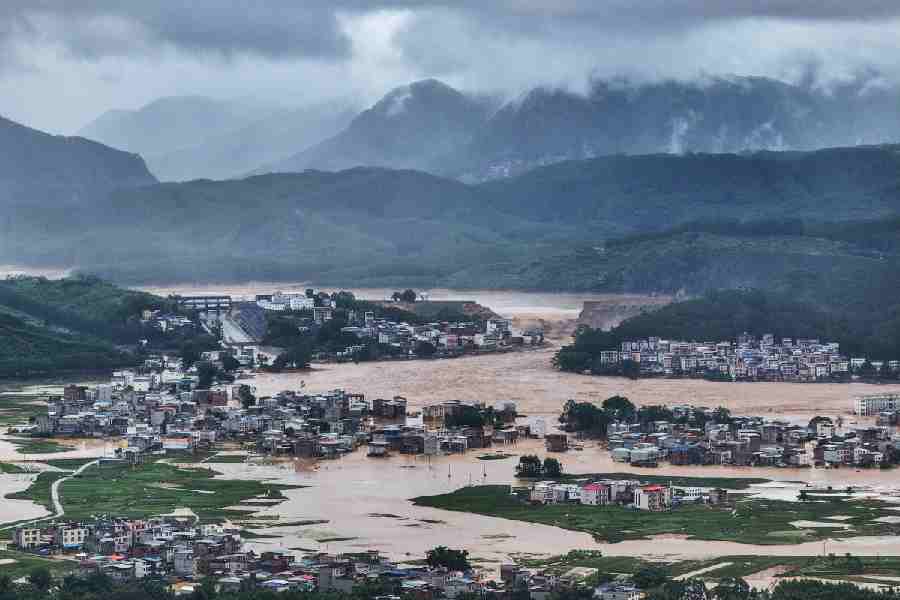
Flood of Silence: State Media Silent Over China Flood Devastation
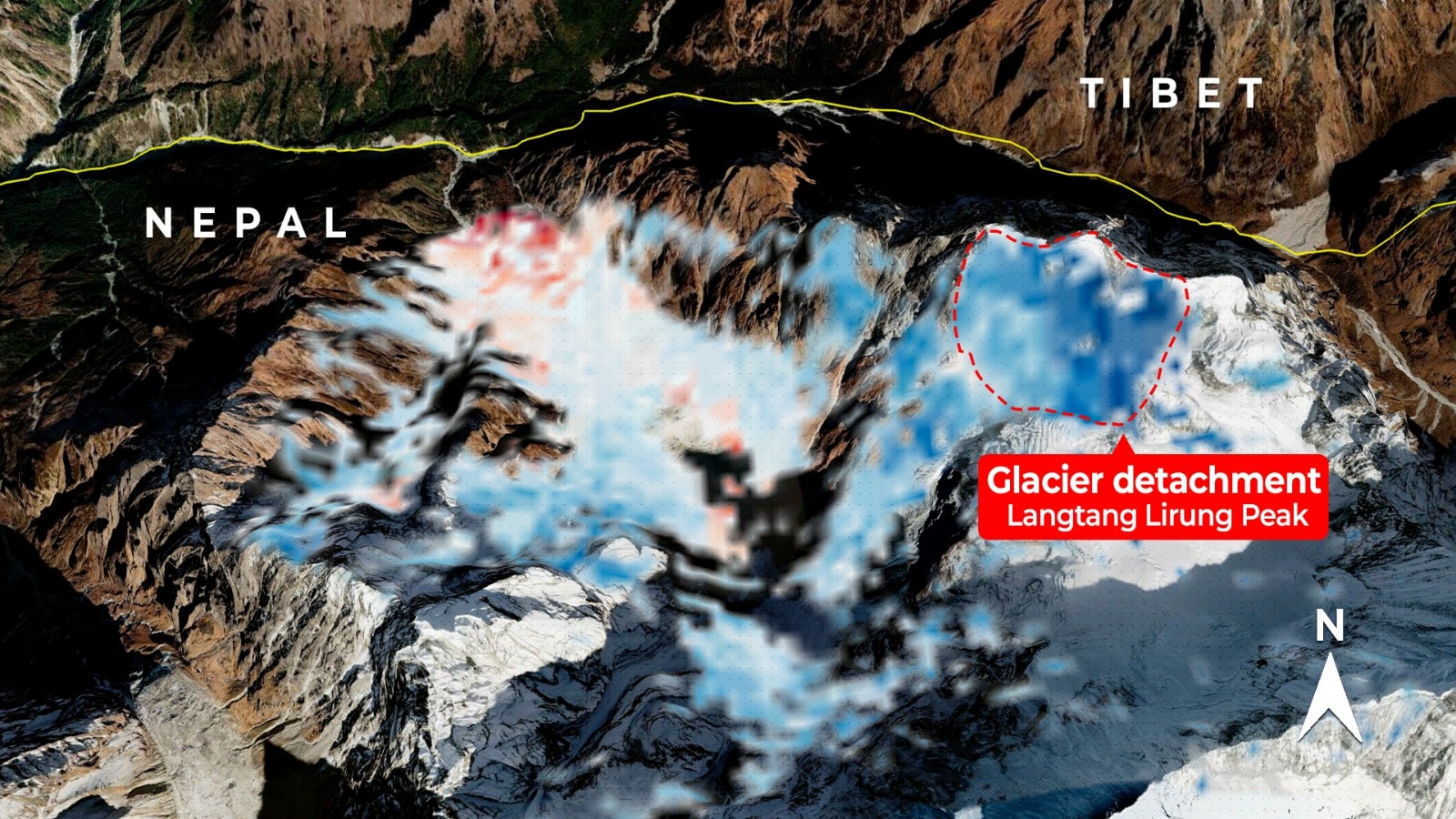
Satellite Radar May Strengthen Nepal's Flood Warning Systems
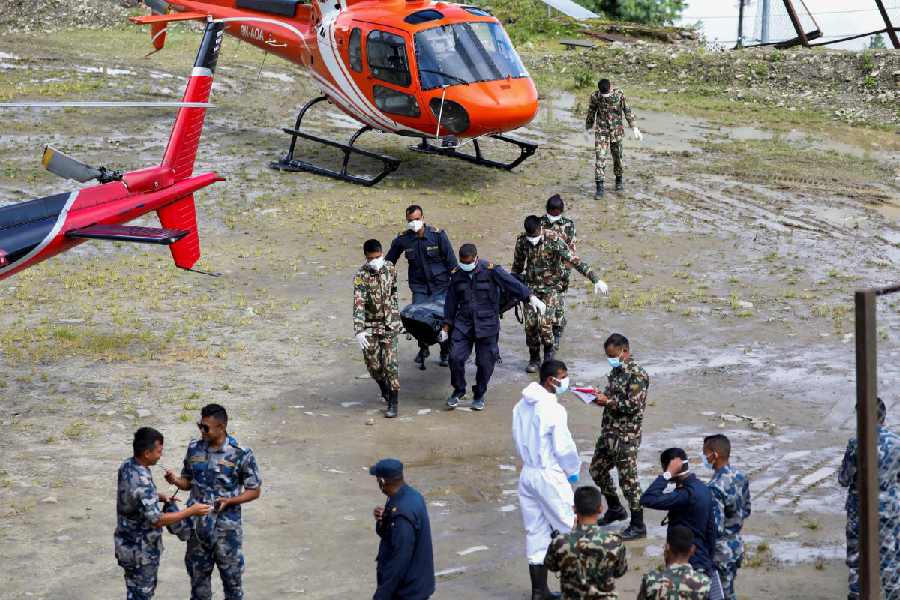
Nepal Plans New Landslide Warning System Along China Border

Nepal Thanks India as Glacial Disaster Rescue Efforts Continue
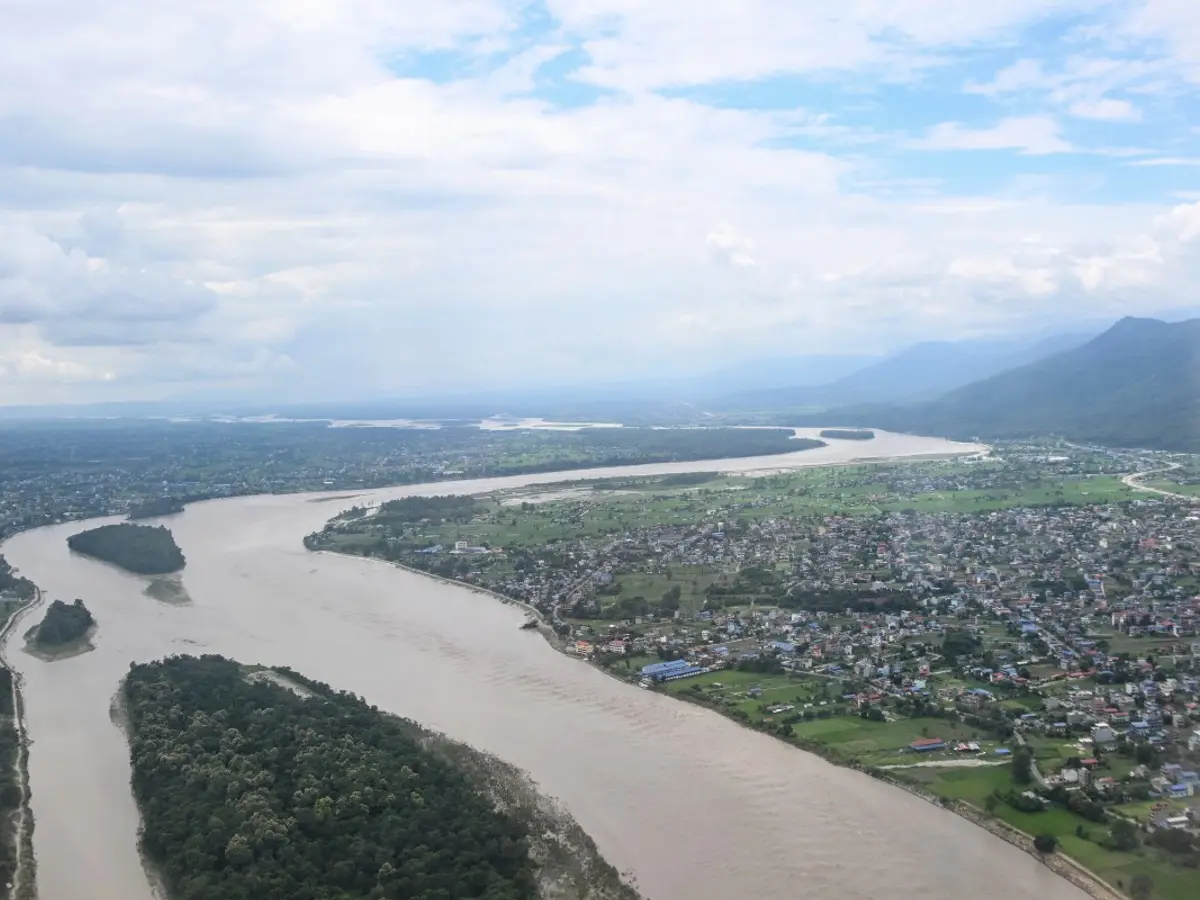
Nepal Warns of Heavy Rain After Deadly Floods