6 days ago
Satellite Images Reveal Possible Cause of Devastating Nepal Floods
A very large flood swept through part of Nepal near the border with Tibet.
Reports gave different numbers, but at least 72 to 95 people died.
Hundreds of people, including many tourists, were reported missing.
Scientists and officials think ice, snow and rocks fell from an unstable mountain area.
This may have pushed water from a glacial lake or blocked a river.
The sudden water surge carried mud, ice and rocks downstream.
It damaged villages, roads, bridges and hydropower projects.
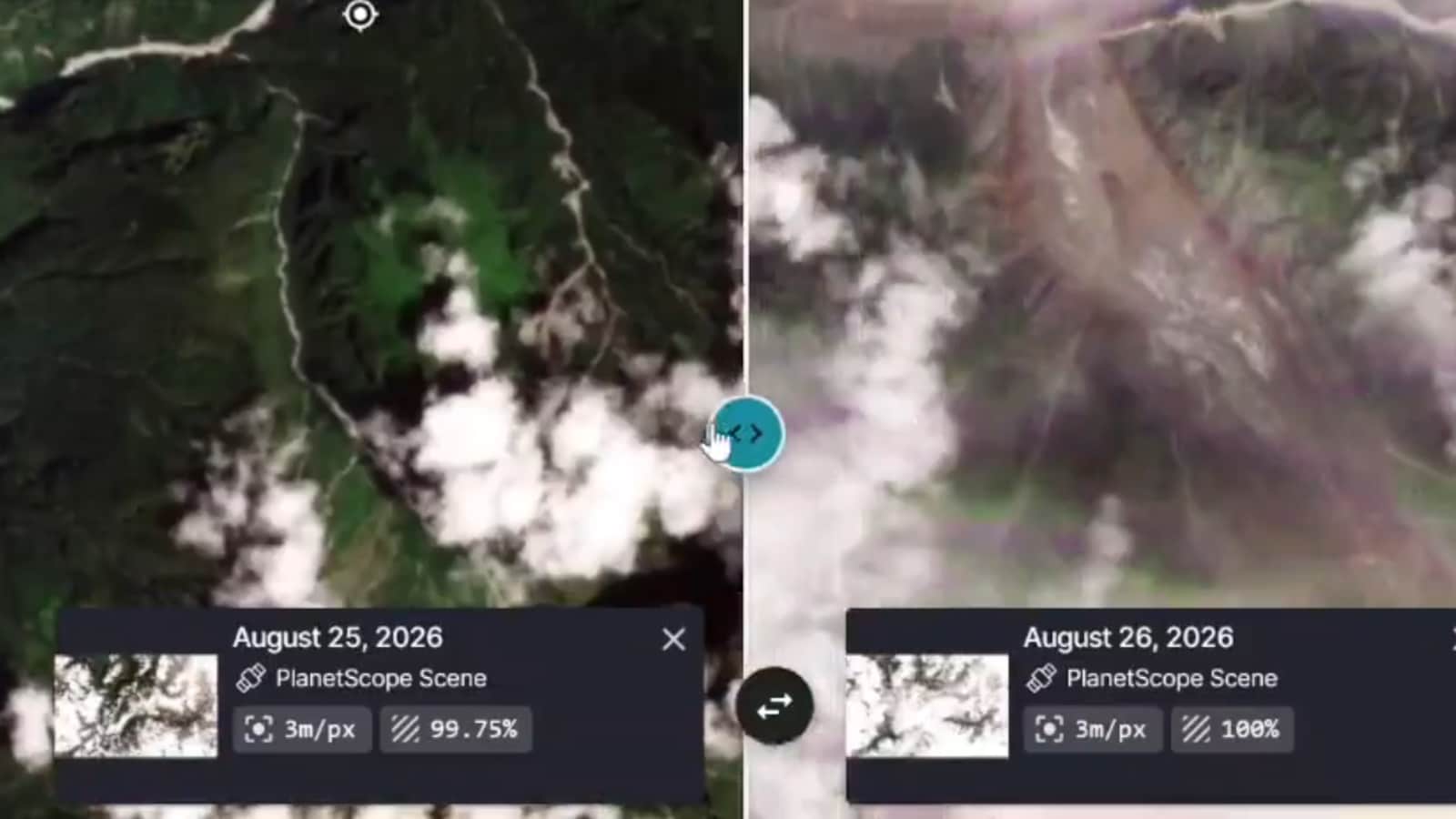
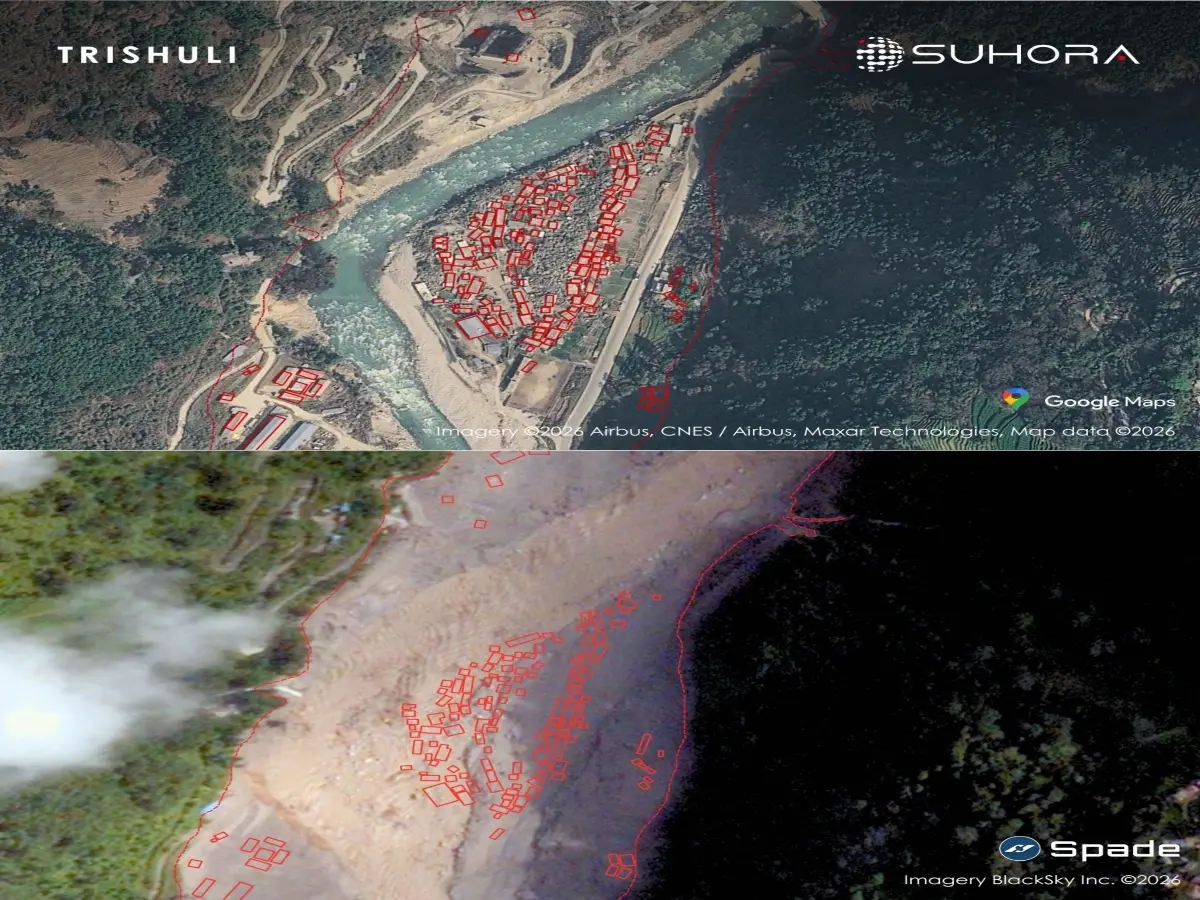
Satellite pictures taken before and after the flood show how much the land and rivers changed.
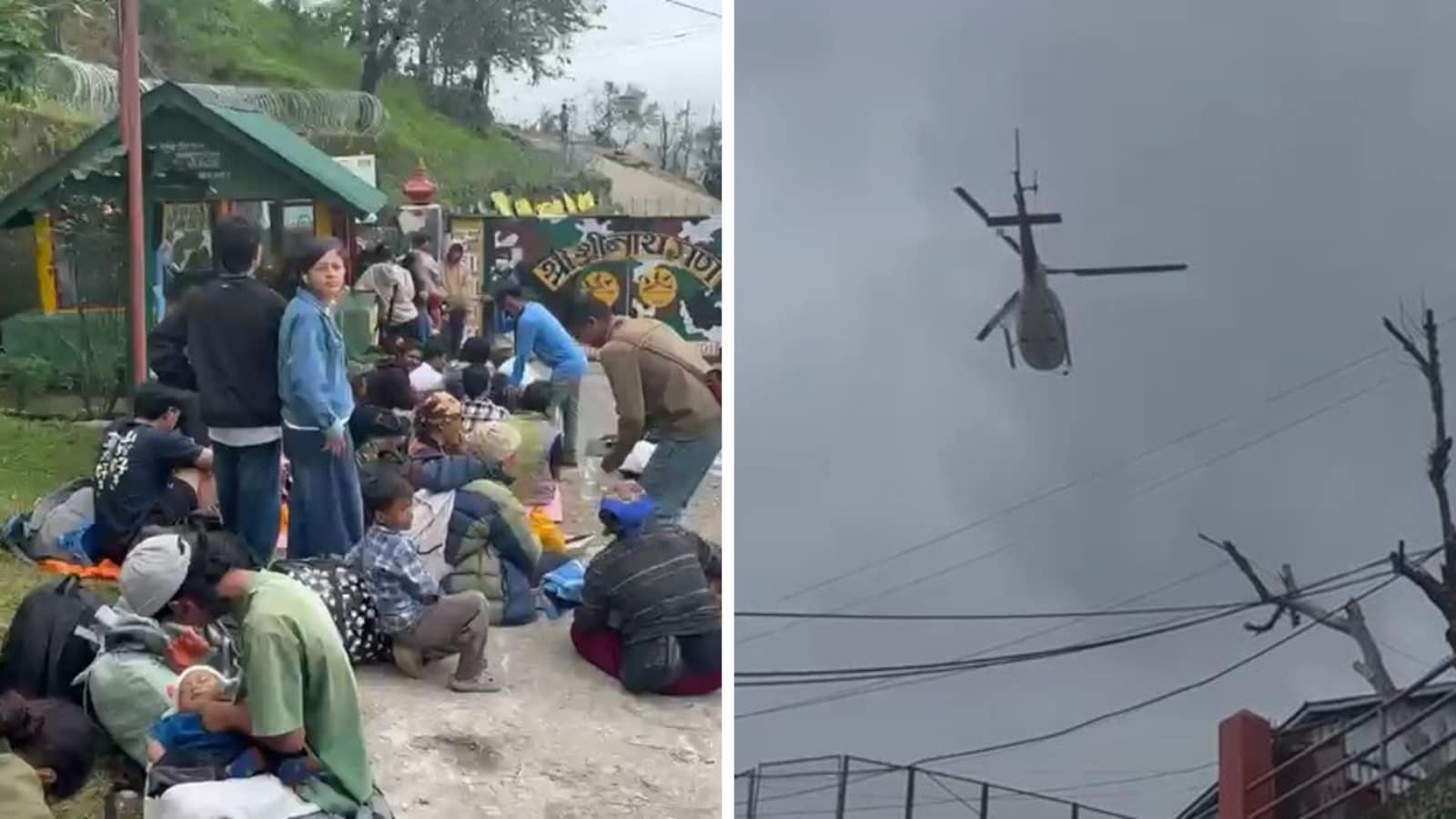
India offered to help Nepal with rescue and relief work.

Flash floods in Nepal killed at least 72 to 95 people, according to differing reports.
Between nearly 500 and 384 people were reported missing, including Indians and other foreign tourists.
Preliminary analyses linked the flooding to an ice avalanche or snow-and-rock collapse near the Nepal-Tibet border.
The resulting surge carried glacial ice, meltwater, mud and debris through the Lhende Khola and Bhote Koshi river system.
Planet Labs images showed destroyed villages, roads and hydropower projects and major changes to river channels.
- Who
- Residents and tourists were affected; Nepalese authorities coordinated the response, while India offered assistance.
- What
- A flash flood carrying water, ice and debris destroyed settlements and infrastructure, killing at least 72 to 95 people and leaving hundreds missing.
- Where
- The flooding occurred near the Nepal-China, or Nepal-Tibet, border, about 20 kilometers northeast of the Rasuwagadhi border area, including the Manakamana and Khadga Bhanjyang areas.
- When
- The flood struck on Wednesday; Planet Labs images compared dates including August 23 and 26 or August 25 and 26.
- Why
- Preliminary studies and officials suggested that an ice avalanche or snow-and-rock collapse may have entered a glacial lake or blocked a river channel, triggering the surge.
Preliminary Cause Assessment
Unresolved Mechanism
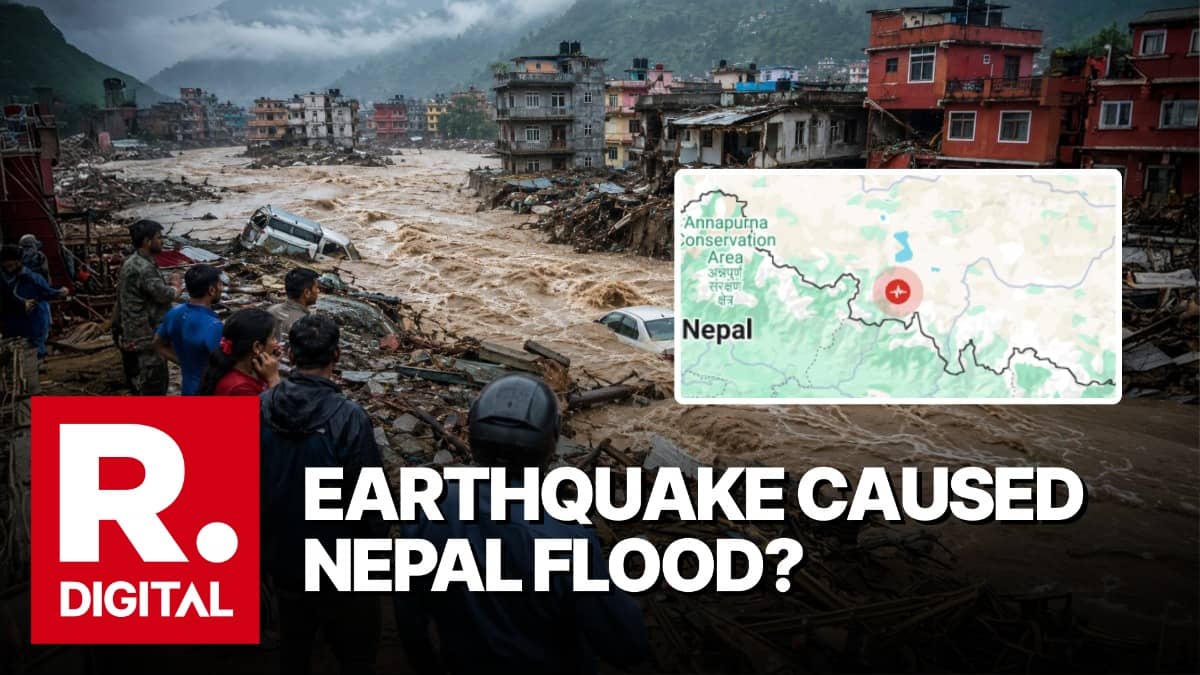
What triggered the flood
Preliminary Cause Assessment
Officials and preliminary satellite analyses attributed the event to an ice avalanche caused by an unstable mountain rock mass, with snow and rock possibly falling into a glacial lake.
Unresolved Mechanism
The mechanism remained uncertain: the material may instead have blocked a river channel, and the reports did not establish conclusively whether a lake overflow or a river blockage caused the surge.
Scale of the human toll
Preliminary Cause Assessment
One report said at least 95 people died and 384 tourists were missing.
Unresolved Mechanism
Another report gave a lower death toll of at least 72 and said nearly 500 people were missing, including 133 Indians, illustrating that casualty figures were still developing.
Key facts
- Reported deaths
- At least 72 people in one report and at least 95 in another
- Reported missing
- Nearly 500 people in one report; Nepalese officials separately reported 384 missing tourists
- Missing Indians
- Reports cited 108 or 133 Indians among those missing
- Possible cause
- An ice avalanche or snow-and-rock collapse near an unstable mountain area
- Affected river system
- The surge moved through the Lhende Khola into the Bhote Koshi river
- Damage
- Villages, homes, roads, bridges and hydropower projects were damaged or washed away
- Satellite evidence
- Planet Labs images showed extensive debris, muddy floodwater, widened river channels and altered valley floors
- India's response
- Prime Minister Narendra Modi offered Nepal humanitarian assistance and coordination on rescue and relief efforts
Quotes

Narendra Modi
Prime Minister of India
“India is prepared to provide Nepal with all possible types of humanitarian assistance. Our teams are closely coordinating on rescue and relief efforts.”
 NDTV
NDTV
Sources

Related news

Nepal-Tibet Flash Floods Leave Hundreds Dead and Missing

ISRO Images Link Nepal-Tibet Floods to Glacier Collapse

Nepal Flood May Have Begun With Border Ice Avalanche
Satellite Images Show Nepal Towns Buried After Flash Flood
Nepal Flash Floods: Possible Avalanche, Earthquake or GLOF Triggers

Nepal Flash Floods Kill 16, Other Report Says Over 50

Nepal Thanks India as Glacial Disaster Rescue Efforts Continue
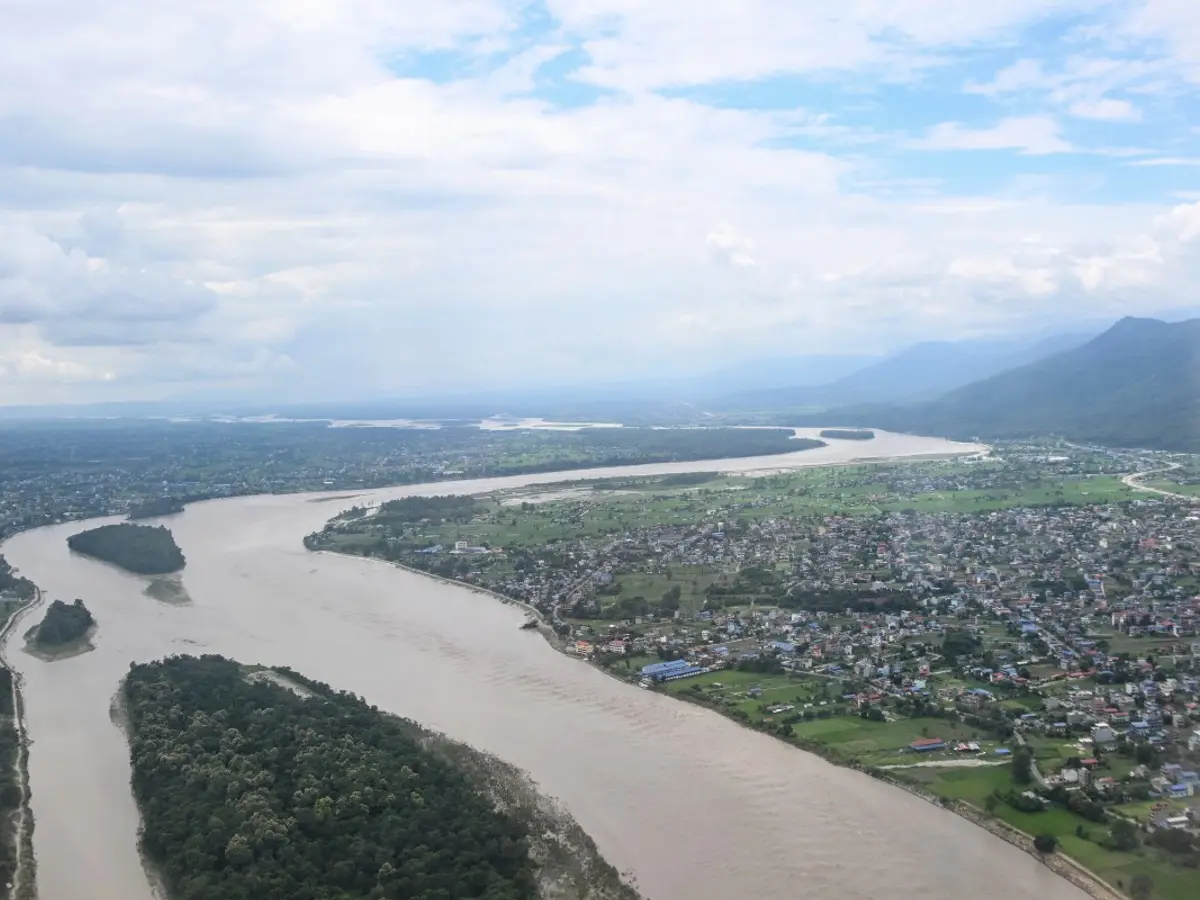
Nepal Warns of Heavy Rain After Deadly Floods
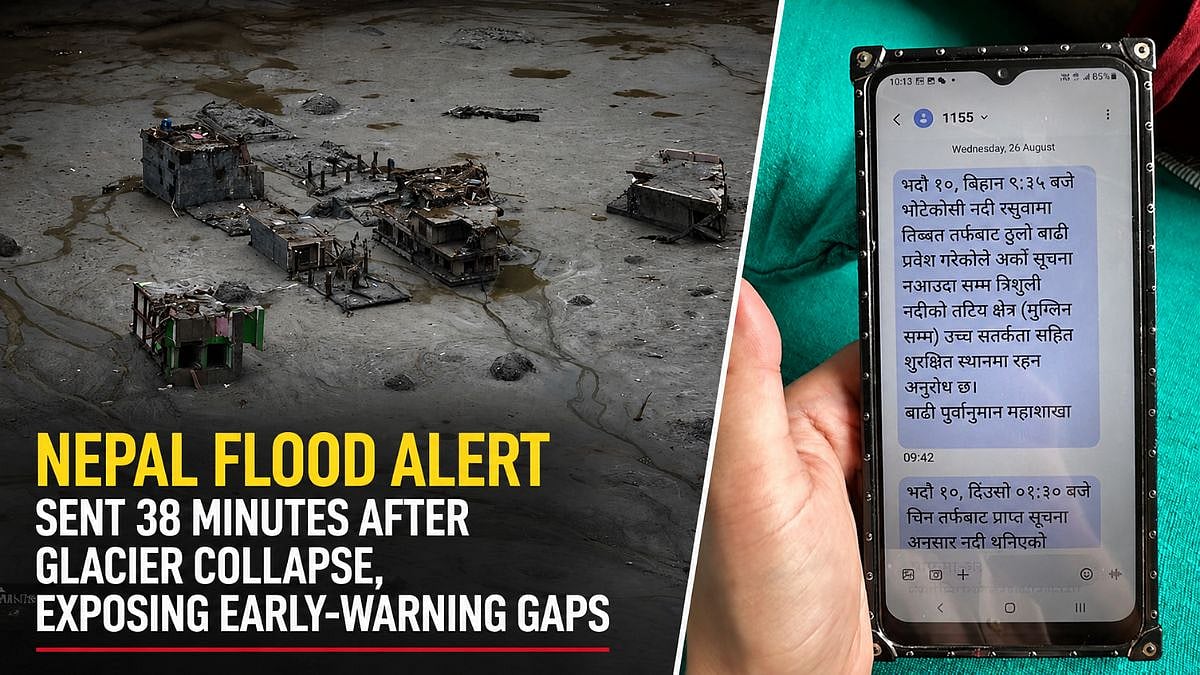
Nepal Flood Exposes Delayed Alerts and Cross-Border Warning Gaps

Bhotekoshi Flood Crisis: Nepal PM Shah Calls for Courage

Nepal PM Thanks India, China Amid Climate Compensation Demand