

2 weeks ago
Climate Change Drives Record Heat Across Europe’s Seas
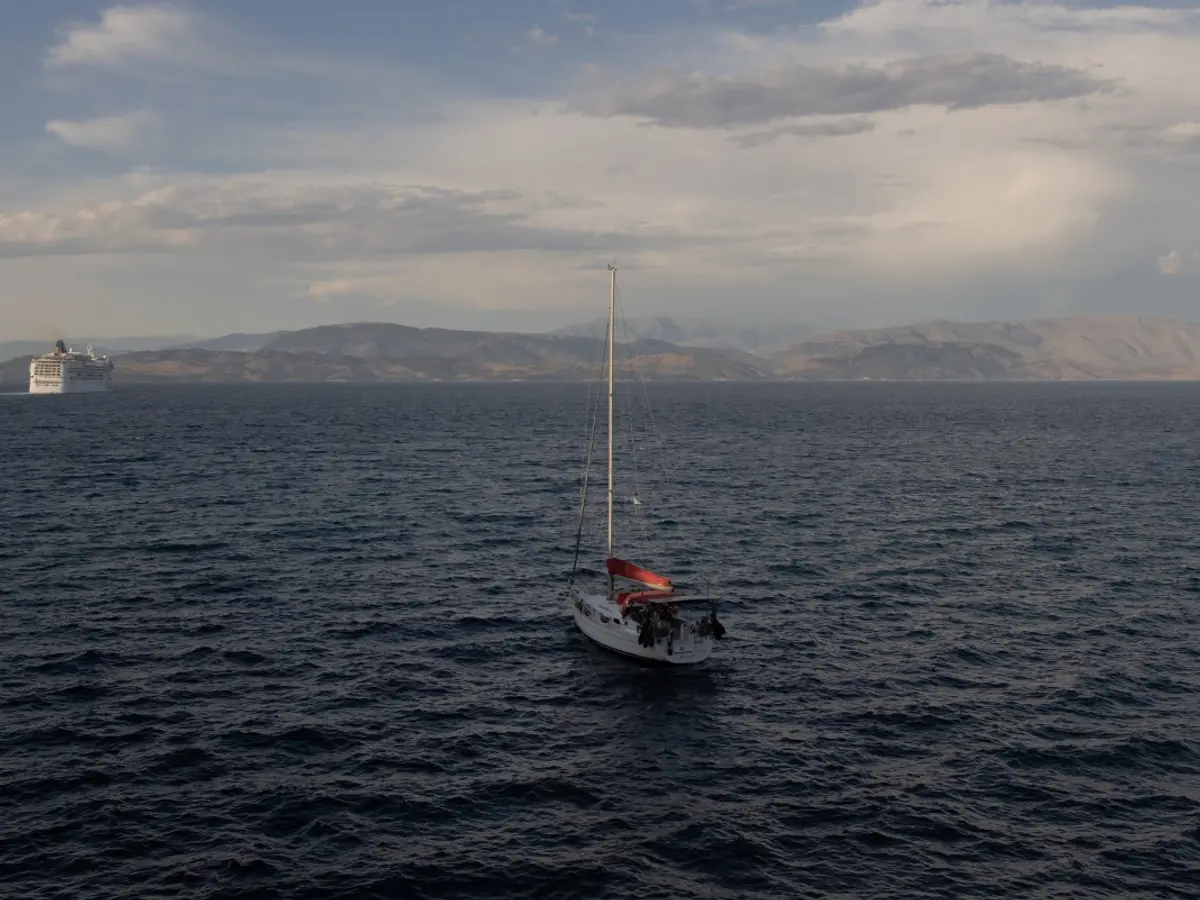
Scientists found that climate change is making European seas unusually hot.
The Mediterranean was warmer in July than ever recorded for that month.
Water near Mallorca reached 33°C in early August.
Some parts of the Mediterranean were more than 6°C warmer than usual during the hottest part of July.
Researchers said these extreme temperatures would have been nearly impossible without human-caused warming.
Hot seas can harm corals and other marine life.
Some animals are moving north to find cooler water, but others may not adapt quickly enough.
Warmer water can make coastal areas more humid and help fuel stronger storms.
These changes could threaten food supplies and communities that depend on the sea.

Scientists say human-caused climate change was the main driver of record sea temperatures around Europe.
The Mediterranean averaged 27°C in July, its highest temperature for that month on record.
A buoy near Mallorca recorded 33°C in early August, while some Mediterranean areas were over 6°C above normal.
Climate change added about 2°C to Mediterranean temperatures and around 1.4°C to Western European waters.
Marine heatwaves affected about 90% of the Bay of Biscay and Iberian coast and 80% of the western Mediterranean.
- Who
- Scientists from the World Weather Attribution group and marine researchers including Claire Bergin, John Bruno and Thomas Frolicher.
- What
- An analysis concluded that human-caused climate change drove record-breaking sea temperatures and widespread marine heatwaves around Europe.
- Where
- The Mediterranean Sea, the Bay of Biscay, the Iberian coast and the Celtic Sea off Britain and Ireland.
- When
- The record temperatures were recorded in July and early August; the report was published on August 19.
- Why
- Greenhouse gas emissions have raised global temperatures, making extreme marine heat more likely.
Key facts
- Mediterranean July average
- 27°C, the highest July average on record
- Mallorca offshore temperature
- 33°C recorded by a buoy in early August
- Mediterranean warming contribution
- About 2°C attributed to human-caused climate change
- Western European warming contribution
- Around 1.4°C attributed to human-caused climate change
- Marine heatwave coverage
- About 90% of the Bay of Biscay and Iberian coast and 80% of the western Mediterranean experienced marine heatwaves
- Counterfactual coverage
- Without current global warming, about 40% of those areas would have experienced marine heatwaves
- Celtic Sea frequency
- The most extreme temperatures would have been expected about once a century without human-caused climate change
Quotes
Claire Bergin
Climate scientist, Maynooth University, co‑author of the study
“This has the potential to completely reshape ecosystems that coastal communities rely on for food and income, and drive damaging extreme weather on land too”
 theprint.in
“We are rapidly approaching the absolute biological limits of adaptation for many species”
theprint.in
Thomas Frolicher
Environmental physicist and co‑author of the WWA study
“From the Atlantic waters off Ireland to the Mediterranean Sea, Europe’s seas are experiencing an alarming surge in temperatures,”
 wionews.com
Sources
Related news

World's seas hottest July on record as Europe faces heatwaves

Record Ocean Warmth Signals Climate Change Entering Unfamiliar Territory
Global Sea Surface Temperature Sets Record Amid El Niño Warming

World’s Oceans Reach Record Heat as El Niño Intensifies

Europe's 2026 summer: burning, drying out, struggling to adapt

France Braces for Fifth Heatwave as Europe Sets Temperature Records

Ikea cuts European prices as cost pressures weaken demand

Europe's Bond Selloff Deepens as Middle East Tensions Lift Oil

China’s Rapid Car Development Faces Growing Safety Scrutiny

CNG Prices Rise Rs 2 per Kilogram in Pune

China Challenges US Leadership in Escalating Global AI Contest
