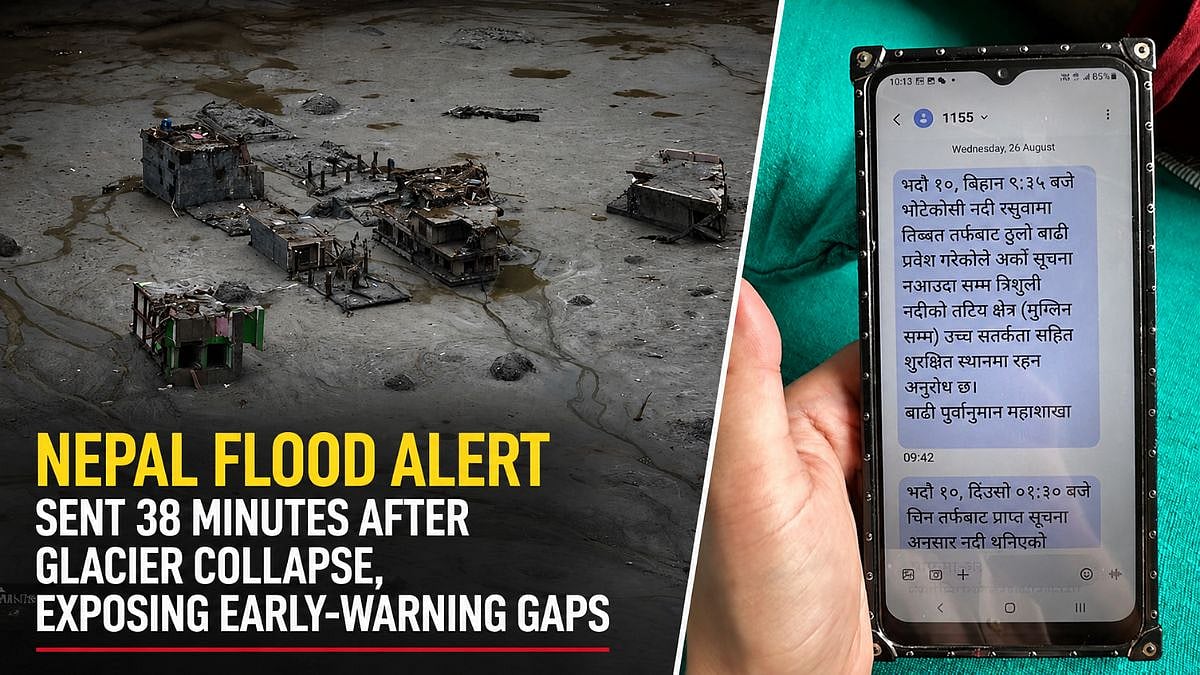
3 days ago
Nepal Deluge Traced to Glacier Collapse Near Tibet

A huge flood struck parts of Nepal after a blockage formed in a mountain river.
The blockage may have been caused by an avalanche or by ice and rocks collapsing.
It stopped water in the Lhende tributary of the Bhotekoshi River.
Then mud, rocks and water rushed downstream.
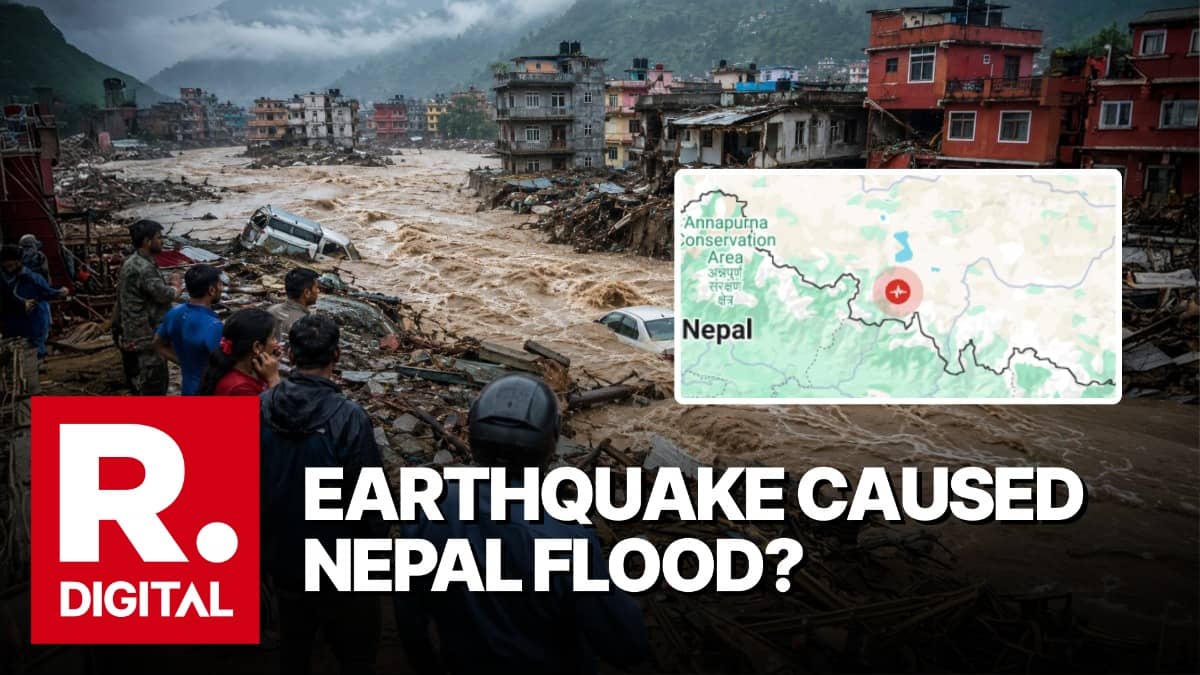
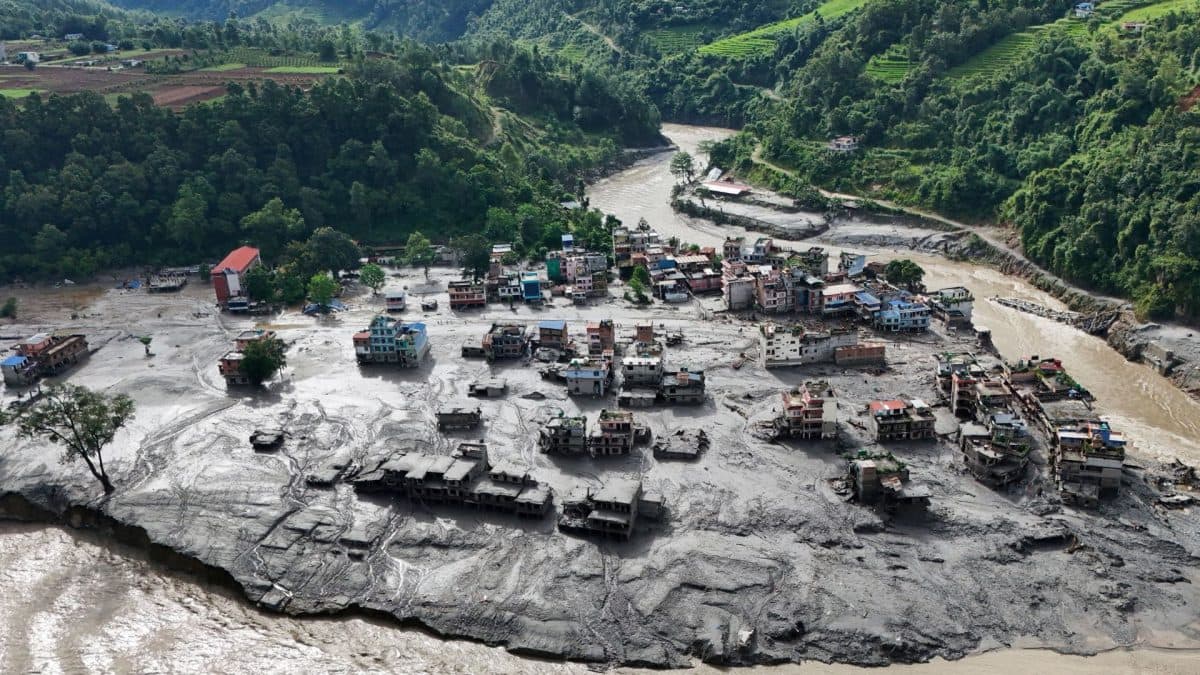
The flood swept through mountain towns and valleys.
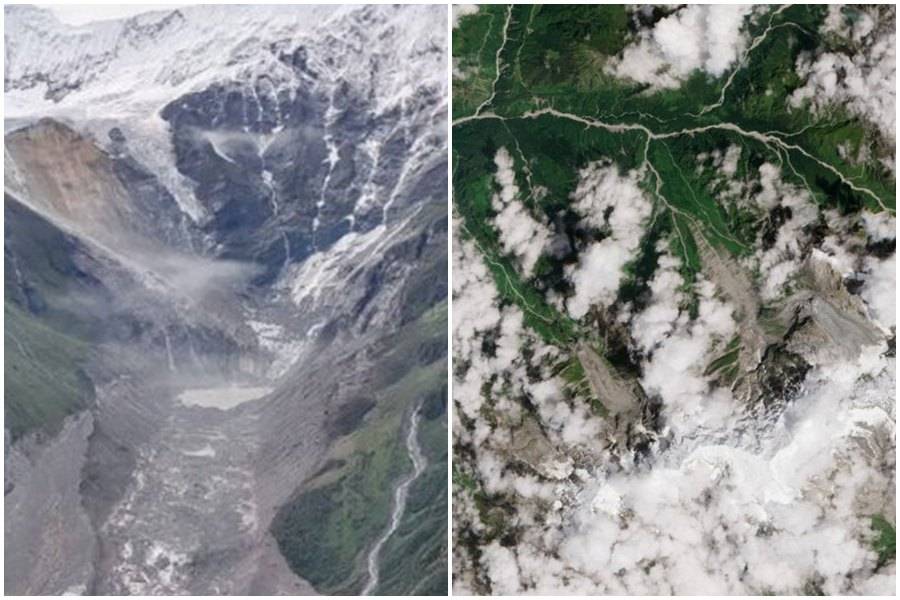
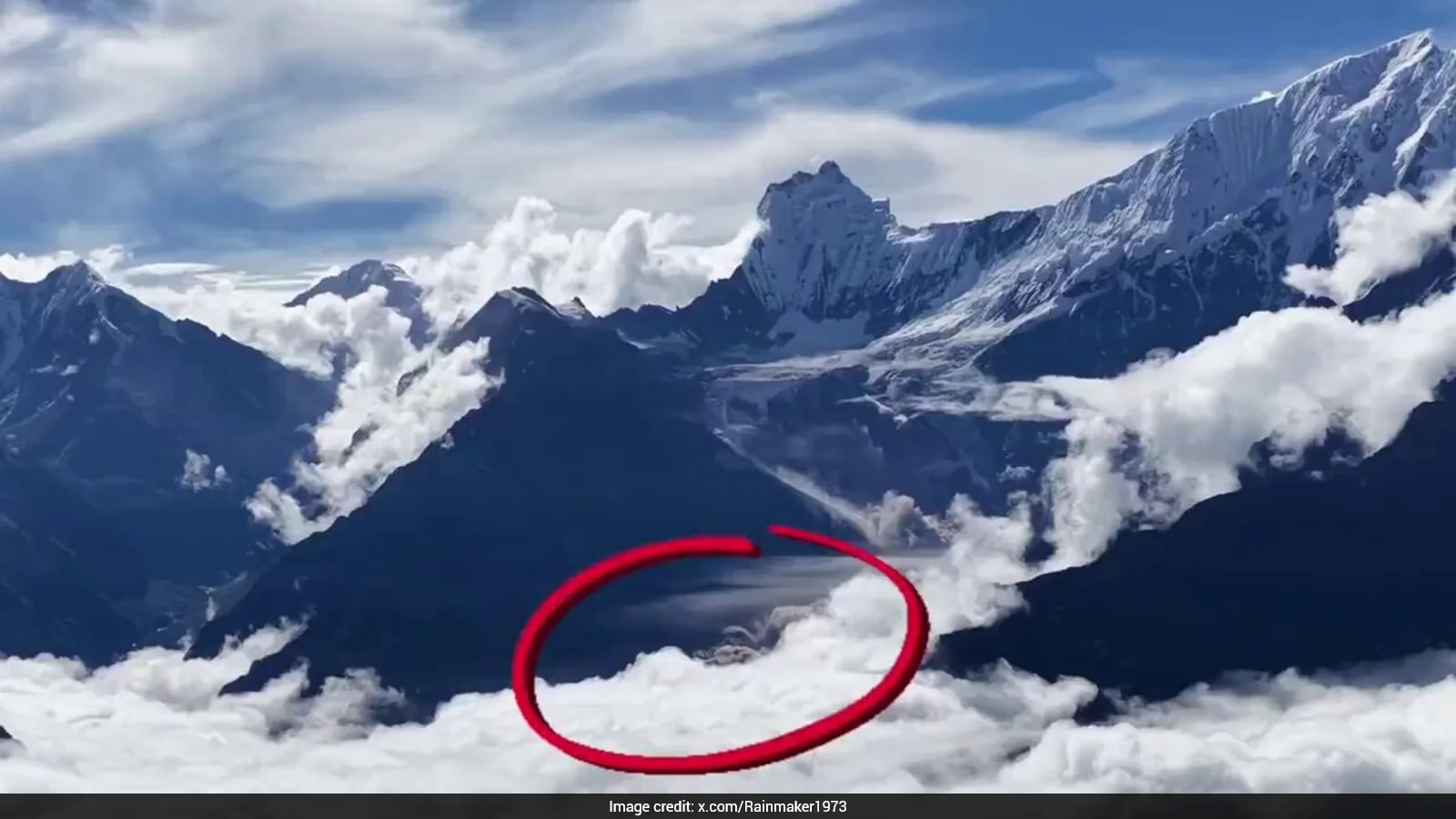
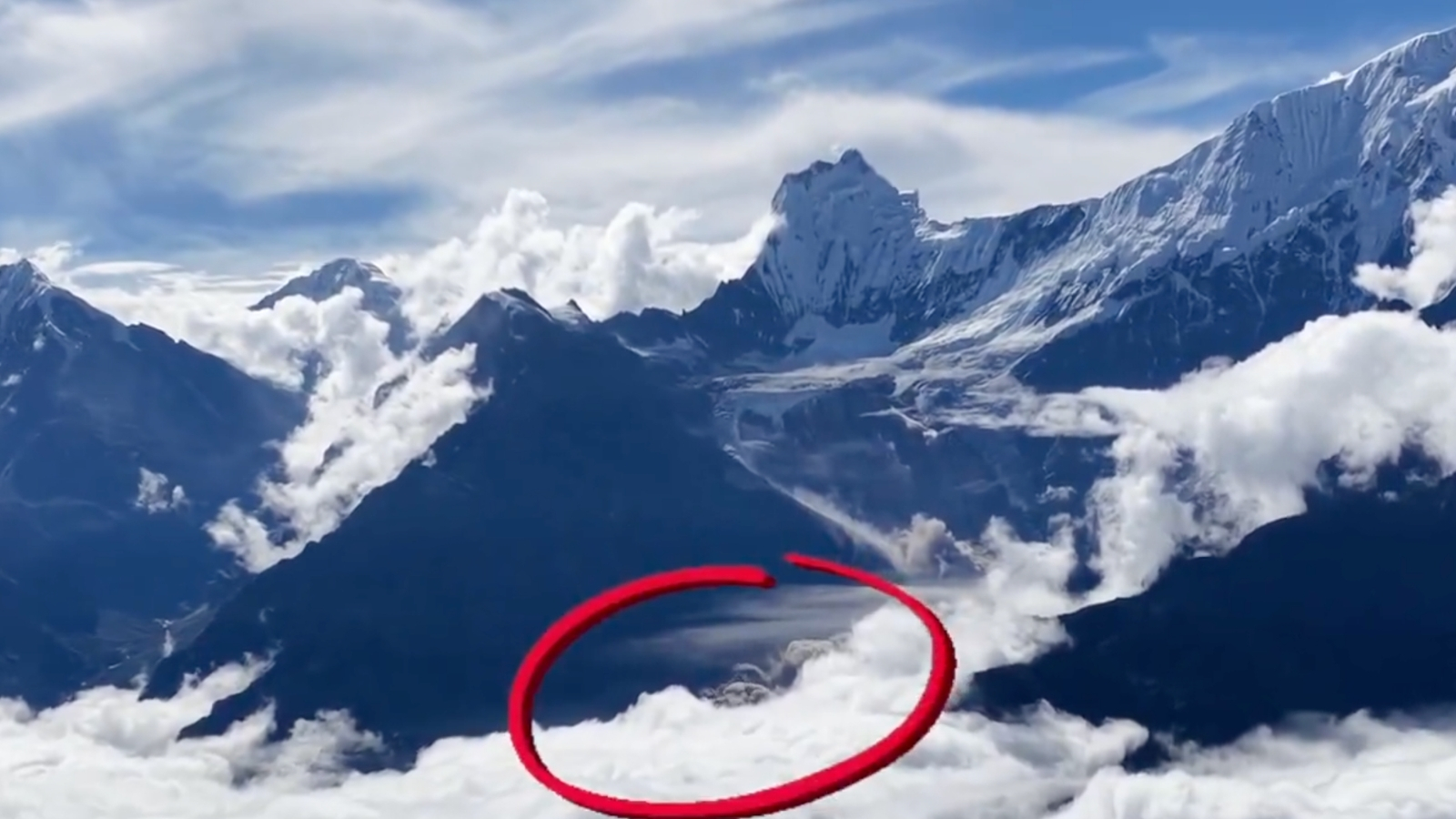
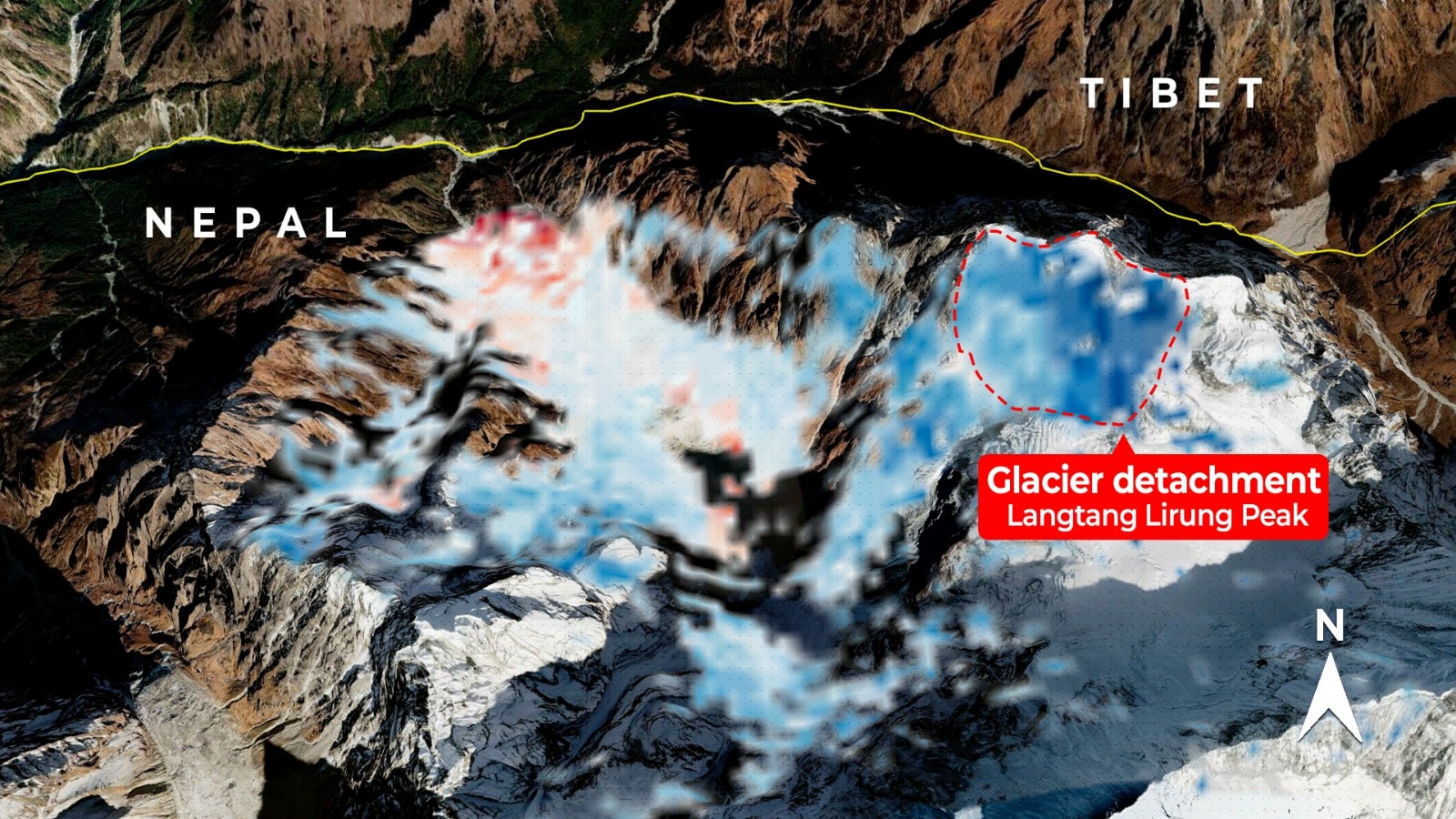
Pictures show that a large section of a glacier may have broken away.
The suspected starting point is in Tibet’s Shigatse region.
The event happened on August 26.
The available report describes the natural collapse but does not prove that people caused it.

An avalanche or ice-and-rock collapse blocked the Lhende tributary of Nepal’s Bhotekoshi River.
The blockage sent mud, rocks and water downstream through mountain towns and valleys.
The suspected disaster site shows a broad scar from a glacier down the Himalayan valley.
Verified footage indicates that part of a glacier broke away from a ridge in Tibet’s Shigatse region.
The collapse occurred on August 26, but the explainer does not definitively establish whether human activity contributed.
- Who
- Mountain communities in Nepal were affected; the event involved a glacier and the Lhende tributary of the Bhotekoshi River.
- What
- An avalanche or ice-and-rock collapse blocked a tributary, causing catastrophic downstream flooding.
- Where
- Near Nepal’s border with Tibet, in the Himalayas and Tibet’s Shigatse region.
- When
- August 26.
- Why
- The blockage released a massive flow of mud, rocks and water downstream; the report does not definitively identify any human cause.
Key facts
- Main hazard
- Catastrophic flooding
- Suspected trigger
- An avalanche or ice-and-rock collapse
- Affected waterway
- The Lhende tributary of the Bhotekoshi River
- Reported date
- August 26
- Suspected origin
- A large section of glacier breaking away from a ridge in Tibet’s Shigatse region
- Visible evidence
- A vast grey scar running from the glacier down the valley
- Downstream impact
- Mountain towns and valleys were swept by mud, rocks and water
Sources
Related news

Nepal Flood May Have Begun With Border Ice Avalanche
Images Reveal Glacier Collapse Behind Nepal’s Deadly Flood
Drone Footage Shows Nepal Glacier Collapse Behind Deadly Floods
Nepal Flash Floods: Possible Avalanche, Earthquake or GLOF Triggers
Langtang Lirung Mountainside Collapse Triggered Devastating Nepal-Tibet Flood
Drone Footage Reveals Glacier Collapse Behind Nepal-Tibet Floods

Nepal Flood Death Toll Tops 1,200 as Searches Continue
Satellite Radar May Strengthen Nepal's Flood Warning Systems
Nepal Plans New Landslide Warning System Along China Border

Nepal Thanks India as Glacial Disaster Rescue Efforts Continue
Nepal Warns of Heavy Rain After Deadly Floods