2 days ago
Meta Settlement Limits Features but Avoids Public Trial
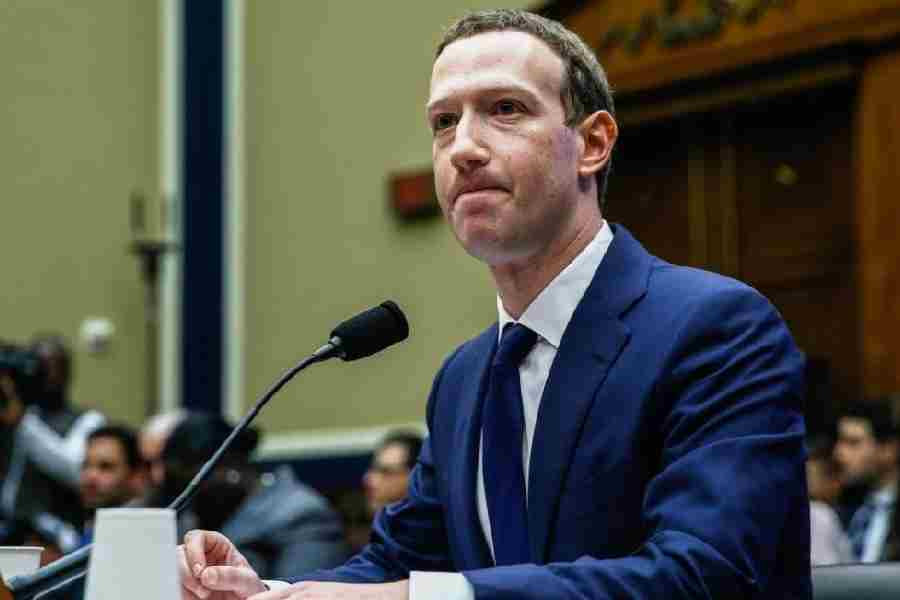
Twenty-nine US states accused Meta of designing Facebook and Instagram to keep young people using them for longer.
They said the company knew some of its research connected Instagram use with depression, anxiety and body-image concerns.
The states also accused Meta of collecting data from children under 13 without permission.
Meta agreed to pay about $18 billion over 10 years.
The money may support online-safety programs and other state priorities.
The agreement is also expected to change features such as infinite scrolling and autoplay for teenagers.
Meta said part of the payment will depend on similar actions and payments by YouTube and TikTok.
Critics wanted a trial because it could have made more evidence and executive testimony public.
The article also says concerns about Instagram’s handling of harmful material remain in India.

Twenty-nine US state attorneys general sued Meta over allegedly addictive design, child data collection and consumer-protection violations.
The case alleged Meta studied adolescent vulnerabilities and continued using engagement-focused features despite internal research linking Instagram to harms among young users.
Meta agreed to pay approximately $18 billion over 10 years for youth online-safety initiatives and other state priorities.
The agreement includes design changes such as limits on infinite scroll and autoplay for users under 18 in the United States and some other countries.
Critics said the settlement prevented a full trial, limiting public scrutiny of Meta’s internal research, executive testimony and handling of alleged harms.
- Who
- Meta was sued by attorneys general from 29 US states.
- What
- The states alleged that Meta used addictive product design, improperly collected children’s data and violated consumer-protection laws; Meta reached an approximately $18 billion settlement.
- Where
- The hearings took place in Oakland, California, while the agreement covers users and states in the United States and includes some design changes affecting users in other countries.
- When
- The nationwide investigation began in 2021, and the settlement was reached after hearings began in Oakland earlier this month, according to the article.
- Why
- The states sought to address alleged harms to young users, including addictive engagement features, mental-health risks and alleged collection of children’s data without parental consent.
Critics and Public-Interest Groups
Meta’s Settlement Position
Trial versus settlement
Critics and Public-Interest Groups
Critics said a trial would have improved public accountability, produced a fuller public record and allowed Mark Zuckerberg to answer questions under oath.
Meta’s Settlement Position
Meta agreed to resolve the case through a settlement that provides approximately $18 billion for youth online-safety initiatives and other state priorities.
Responsibility for youth harms
Critics and Public-Interest Groups
The states and critics argued that Meta designed products to exploit adolescent vulnerabilities and continued using harmful engagement features despite internal research.
Meta’s Settlement Position
The agreement focuses on changing product design, including controls and blocks for younger users, rather than litigating the allegations through a completed trial.
Industry-wide measures
Critics and Public-Interest Groups
Critics may view Meta’s conditions involving YouTube and TikTok as weakening the direct accountability of Meta for its own conduct.
Meta’s Settlement Position
Meta’s agreement makes release of approximately 30% of the payment conditional on YouTube and TikTok adopting measures such as daily limits, night mode and age assurance, and making matching payments.
Key facts
- Defendants
- Meta, including Facebook and Instagram
- Plaintiffs
- Attorneys general from 29 US states
- Settlement value
- Approximately $18 billion
- Payment period
- Annual instalments over 10 years
- State allocation
- Participating states will receive approximately 70% of the allocated payment over the decade
- Conditional amount
- Approximately $5.3 billion, or 30%, depends on measures and matching payments involving YouTube and TikTok
- Product changes
- The agreement includes measures intended to curb features such as infinite scroll and autoplay for users under 18
Sources
Related news
Meta Settles U.S. Teen Safety Claims With New Platform Rules
Meta Faces Trial Over Claims Its Platforms Hook Children

Meta Youth Safety Trial Could Reshape Social Media Worldwide
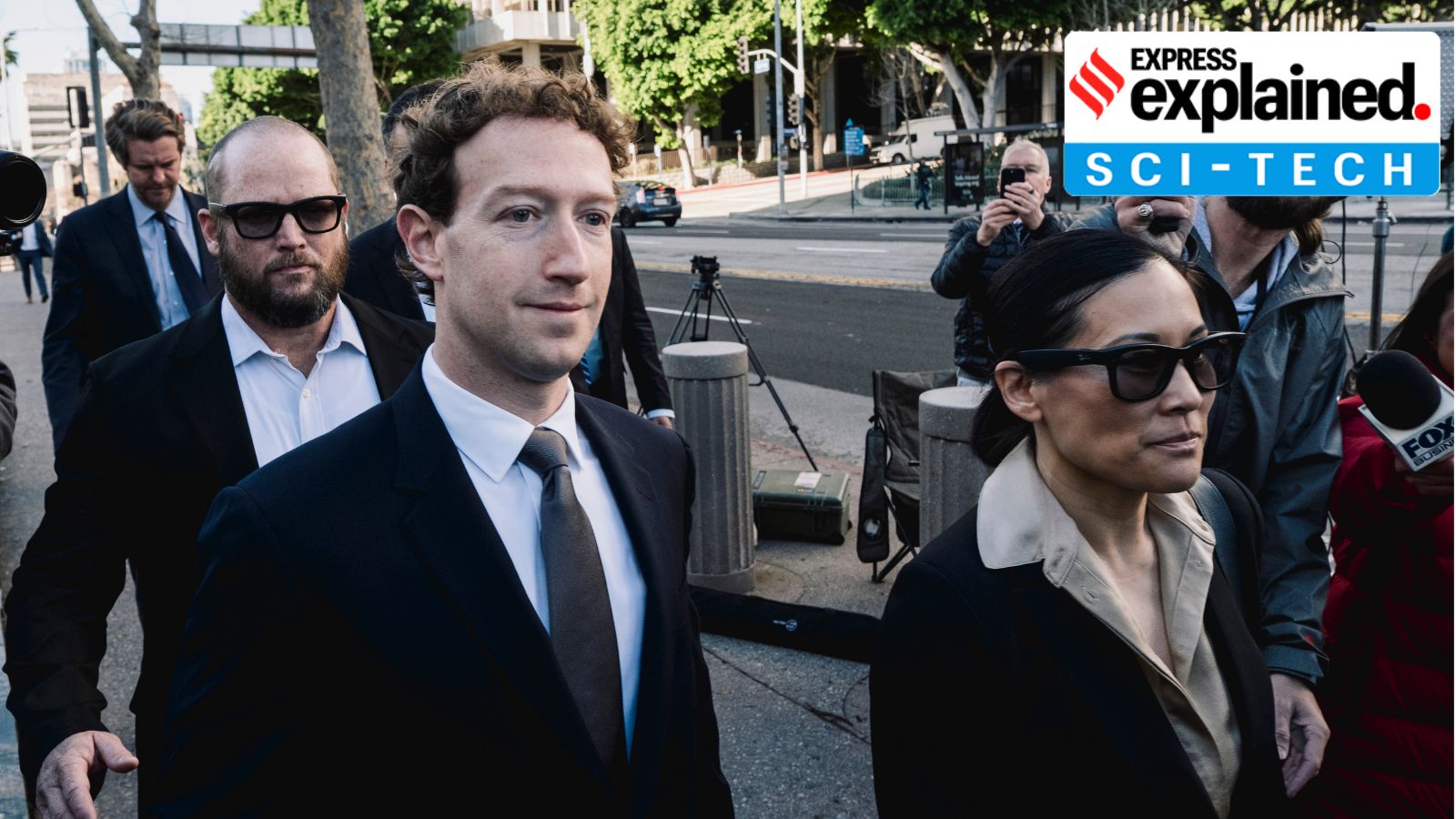
Meta Settlement Tightens Teen Social Media Rules, Leaves Questions

Meta Settles Teen Harm Claims as India Faces Regulatory Gap
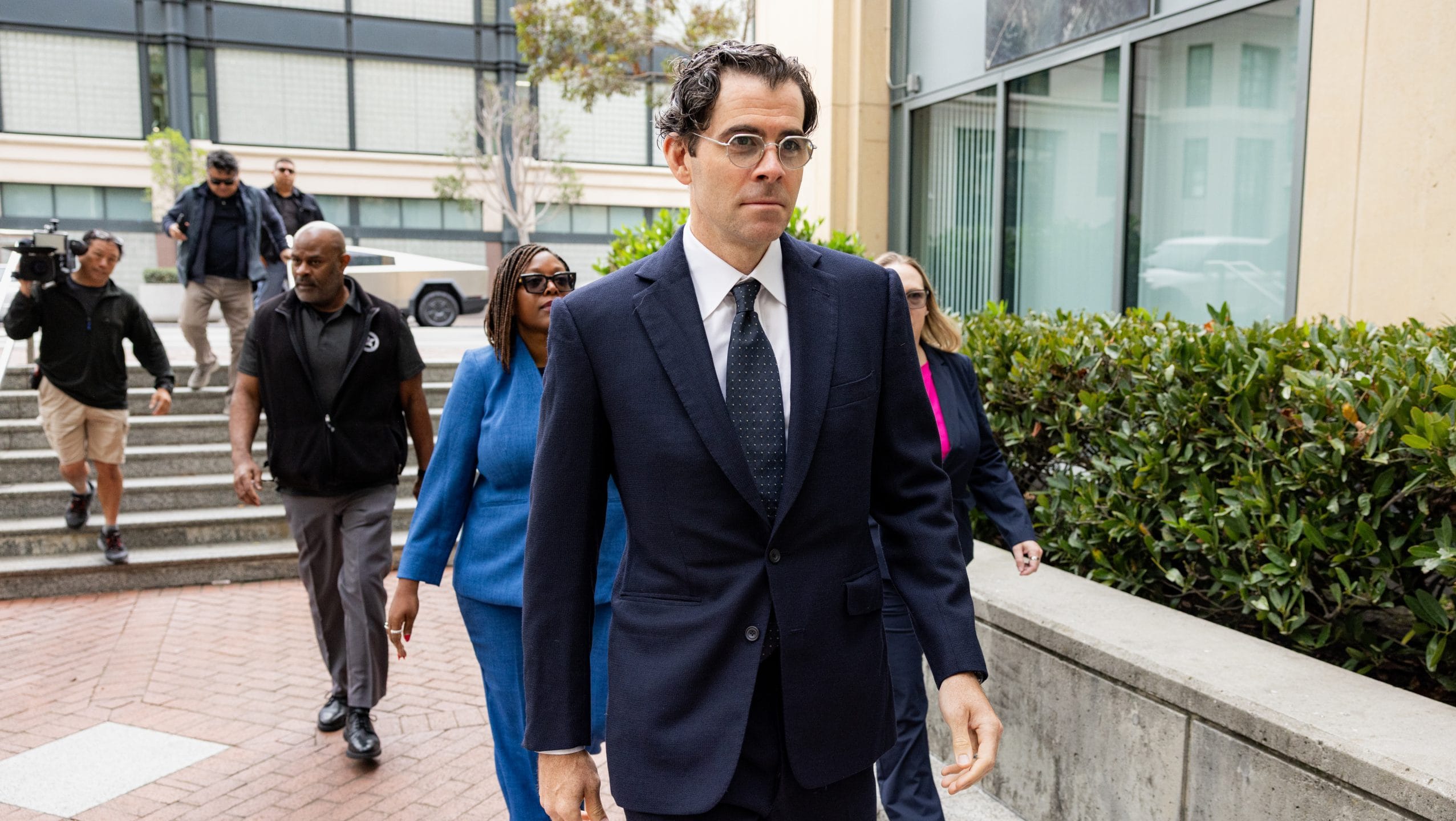
Meta and States Discuss Settlement in Teen Social Media Trial
Goyal Defends India’s 7.8% GDP Growth Amid Data Debate

Manipur Census Deferment Welcomed as Step Toward Public Aspirations
UPSC Key Covers SCO, Electoral Rolls, Economy, Defence and Climate

West Bengal CM Crushes Nearly 2 Lakh Seized Syrup Bottles

Modi Highlights India’s Growing Avocado Market and Farmer Gains