1 week ago
Meta Faces Trial Over Claims Its Platforms Hook Children

Meta owns Facebook and Instagram, and it is being sued by US states over how those apps work for children.
The states say Meta designed features that encourage young people to keep scrolling and checking the apps.
They also say Meta knew about possible harms and did not tell people enough about them.
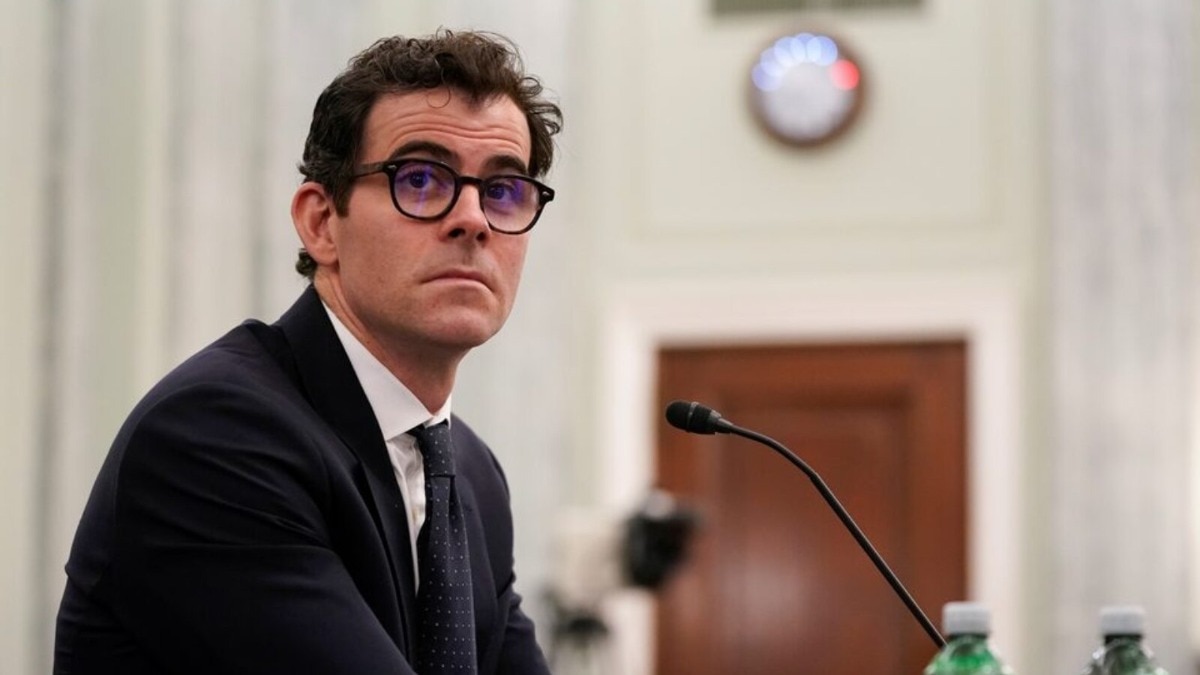
A former Meta safety engineer testified that child safety was not always considered when products were launched.
Meta says it takes child safety seriously and disagrees with the states’ interpretation of its documents and testimony.
The company points to age rules, Teen Accounts, parental controls and warnings about harmful subjects.
Safety advocates say some of these protections may not work as promised.
The case is being tried in Oakland, California, with four states leading a lawsuit involving 29 states.
The result could require Meta to change how Facebook and Instagram operate for young users.

Twenty-nine US states accuse Meta of designing Facebook and Instagram to keep children engaged and of understating safety risks.
California, Colorado, Kentucky and New Jersey are leading the trial, which began in federal court in Oakland, California.
The states cite features including infinite scrolling, recommendations, notifications, likes and filters, as well as alleged improper collection of data from children under 13.
Meta denies deliberately harming young users and points to Teen Accounts, age enforcement, parental controls, content warnings and messaging restrictions.
The case could bring substantial penalties and require changes to platform features, with Meta estimating potential damages of $1.4 trillion and the states indicating about $200 billion.
- Who
- Meta, 29 US states, safety advocates and former Meta employees are involved; California, Colorado, Kentucky and New Jersey are leading the trial.
- What
- The states accuse Meta of designing Facebook and Instagram to keep children engaged, understating risks and improperly collecting data from children under 13; Meta denies the allegations.
- Where
- The trial is taking place in a federal court in Oakland, California.
- When
- The lawsuit was filed in 2023, and the trial began this week; Teen Accounts were launched in 2024 and a cited safety report was issued in 2025.
- Why
- The states seek damages and changes to platform design and operations, arguing that certain features contribute to youth mental-health problems and excessive use.
States and Safety Critics
Meta
Platform design and engagement
States and Safety Critics
The states argue that infinite scrolling, algorithmic recommendations, push notifications, likes and filters were designed to keep young users returning and may contribute to anxiety, depression and other harms.
Meta
Meta rejects the claim that it deliberately built dangerous products and says it has introduced tools to address problematic use and help teenagers manage their time.
What Meta knew about risks
States and Safety Critics
The states cite internal documents, research and employee communications as evidence that Meta understood risks to young users and prioritized growth or profits over safety.
Meta
Meta says prosecutors are taking informal comments and internal documents out of context, and argues that research has not established a clear link between adolescent social-media use and a lack of wellbeing.
Effectiveness of safeguards
States and Safety Critics
Former employee Arturo Béjar and safety advocates say protections such as Take a Break and other teen-safety features may be ineffective or unavailable; a 2025 report made similar claims about many evaluated features.
Meta
Meta points to Teen Accounts, stronger age enforcement, parental controls, content warnings and messaging restrictions, and calls the safety report misleading and speculative.
Key facts
- Defendant
- Meta, the company operating Facebook and Instagram
- States involved
- Twenty-nine US states are part of the lawsuit; California, Colorado, Kentucky and New Jersey are leading the trial
- Allegations
- The states say platform design encourages prolonged use, risks young users’ wellbeing and involves improper collection of data from children under 13
- Meta safeguards
- Meta cites minimum-age enforcement, Teen Accounts, parental controls, reporting and blocking tools, content warnings and restrictions on some adult-to-teen messages
- Former employee testimony
- Former safety engineer Arturo Béjar said child safety was not always considered when products were initially deployed and criticized the voluntary Take a Break feature
- Potential damages
- Meta has estimated theoretical damages of up to $1.4 trillion, while the states have indicated a figure near $200 billion
- Possible remedies
- The lead states seek changes that could include modifying likes and infinite scrolling, setting time limits for younger users and strengthening age enforcement
Quotes
Paul Schmidt
Meta lawyer representing the company in court
“Meta takes seriously and tries to act on children's mental health and what they do and see on social media, Schmidt said.”
 livemint.com
“There's no question that some teens struggle to manage their time with social media, Schmidt said.”
livemint.com
California Deputy Attorney General Megan O’Neill
Attorney general for California leading the lawsuit
“Hook the users, hold them for as long as they can, harvest their data, and then hide the truth from the public.”
 indianexpress.com
“Teens are hooked despite how it makes them feel. Instagram is addictive.”
indianexpress.com
Arturo Béjar
Former Meta safety engineer testifying for the states
“Many products were shipped into the world, and safety was not a consideration in how it was initially deployed.”
indianexpress.com
Sources

Related news

Meta Youth Safety Trial Could Reshape Social Media Worldwide
Meta Faces Landmark Trial Over Claims It Hooked Children
Meta’s California Child Safety Trial Puts Facebook, Instagram Under Scrutiny

Meta calls allegations of misleading users 'unsubstantiated' ahead of trial

Former Meta Executive Says Growth Outpaced Child Safety At Trial
Meta and States Discuss Settlement in Teen Social Media Trial
Meta Fixes AI Glasses Loophole Amid Privacy Concerns
How Meta Reached a $17 Billion Child Safety Settlement

Meta Smart Glasses Face Scrutiny Over Privacy And Data Risks

India Studies Meta’s $17.1 Billion Settlement on Child Safety

Meta, States Discuss Settlement in Landmark Child Privacy Trial