

6 days ago
Meta Settles U.S. Teen Safety Claims With New Platform Rules
U.S. states said Facebook and Instagram were designed to keep children and teenagers using them for too long.
They argued that this could contribute to mental-health problems and expose young users to harmful material.
The states also said Meta collected information from children under 13 without getting permission from their parents.
Meta denied doing anything wrong but agreed to settle the case before the trial finished.
The proposed deal would limit teenagers to two hours of daily use across Meta’s apps by default.
Teen accounts would also be blocked during overnight hours and receive fewer notifications during school hours.
Parents would get stronger controls, and Meta would add tools to check users’ ages.
The agreement may also limit certain content and social-comparison features.
A judge must approve the settlement before the changes take effect.

Meta agreed to pay up to $16.68 billion to resolve claims brought by 29 U.S. states over Facebook and Instagram’s impact on young users.
The states alleged Meta designed addictive features, misled the public about safety and collected data from children under 13 without parental consent.
The agreement would impose a two-hour daily limit, overnight access restrictions and pauses on weekday school-hour notifications for teenage accounts.
Meta also agreed to strengthen age assurance, parental controls, content protections and limits on social-comparison features such as like counts.
Meta denied wrongdoing and liability; the settlement still requires court approval and does not resolve thousands of other lawsuits against the company.
- Who
- Meta Platforms and attorneys general from U.S. states, including California, Colorado, Kentucky and New Jersey.
- What
- Meta agreed to pay up to $16.68 billion and change Facebook and Instagram’s youth-safety practices to resolve claims involving addictive design, misleading safety disclosures and children’s data.
- Where
- The trial was held in federal court in Oakland, California, under U.S. District Judge Yvonne Gonzalez Rogers.
- When
- The agreement was filed and announced on Wednesday during a federal trial that began the previous week; several reports said the trial began August 18.
- Why
- The states alleged that Meta’s platforms harmed young users, contributed to youth mental-health problems and violated consumer-protection and children’s-privacy laws.
State Officials and Safety Critics
Meta and Its Defenders
Platform design and youth harm
State Officials and Safety Critics
State officials alleged that Meta deliberately designed Facebook and Instagram to encourage excessive or addictive use and contributed to a youth mental-health crisis.
Meta and Its Defenders
Meta denied the allegations, cited its existing youth-safety efforts and argued that social-media addiction is not a formally recognized psychiatric condition.
Children’s personal data
State Officials and Safety Critics
The states alleged that Meta collected personal information from children under 13 without parental notification or consent, including data allegedly used to train machine-learning and generative-AI models.
Meta and Its Defenders
Meta denied wrongdoing and liability and made no admission of the privacy allegations in the settlement.
Effectiveness of safety measures
State Officials and Safety Critics
Child-safety experts and former Meta engineering director Arturo Béjar said existing protections were inadequate and that the company prioritized engagement, profits and time spent on its platforms.
Meta and Its Defenders
Meta said it was building on longstanding efforts to support teenagers and parents, including teen accounts and stronger messaging, privacy and content protections, and urged TikTok and YouTube to adopt similar standards.
Key facts
- Settlement amount
- Court filings put the maximum at $16.68 billion. News reports variously described the deal as $17 billion, $16.7 billion or up to $18 billion, apparently reflecting different calculations and awards.
- States involved
- The settlement resolves claims brought by 29 U.S. states, although some reports described the broader litigation as involving 47 states and territories.
- Default daily limit
- Teenage accounts would have a two-hour cumulative daily limit across Meta apps; messaging and long-form video would not count toward that limit.
- Overnight restriction
- Teenage accounts would be blocked from midnight to 6 a.m. local time. The restriction could expand to 10 p.m. to 7 a.m. if rival platforms adopt equivalent measures.
- Other safeguards
- Meta agreed to pause weekday school-hour push notifications and introduce age assurance, age-appropriate content controls, stronger parental controls and limits on like counts.
- Conditional payment
- One report said about 30% of an $18 billion calculation, or roughly $5.3 billion, would depend on TikTok and YouTube adopting comparable measures and paying an equivalent amount.
- Settlement status
- Meta admitted neither wrongdoing nor liability, and the agreement requires court approval. It does not cover thousands of personal-injury claims or separate lawsuits by school districts.
Quotes

Rob Bonta
Attorney general of California
“For years, Meta intentionally deceived the public about the addictive and harmful design features that have wreaked havoc on youth mental health. The settlement will put an end to these dangerous practices and deliver meaningful relief that will protect children from online harm.”
 indianexpress.com
 telegraphindia.com
“Ensuring teens have a safe and productive experience on our platforms is an absolute imperative for Meta. We want to get this right for parents and teens, and that’s why we partnered with state attorneys general to set a new industry standard.”
indianexpress.com
C.J. Mahoney
Meta’s chief legal officer
“We therefore call on our industry peers, TikTok and YouTube, to implement this new framework, right away.”
 wionews.com
“Because teens move fluidly across dozens of apps, we need an industry-wide solution.”
wionews.com
Arturo Béjar
Former Meta engineering director who testified that the company prioritized product engagement over safety.
“If you step away from the product, they are not going to make any money.”
indianexpress.com
telegraphindia.com
Sources
Meta settles US teen addiction lawsuits for up to $18 billion, agrees to platform changes
Why Meta agreed to $17 billion settlement over teen social media addiction

Meta to pay up to $16.68 billion over Facebook, Instagram child safety claims
Meta reaches $17 billion settlement with states in landmark trial over teen social media addiction
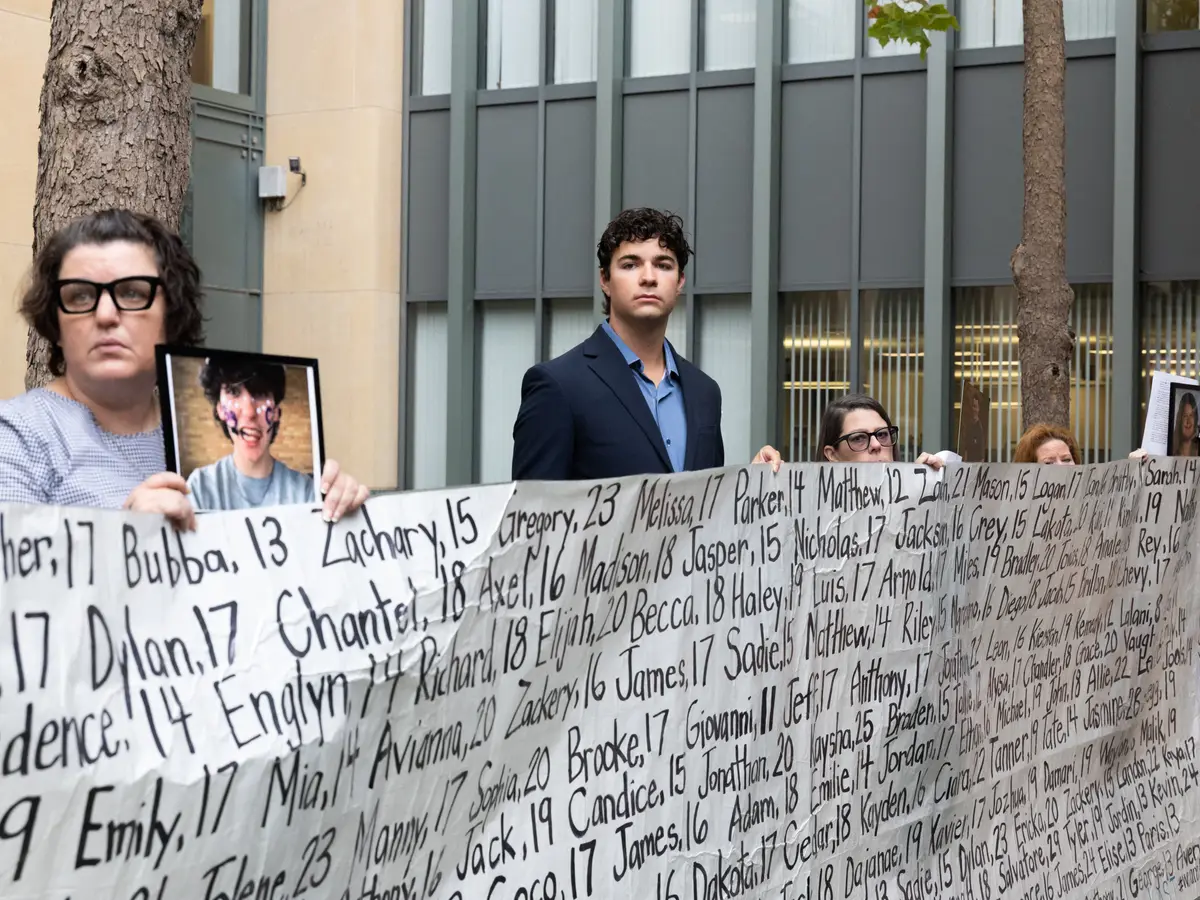
Meta reaches $16.7 billion settlement with US states over teen safety and addictive design
Meta reaches $18 bn settlement over child safety claims on Facebook, Instagram: Check new rules for teens

Meta Reaches $16.68 Billion Settlement Over Social Media Harms To Children
Related news

Meta Settlement Tightens Teen Social Media Rules, Leaves Questions

Meta Settlement Sets Teen Curfews, Limits, and Safety Changes
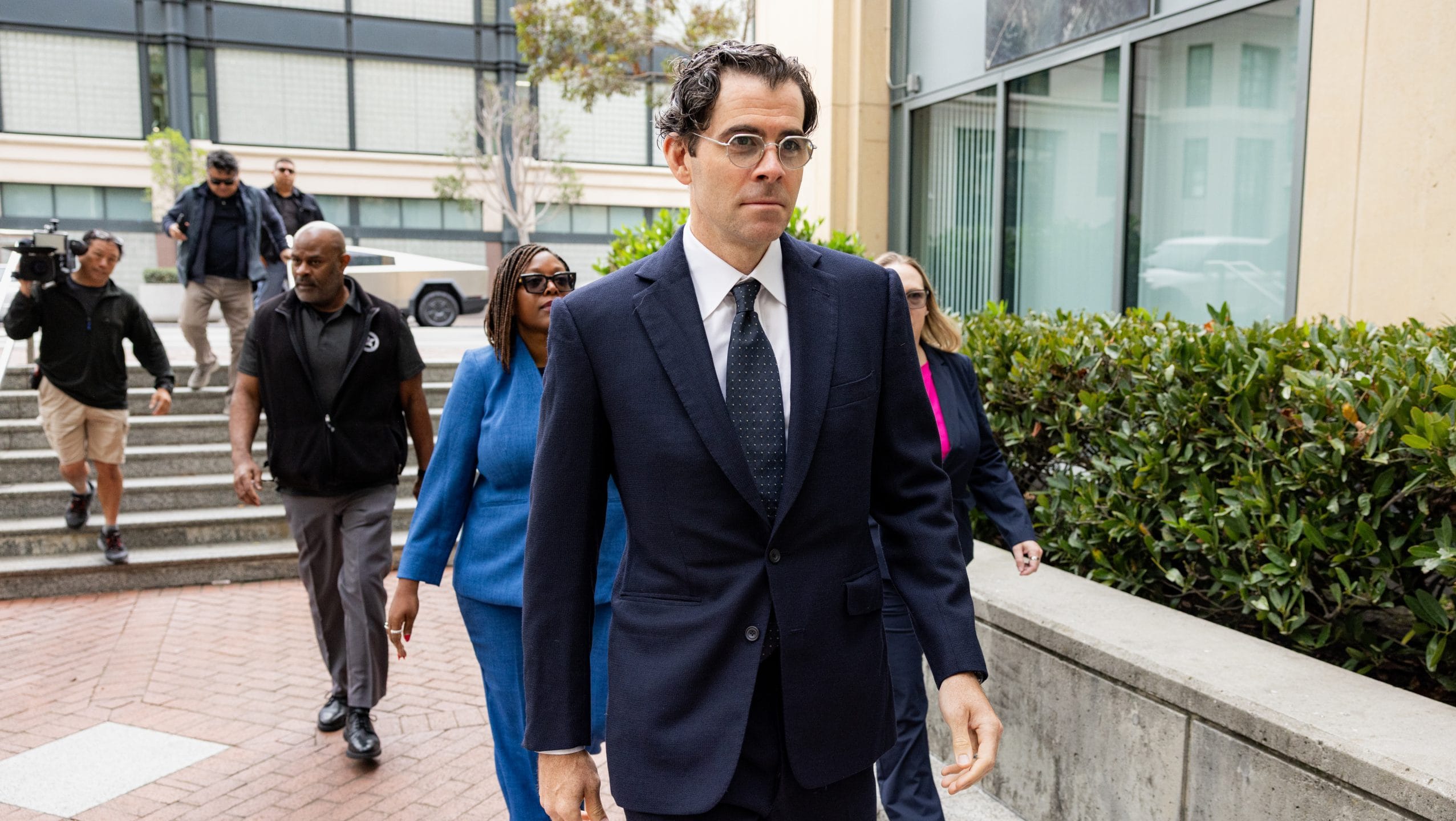
Meta and States Discuss Settlement in Teen Social Media Trial
Meta Teen Safety Settlement Depends on Rival Platforms
Meta’s $18-Billion Child Safety Settlement Faces Praise and Criticism
Meta’s California Child Safety Trial Puts Facebook, Instagram Under Scrutiny

Tom Cruise Backs Paramount-Warner Bros. Deal, 30-Film Promise

Meta’s Teen Social Media Curfew Faces Enforcement Questions Worldwide
How Meta Reached a $17 Billion Child Safety Settlement

Meta Settlement Draws Mixed Reviews Over Teen Mental Health Protections
