1 week ago
Meta Youth Safety Trial Could Reshape Social Media Worldwide

Twenty-nine US states are taking Meta, the company behind Facebook and Instagram, to court.
They say Meta made its apps especially tempting for children and teenagers to use for a long time.
The states also say the company hid information about possible mental-health risks.
They accuse Meta of collecting information from children under 13 without proper permission from parents.
Meta says the states are using selected evidence without enough context.
The company says it has studied ways to help teenagers and created safety tools.
A former Meta safety employee, Arturo Béjar, testified for the states.
If the states win, Meta could pay a very large amount of money.
It might also have to change how its apps work for users around the world.

Twenty-nine US states accuse Meta of designing Facebook and Instagram to keep young users compulsively engaged.
The states allege Meta concealed research about links between Instagram and teen mental-health problems.
They claim Meta collected data from children under 13 without verifiable parental consent.
Meta says the states’ evidence is cherry-picked and that it has developed tools to support young users.
A ruling could bring penalties approaching $200 billion and require global changes to Meta’s platforms.
- Who
- Twenty-nine US states are suing Meta; California, Colorado, Kentucky and New Jersey are leading the case. Meta is defending itself.
- What
- A trial is examining allegations that Meta designed platforms to encourage compulsive use, concealed safety research, mishandled children’s data and violated consumer-protection laws.
- Where
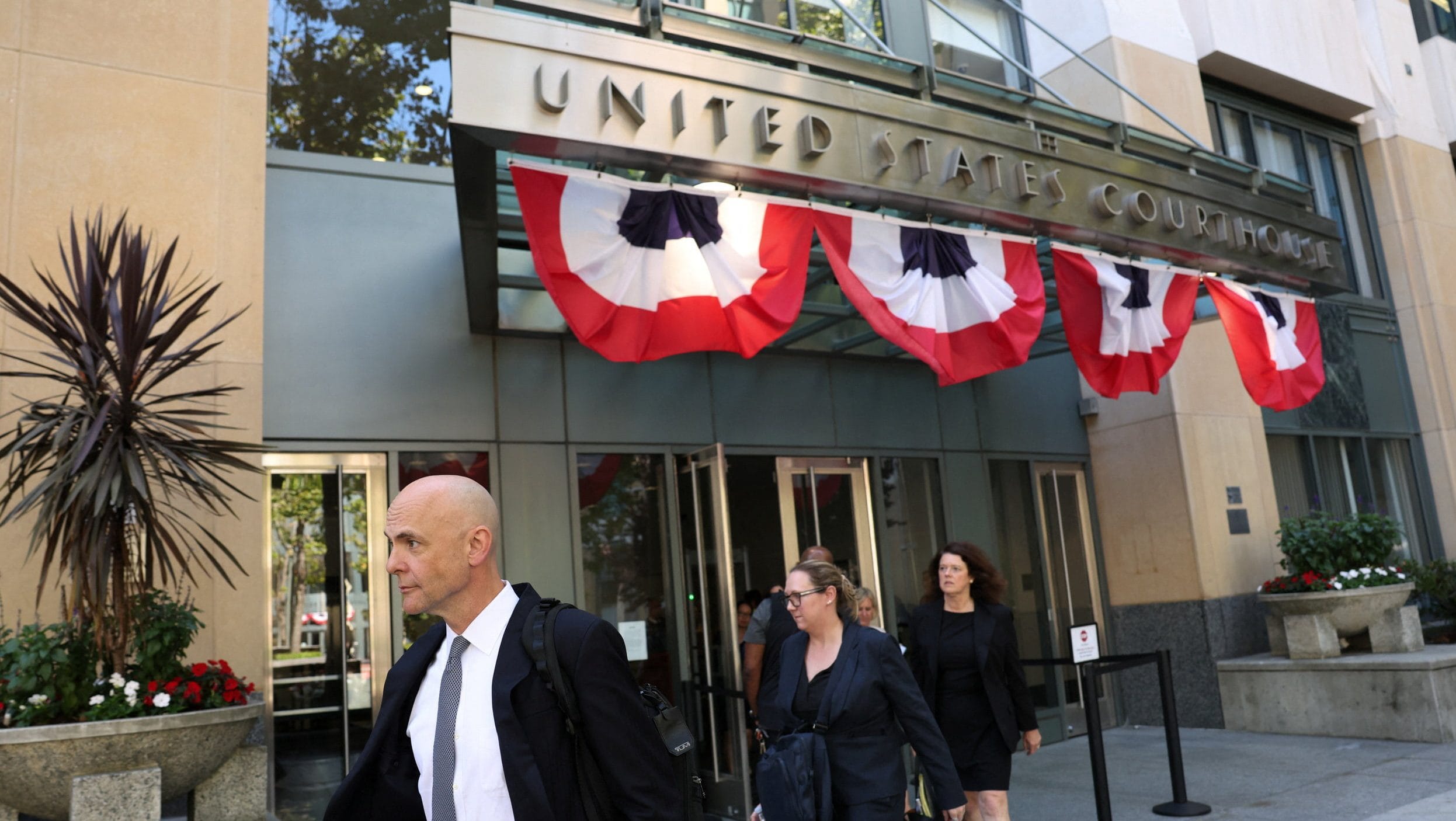
- The trial is taking place in Oakland, California, United States.
- When
- The trial began in August 2026; the articles identify the start as August 18 or the week of August 22 and say it may last six to eight weeks.
- Why
- The states seek financial penalties and court-ordered changes to Facebook and Instagram, including possible limits on features used by young people.
States’ allegations
Meta’s defense
Platform design
States’ allegations
The states say Meta engineered features including infinite scroll, autoplay, push alerts, filters, likes and recommendation systems to encourage compulsive engagement and maximize advertising impressions.
Meta’s defense
Meta rejects the allegations and says the states have characterized ordinary or benign features unfairly while ignoring the company’s efforts to create protections and support tools for teenagers.
Safety research and public statements
States’ allegations
The states allege Meta concealed internal research linking Instagram use with depression, anxiety, body-image problems and self-harm, while publicly presenting its platforms as safe.
Meta’s defense
Meta’s lawyer, Paul Schmidt, said documents and emails presented by the states were cherry-picked from longer conversations and taken out of context.
Children’s privacy
States’ allegations
The states claim Meta systematically violated the Children’s Online Privacy Protection Act by collecting data from children under 13 without verifiable parental consent.
Meta’s defense
Meta says the states’ claims are unsubstantiated and argues that the case improperly targets industry-wide challenges such as age verification.
Global consequences
States’ allegations
The states are seeking redesigns that could include removing infinite scroll for young users, changing algorithms and requiring stronger well-being protections; they argue broader changes may be needed to end the alleged “hook, hold, harvest, hide” business pattern.
Meta’s defense
Meta has not identified a specific alternative redesign in the articles, but it strongly disputes the case’s central allegations. A global effect would depend on the court’s eventual orders and how Meta implements them.
Key facts
- Plaintiffs
- Twenty-nine US states
- Lead states
- California, Colorado, Kentucky and New Jersey
- Main platforms
- Facebook and Instagram
- Key allegations
- Addictive design, concealed safety research, children’s data collection and consumer-law violations
- Potential penalties
- Meta warned damages could reach $1.4 trillion; state lawyers described roughly $200 billion as more realistic
- Expected duration
- Six to eight weeks, according to the articles
- Possible remedies
- Changes such as removing infinite scrolling for young users, restricting use of minors’ data in algorithms and setting time limits
- Witness highlighted
- Arturo Béjar, a former Meta safety engineer and whistleblower
Quotes
Meta spokesperson
Representative defending Meta against the states’ allegations
“The AGs offer no proof anyone in their states was misled, claim benign features like having an additional Instagram account somehow harmed their residents, and attempt to penalise Meta for industry-wide challenges like age verification. Rather than sticking to the facts or the law, the states have instead decided to chase an outlandish payout.”
 firstpost.com
“Meta’s business model can be summed up in four simple words: ‘hook’ the users, ‘hold’ them for as long as they can, ‘harvest’ their data, and then ‘hide’ the truth from the public when making public statements.”
firstpost.com
Arturo Bejar
Former Facebook safety engineer and Instagram consultant who testified as a whistleblower
“I felt that he created a false and misleading impression of Facebook’s commitment to young people.”
firstpost.com
Sources

Related news
Meta Faces Landmark Trial Over Claims It Hooked Children

Meta calls allegations of misleading users 'unsubstantiated' ahead of trial
Meta faces 29 states in landmark youth social media trial
Meta’s California Child Safety Trial Puts Facebook, Instagram Under Scrutiny
Meta and States Discuss Settlement in Teen Social Media Trial
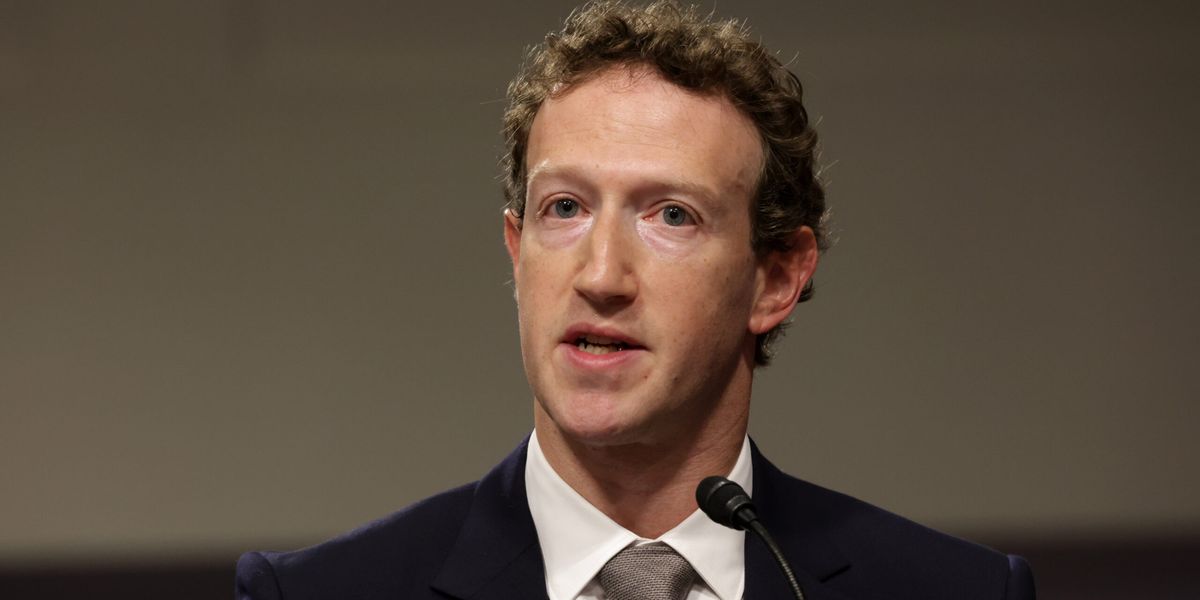
Meta Faces US Trial Over Alleged Social Media Addiction

From Magic Squares to Memorable Ads, Signs and Slogans

Maharashtra, Australia Plan Biomanufacturing Task Force for Joint Growth

India Replaces Sri Lanka as 2027 Women’s Champions Trophy Host

Mitsubishi Revives Pajero With 201PS Fifth-Generation SUV
IIM-Born CEO Says Australia’s Everyday Life Runs on Trust