1 hr ago
Understanding the Indian Constitution’s Anatomy and Living Physiology
The Constitution of India is like a very complicated living body.
Its anatomy means the parts it contains and how they are arranged.
Its physiology means how those parts work together.
Parliament and State Assemblies make laws, the Executive carries them out, and the Judiciary checks whether they follow the Constitution.
Different ideas in the document came from countries such as the United Kingdom, the United States and Ireland.
The Constitution also divides powers between the Union and the States.
Fundamental rights protect people, while Directive Principles guide long-term social and economic goals.
Amendments allow the document to change while keeping its core principles safe.
This balance helps the Constitution respond to a changing country.

The Constitution of India has 25 parts, 12 Schedules and approximately 448 Articles.
Its design draws from several traditions, including the United Kingdom, United States and Ireland.
The Legislature, Executive and Judiciary form its three principal institutional organs.
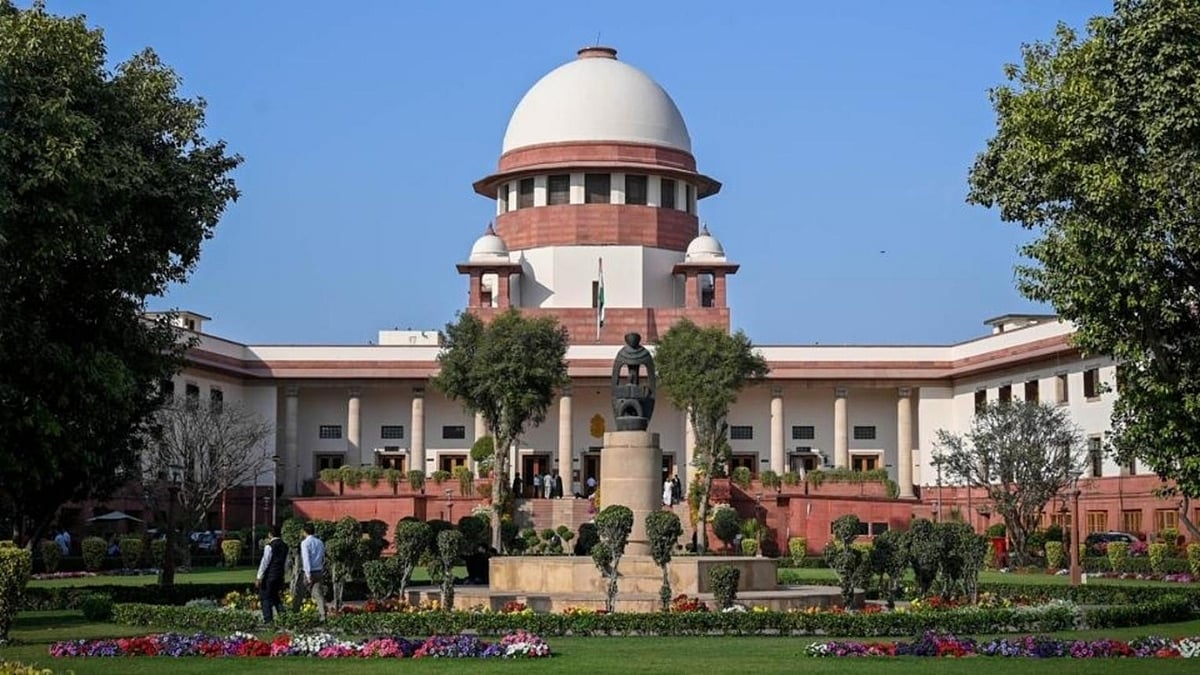
The Supreme Court’s basic-structure doctrine protects features such as democracy, secularism and judicial review.
Amendments, federal power-sharing, fundamental rights and Directive Principles help the Constitution adapt while preserving balance.
- Who
- The Constitution of India, its three organs of government, and the Supreme Court of India are the main subjects discussed.
- What
- The article explains the Constitution’s structural components, institutional relationships and ability to adapt over time.
- Where
- India.
- When
- No specific date is given; the discussion concerns the Constitution’s continuing operation.
- Why
- To show how the Constitution’s different parts work together to preserve checks and balances, rights, federalism and democratic governance.
Key facts
- Structure
- The Constitution has 25 parts, 12 Schedules and approximately 448 Articles.
- Sources of influence
- Its framework draws on legal and constitutional traditions associated with the United Kingdom, United States and Ireland.
- Three organs
- The Legislature makes laws, the Executive implements them and the Judiciary safeguards legal limits.
- Basic structure
- The Supreme Court’s ruling in the Kesavananda Bharati case established that the Constitution’s core framework cannot be altered.
- Protected principles
- The basic-structure doctrine has been described as preserving secularism, democracy and judicial review.
- Adaptability
- Amendment provisions allow the Constitution to balance rigidity with flexibility.
- Rights and goals
- Fundamental rights and writs protect individuals, while Directive Principles guide social and economic development.
Quotes

Woodrow Wilson
Former President of the United States, quoted for his characterization of how a constitution should function.
“Darwinian in structure and in practice”
 thehansindia.com
Sources
Related news
How Buddha, Ambedkar, and Nehru Shaped India's Constitutional Morality
Parliamentary Oversight Can Strengthen India’s Transparent, Responsive Governance
Constitution, Not Bhagwat, Determines Muslims’ Belonging in India

India’s Democratic Resilience Remains Its Best Bet Despite Governance Loopholes
Debate Grows Over Bhumi Pujan At Indian State Events

Guruswamy Warns Parliamentary Silence Endangers India’s Democracy and Constitution
KTR Urges Supreme Court Inquiry Into Election Commission Functioning
Supreme Court Takes Direct Control of Sai Krishna Death Probe

Justice Datta's Cricket Analogy Challenges Election Commissioner Appointment Law
Justice Flags Executive Veto in Election Commission Appointments