1 hr ago
Parliamentary Oversight Can Strengthen India’s Transparent, Responsive Governance
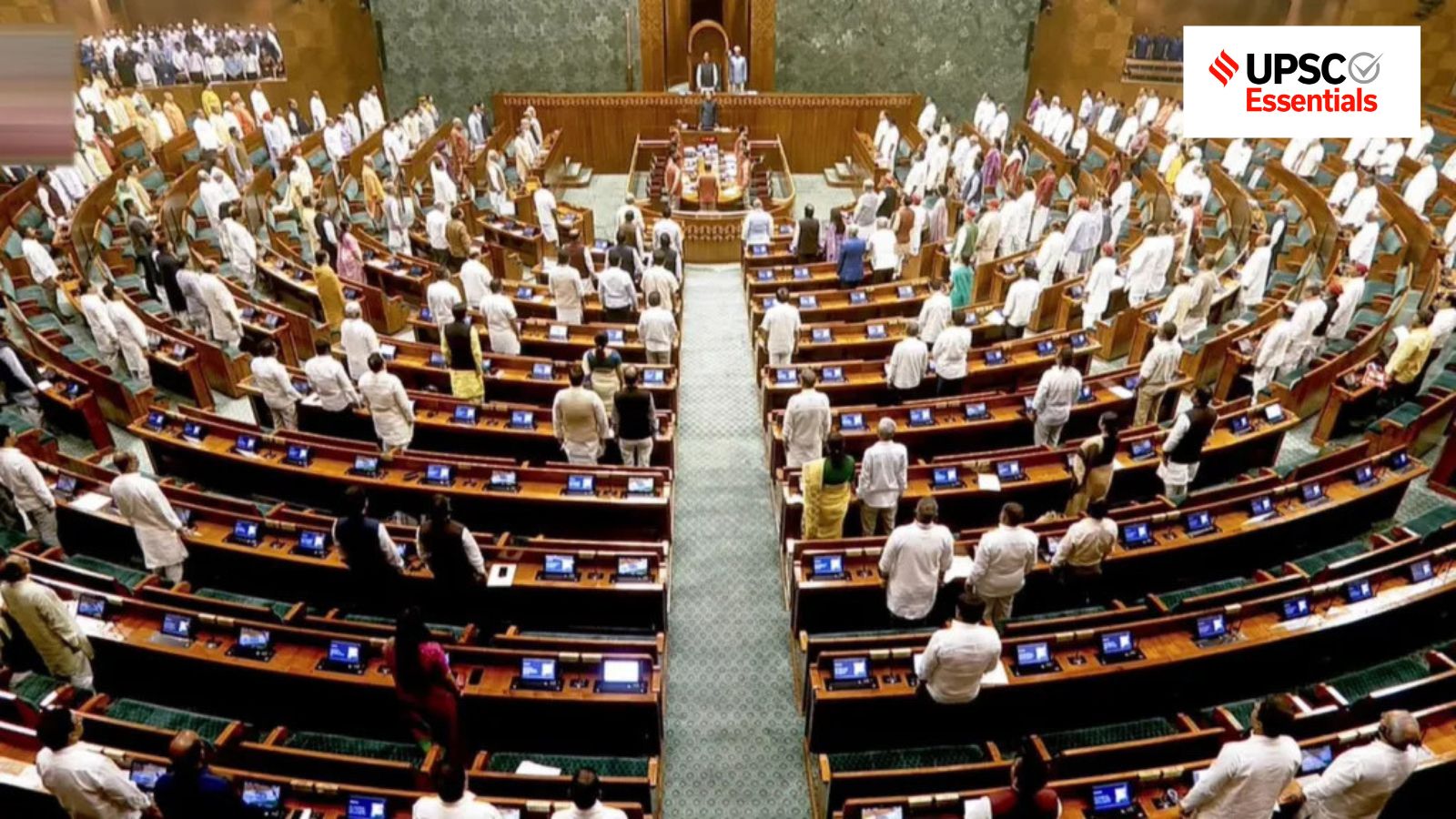
Parliament is supposed to check what the government does.
Ministers must answer questions and explain their decisions to elected lawmakers.
The government also needs Parliament’s approval to spend public money.
Special bodies and committees examine whether money was used properly.
Members can raise urgent issues, debate policies, or move motions against ministers.
A government with a large majority can make it harder for the opposition to influence business.
Disruptions and rushed laws can also reduce careful examination.
The article says better debates, stronger committees, and more public scrutiny could improve oversight.
This can help make government more open and responsive to citizens.

India’s parliamentary system makes the executive politically accountable to the Lok Sabha through ministerial responsibility and confidence votes.
Articles 112 to 117 establish parliamentary control over budgets, while Comptroller and Auditor General reports support financial scrutiny.
Question Hour, Zero Hour, motions, and discussions allow legislators to seek information and challenge government decisions.
Stable majorities, disruptions, hasty legislation, limited committee use, and ordinances can reduce the effectiveness of oversight.
The article calls for stronger committees, substantive debate, public scrutiny, technology, legislative expertise, and a culture of accountability.
- Who
- India’s Parliament, state legislatures, the executive, ministers, opposition members, parliamentary committees, and the Comptroller and Auditor General of India.
- What
- The article examines how parliamentary oversight holds India’s executive accountable and identifies challenges weakening legislative scrutiny.
- Where
- India’s Parliament and state legislatures, particularly the Lok Sabha.
- When
- Why
- To promote transparency, responsiveness, informed citizenship, and safeguards against arbitrary governmental authority.
Case for Stronger Parliamentary Oversight
Concerns About Executive Efficiency and Stability
Stable parliamentary majorities
Case for Stronger Parliamentary Oversight
A majority government must still be questioned and scrutinised so that executive power remains transparent and responsive.
Concerns About Executive Efficiency and Stability
A stable majority enables the government to organise legislative business and pass its programme efficiently.
Speed of legislation
Case for Stronger Parliamentary Oversight
Hasty laws and limited substantive debate can prevent legislators from examining policy consequences and technical details.
Concerns About Executive Efficiency and Stability
The executive may need timely legislation and ordinances, especially when Parliament is not in session.
Political accountability
Case for Stronger Parliamentary Oversight
Committees, motions, and opposition scrutiny help prevent majoritarianism and expose administrative or financial problems.
Concerns About Executive Efficiency and Stability
Strict party discipline and confidence-based government can help maintain collective responsibility and stable administration.
Key facts
- Constitutional foundation
- Article 75 establishes individual and collective ministerial responsibility; Article 75(3) makes the Council of Ministers collectively responsible to the Lok Sabha.
- Financial oversight
- Articles 112 to 117 govern the Budget and related financial procedures, including appropriation, votes on account, additional grants, and finance bills.
- Audit institution
- The Comptroller and Auditor General is established under Article 148, and Union reports are placed before Parliament under Article 151.
- Key scrutiny body
- The Public Accounts Committee primarily examines Comptroller and Auditor General reports and highlights financial irregularities and administrative inefficiencies.
- Parliamentary devices
- Question Hour, Zero Hour, discussions, no-confidence motions, censure motions, adjournment motions, calling-attention motions, and privilege motions provide oversight.
- Ordinance limit
- An ordinance issued under Article 123 must be passed by the legislature within six weeks of Parliament’s reassembly.
- Main concerns
- Disruptions, limited debate, underused committees, party discipline, Money Bill procedures, and complex legislation may weaken scrutiny.
Sources
Related news
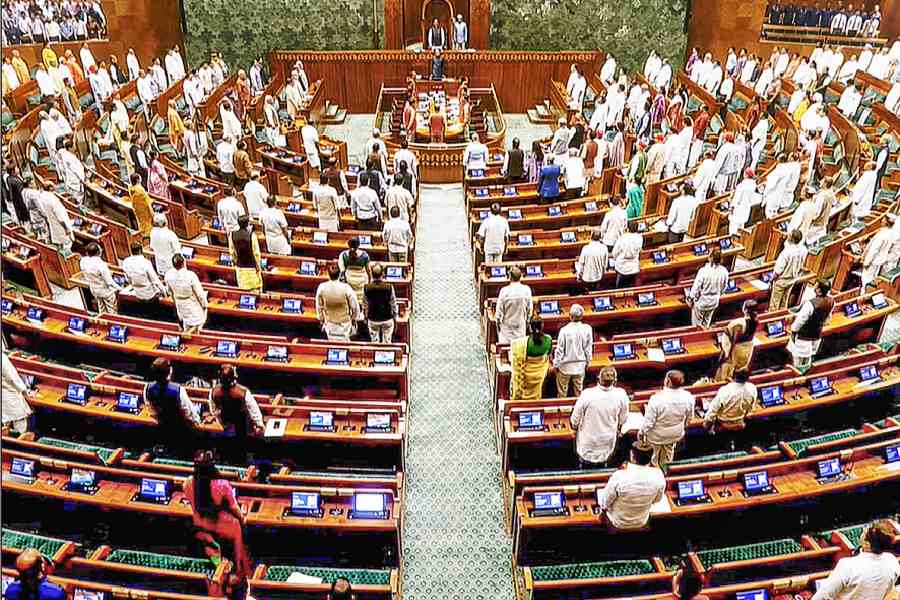
Inside India's Parliament, Disruptions Raise Questions About Democratic Accountability

India’s Legislative Privileges Face Renewed Questions Over Codification
UPSC Mains 2026 Revision: Top 15 Polity Topics Aspirants Need
Hiren Mukherjee’s Warning: Parliament Must Recover Its Democratic Purpose
Indian Parliament's Monsoon Session Ends Amid Disruptions, Low Productivity
Parliament's 2026 Monsoon Session inefficiency cost about Rs 130 crore

Supreme Court Sets Aside Tata Steel’s ₹1,007 Crore GST Notice

Delhi Speaker urges swift action on CAG audit reports
Murshidabad rebel TMC MPs reject NDA, stay in NCPI

India's Offsets Fail to Deliver Strategic Gains