1 day ago
Constitution, Not Bhagwat, Determines Muslims’ Belonging in India
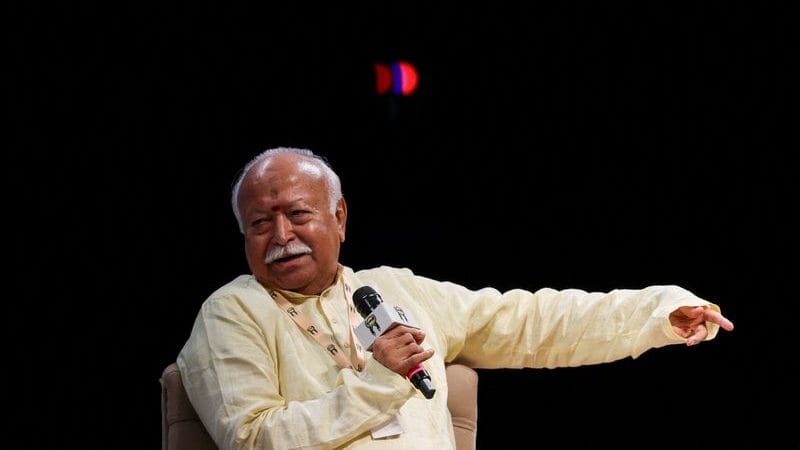
Mohan Bhagwat said Muslims should not be expelled from India and should be protected.
The article says an important question is not what one leader says, but what India’s Constitution guarantees.
India’s Constitution promises equality and says people cannot be treated differently because of religion.
Indian secularism is described as the government treating religions fairly while still dealing with religious institutions.
The Citizenship Amendment Act gives a special citizenship route to some non-Muslim communities from three countries but does not list Muslims.
Other government systems, such as passports and voter-list checks, also ask people to prove their identity and citizenship.
The article says these checks can be especially difficult for migrants, women whose records changed after marriage, displaced families and Muslims.
It warns that several government processes may feel connected to families even though the laws are formally separate.
The author says fair and consistent administration is more important than any speech or political proposal.

Mohan Bhagwat rejected expelling Muslims and said protection cannot depend on obedience, but the article argues citizenship is determined by constitutional law.
The article defines Indian secularism as active, even-handed state engagement with all religions rather than complete separation from religion.
It says the Citizenship Amendment Act excludes Muslims from six listed communities eligible for a facilitated citizenship route from Pakistan, Bangladesh and Afghanistan.
The passport, electoral-roll revision and citizenship-verification systems create different evidentiary demands, with critics warning they may burden migrants, women, displaced families and Muslims.
The article concludes that equal treatment by officials, tribunals and citizenship authorities—not political speeches—will demonstrate whether constitutional protections are being honored.
- Who
- Mohan Bhagwat, the RSS, Indian government institutions and the country’s citizens, including Muslims, are central to the discussion.
- What
- The article examines who determines belonging and citizenship in India, arguing that the Constitution—not political speeches or religious universalism—sets the standard.
- Where
- India, including Assam, and Bhagwat’s addresses in New York.
- When
- Bhagwat’s New York addresses were delivered on 29 August; the article also discusses developments from 2024 through the planned February 2027 Census Phase II.
- Why
- The issue matters because citizenship laws, passport rules and voter-roll verification may affect how residents prove their right to belong.
Constitutional and administrative critique
RSS-linked and institutional positions
Meaning of secularism
Constitutional and administrative critique
The article argues that Indian secularism requires the state to engage with every religion fairly and that removing “secular” from the Preamble could weaken this principle.
RSS-linked and institutional positions
The RSS floated a June 2025 proposal to reconsider “secular” and “socialist” in the Preamble, a proposal endorsed by then-Vice President Jagdeep Dhankhar.
Citizenship and religious identity
Constitutional and administrative critique
The author says citizenship cannot rest on Hindu universalism and that the Constitution protects belief and disbelief equally without requiring citizens to accept a shared theology.
RSS-linked and institutional positions
Bhagwat’s stated universalism presents different religious paths as converging on one truth, while he also rejected expelling Muslims and said protection should not be conditional on obedience.
Proof and verification
Constitutional and administrative critique
The article criticizes administrative requirements that may disadvantage migrant workers, women with changed records, flood-displaced households and Muslims, particularly when passports are not accepted as citizenship proof.
RSS-linked and institutional positions
The article acknowledges that passport treatment is legally defensible under the Passports Act and that voter-roll verification is legitimate because electoral rolls can become inaccurate.
Key facts
- Constitutional provisions
- Article 14 guarantees equality before the law, while Article 15 prohibits discrimination on grounds including religion.
- Secularism
- The article describes Indian secularism as active and even-handed state engagement with religions.
- Citizenship Amendment Act
- The 2019 law, whose rules were notified in March 2024, lists Hindus, Sikhs, Buddhists, Jains, Parsis and Christians from Pakistan, Bangladesh and Afghanistan, but omits Muslims.
- Assam NRC
- The 2019 National Register of Citizens process excluded more than 19 lakh people, including about five lakh Bengali Hindus according to the chief minister’s accounting cited in the article.
- Passports
- Ministry of External Affairs officials said in June and July that a passport is a travel document and does not by itself prove citizenship for electoral-roll revision.
- Electoral-roll revision
- The Special Intensive Revision requires voters to link themselves to a previous intensive-revision roll or provide an entry for either parent, according to the article.
- Census 2027
- Phase II is scheduled for February 2027 and will record caste for all communities for the first time since 1931.
Sources
Related news
Minorities Weigh Mohan Bhagwat’s Hindu Rashtra Message

Bhagwat’s Hindu-Muslim Unity Remarks Draw Opposition Questions, BJP Defense
Mohan Bhagwat Says Hinduism Rejects Excluding Muslims From Bharat
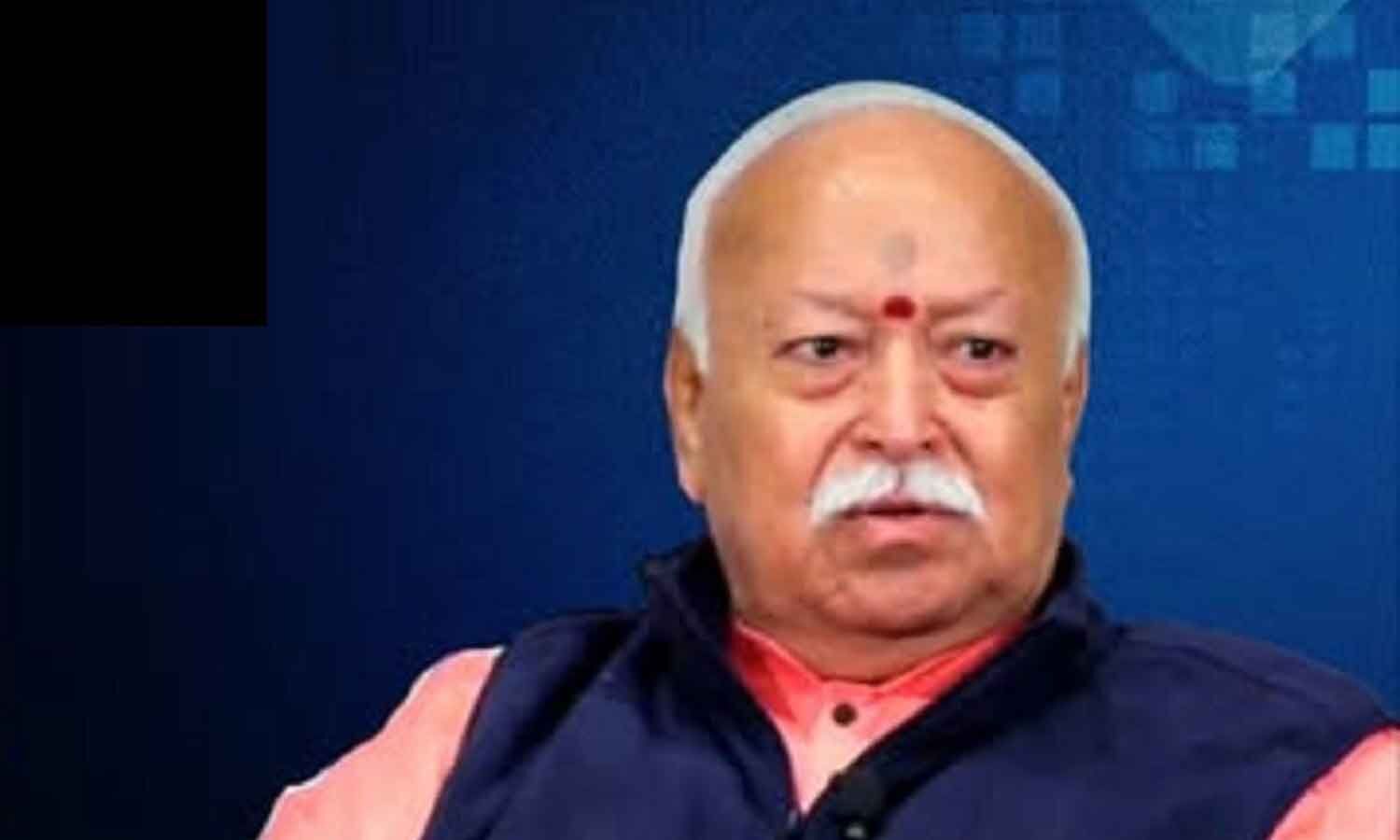
Mohan Bhagwat Defends Hindu-Muslim Inclusion During New York Dialogue
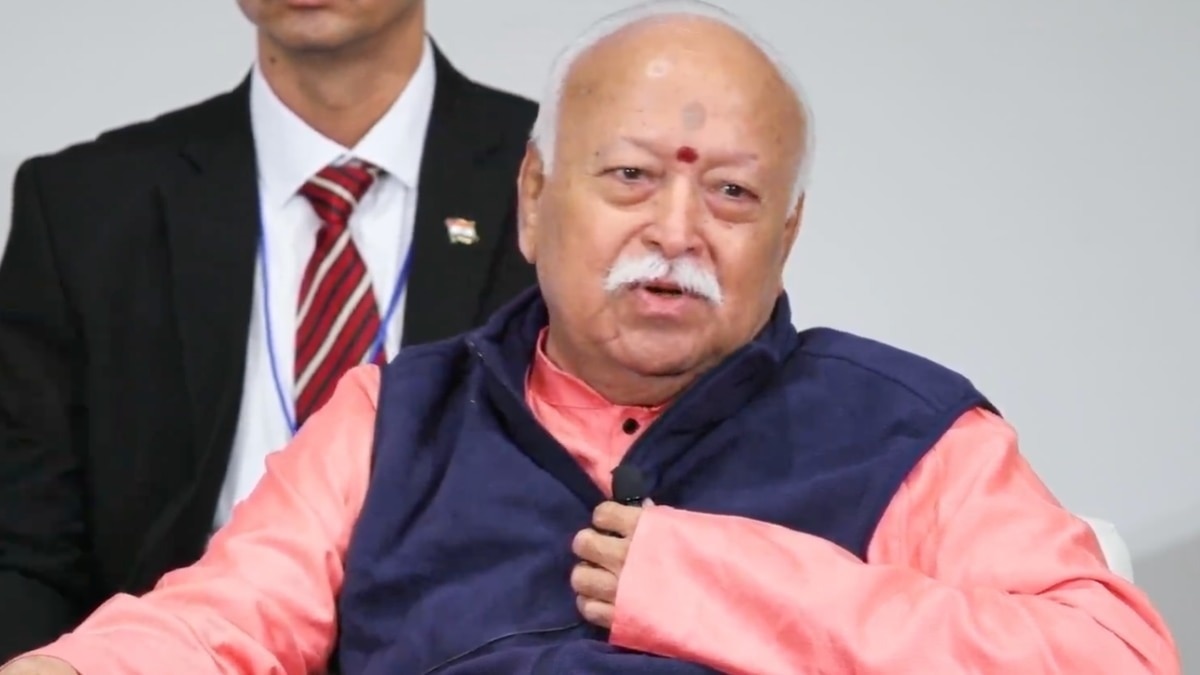
Mohan Bhagwat urges Hindu inclusivity, diaspora loyalty and grassroots change
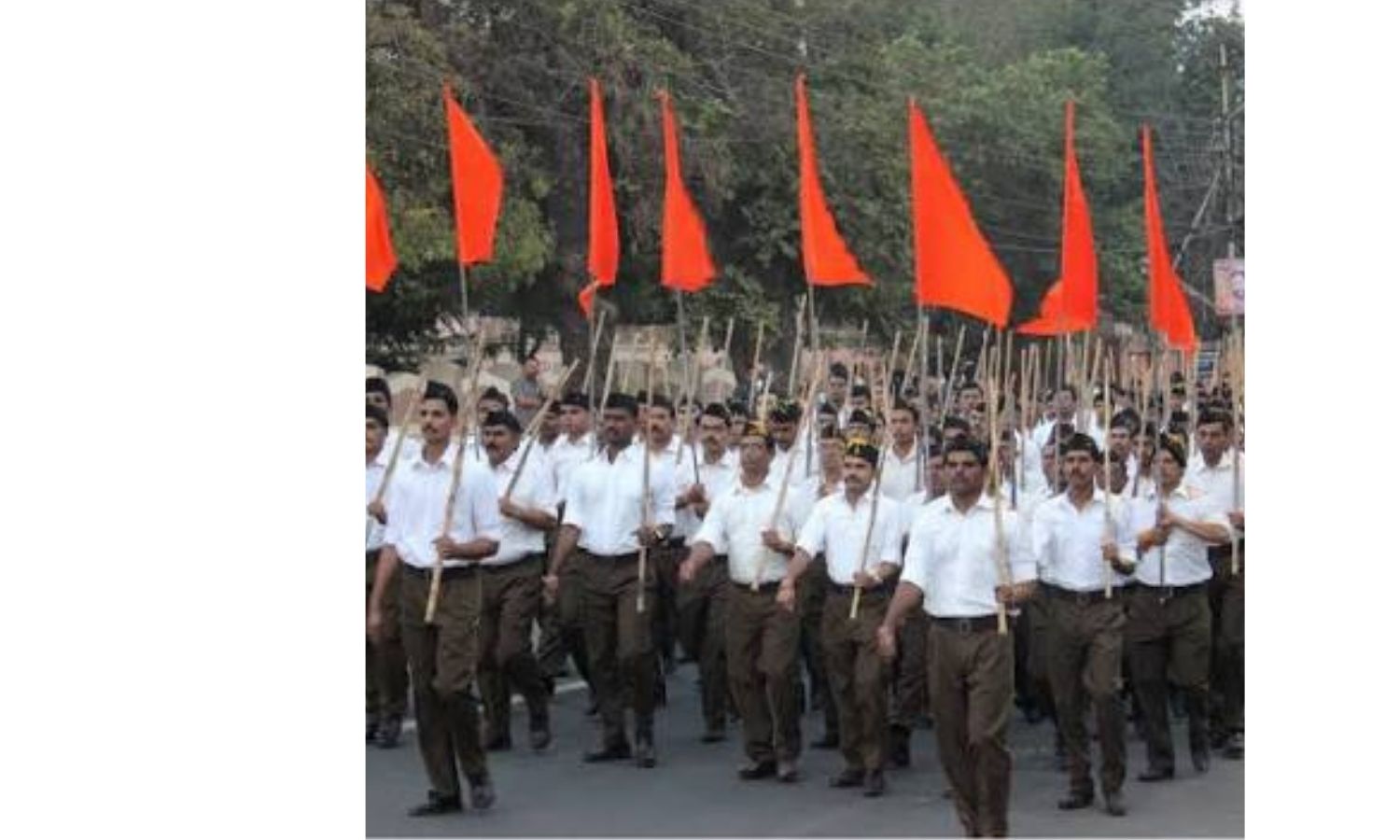
RSS Chief’s Pluralism Message Faces Test in India

India’s Record Wheat Harvest Opens $1.5 Billion Export Window

West Bengal CM Crushes Nearly 2 Lakh Seized Syrup Bottles
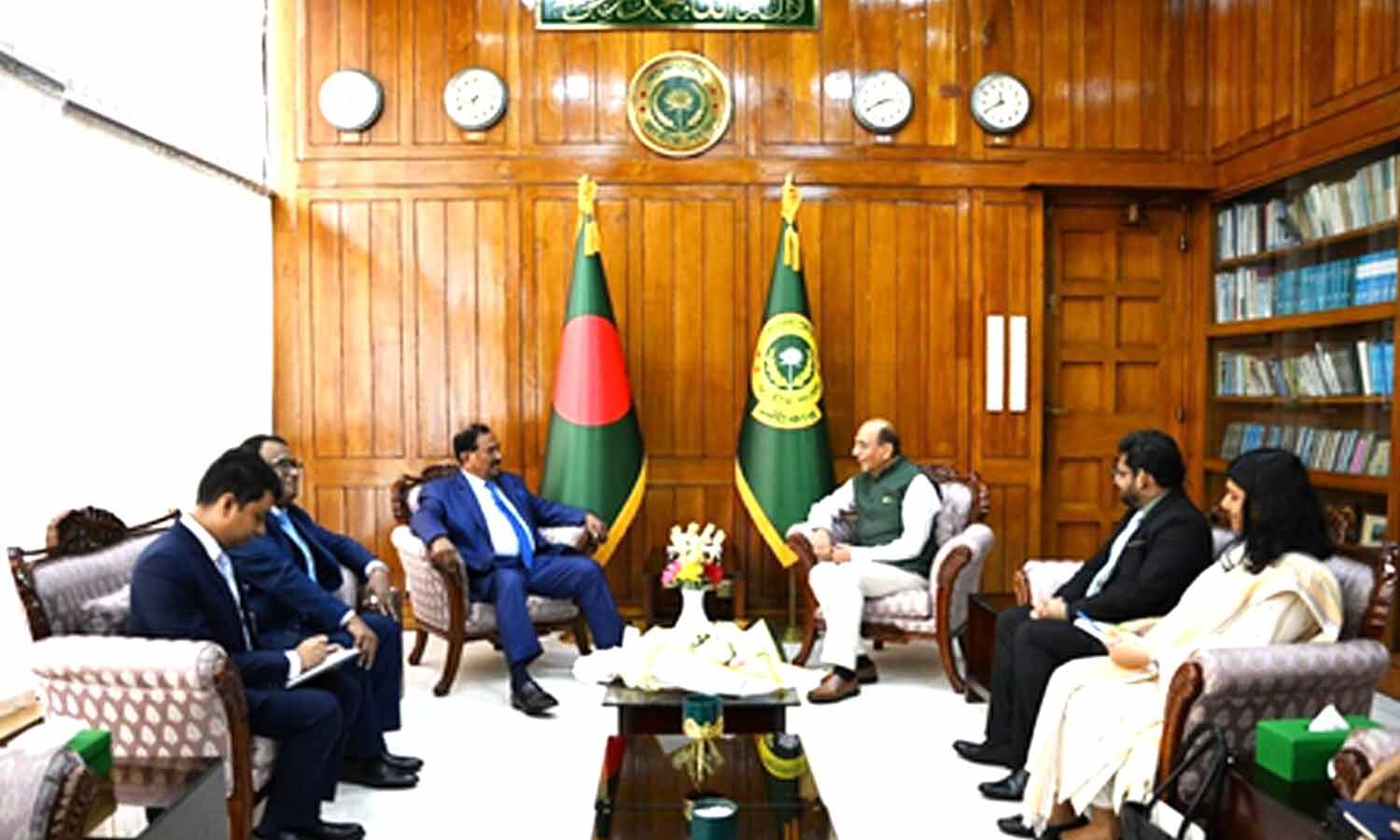
India, Bangladesh Seek Deeper Parliamentary and People-to-People Ties
Bangladesh Radicalisation Raises Concerns About Security Spillover Into India

Bengaluru Police Transfer 31 Bangladeshi Nationals for Deportation