

2 hrs ago
Justice Flags Executive Veto in Election Commission Appointments
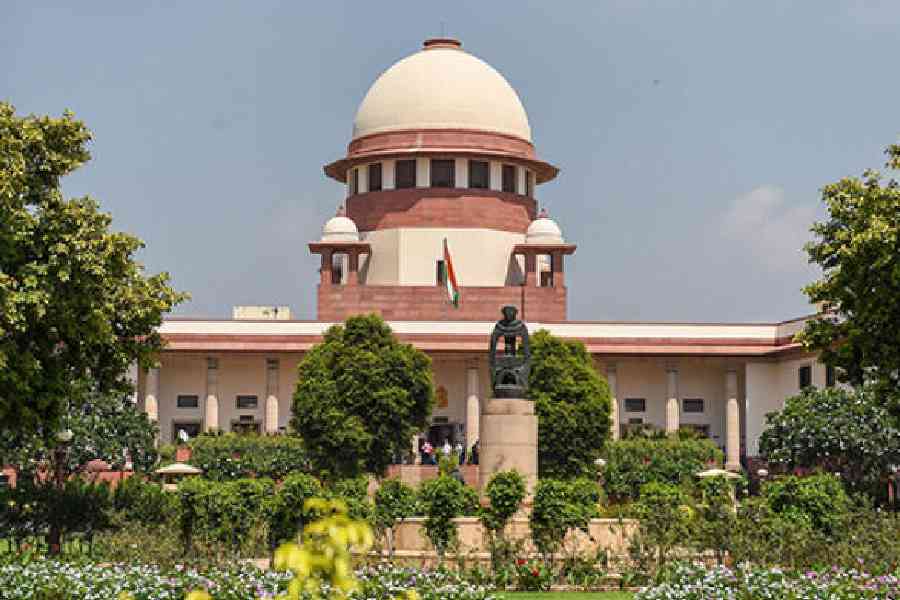
India has a law describing how its top election officials should be chosen.
The panel includes the Prime Minister, a Union minister chosen by the Prime Minister, and the Leader of Opposition.
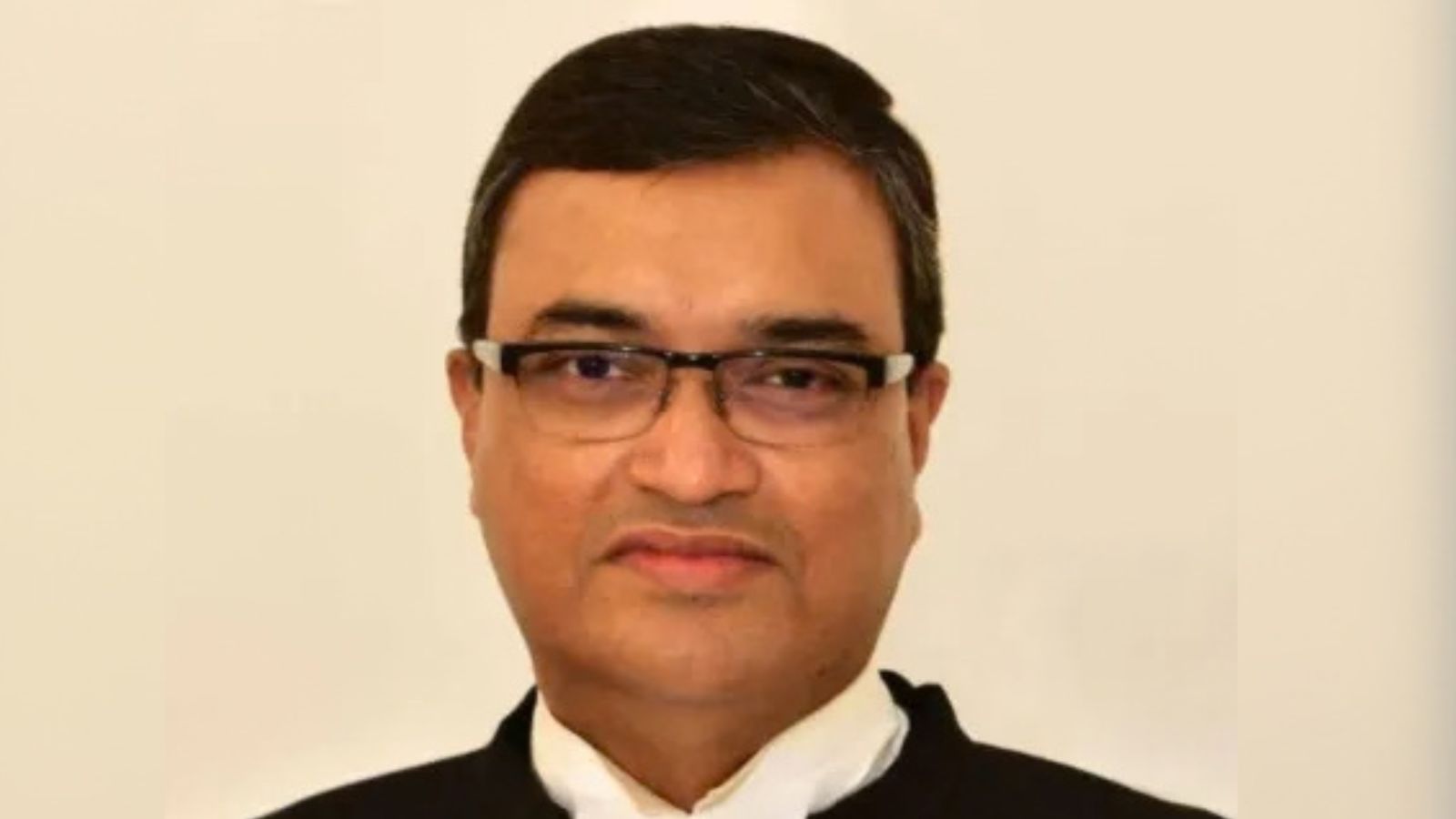
Justice Dipankar Datta said this could give the government too much influence.
He said people might doubt the Election Commission’s decisions even when they are correct.
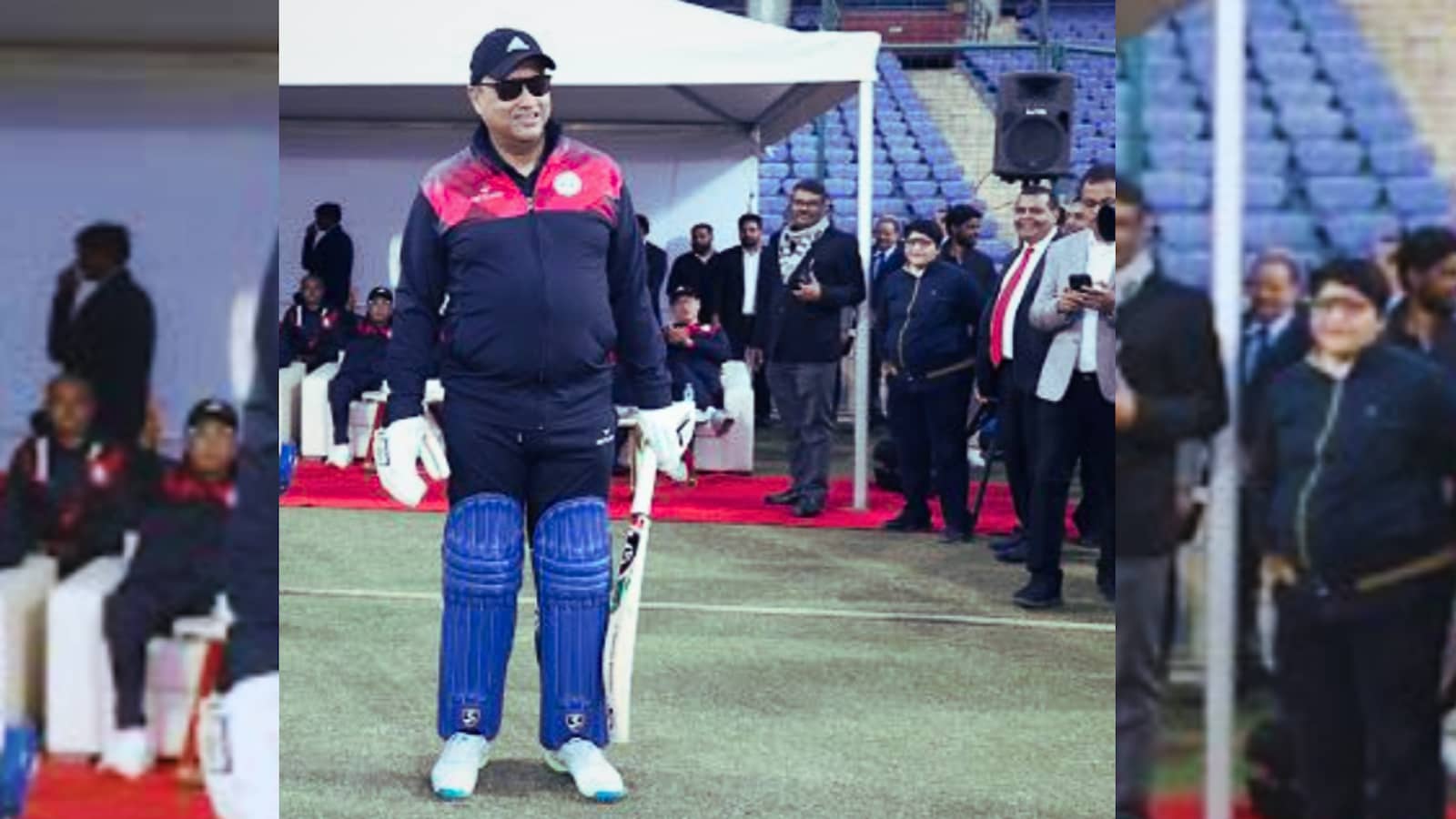
He compared this to a cricket umpire chosen by the captain of the team that wins.
Datta said the Election Commission must be independent and must also look independent to the public.
The case involves challenges to a 2023 law that leaves the Chief Justice of India off the selection panel.
Another judge, Justice Satish Chandra Sharma, supported sending the issue to a larger bench.

Justice Dipankar Datta said the executive would have an “effective” veto over appointments to the Election Commission.
He criticized the 2023 law’s three-member panel of the Prime Minister, a Union minister nominated by the Prime Minister and the Leader of Opposition.
Datta said an Election Commission must be independent and must also be seen to act independently.
He compared the selection process to an umpire chosen by the captain of a winning cricket team, whose decisions could remain under suspicion.
Justice Satish Chandra Sharma differed from Datta and favored referring the challenges to a larger Constitution Bench.
- Who
- Supreme Court Justices Dipankar Datta and Satish Chandra Sharma, petitioners challenging the 2023 law, and the Election Commission selection panel.
- What
- The court considered challenges to the law governing selection of the Chief Election Commissioner and election commissioners, including whether the matter should go to a larger Constitution Bench.
- Where
- New Delhi, in proceedings before the Supreme Court of India.
- When
- Wednesday, September 23, according to the reports.
- Why
- The challenges question whether the selection process gives the executive excessive control and meets constitutional requirements of independence and neutrality.
Concerns About Executive Influence
Call for Larger-Bench Review
Independence of the selection process
Concerns About Executive Influence
Justice Datta and the petitioners argued that two executive members could produce a 2:1 advantage for the ruling party and undermine institutional neutrality, including through public perception.
Call for Larger-Bench Review
Justice Sharma differed from Datta and favored referring the important constitutional issue to a larger Constitution Bench; the reports do not state that he endorsed the law’s selection structure on the merits.
Effect of excluding the CJI
Concerns About Executive Influence
Justice Datta said the 2023 Act might survive the direct challenge over excluding the CJI, but still had to satisfy the constitutional requirement that the process appear independent.
Call for Larger-Bench Review
Justice Sharma’s reported position concerned the procedural question of referral to a larger bench, rather than a detailed ruling on whether excluding the CJI was constitutionally valid.
Key facts
- Law under challenge
- A 2023 law governing the selection of the Chief Election Commissioner and election commissioners.
- Selection panel
- The Prime Minister, a Union minister nominated by the Prime Minister, and the Leader of Opposition.
- Justice Datta’s concern
- The two executive members could give the executive an effective veto.
- Independence standard
- The Election Commission must be independent and also be seen to act independently.
- Chief Justice of India
- The 2023 law excludes the CJI from the selection panel.
- Judicial positions
- Justice Datta and Justice Sharma issued split opinions on whether the pleas should be referred to a larger Constitution Bench.
Quotes
Justice Dipankar Datta
Supreme Court judge who criticized the election commissioner selection process
“If the said Selection Committee were to function, the decision would invariably be 2:1, on paper, in favour of the executive and, in practice, of whoever is the ruling party. With two members from the executive being part of the Selection Committee, the executive has an effective veto.”
 telegraphindia.com
 theprint.in
“There can be no gainsaying that free and fair elections, to a large extent, depend on a truly independent ECI. It is not enough for the ECI to be independent; it must also appear to be independent.”
telegraphindia.com
Sources
Related news
Supreme Court Judges Split Over Election Commission Appointment Law
Justice Datta's Cricket Analogy Challenges Election Commissioner Appointment Law
Supreme Court Split Over Larger Bench For Poll Body Case
Supreme Court Split Over Election Commissioner Appointment Law Reference
Justice Datta Defends Collegium, Criticises Centre’s Selective Approvals

'Judges Appoint Judges?' SC Judge Challenges Centre's Collegium Argument
Supreme Court Sets Judicial Limits on Police Rearrests
Supreme Court Questions India’s Drug Pricing and Calls for Reform

CPI(ML) Liberation Seeks CEC Impeachment, Post-SIR Poll Cancellations