

2 hrs ago
Supreme Court Sets Judicial Limits on Police Rearrests
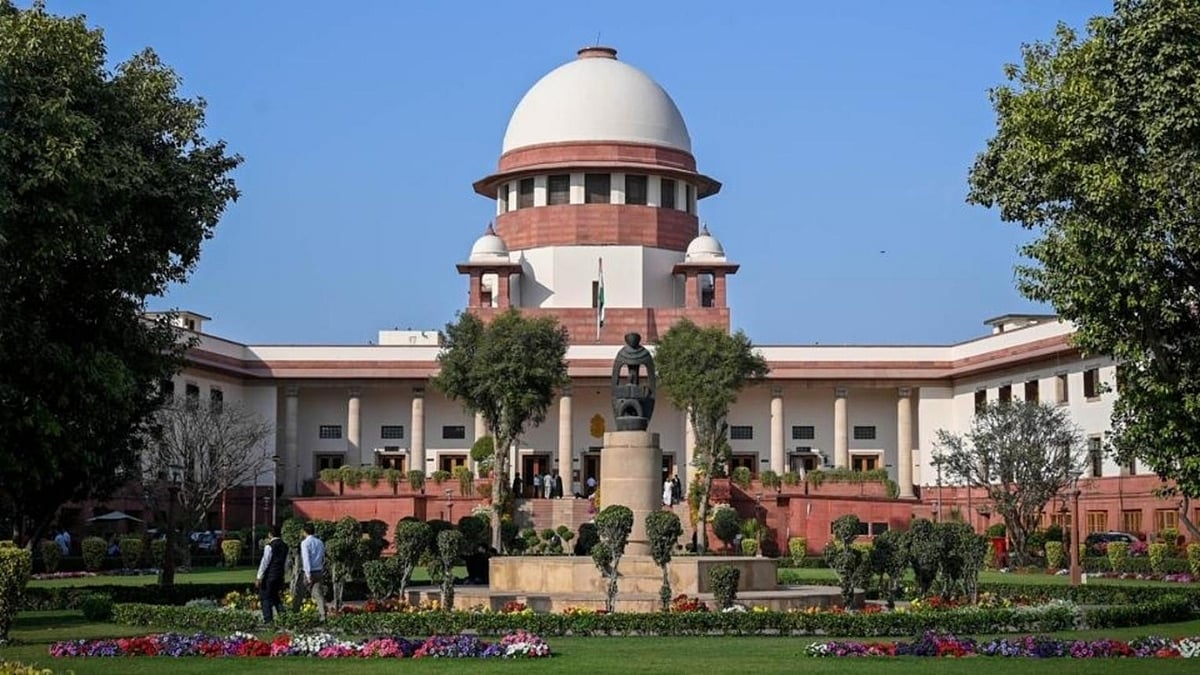
India’s Supreme Court has made rules about arresting people again after they are released.
It said police cannot simply re-arrest someone on their own.
A magistrate must first approve the new arrest.
Police must explain the reasons in writing.
A senior police officer must also support the request.
The magistrate must check that the request is genuine and legal.
If the request is illegal, the police officer may face an internal investigation.
The ruling is intended to protect people’s freedom and make police follow legal safeguards.

The Supreme Court ruled that police cannot independently re-arrest an accused after release when arrest safeguards were violated.
A magistrate must approve any rearrest, including cases involving special laws such as PMLA and UAPA.
Police must provide written grounds for arrest and obtain endorsement from an immediate superior.
Magistrates must assess whether rearrest requests are bona fide and legally justified.
The court said illegal rearrest requests should trigger departmental inquiries against responsible officers.
- Who
- The Supreme Court Bench of Justice Ujjal Bhuyan and Justice Anil Chandrukar, along with police and magistrates involved in rearrest decisions.
- What
- The court ruled that police need judicial approval to re-arrest an accused person who was released after arrest safeguards were breached.
- Where
- India.
- When
- The order was issued on September 21; the article also refers to a separate 2025 judgment on rearrest requests.
- Why
- To prevent immediate and potentially illegal rearrests and require judicial oversight of police actions.
Key facts
- Court
- Supreme Court
- Order date
- September 21
- Required approval
- A magistrate’s sanction is mandatory for rearrest
- Written explanation
- Grounds of arrest must be provided in writing
- Police oversight
- An immediate superior must endorse a rearrest request
- Judicial review
- The magistrate must assess whether the request has bona fide reasons
- Consequence of illegality
- An illegal request can lead to a departmental inquiry
Quotes
Supreme Court Bench of Justice Ujjal Bhuyan and Justice Anil Chandrukar
The Supreme Court bench that issued the September 21 order on police re-arrest procedures
“Once there is a breach of Article 22 (I), the power to rearrest the accused must not be left to the discretion of the very same authority who had violated the said provision of the Constitution. It must have judicial imprimatur.”
 freepressjournal.in
Sources
Related news
Supreme Court Requires Magistrate Approval Before Article 22 Re-Arrest
Supreme Court Orders Inquiry Over Arrests Without Written Grounds

Supreme Court Tightens Arrest Safeguards Under Article 22

Supreme Court Says Written Arrest Grounds Are Fundamental Right

Supreme Court Requires Magistrate Permission for Re-Arrest After Quashed Arrest

India’s Encounter Killings Debate Tests Constitutional Limits on State Power
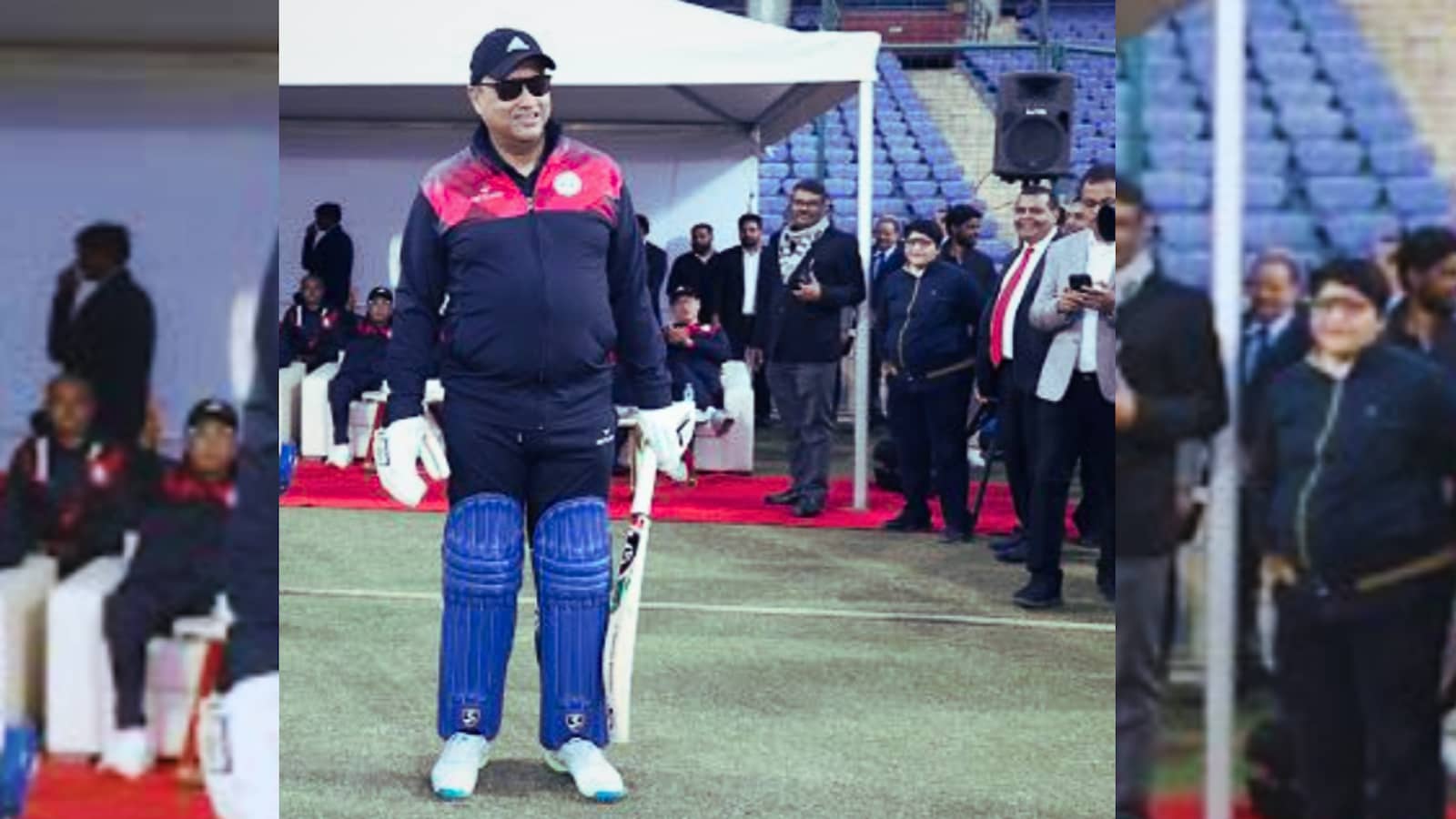
Justice Datta's Cricket Analogy Challenges Election Commissioner Appointment Law
Justice Flags Executive Veto in Election Commission Appointments

Supreme Court Questions India’s Drug Pricing and Calls for Reform
CPI(ML) Liberation Seeks CEC Impeachment, Post-SIR Poll Cancellations