

2 hrs ago
Congress Challenges UPI Charges as US Pressure Appears Alleged
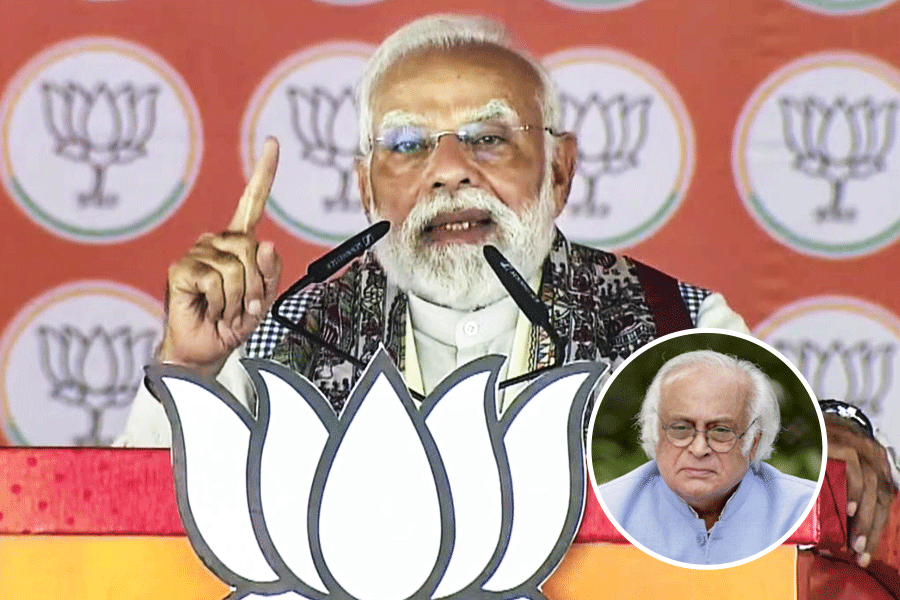
The government plans to charge some merchants when customers make larger UPI payments.
The charge can be as high as 0.4 per cent for merchant transactions above Rs 2,000.
Customers will not pay this fee directly.
Small payments and person-to-person transfers will remain free.
Congress leader Jairam Ramesh says the change may have happened because of pressure from the United States.
He also asked whether the change could help American card companies compete with UPI.
The government says the change is meant to make UPI sustainable.
The BJP accused Congress of spreading false information because consumers will not be charged.

The government and NPCI are set to apply MDR charges to select merchant UPI transactions above Rs 2,000 from October 15.
The proposed interchange charge can be up to 0.4 per cent and will be paid by merchants, not consumers.
Congress leader Jairam Ramesh alleged that the move responds to US criticism of UPI’s zero-MDR model.
Ramesh questioned whether the policy could help Visa and Mastercard compete with UPI and called it “Narendra’s Ongoing Trump Appeasement.”
The government said consumers will continue to make person-to-person and small UPI payments free, without quotas or transaction caps.
- Who
- The Indian government, NPCI, Congress leader Jairam Ramesh, the BJP, and Prime Minister Narendra Modi are central to the dispute.
- What
- A revised UPI Merchant Discount Rate framework will impose charges on some high-value merchant transactions while keeping consumer payments free.
- Where
- The policy concerns India’s UPI payments system; the political criticism was made in New Delhi and on X.
- When
- The announcement was reported on September 16, with the revised framework scheduled to take effect on October 15.
- Why
- The government says the change will help make UPI sustainable, while Congress alleges it responds to US criticism and could aid US card companies.
Congress and Opposition Criticism
Government and BJP Position
Reason for the MDR change
Congress and Opposition Criticism
Jairam Ramesh alleged that the Modi government had yielded to a US demand to end zero MDR and suggested the policy could help Visa and Mastercard compete with UPI.
Government and BJP Position
The government presented the change as a way to make UPI sustainable and emphasized that MDR applies within the merchant ecosystem rather than to consumers.
Impact on users
Congress and Opposition Criticism
Congress questioned whether the new charge was justified and whether the 0.4 per cent rate was linked to debit-card MDR.
Government and BJP Position
The finance ministry said customers would not be charged, while individuals would retain unlimited free UPI use without monthly quotas, volume restrictions, or tiered caps.
Political interpretation
Congress and Opposition Criticism
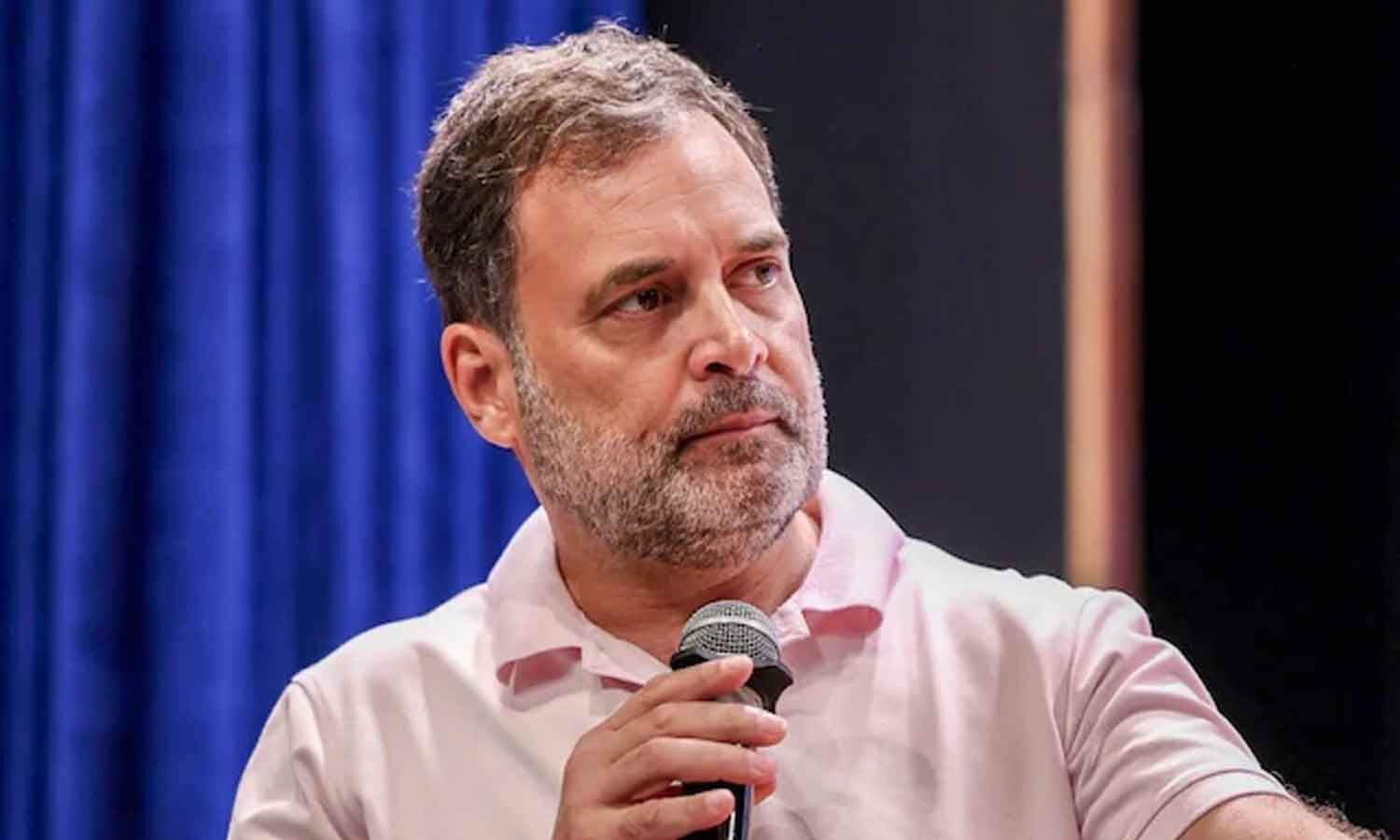
Ramesh called the policy “Narendra’s Ongoing Trump Appeasement,” and Rahul Gandhi described it as a surrender to American pressure.
Government and BJP Position
The BJP rejected the criticism as fake news, arguing that the government had clearly protected consumers from MDR charges.
Key facts
- Effective date
- October 15
- Transactions affected
- Select merchant UPI transactions above Rs 2,000
- Maximum charge
- Up to 0.4 per cent interchange/MDR
- Who pays
- Merchants; consumers will not be charged
- Free payments
- Person-to-person and small UPI payments remain free
- Annual ecosystem cost
- Congress estimates the cost of running UPI at around Rs 20,000 crore
- US trade measure cited
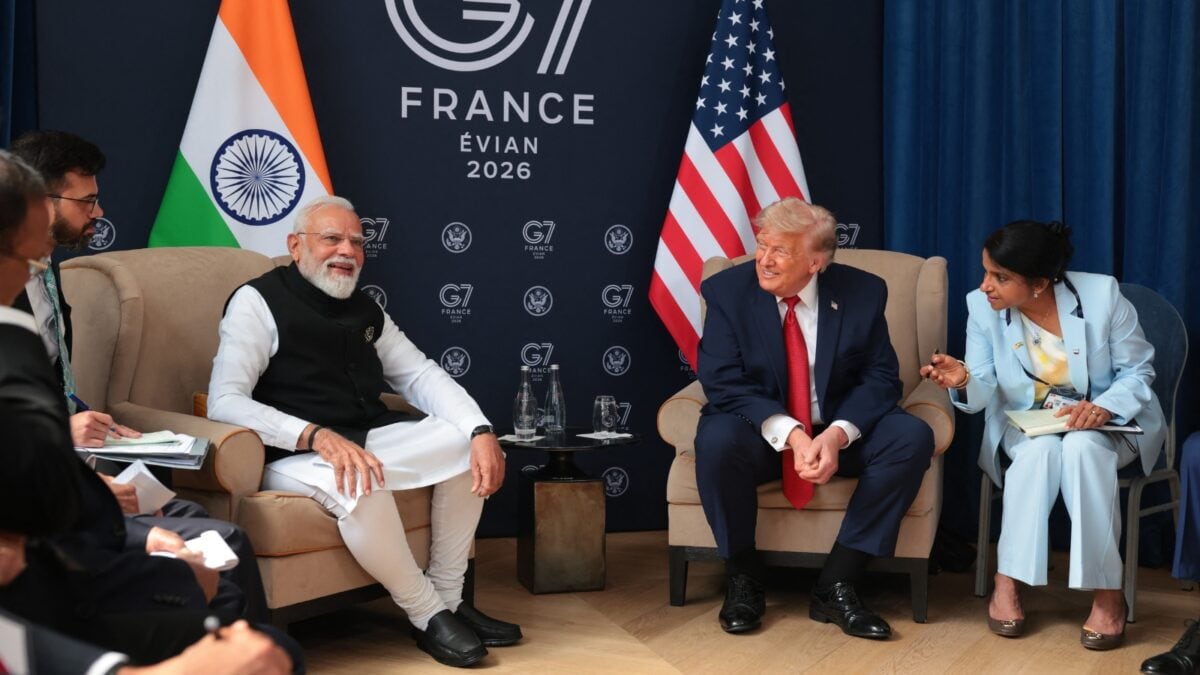
- Jairam Ramesh said a US bill proposing 100 per cent tariffs on India had passed the Senate and was due for a House vote
Quotes

Union finance ministry
Government ministry explaining the UPI MDR policy
“Here, the Modi government has given into a US demand to get rid of zero MDR and charge for UPI. The U.S. Trade Representative earlier this year criticized UPI for being free and having driven out Visa and Mastercard,”
 telegraphindia.com
 theprint.in
“Why 0.4% MDR? Is it because debit card MDR is also 0.4%? Is this being done to enable US card companies to compete with UPI?”
telegraphindia.com
Sources
Related news

Congress Calls New UPI Merchant Charges ‘Modi Tax’
Rahul Gandhi Targets Modi Government Over Proposed UPI Charges
Congress Warns UPI Fees Loom After Government Notification
Congress Targets Government Over US Tariffs, UPI MDR Dispute
India's UPI Fee Proposal Draws Concerns Amid US Pressure
India’s UPI Needs Merchant Fees, Not American Pressure
After Haldwani Controversy, Nitin Nabin Demands Faster Uttarakhand BJP Response

Narendra Mehta-Linked Trust Surrenders Permit After Land Dispute Complaint

India Blocks Football Teams From 2026 Asian Games