

1 week ago
India’s UPI Needs Merchant Fees, Not American Pressure
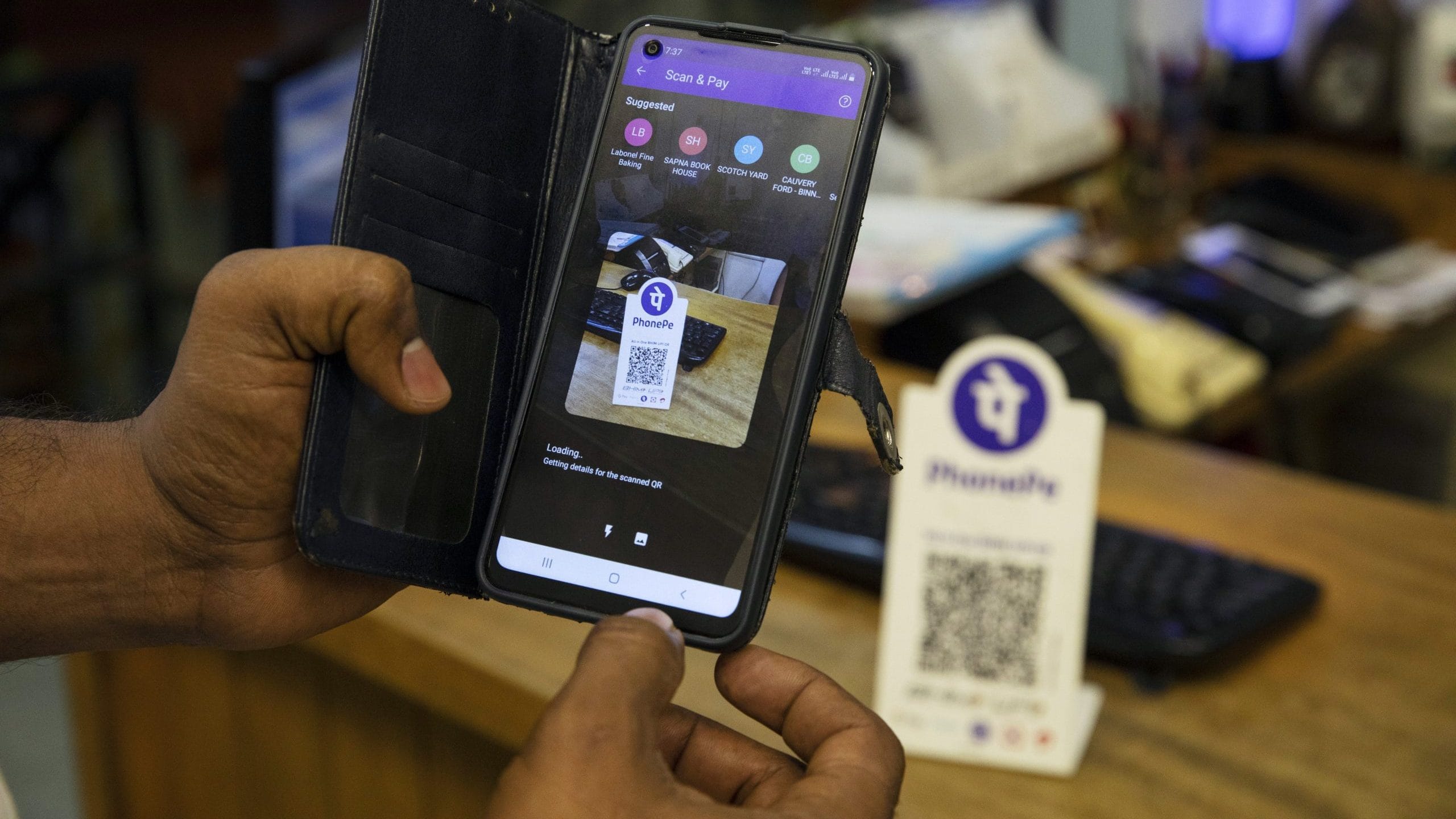
UPI is an Indian system that lets people pay instantly using phones and QR codes.
It is used billions of times each month.
Most payments between people are expected to stay free.
The difficult question is how to pay for business payments made through UPI.
Running the system requires expensive computers, security work, and fraud protection.
The government is considering small fees on payments made by large businesses.
Supporters say this would help banks and payment companies keep UPI working.
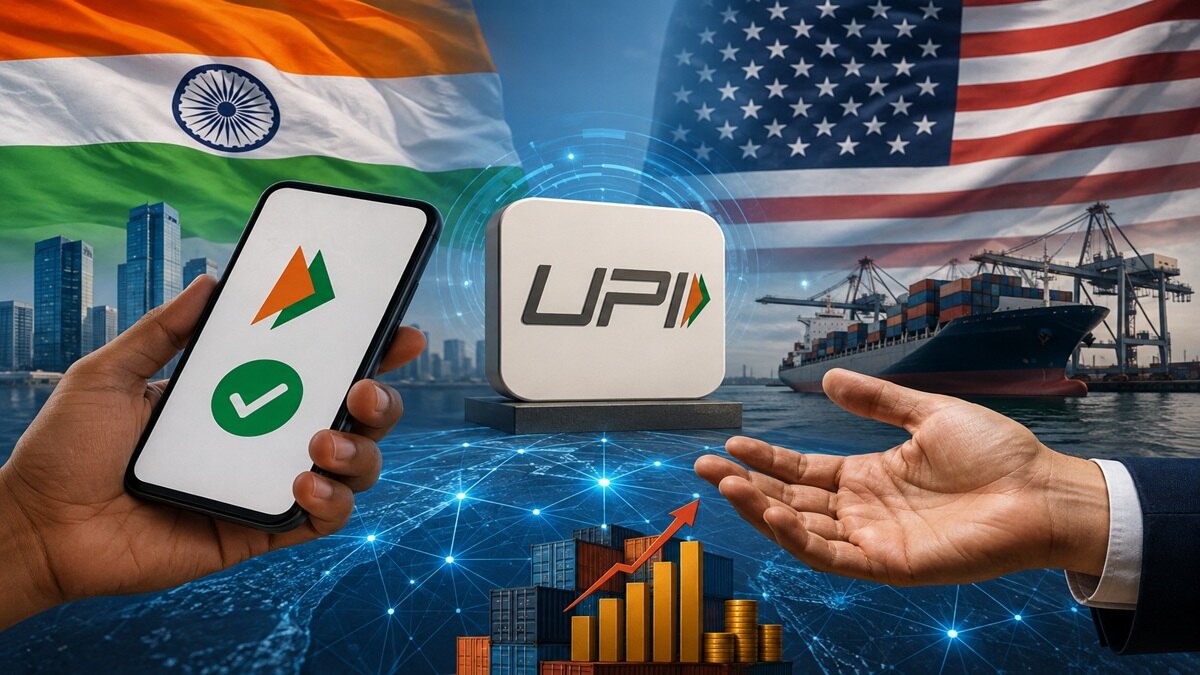
Critics worry that fees could hurt consumers or make India appear to be giving in to pressure from the United States.

India’s Unified Payments Interface processes more than 20 billion transactions monthly but earns little from merchant payments.
Person-to-person UPI transfers represent about 70% of transaction value and are expected to remain free.
The proposed reform could permit fees of 0.3% to 0.5% on larger merchant transactions while protecting consumers and small businesses.
PhonePe and Google Pay account for about 80% of UPI transactions, while subsidies help cover infrastructure and security costs.
The United States has criticized UPI’s competitive impact on Visa and Mastercard, but supporters say reform is primarily about financial sustainability.
- Who
- India’s government, banks, fintech companies, payment apps, merchants, and US card networks are involved.
- What
- India is considering reforms that could allow fees on some UPI merchant payments while keeping person-to-person transfers free.
- Where
- The reform concerns India’s Unified Payments Interface and its relationship with US payment networks.
- When
- The UPI system is 10 years old; the government has recently secured parliamentary approval to change the relevant law.
- Why
- UPI handles more than 20 billion monthly transactions, but intermediaries earn little while facing infrastructure, compliance, cybersecurity, and fraud-related costs.
Reform Supporters
Critics
Charging merchant payments
Reform Supporters
Allowing modest fees on large commercial platforms could provide revenue for banks and fintech companies without charging consumers or small businesses.
Critics
Opponents describe charging for transactions that are currently free as anti-consumer and worry that costs could eventually be passed on to users.
US pressure and sovereignty
Reform Supporters
Supporters say the reform addresses UPI’s financial sustainability rather than the interests of Visa or Mastercard, whose card businesses face disadvantages in India.
Critics
The opposition argues that changing UPI amid US criticism represents a surrender of financial sovereignty to the Trump administration and American card networks.
Who should pay
Reform Supporters
The article favors keeping peer-to-peer and small-merchant transactions free while charging large commercial platforms, including major delivery businesses.
Critics
Some industry participants support fees even on smaller payments made to large businesses, while critics object to expanding charges beyond the current free model.
Key facts
- System
- Unified Payments Interface, or UPI, enables instant account-to-account transfers through phone numbers and merchant QR codes.
- Monthly volume
- UPI processes more than 20 billion transactions each month.
- Transaction split
- Person-to-person transfers account for about 70% of total transaction value; merchant payments account for about 30%.
- Major apps
- PhonePe and Google Pay control approximately 80% of UPI transactions.
- Proposed fee
- One proposal would allow a merchant discount rate of 0.3% to 0.5% on transactions above 2,000 rupees, or about $21.
- Current support
- Government subsidies currently help cushion infrastructure costs, although the article says New Delhi may not be able to fund them indefinitely.
- International comparison
- Brazil’s Pix permits market-based merchant fees averaging 0.22% to 0.33% while keeping person-to-person transfers free.
Quotes
Aditya Gupta
Chief executive officer of Mumbai-based fintech startup novio
“Food delivery platforms like Swiggy and Zomato are benefiting tremendously from 200 rupee orders paid over UPI. The 10 rupee convenience fee they charge can easily accommodate a one rupee fee for payments.”
 theprint.in
Sources
Related news
US pressure behind India's proposed UPI-RuPay transaction fee levy
UPI remains free for users, some merchants face nominal charges
India Moves to Allow Merchant Fees on UPI Transactions

GTRI Urges India to Resist US Pressure on UPI Policies
India's UPI MDR Debate Raises Questions of US Trade Pressure

UPI Remains Free for Users, Nominal Merchant Fee Possible: Govt
Putin Faces Western Isolation While Russia Builds Non-Western Ties
India’s Global Power Ambitions Face Economic and Democratic Setbacks
Modi’s Frugality Appeal Contrasts With Extensive Foreign Travel
Modi Sets Roadmap for Collaborative, Water-Secure India’s Future

Sonia Gandhi Memoir Sparks Debate Over Politics, Publishing And Speech
