2 hrs ago
Rahul Gandhi Accuses Modi Government Over Proposed UPI Charges
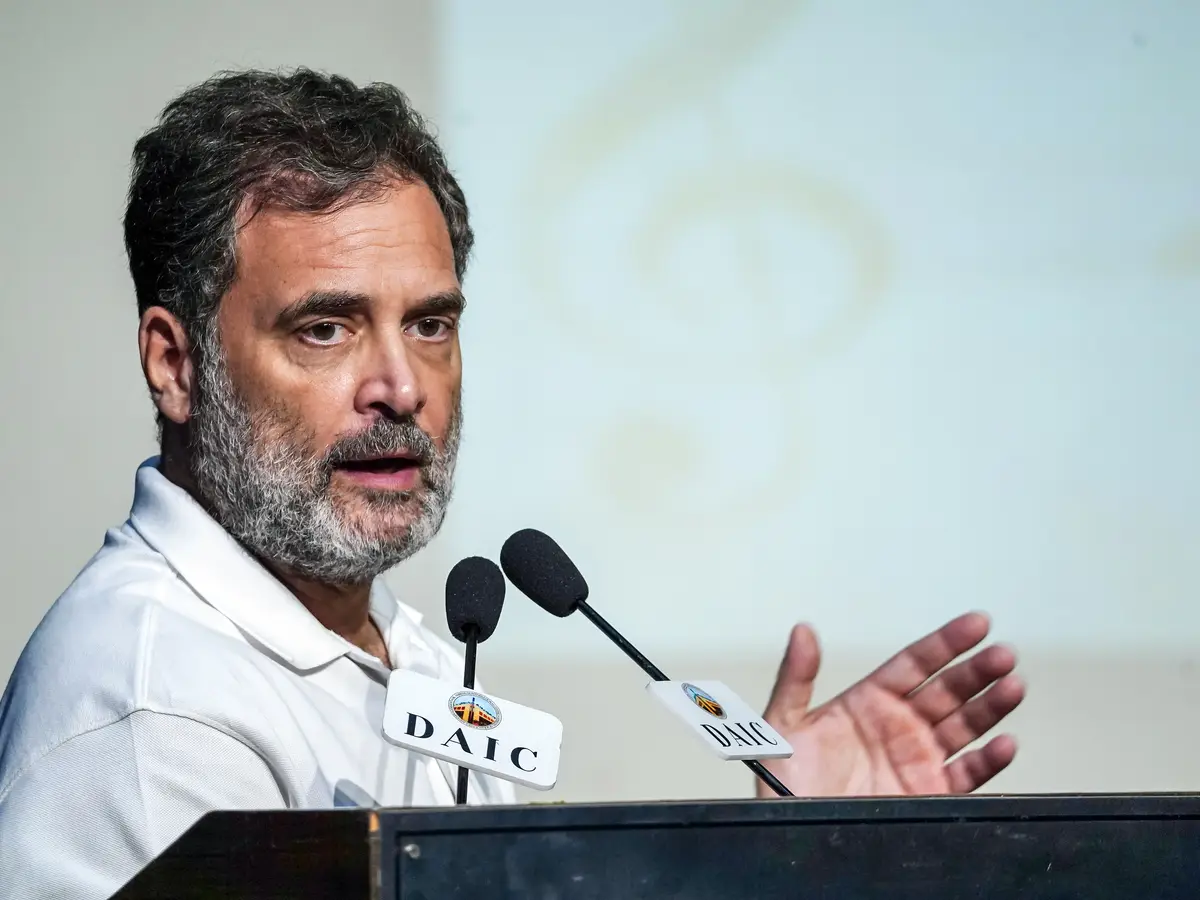
Rahul Gandhi says the government may allow fees on some UPI payments.
The possible fees would apply to merchant transactions above ₹2,000.
UPI is the digital payment system many people use in India.
The government says customers will not be charged directly for payments up to ₹2,000.
Gandhi argues that shopkeepers could add their costs to product prices.
That would mean customers might still pay indirectly.
The Finance Ministry says about 96% of UPI transactions by volume remain below the no-charge limit.
Mallikarjun Kharge also criticized the reported change, saying it could increase pressure on households.

Rahul Gandhi accused the BJP-led government of yielding to American payment companies over possible UPI charges.
He said Merchant Discount Rate charges on transactions above ₹2,000 could eventually raise prices for consumers.
The Finance Ministry said UPI transactions up to ₹2,000 cannot attract direct or indirect charges.
The notification said transactions below the threshold represent about 96% of UPI transactions by volume.
Congress president Mallikarjun Kharge called the reported change a potential digital payments tax amid inflation.
- Who
- Rahul Gandhi and Mallikarjun Kharge criticized the BJP-led government; the Finance Ministry issued the notification.
- What
- A dispute arose over a reported policy allowing MDR on some merchant UPI transactions above ₹2,000.
- Where
- India; the statements were made in relation to the central government’s UPI policy.
- When
- Tuesday, September 15.
- Why
- Gandhi and Kharge argued that charges on merchants could ultimately raise consumer prices, while the government notification maintained a no-charge threshold for transactions up to ₹2,000.
Critics of the reported change
Government position
Effect on consumers
Critics of the reported change
Rahul Gandhi and Mallikarjun Kharge argued that fees charged to merchants could eventually be added to prices and paid by consumers.
Government position
The Finance Ministry notification states that UPI transactions up to ₹2,000 cannot attract direct or indirect charges from banks or system providers.
Scope of the policy
Critics of the reported change
Gandhi said the notification opens the door to MDR on higher-value merchant transactions and could weaken the zero-MDR policy.
Government position
The notification preserves the no-charge rule for transactions up to ₹2,000, covering about 96% of UPI transactions by volume.
External pressure
Critics of the reported change
Gandhi alleged that American payment companies had opposed India’s zero-MDR policy and accused the government of responding to American pressure.
Government position
The articles report the allegation but do not provide a government response addressing the claim about American pressure.
Key facts
- Policy threshold
- UPI transactions up to ₹2,000 cannot attract direct or indirect charges from banks or system providers, according to the Finance Ministry notification.
- Transaction coverage
- The notification said about 96% of UPI transactions by volume remain within the zero-charge threshold.
- Potential MDR scope
- Merchant Discount Rate could reportedly be levied on merchant UPI transactions above ₹2,000.
- Value share cited by Gandhi
- Gandhi said transactions above ₹2,000 may account for about 5% of volume but nearly 65% of total UPI transaction value.
- Consumer impact claim
- Gandhi argued that merchants could pass any fees on to customers through higher prices.
- Political criticism
- Mallikarjun Kharge described the reported change as a possible digital payments tax amid inflation.
Quotes

Mallikarjun Kharge
Congress president
“Just like with the US Trade Deal, Compromised PM Modi is once again surrendering to American pressure.”
 wionews.com
“The Modi government's loot has now reached UPI.”
wionews.com
Sources
Related news
Congress Warns UPI Fees Loom After Government Notification

UPI Charges Debate Grows as MDR Framework Opens Higher Payments
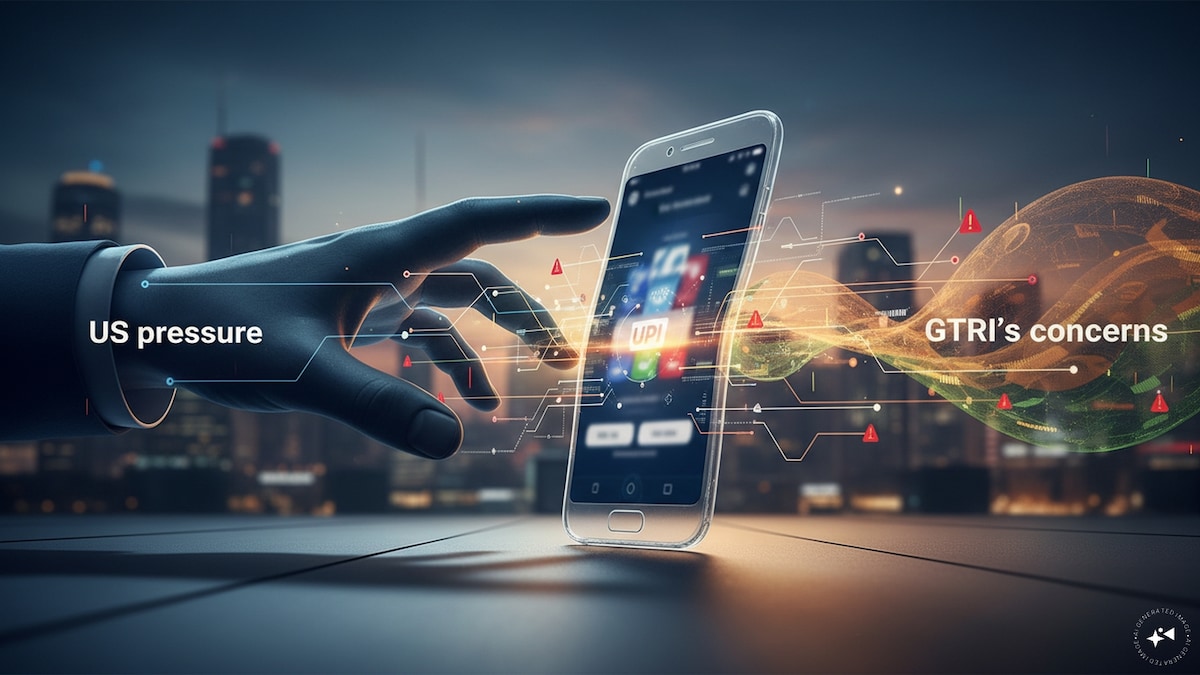
India's UPI Fee Proposal Draws Concerns Amid US Pressure

BJP, Congress Clash Over Possible Future UPI Charges
Uttar Pradesh Polls: BJP Faces Youth and Caste Challenges

Amit Shah Targets UCC Across 21 States By 2029
BJP Announces Month-Long Seva Sankalp Campaign Ahead of Modi Birthday
RLP Candidate Challenges Zero-Vote Result in Rajasthan Local Poll