

1 hr ago
Congress Targets Government Over US Tariffs, UPI MDR Dispute
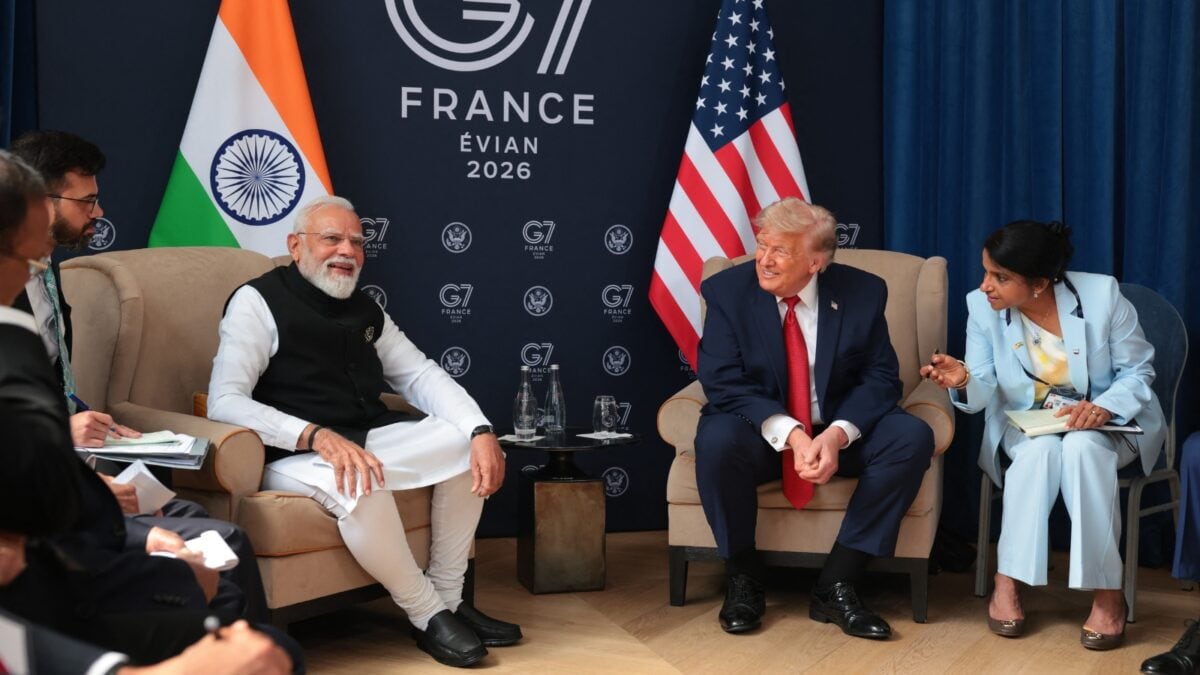
The United States is considering a law that could place very high tariffs on countries buying energy from Russia.
India could be affected because it buys Russian oil and gas.
India’s Congress party criticized the government over how it is handling pressure from the United States.
Congress also questioned a new charge connected to some UPI payments made to shops and businesses.
The charge is called MDR and will be 0.4% for certain payments above Rs 2,000.
The government says ordinary customers will not have to pay it directly.
Payments between people will stay free, and smaller merchant payments will not be charged under this rule.
The government says the change is meant to help keep the UPI system financially sustainable.

The US House of Representatives advanced legislation that could allow President Donald Trump to impose tariffs of up to 100% on countries buying Russian oil and gas.
India and China are among the countries that could face the proposed tariffs, while the bill has already cleared the US Senate.
India’s Congress accused the government of allowing US pressure to influence its policies toward Russia and UPI payments.
A 0.4% MDR will apply from October 15 to specified merchant UPI payments above Rs 2,000, capped at Rs 300 for transactions of Rs 75,000 or more.
The Finance Ministry said consumers will not pay the charge, person-to-person payments will remain free, and about 96% of merchant transactions will be unaffected.
- Who
- The US House of Representatives, President Donald Trump, India’s Congress party, the Indian government, and the Finance Ministry are central to the story.
- What
- The US House advanced a Russia sanctions bill that could enable 100% tariffs on some Russian energy buyers, while Congress criticized India’s new UPI MDR framework.
- Where
- The developments concern the United States and India, with possible tariffs affecting countries purchasing Russian oil and gas.
- When
- The report was published and updated on September 16, 2026; the UPI MDR framework is scheduled to begin on October 15, 2026.
- Why
- The proposed US legislation aims to increase economic pressure on Russia, while the Indian government says the UPI change is intended to support the payment network’s long-term sustainability.
Congress’s Criticism
Government and US Policy Position
India’s response to US pressure
Congress’s Criticism
Congress said India was being caught between competing global powers and accused the government of accommodating US interests, including through its approach to Russian energy purchases.
Government and US Policy Position
The proposed US bill is presented as a measure to increase economic pressure on Russia by targeting countries that continue buying Russian oil and gas.
Purpose of the UPI MDR
Congress’s Criticism
Jairam Ramesh questioned whether the 0.4% MDR was introduced to help US-based card companies such as Visa and Mastercard compete with UPI, after criticism that free UPI had displaced them.
Government and US Policy Position
The Indian government says the MDR is an internal charge within the merchant payment ecosystem, not a customer fee, and is intended to support UPI’s long-term sustainability.
Effect on users
Congress’s Criticism
Congress criticized the decision to end zero MDR for some transactions and questioned the rationale for setting the rate at 0.4%.
Government and US Policy Position
The Finance Ministry says person-to-person payments will remain free, payments to merchants up to Rs 2,000 will be exempt, and about 96% of merchant transactions will be unaffected.
Key facts
- Potential tariff
- Up to 100% on countries purchasing Russian oil and gas under the proposed US legislation.
- Bill status
- The US House advanced the bill, and the US Senate has already approved it.
- UPI MDR
- A 0.4% MDR will apply to specified person-to-merchant UPI payments above Rs 2,000.
- MDR cap
- The charge will be capped at Rs 300 for transactions of Rs 75,000 and above.
- Effective date
- October 15, 2026.
- Consumer impact
- The Finance Ministry says customers will not be charged directly for these UPI payments.
- Exemptions
- Person-to-person payments and merchant payments up to Rs 2,000 will remain outside the MDR framework.
- Coverage
- Around 96% of merchant transactions are expected to remain unaffected.
Quotes

Jairam Ramesh
Congress general secretary in charge of communications
“Here, the Modi government has given into a US demand to get rid of zero MDR and charge for UPI. The U.S. Trade Representative earlier this year criticized UPI for being free and having driven out Visa and Mastercard.”
 news18.com
“We are not playing ball with America and China. We are the ball.”
news18.com

Finance Ministry
Indian government ministry explaining the new UPI merchant discount framework
“Customers will not be required to pay any charge when making such payments through UPI.”
news18.com
Sources
Related news
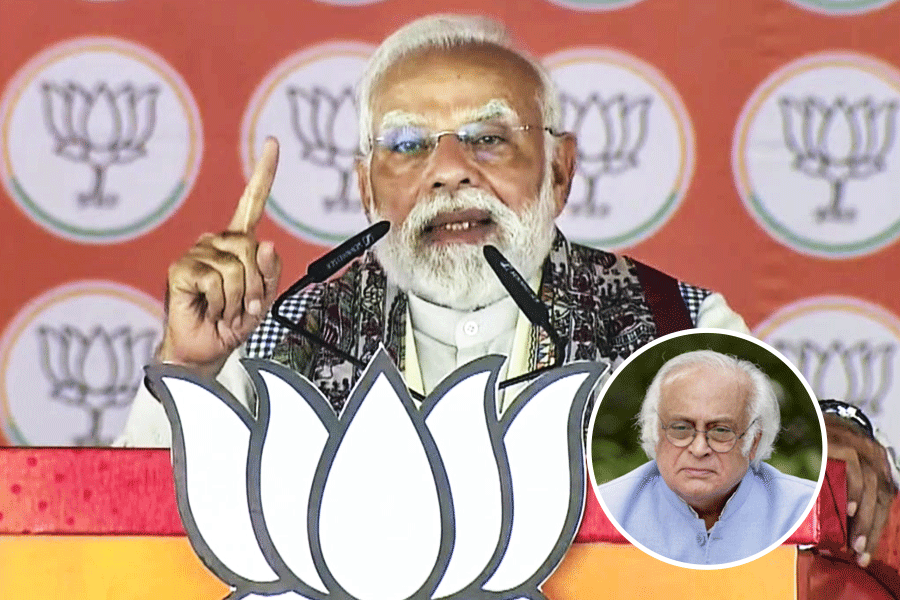
Congress Challenges UPI Charges as US Pressure Appears Alleged
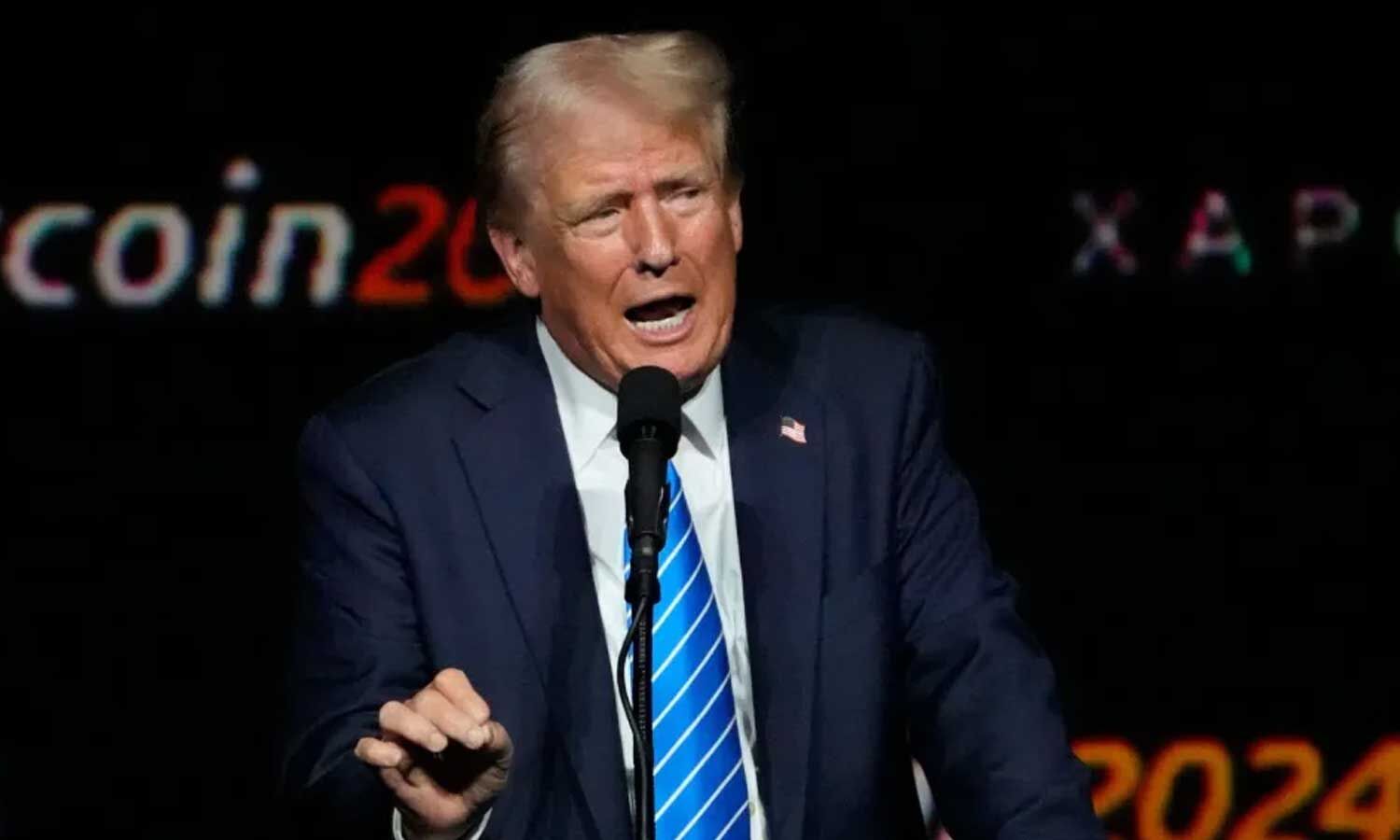
US House Advances Russia Sanctions Bill With India Tariff Risk

Congress Calls New UPI Merchant Charges ‘Modi Tax’

House Weighs Russia Sanctions Bill Naming India for Tariffs
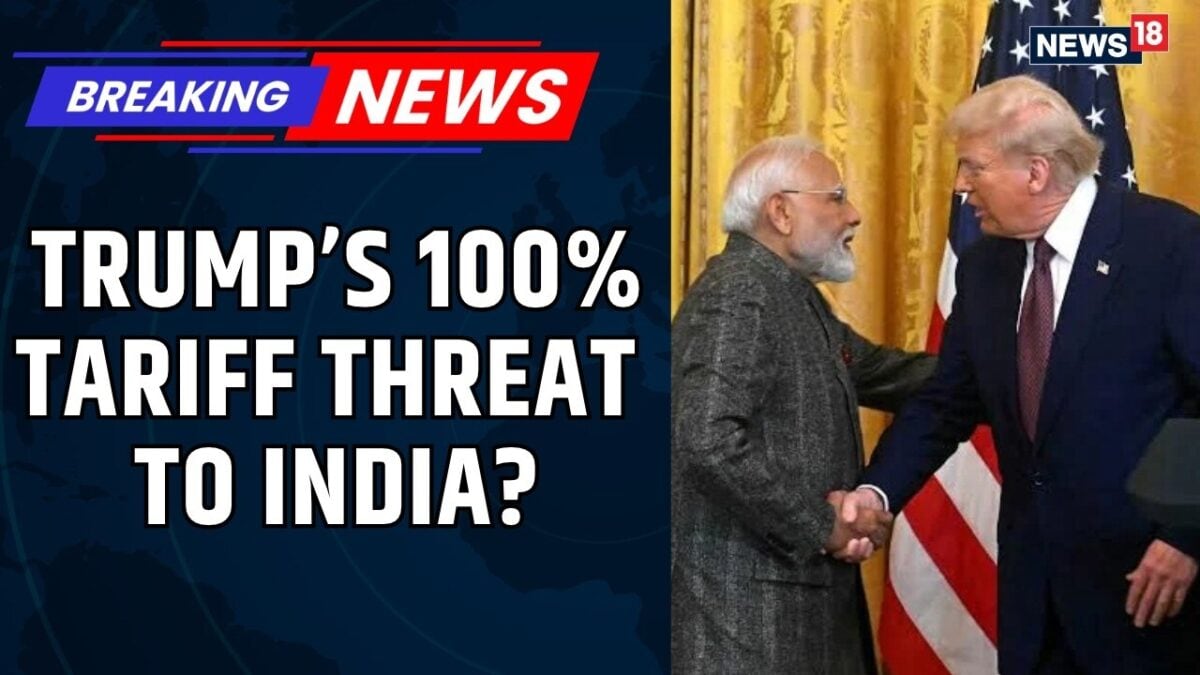
US House Advances Bill Targeting Buyers of Russian Oil
Congress Warns UPI Fees Loom After Government Notification
After Haldwani Controversy, Nitin Nabin Demands Faster Uttarakhand BJP Response

Narendra Mehta-Linked Trust Surrenders Permit After Land Dispute Complaint

India Blocks Football Teams From 2026 Asian Games