

1 week ago
Canada Announces Dollar-for-Dollar Tariffs After US Trade Talks Collapse

The United States and Canada tried to make a new trade agreement but could not agree.
The United States then placed a 50% tax on some Canadian products.
Canada says it will place matching taxes on some goods from the United States starting September 8.
The Canadian tariffs may affect products such as steel, dairy, appliances, farm equipment, paper, and electronics.
Canada says the United States asked for too many changes and offered too little in return.
The United States says it offered Canada better trade terms, but Canada rejected them.
Tariffs can make products more expensive and create problems for businesses and workers.
The disagreement may also make it harder to review and maintain the North American trade agreement called USMCA.

Canada will impose dollar-for-dollar tariffs on US goods beginning September 8, with details to be released in the coming days.
The United States has imposed 50% tariffs on about $20 billion of Canadian products, affecting roughly 5% of Canada’s US-bound exports.
Canadian countermeasures are expected to target US steel, dairy, appliances, agricultural equipment, pulp and paper, and electronics.
Prime Minister Mark Carney said US demands were unfair and unacceptable, while US Trade Representative Jamieson Greer said Canada rejected improved terms.
The dispute threatens the future of USMCA and a bilateral trade relationship worth about $880 billion annually.
- Who
- The governments of Canada and the United States, led by Prime Minister Mark Carney and President Donald Trump; US Trade Representative Jamieson Greer also defended Washington’s position.
- What
- Canada announced matching tariffs on US goods after the United States imposed new 50% tariffs on Canadian products and trade talks failed.
- Where
- The measures affect trade between Canada and the United States, including goods crossing their shared border.
- When
- The US tariffs took effect on August 22, 2026; Canada’s retaliatory tariffs are scheduled to begin September 8, 2026.
- Why
- Negotiations collapsed after the sides disagreed over tariff relief, Canadian concessions, and additional US demands.
Canada’s Position
United States’ Position
Why negotiations failed
Canada’s Position
Mark Carney said Canada made concessions but could not accept last-minute US terms that were unfair, uneconomic, and harmful to Canadian sovereignty and trade interests.
United States’ Position
Jamieson Greer said Canada declined to finalize a deal under terms reached earlier in the week, including proposed US tariff reductions on steel, aluminum, automobiles, and lumber.
Purpose of the tariffs
Canada’s Position
Canada said dollar-for-dollar retaliation was necessary to protect Canadian workers, farmers, families, businesses, and economic interests after the new US duties.
United States’ Position
The United States said its measures responded to Canadian retaliation and alleged discriminatory treatment of US alcohol, automobile, and dairy products.
Future economic relationship
Canada’s Position
Carney said Canada would seek greater economic independence and recognized that it would not return to its previous relationship with the United States.
United States’ Position
The US administration is continuing to use tariffs to encourage manufacturing in the United States, while Greer said Washington was not planning fresh negotiations with Canada at present.
Domestic response in Canada
Canada’s Position
Ontario Premier Doug Ford supported retaliation, while British Columbia Premier David Eby said Canada would continue fighting.
United States’ Position
Alberta Premier Danielle Smith urged Carney to return to the negotiating table, reflecting concern about the costs of a prolonged confrontation.
Key facts
- Canadian tariff start date
- September 8, 2026
- US tariff rate
- 50% on about $20 billion worth of Canadian products
- Share of Canadian exports affected
- Roughly 5% of Canada’s annual exports to the United States
- Expected Canadian targets
- US steel, dairy, appliances, agricultural equipment, pulp and paper, and electronics
- Annual bilateral trade
- About $880 billion in goods and services last year
- Canada’s US export dependence
- Nearly 72% of Canada’s goods exports went to the United States last year
- US tariff authority
- Section 338 of the Tariff Act of 1930, which permits tariffs of up to 50% on goods from countries deemed to discriminate against US businesses
Quotes

Jamieson Greer
US Trade Representative
“In recent days, the United States proposed new terms that were uneconomic, unfair, and undermined the net benefits for Canada, and called into question the reliability of any deal. In short, they asked too much and they offered too little.”
 financialexpress.com
 livemint.com
 wionews.com
 firstpost.com
“In the coming days, we'll release details of these new tariff measures, measures which will come into force the Tuesday after Labor Day”
 news18.com
livemint.com
news18.com
livemint.com
Sources
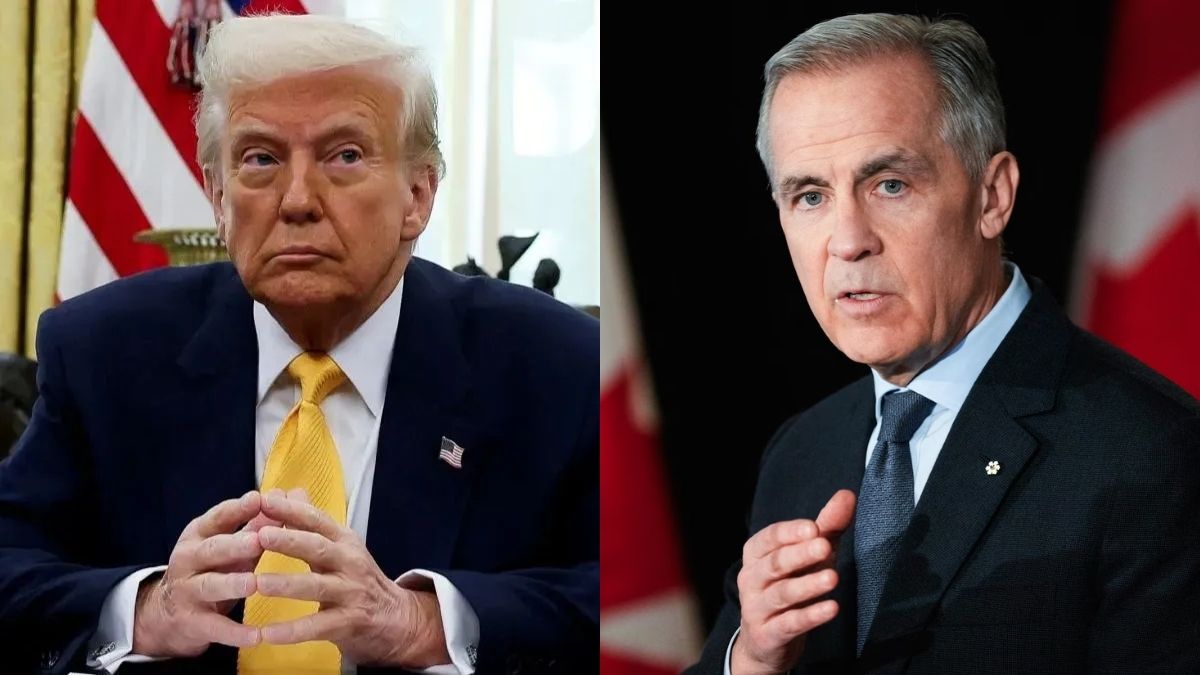
Canada hits back at Trump with retaliatory tariffs from Sept 8 after US trade talks fail
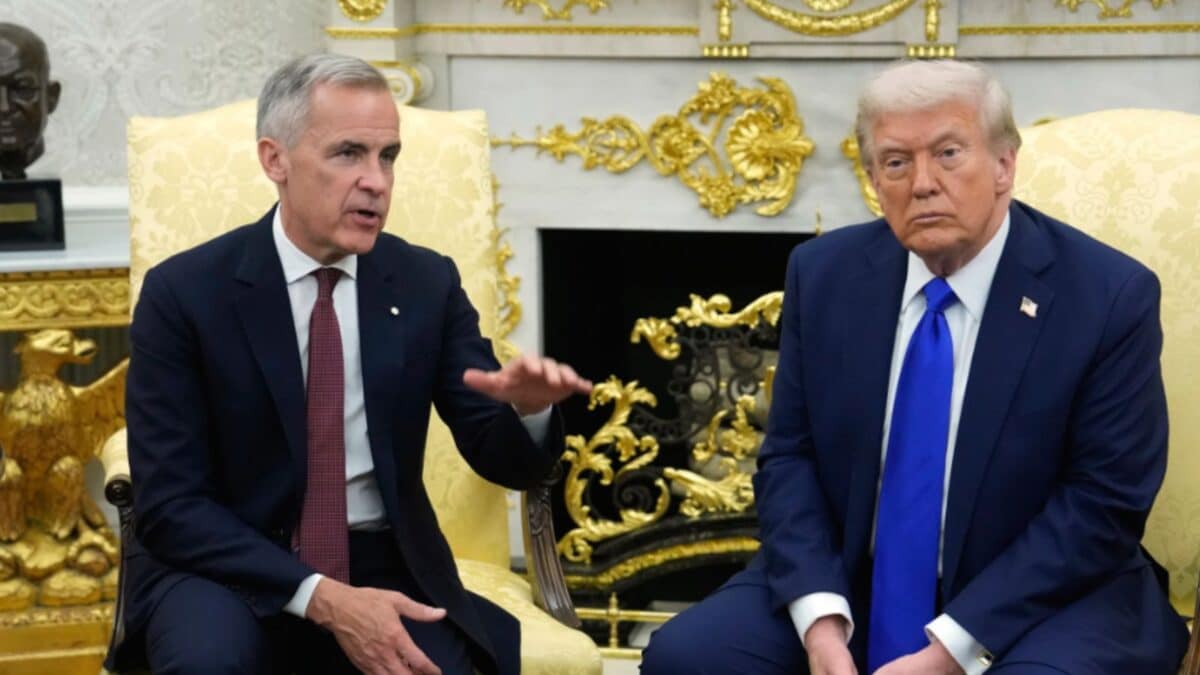
'We Can't Accept...': Canada To Impose Retaliatory Tariffs On US From Sept 8 After Trump's 50% Duties

Canada to impose retaliatory tariffs on US goods from September 8; Carney vows 'dollar-for-dollar' response
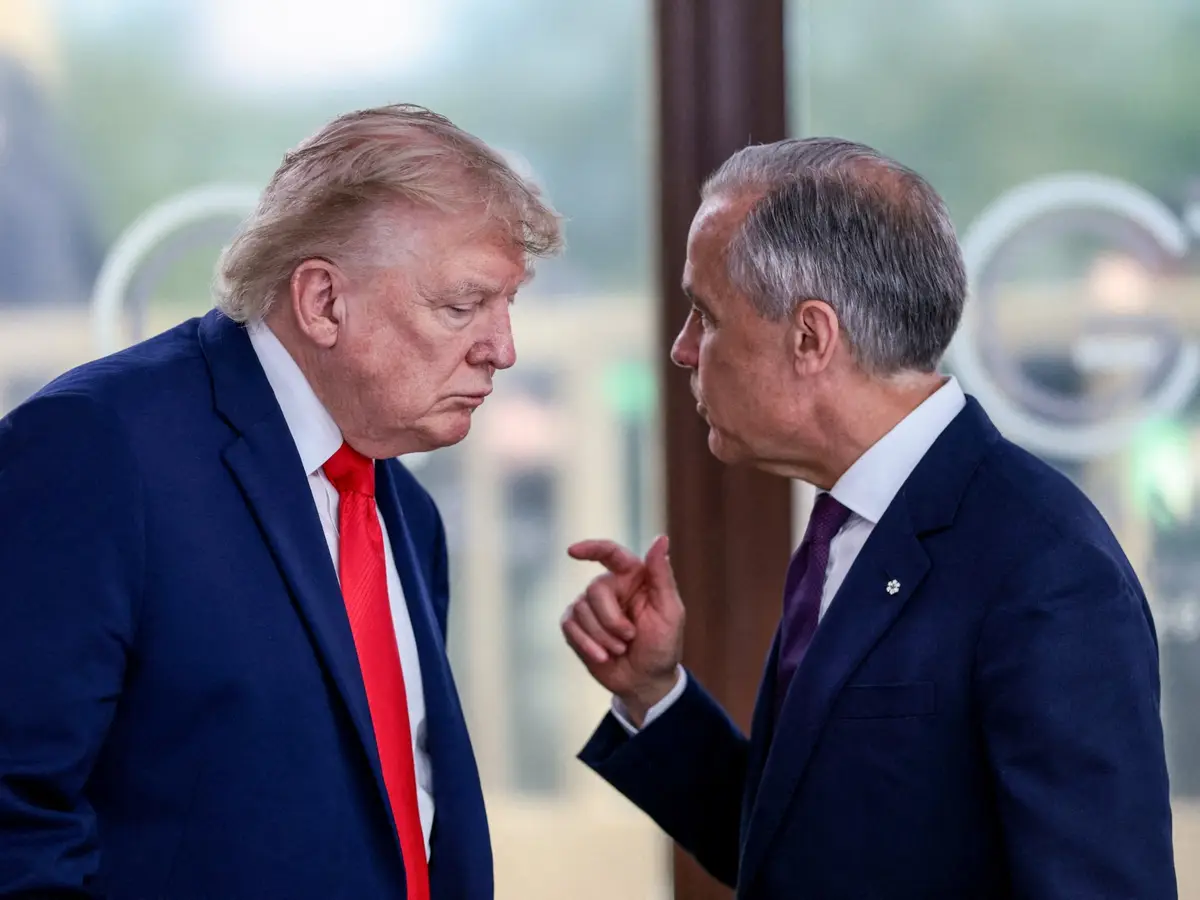
Canada-US trade talks collapse as Carney vows dollar-for-dollar tariff response
Canada vows 'dollar-for-dollar' retaliation as Trump’s 50% tariffs push US trade ties to the brink
Related news

Canada Retaliates as Trade War with US Escalates

Canada Announces Retaliatory Tariffs After U.S. Trade Talks Collapse

US-Canada Trade Deal Collapses Over Trucks, Culture and Tariffs
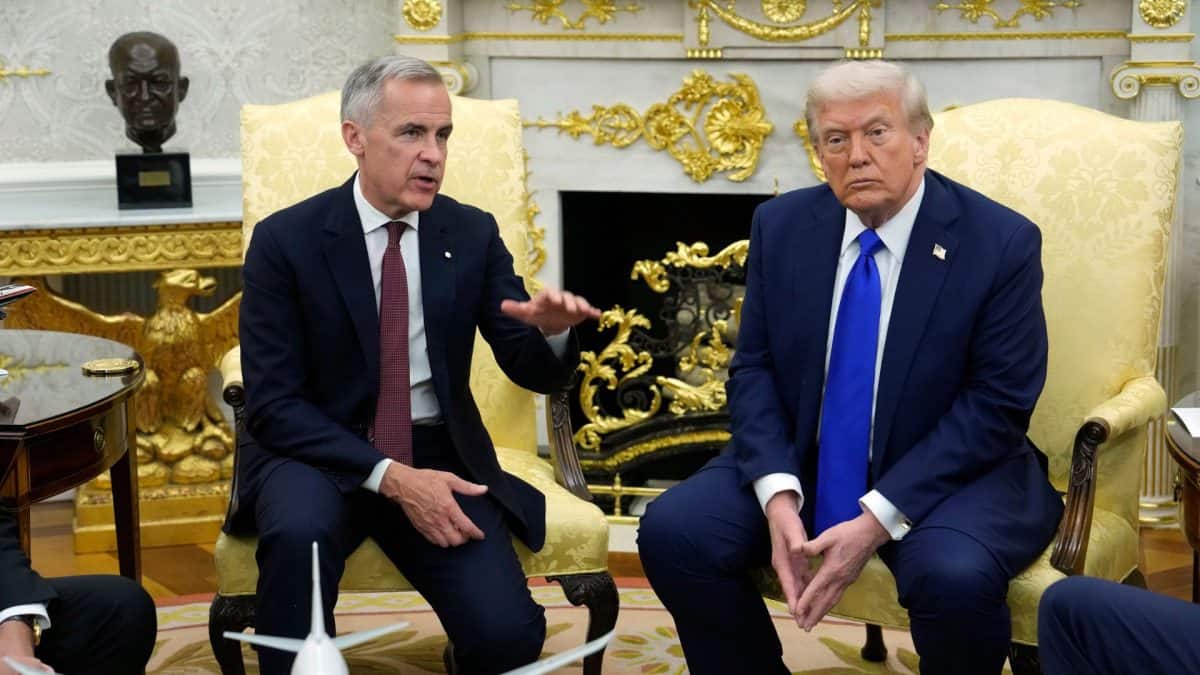
US-Canada Trade Talks Collapse as 50% Tariffs Take Effect

US-Canada Trade Talks Collapse as Tariffs Trigger Retaliation

Canada-US Trade Talks Collapse as Tariffs Deepen Economic Rift
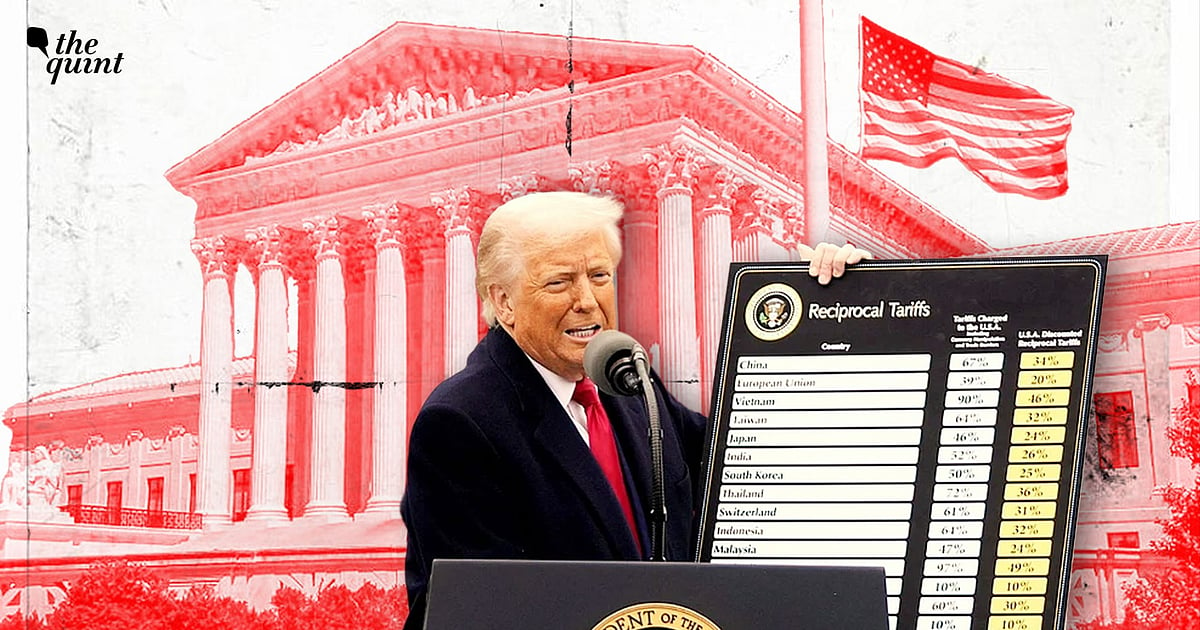
Canada Tariff Dispute Raises Wider Worry for New Delhi
Cheese Name Dispute Becomes Stumbling Block in U.S.-Mexico Talks
Canada Rejects Unequal US Trade Deal Despite Economic Risks
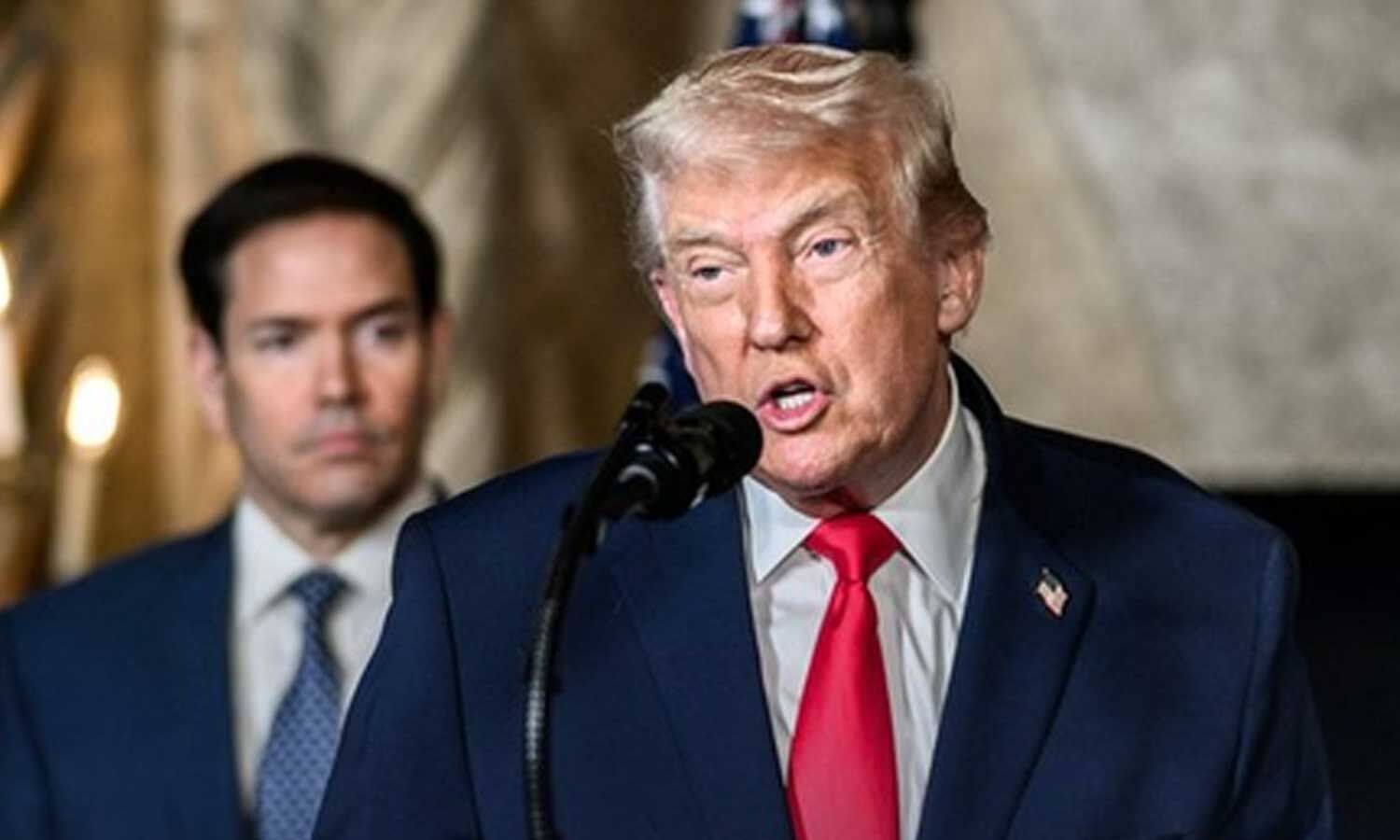
Trump Escalates Trade Confrontation as Canada Vows Tariff Retaliation

US-Canada Trade Collapse Offers India a Cautionary Lesson
