

1 week ago
Canada Announces Retaliatory Tariffs After U.S. Trade Talks Collapse

Canada and the United States tried to make a new trade deal but failed.
The United States then placed 50% taxes, called tariffs, on some Canadian products.
These products include wine, furniture, dairy, clothing, fishing rods, and hockey equipment.
Canada says it will place matching tariffs on some American products starting September 8.
Canadian targets include steel, appliances, farm equipment, paper, and electronics.
Mark Carney said the United States made unfair demands at the last moment.
The United States said Canada already had a good deal and rejected an even better offer.
Both countries may now make it more expensive to buy some products from the other country.
Canada plans to help businesses and workers hurt by the tariffs.

Canada will impose dollar-for-dollar tariffs on selected U.S. imports beginning September 8.
The measures respond to new 50% U.S. tariffs covering about $20 billion in Canadian exports.
Canadian targets include U.S. steel, dairy, appliances, farm equipment, pulp and paper, and electronics.
Prime Minister Mark Carney said last-minute U.S. demands were unfair and restricted Canada’s ability to negotiate other trade deals.
The United States says Canada rejected a better offer, while Canada plans support for industries affected by the dispute.
- Who
- The governments of Canada and the United States, including Prime Minister Mark Carney, President Donald Trump, and U.S. Trade Representative Jamieson Greer.
- What
- Canada announced retaliatory tariffs on selected U.S. imports after negotiations failed and new U.S. tariffs took effect.
- Where
- The announcement was made at Canada’s Parliament building in Ottawa, and the measures affect trade between Canada and the United States.
- When
- The U.S. tariffs took effect at midnight before the August 22 announcement; Canada’s tariffs are scheduled to begin September 8.
- Why
- Canada says it is responding to U.S. tariffs and protecting Canadian workers, farmers, families, and businesses after rejecting U.S. demands it considered unfair.
Canada’s Position
United States’ Position
Reason for retaliation
Canada’s Position
Mark Carney said Canada must match the U.S. tariffs dollar for dollar to protect workers, farmers, families, and businesses, saying Canada had been attacked.
United States’ Position
Jamieson Greer said the United States is moving forward with measures responding to Canada’s retaliation.
Why negotiations failed
Canada’s Position
Carney said the United States introduced last-minute terms that were uneconomic, unfair, and would limit Canada’s ability to make other trade deals.
United States’ Position
Greer called the breakdown a missed opportunity and said Canada already had the best trade terms but rejected an offer that would have been even better.
Vehicle trade terms
Canada’s Position
Canada wanted favorable terms for light-duty vehicles extended to medium- and heavy-duty trucks, saying the U.S. proposal could exclude Canadian-made models and hurt production.
United States’ Position
The United States resisted extending those favorable terms to larger trucks, according to sources cited in the report.
Economic impact
Canada’s Position
Canadian officials and business representatives warned that vulnerable sectors could face severe damage, job losses, and business closures, prompting plans for government support.
United States’ Position
The United States imposed tariffs across Canadian sectors including wine, furniture, dairy, cement, clothing, fishing rods, and hockey equipment.
Key facts
- Canadian tariff start date
- September 8
- U.S. tariff rate
- 50% on affected Canadian products
- Value of affected Canadian exports
- About $20 billion
- Canadian tariff targets
- U.S. steel, dairy, appliances, agricultural equipment, pulp and paper, electronics, and other goods
- Share of Canadian exports affected
- Around 5% of Canada’s exports to the United States
- Trade agreement affected
- The breakdown complicates the future of the United States-Mexico-Canada Agreement
- Planned Canadian support
- Support measures for affected industries are expected to be announced the following week and could last years
Quotes

Jamieson Greer
United States Trade Representative
“We’re moving forward with measures that respond to Canadian retaliation. They’ve always had the best deal, and they still would have an even better deal, but they didn’t want that.”
 theprint.in
 thestatesman.com
“I’m glad he didn’t sign that deal because it was a bad deal. It was a bad deal for Ontario. It was a bad deal for the auto sector, the steel sector, and manufacturing sector.”
theprint.in
 telegraphindia.com
Sources

Related news

Canada Announces Dollar-for-Dollar Tariffs After US Trade Talks Collapse
US-Canada Trade Deal Collapses Over Trucks, Culture and Tariffs
Canada Retaliates as Trade War with US Escalates
US-Canada Trade Talks Collapse as 50% Tariffs Take Effect

Canada Retaliates With Up to 50% Tariffs on U.S. Goods
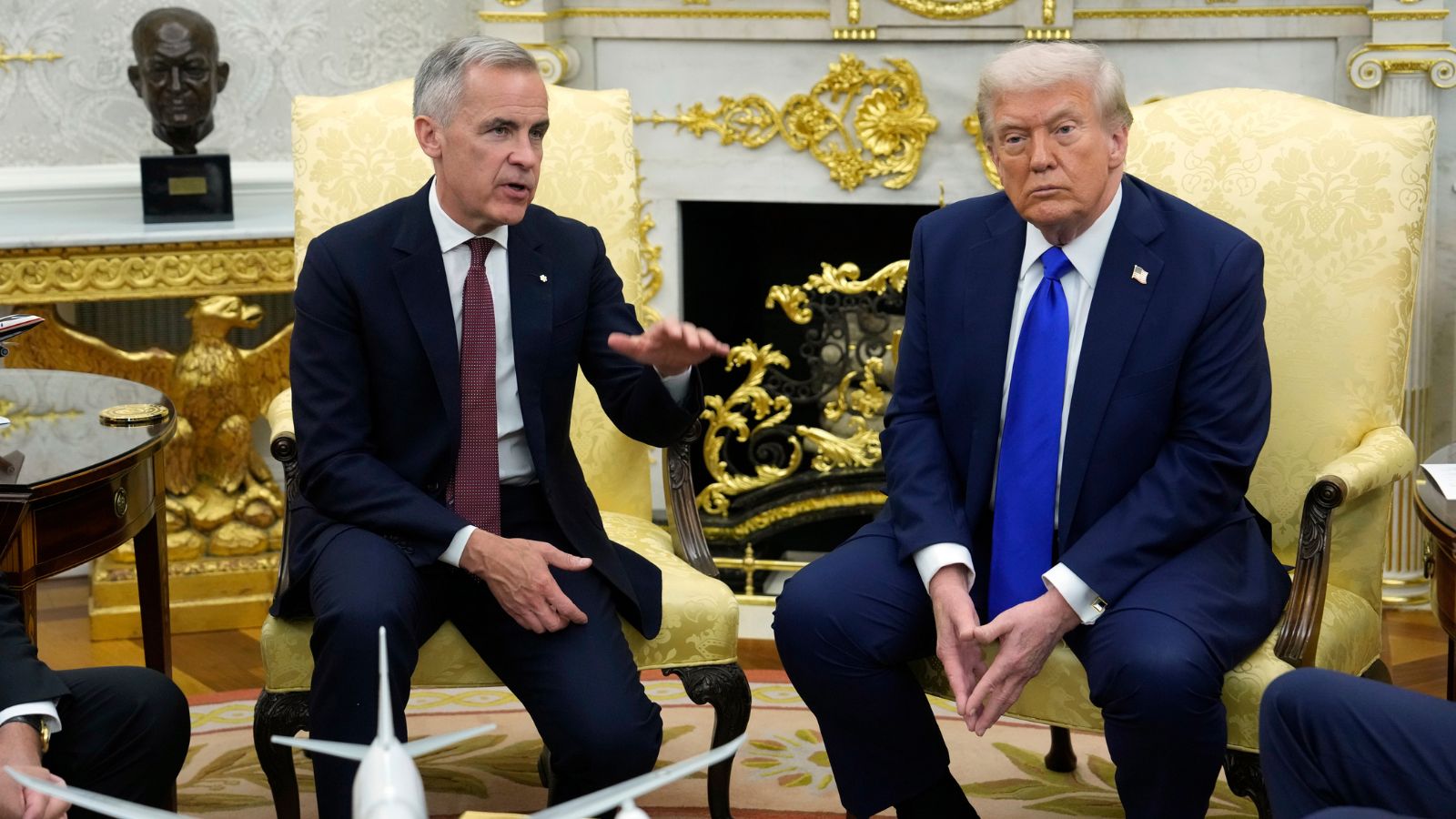
Trump and Canada Escalate Trade Fight Over Retaliatory Tariffs
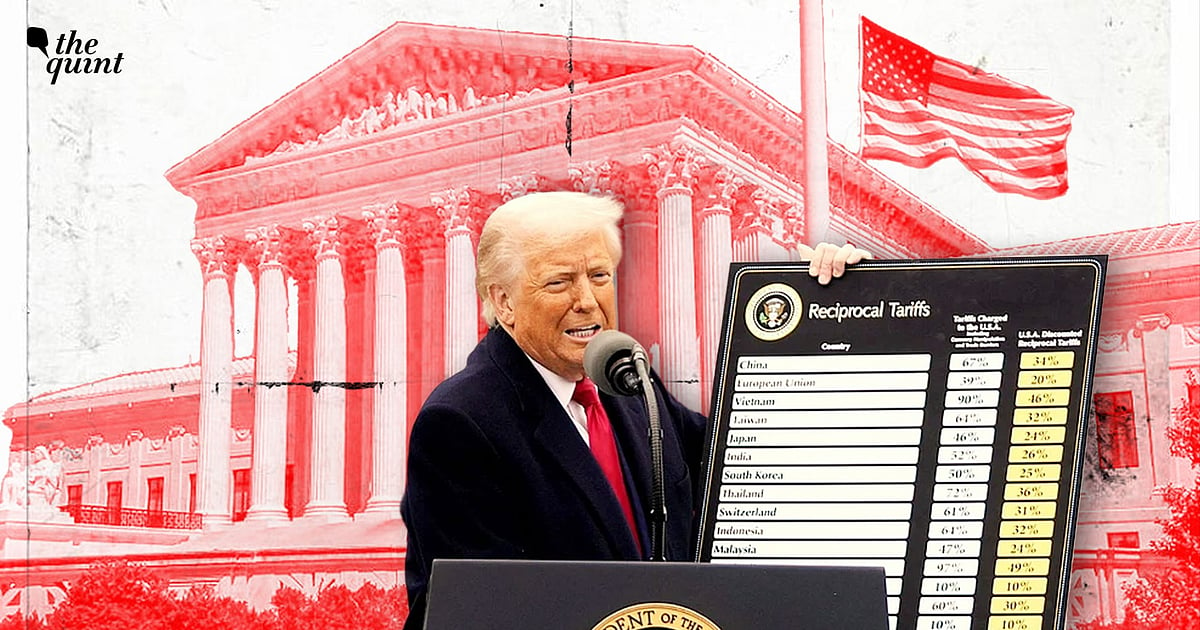
Canada Tariff Dispute Raises Wider Worry for New Delhi
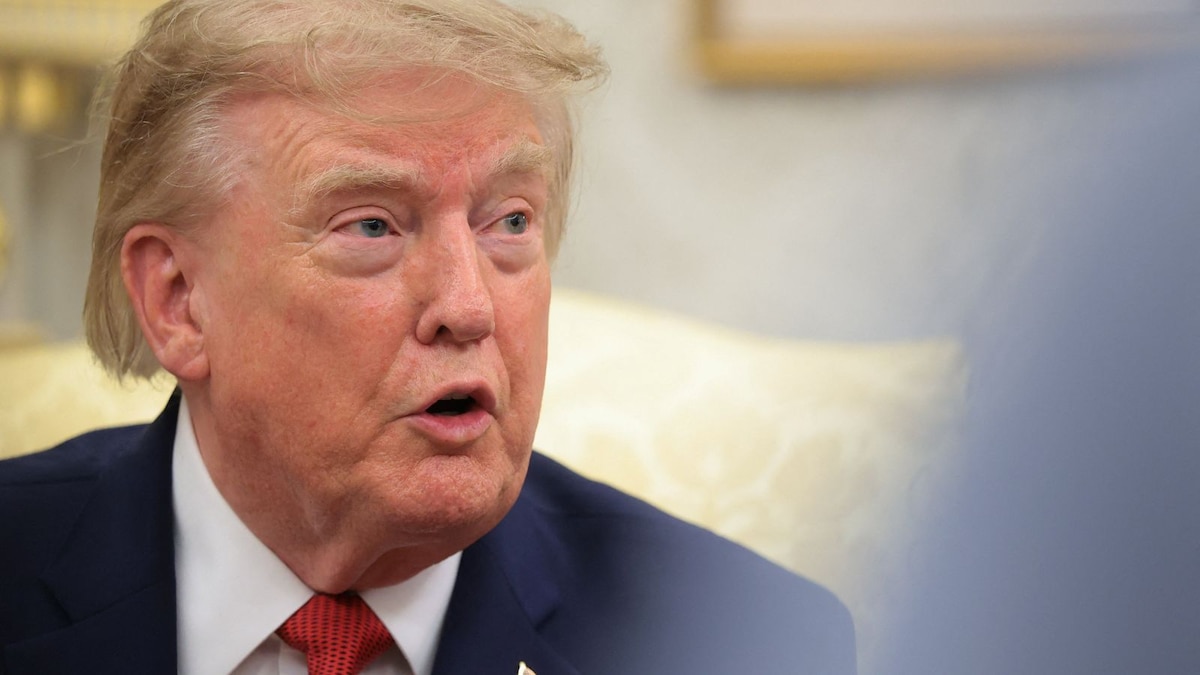
Cheese Name Dispute Becomes Stumbling Block in U.S.-Mexico Talks
Canada Rejects Unequal US Trade Deal Despite Economic Risks
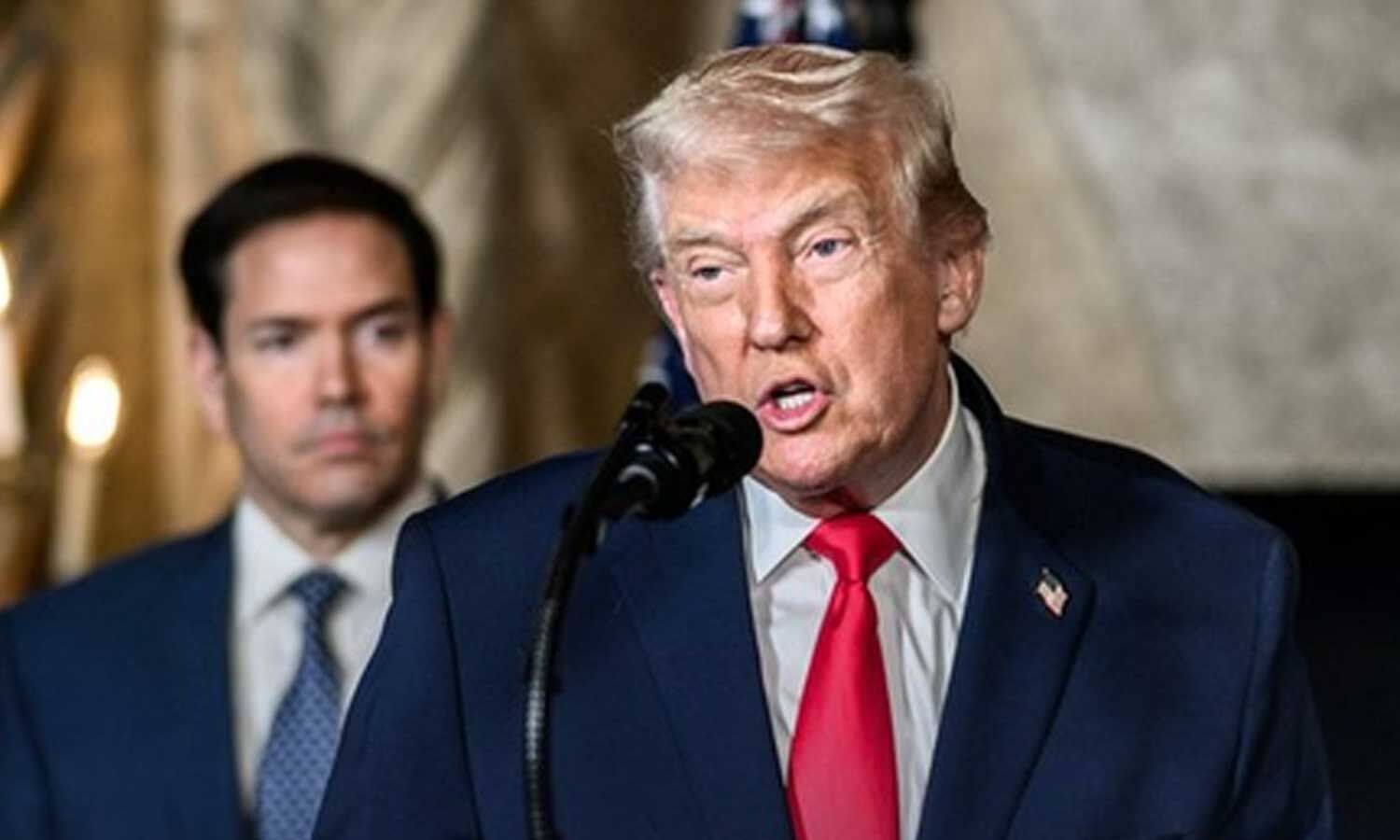
Trump Escalates Trade Confrontation as Canada Vows Tariff Retaliation

US-Canada Trade Collapse Offers India a Cautionary Lesson
