

1 hr ago
El Niño Could Raise Food Prices, but India Is Better Prepared
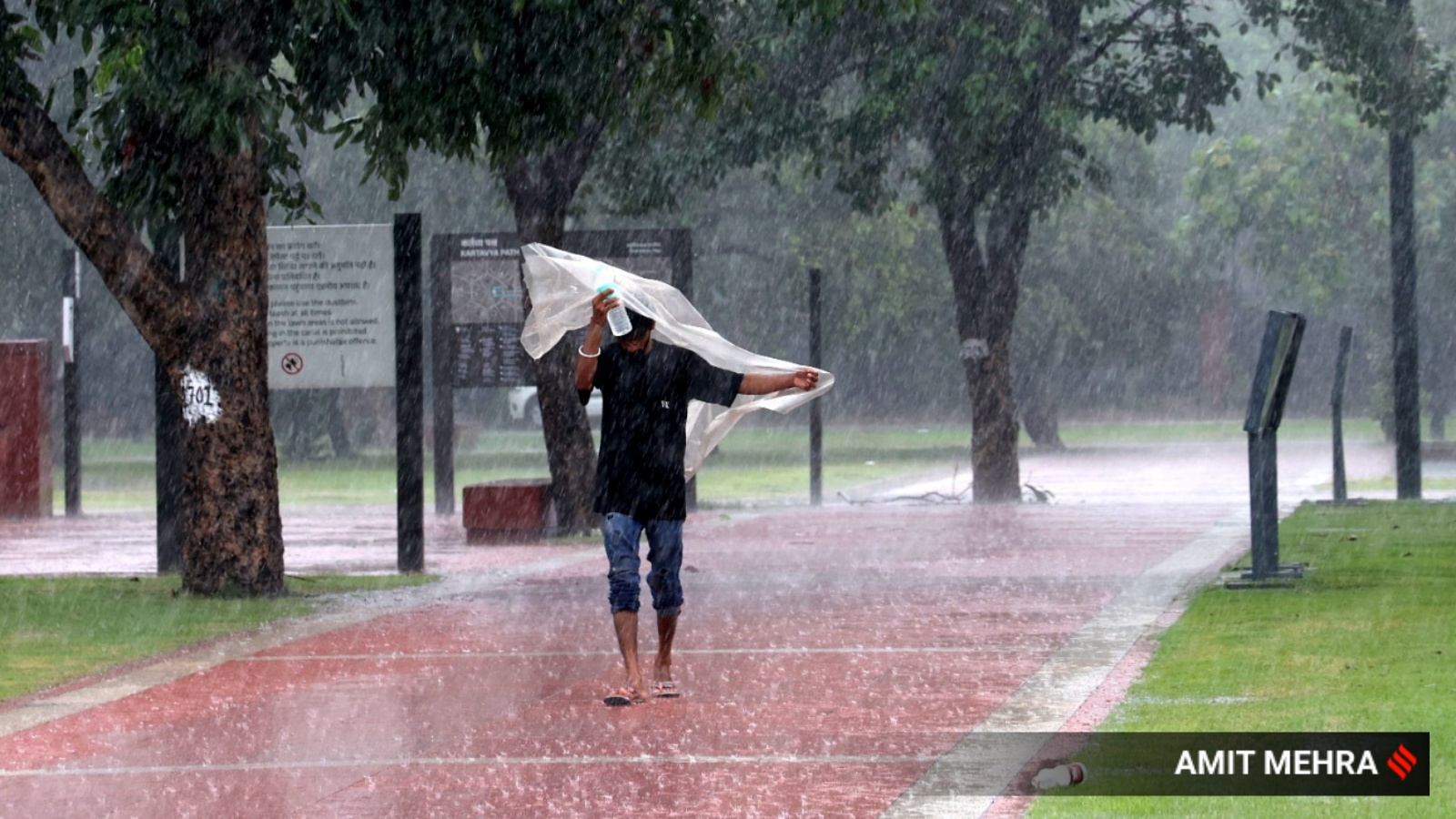
El Niño is a climate pattern that can change rainfall.
Scientists say it could make some food and cattle feed more expensive in India.
India faced a strong El Niño in 2009, when the monsoon had about 22% less rain than usual.
Food prices rose sharply after that, according to climate scientist Roxy Mathew Koll.
He said India is better prepared now.
More than half of its farmland is irrigated, and stocks of rice and wheat can help steady prices.
But crops such as oilseeds and pulses are still being affected by too little rain.
The scientists expect any overall economic setback to be small.

Scientists said El Niño could raise food and cattle-fodder prices in India, while its economic impact may be limited.
Climate scientist Roxy Mathew Koll said India’s 2009 El Niño coincided with a monsoon deficit of about 22%.
Food inflation after the 2009 event was around 20%, Koll said.
Since then, about 56% or more of India’s agricultural land has been irrigated, and food stocks can help buffer rice and wheat prices.
Koll said rainfall deficits are affecting crops such as oilseeds and pulses.
- Who
- Scientists discussing El Niño’s possible effects on India, including climate scientist Roxy Mathew Koll.
- What
- They assessed that El Niño could raise food and cattle-fodder prices, but India is better prepared than it was in 2009.
- Where
- At a session organised by the IIOE-2 Early Career Scientists Network; the location was not stated.
- When
- At a session whose date was not stated; the discussion compared current preparedness with the 2009 El Niño.
- Why
- El Niño can contribute to rainfall deficits, which may affect crops and food prices.
Key facts
- 2009 monsoon deficit
- Around 22%, according to Roxy Mathew Koll.
- Food inflation after 2009 El Niño
- Around 20%, according to Koll.
- Irrigated agricultural land
- Around 56% or more, Koll said.
- Crops noted as affected
- Oilseeds and pulses.
- Potential impact
- Possible food and cattle-fodder inflation, with a small potential dip in the economy.
- Session
- “El Nino Meets a Warming Indian Ocean: Understanding the Impacts on Extreme Events and Society.”
Quotes
Dr Roxy Mathew Koll
Climate scientist at IITM Pune and panelist at the session
“Food inflation after that was around 20 percent. Since then, we have around 56 per cent or more of agricultural land irrigated. We have good stocks, which buffer the inflation prices for rice and wheat. Other crops, like oilseeds and pulses, are getting affected by a rainfall deficit.”
 indianexpress.com
Sources
Related news

India Faces Driest Monsoon Since 2009, Raising Food-Price Fears

Naidu Orders El Niño Action to Protect Farmers, Control Prices
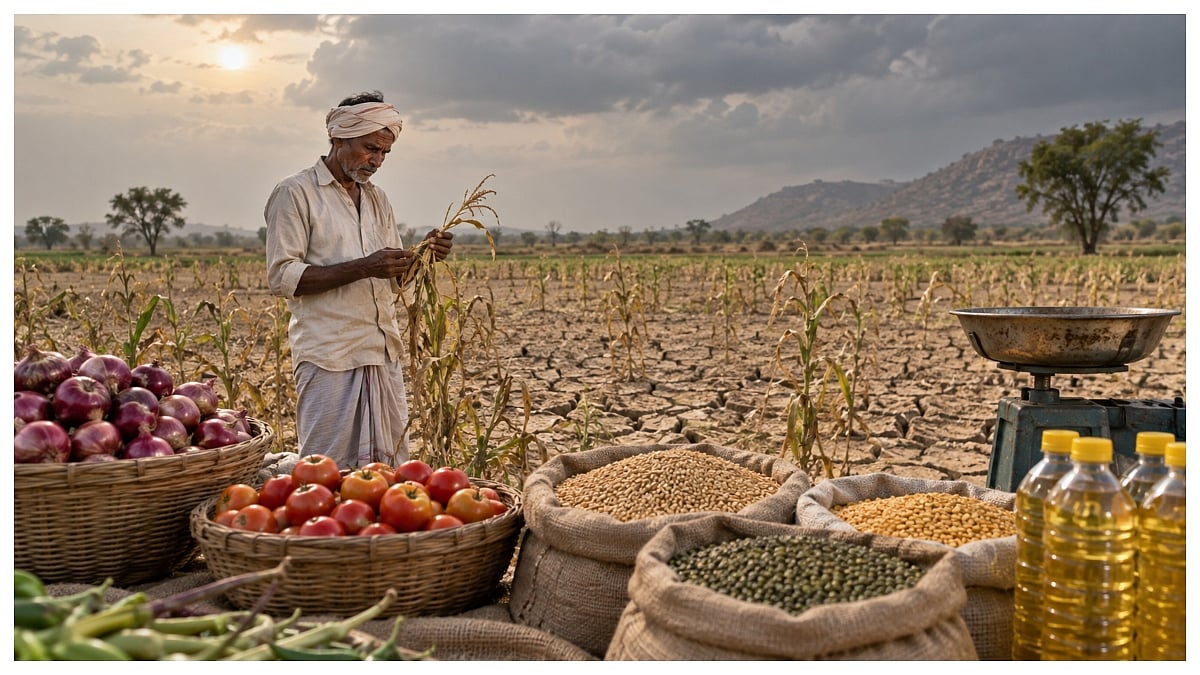
Weak Monsoon and El Niño Threaten India’s Food Prices
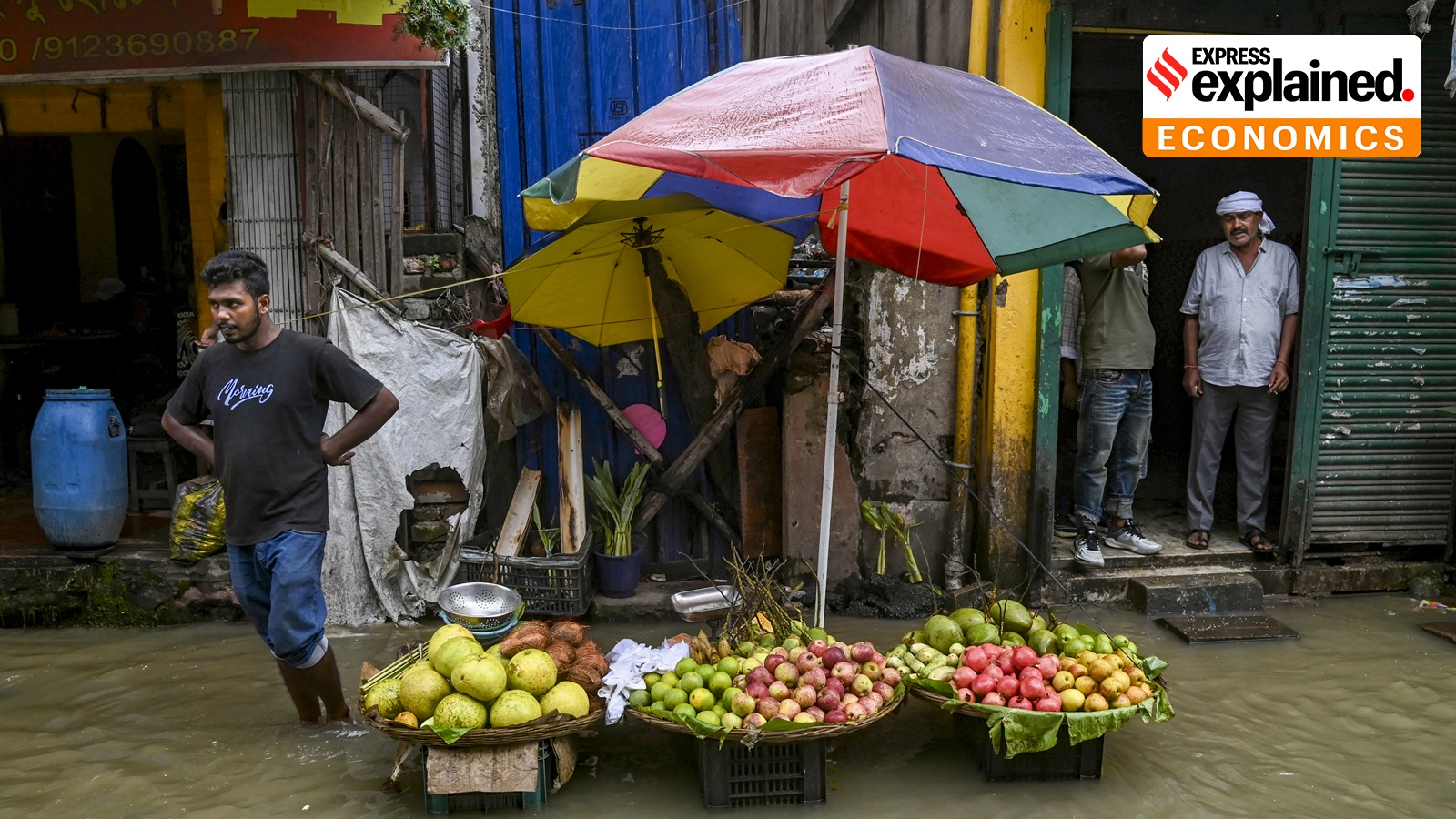
Erratic Monsoon and El Niño May Keep Food Prices Elevated

State Deploys Science-Based Measures to Shield Farmers From El Niño

India’s Food Inflation Risks Rising Amid Weak Monsoon

BMC Launches Fresh Study of Mumbai’s Coastal Flooding Risk
