1 hr ago
Naidu Orders El Niño Measures to Protect Farmers, Control Prices

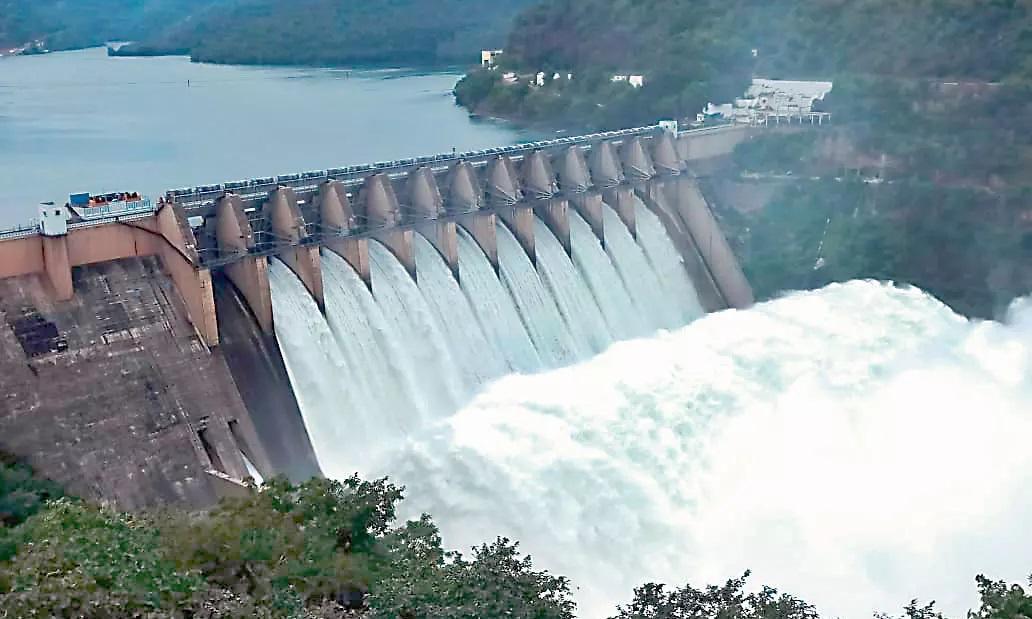
Chief Minister N. Chandrababu Naidu asked officials to prepare for weather problems linked to El Niño.
El Niño can make farming conditions difficult and reduce water supplies.
Naidu said the government must protect farmers and stop food prices from rising.
Officials were told to check rice stocks and manage prices of onions, palm oil and red gram.
Farmers were encouraged to grow crops that people need, including pulses and millets.
The government also planned to provide water, fodder and crop insurance support.
Rainfall was 50.7% below the expected level, and sowing had started on 79% of the planned kharif area.
Naidu said officials, farmers and local representatives should work together so weather problems do not hurt people unnecessarily.

Chief Minister N. Chandrababu Naidu directed officials to address El Niño conditions and prevent increases in essential commodity prices.
Officials were told to monitor rice stocks and control prices of rice, onions, palm oil and red gram.
Naidu urged demand-based cultivation, more pulses and millet production, fodder cultivation, kitchen gardens and natural farming.
The government supplied seeds at an 80% subsidy for 1.31 lakh quintals and allocated ₹60 crore for a kharif contingency plan.
The region reported a 50.7% rainfall deficit, while kharif sowing reached 79% of the targeted 30.84 lakh hectares.
- Who
- Chief Minister N. Chandrababu Naidu, government officials, district collectors, farmers and irrigation associations.
- What
- Officials were directed to implement temporary and medium-term measures addressing El Niño, protecting farmers and controlling essential food prices.
- Where
- At a teleconference involving officials and districts, with measures applying across the affected areas, including Handri-Neeva command areas and drought-hit districts.
- When
- On Sunday; the article does not provide a calendar date.
- Why
- Because the region faced El Niño conditions, a 50.7% rainfall deficit, crop risks and potential increases in essential commodity prices.
Key facts
- Rainfall deficit
- 50.7% statewide, according to Naidu.
- Kharif sowing
- Sowing had begun on 79% of the targeted 30.84 lakh hectares.
- Seed distribution
- 1.31 lakh quintals of seeds were distributed at an 80% subsidy.
- Contingency funding
- ₹60 crore was kept ready for the kharif contingency plan.
- Horticulture protection
- ₹190 crore was allocated to protect horticultural crops in high-risk Rythu Seva Kendra areas.
- Irrigation spending cited
- ₹3,500 crore was spent to bring water through canals within 100 days; Naidu also cited ₹65,000 crore spent on irrigation from 2014 to 2019 and ₹22,000 crore from 2019 to 2024.
- Priority commodities
- Rice, onions, palm oil and red gram prices were identified for control measures.
Quotes

N. Chandrababu Naidu
Chief Minister of Andhra Pradesh
“The recent rains should be utilised effectively while rain-fed crops and natural farming should be given priority. Officials must ensure drinking water for people and water and fodder for livestock. Measures should include demand-based cultivation, increasing fodder production and sowing seeds for mulching.”
 deccanchronicle.com
“While pulse cultivation was better, oilseed cultivation remained low. The impact of El Nino was more visible on crops in Kurnool, Nandyal and Anantapur districts. Officials must effectively implement the contingency plans that were already prepared.”
deccanchronicle.com
Sources
Related news
Naidu Orders Districts to Prepare for El Niño Impacts

Andhra CM Orders Farmer Protection, Price Control Amid El Nino
Andhra Pradesh Prepares for El Nino Water Crisis
Naidu Orders Market Measures to Control Essential Commodity Prices

Andhra Pradesh Plans Water Support Amid Rainfall Deficit

Revanth Reddy Seeks Centre’s Support Against El Niño Impact

MLA Sunitha Inaugurates New Electrical Substation in Raptadu

Harish Rao Rejects Allegations Over Father-in-Law’s Family Land Deal
Andhra Pradesh's Irrigation Push Called a Silent Revolution
Andhra Pradesh Begins Veligallu Water Release for Essential Needs