17 hrs ago
India Faces Driest Monsoon Since 2009, Raising Food-Price Fears

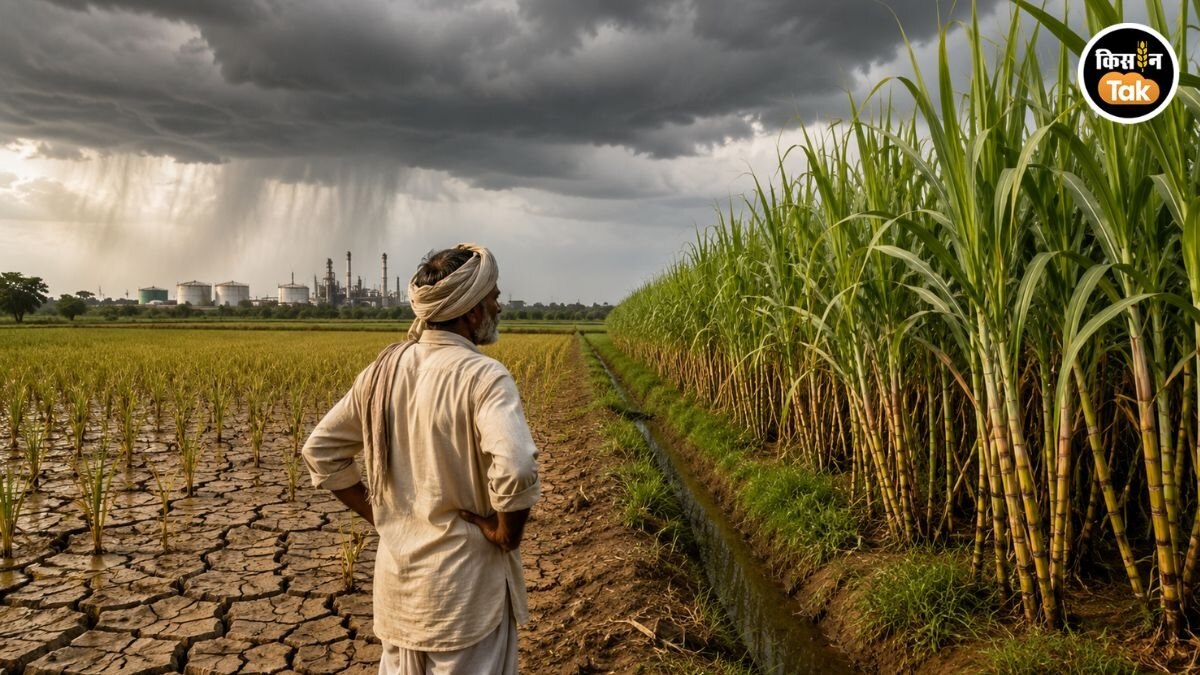
India may have one of its weakest rainy seasons in many years.
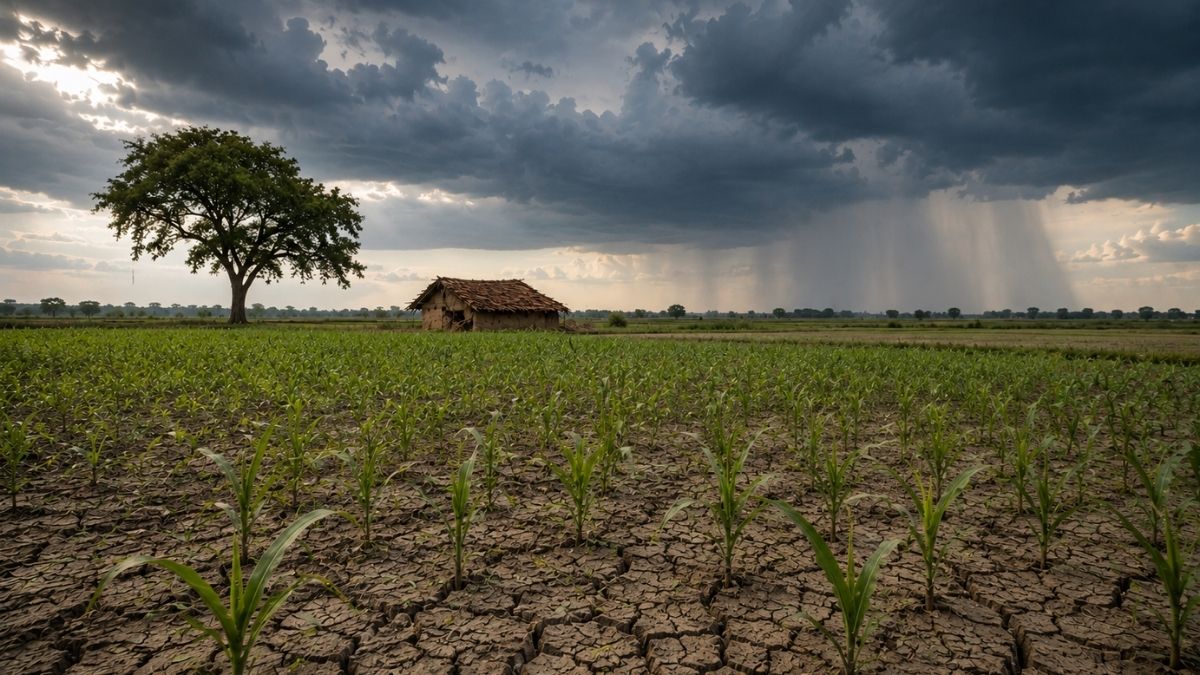
Rainfall is currently about 15% below the usual amount.
If this continues, it could be the driest monsoon since 2009.
The monsoon is important because many farmers use its rain to grow crops.
Less rain could hurt crops being harvested now and crops planted later.
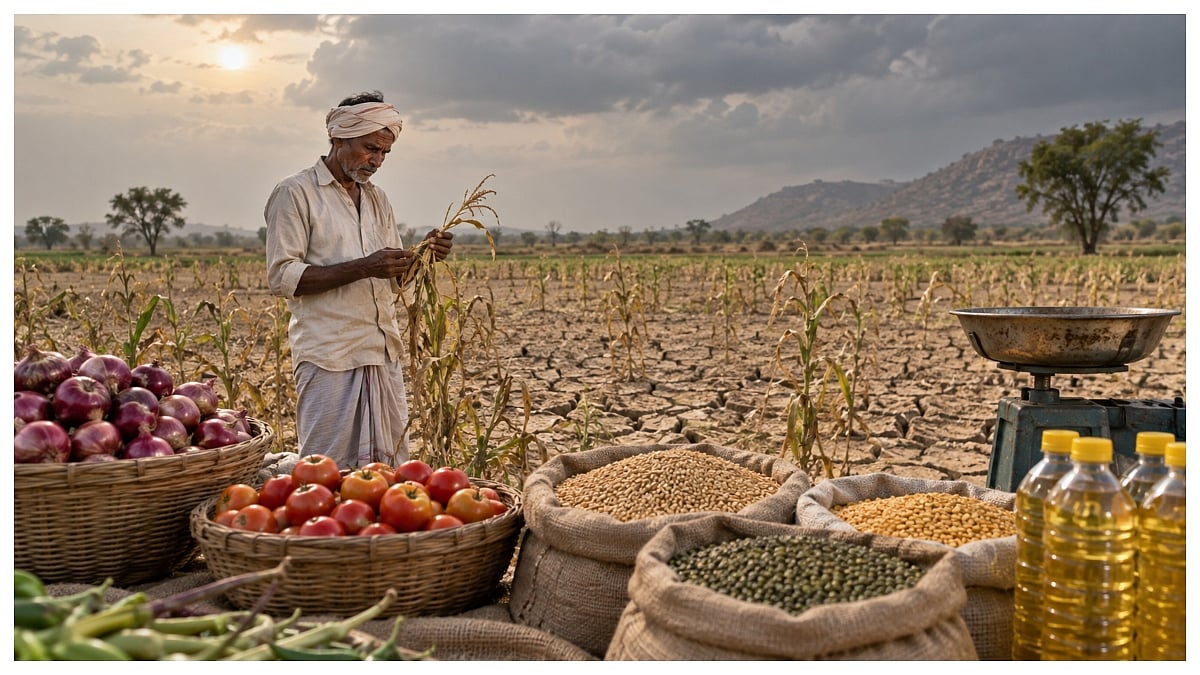
This could make foods such as rice, sugar, and corn more expensive.
A possible storm might bring rain to some eastern areas near the end of September.
However, experts say the storm probably would not fix the rainfall shortage across all of India.
The government is importing sugar without duties and selling some onions more cheaply to help control prices.

India’s June-September rainfall deficit has reached 15% below the long-term average, according to the India Meteorological Department.
If the shortfall persists, the monsoon could be India’s driest since 2009, when rainfall was 18% below normal.
A potential late-September Bay of Bengal cyclone could bring relief to eastern and northeastern India but is unlikely to erase the national deficit.
Forecasts give a 68% probability that seasonal rainfall will finish 10% to 20% below normal, while one estimate puts the deficit at 13% to 16%.
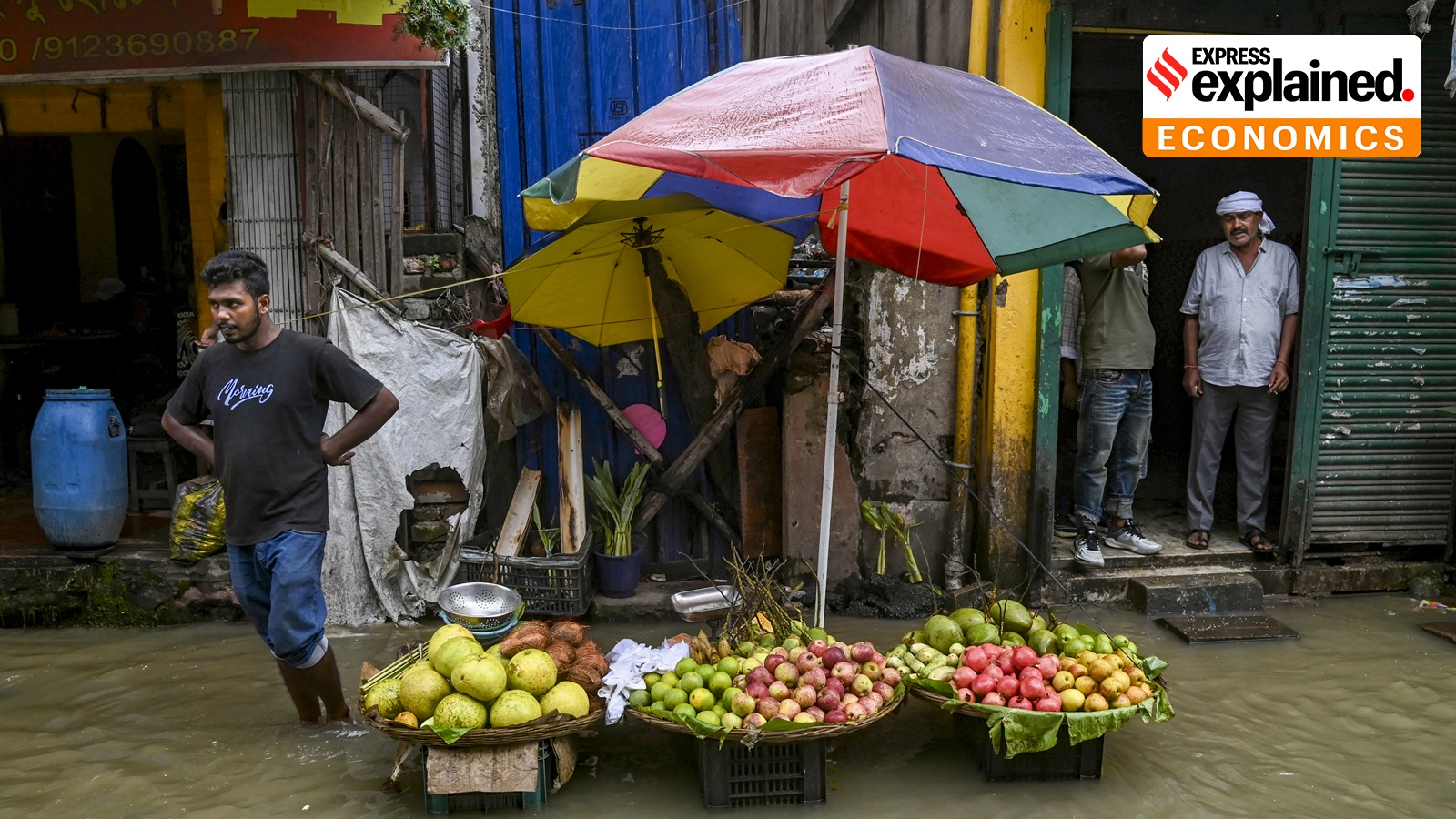
Food inflation reached 5.95% in August, while the government allowed duty-free sugar imports and subsidized onion sales to contain prices.
- Who
- Indian farmers, weather experts, economists, and the Indian government are central to the report.
- What
- India is facing a potentially very weak monsoon, raising concerns about crop production and food prices.
- Where
- India, with a potential cyclone forming in the Bay of Bengal and bringing rain to eastern and northeastern regions.
- When
- The affected monsoon season runs from June through September; a possible cyclone could develop in the final week of September.
- Why
- Below-normal rainfall could reduce current and future harvests, while farmers depend heavily on monsoon rain for irrigation.
Possible Relief
Continuing Risks
Potential late-season cyclone
Possible Relief
A cyclone in the Bay of Bengal could bring some relief to eastern and northeastern India in late September.
Continuing Risks
Christian Werner said the storm would be unlikely to make a significant difference to the overall national rainfall deficit.
Seasonal rainfall outlook
Possible Relief
Remaining monsoon rainfall and a possible storm could improve conditions in some regions before the season ends.
Continuing Risks
Forecasts continue to point to a weak monsoon, with a projected national deficit of 13% to 16% and a 68% chance of rainfall ending 10% to 20% below normal.
Food-price response
Possible Relief
Duty-free sugar imports and subsidized onion sales could strengthen supplies and help contain food costs.
Continuing Risks
A prolonged rainfall deficit could affect current and future crop cycles, adding to food-price pressures despite government measures.
Key facts
- Current rainfall deficit
- 15% below the long-term average during the June-September monsoon period
- Potential seasonal ranking
- The driest monsoon since 2009 if the deficit continues
- Estimated final deficit
- 13% to 16%, according to Christian Werner
- CRUCIAL forecast
- A 68% probability of rainfall ending 10% to 20% below normal
- August food inflation
- 5.95%, the highest level this year after seven consecutive monthly increases
- Potential weather relief
- A tropical cyclone could form in the Bay of Bengal during the final week of September
- Government measures
- Duty-free sugar imports and subsidized onion sales in some states
Sources
Related news
India’s Monsoon Faces 15% Deficit as El Niño Strengthens
Weak Monsoon and El Niño Threaten India’s Food Prices
Erratic Monsoon and El Niño May Keep Food Prices Elevated

Below-normal September rains threaten crops, inflation and rural demand
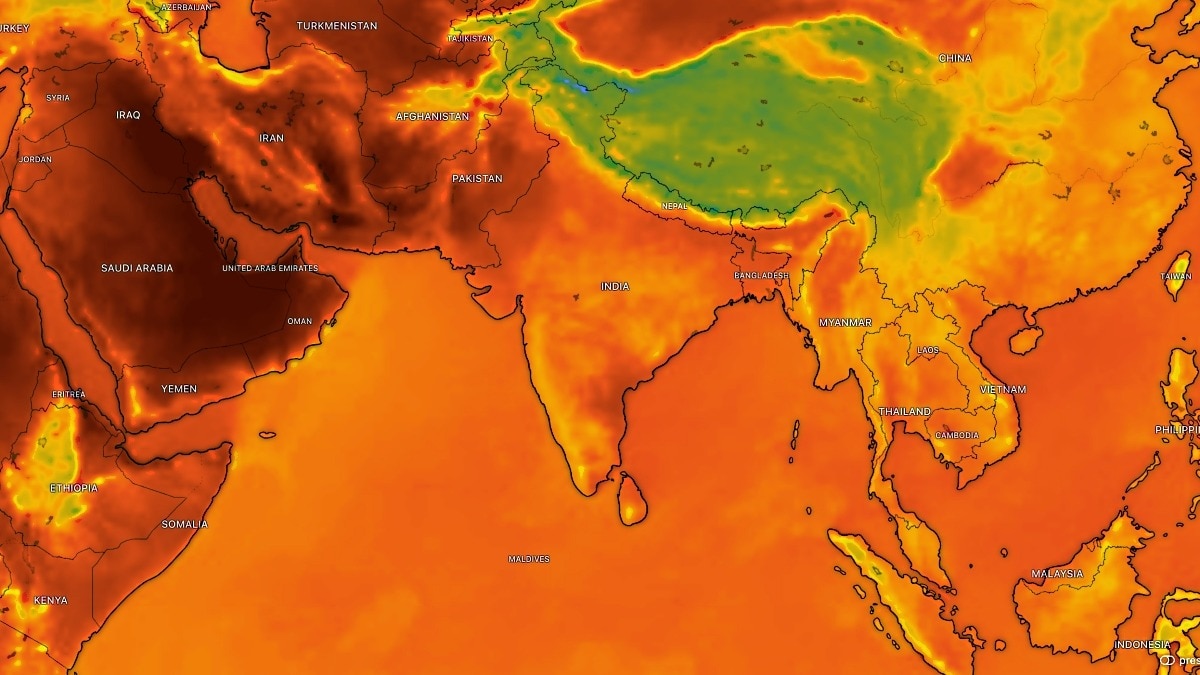
El Niño Threatens India’s September Rainfall After Hottest August