3 weeks ago
GTRI Urges India to Resist US Pressure on UPI Policies

India has a phone payment system called UPI that lets people pay without cash.
Right now, using UPI and RuPay cards is free for people and small shops.
A new law passed by India's Lok Sabha could allow fees to be charged on these payments.
A group called GTRI says India should not change its payment rules just because the United States is complaining.
The US government's trade report criticised India's UPI system and RuPay cards.
GTRI thinks the free system helped small shops and street vendors grow their businesses.
Payment companies still need money for security, servers and stopping fraud, the group says.
GTRI suggests other ways to pay for this, like government support and fees only for very big businesses.
It also says India should keep payment data stored inside India to protect security.

Think tank GTRI said India must not rewrite its UPI policies under US pressure and must defend competition, policy autonomy and long-term sustainability of its payments ecosystem.
The Lok Sabha passed a bill to amend the Payment and Settlement Systems Act, 2007, authorising the government to permit charges on UPI and other notified electronic payment modes.
Banks and payment providers currently cannot charge users for UPI and RuPay debit cards; GTRI said the zero Merchant Discount Rate (MDR) helped consumers, small shops and roadside vendors.
The US Trade Representative's 2026 National Trade Estimate Report criticised India's UPI and RuPay framework as well as Brazil's Pix.
GTRI proposed alternatives to a general merchant charge, such as targeted budgetary support and charges on large commercial transactions, and urged India to retain payment-data localisation rules.
- Who
- GTRI, a think tank led by founder Ajay Srivastava, responding to the Lok Sabha's passage of a bill and to the US Trade Representative's criticism of India's digital payment systems.
- What
- GTRI urged India to resist US pressure and not rewrite its UPI policies, defending competition, policy autonomy and the sustainability of its payments ecosystem, after the Lok Sabha passed a bill authorising charges on UPI and other electronic payments.
- Where
- India, with the report from New Delhi; the US Trade Representative report also covered Brazil's Pix system.
- When
- Thursday, when the Lok Sabha passed the bill to amend the Payment and Settlement Systems Act, 2007; the US Trade Representative's criticism appeared in its 2026 National Trade Estimate Report.
- Why
- UPI's growth has relied on zero MDR, but a sustainable funding model is needed; GTRI argues charges should not be introduced merely to address US trade complaints, and that funding alternatives and data localisation should be considered.
Defend India's Policy Autonomy
Accommodate Funding and External Pressures
UPI merchant charges (MDR)
Defend India's Policy Autonomy
Zero MDR drove UPI growth by protecting consumers, small shops and roadside vendors; funding can come from alternatives such as targeted budgetary support, incentives and charges on large commercial transactions rather than a general merchant fee.
Accommodate Funding and External Pressures
The Lok Sabha passed a bill authorising charges on UPI and other electronic payment modes, reflecting the need to fund investment by banks, NPCI and payment companies in cybersecurity, fraud prevention, servers, dispute resolution and system expansion.
US pressure and payment data localisation
Defend India's Policy Autonomy
The US Trade Representative's 2026 report criticised India's UPI and RuPay framework, but GTRI says India should not introduce MDR to address US trade complaints or protect the profits of Visa, Mastercard and other foreign payment companies; it should retain data localisation rules for security and national interest.
Accommodate Funding and External Pressures
The US Trade Representative's National Trade Estimate Report treats India's UPI and RuPay framework as foreign trade barriers, signalling external pressure on India's digital payment policies, while American companies already have wide access to India's payment market.
Key facts
- Think tank
- GTRI, an Indian think tank
- GTRI founder
- Ajay Srivastava
- Legislative action
- Lok Sabha passed a bill to amend the Payment and Settlement Systems Act, 2007, authorising charges on UPI and other notified electronic payment modes
- Current policy
- Zero Merchant Discount Rate (MDR) for UPI and RuPay debit card payments
- US criticism
- US Trade Representative's 2026 National Trade Estimate Report criticised India's UPI and RuPay framework and Brazil's Pix
- Funding alternatives suggested
- Targeted budgetary support, government incentives, charges on large commercial transactions, cross-subsidisation, and fees for high-turnover merchants
- Data localisation
- GTRI says India should retain payment-data localisation rules for fraud investigation, cybersecurity and national security
- Payment companies cited
- National Payments Corporation of India (NPCI), Visa, Mastercard
Quotes

Ajay Srivastava
Founder of the GTRI think tank
“India must not rewrite its UPI policies under US pressure. It must defend competition, policy autonomy and the long‑term sustainability of its payments ecosystem.”
 rediff.com
 deccanchronicle.com
rediff.com
deccanchronicle.com
rediff.com
“India should not introduce MDR simply to address US trade complaints or protect the profits of Visa, Mastercard and other foreign payment companies.”
rediff.com
deccanchronicle.com
Sources


Related news
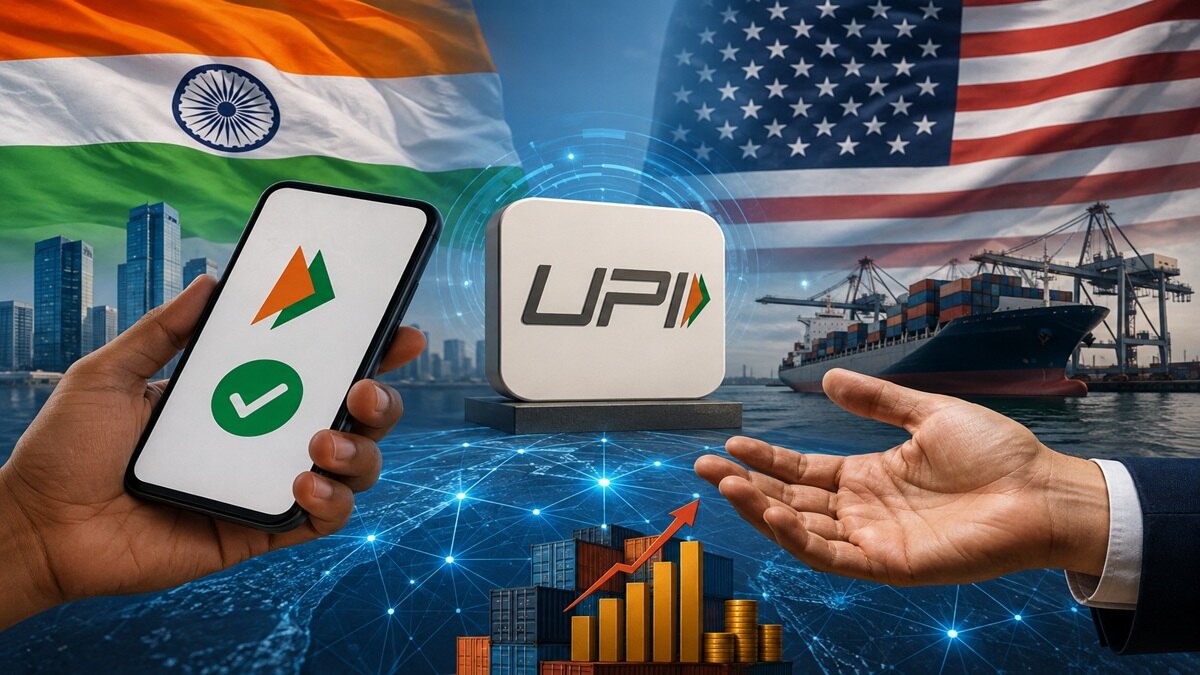
India's UPI MDR Debate Raises Questions of US Trade Pressure
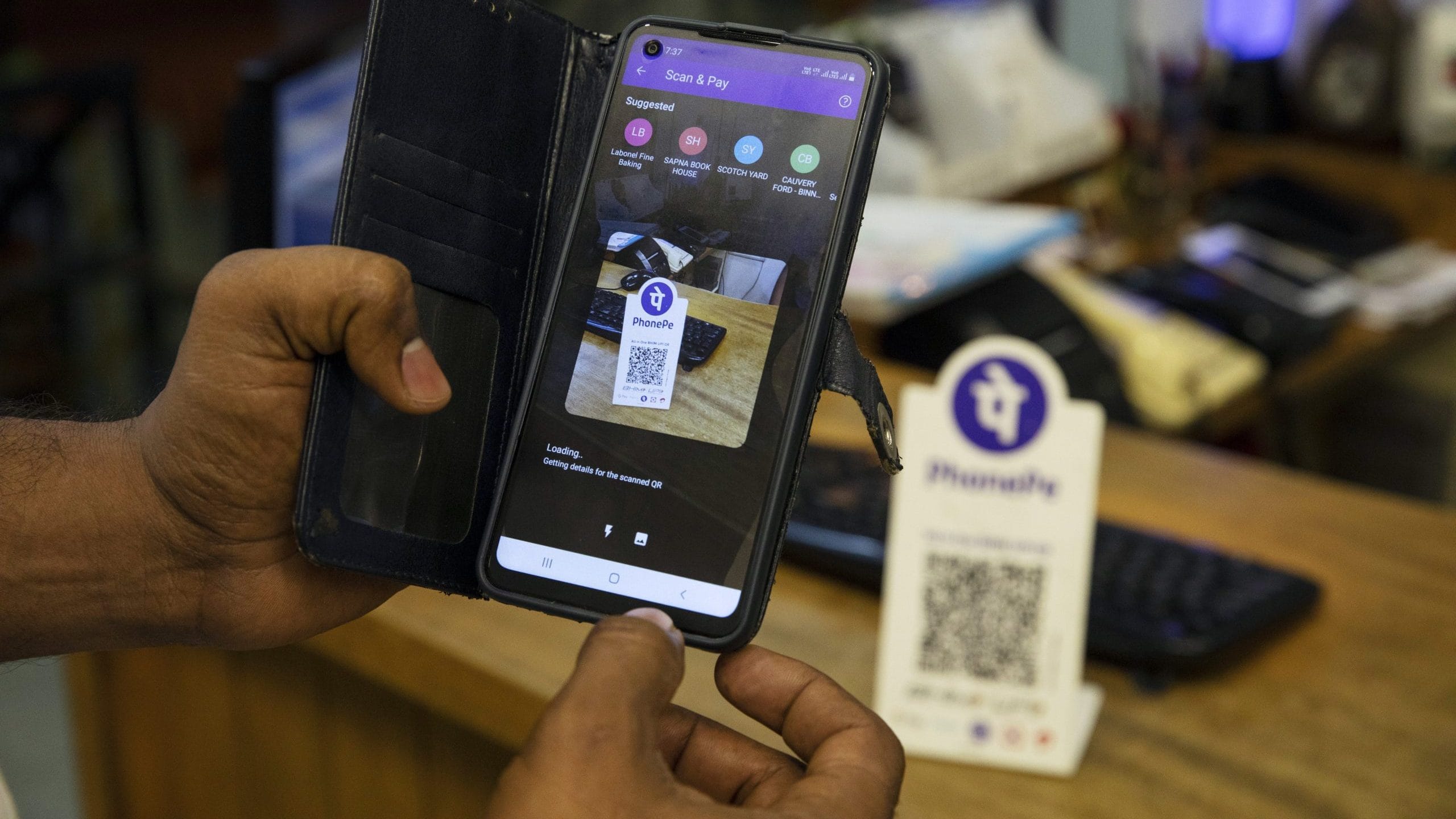
India’s UPI Needs Merchant Fees, Not American Pressure
US pressure behind India's proposed UPI-RuPay transaction fee levy
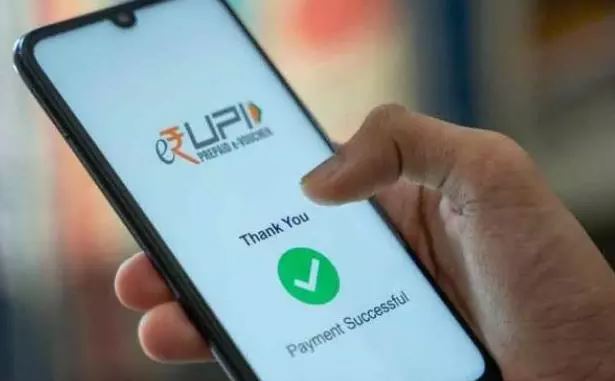
Congress Slams Government, Alleging UPI Dilution to Favor US Firms

UPI Remains Free for Users, Nominal Merchant Fee Possible: Govt

UPI Stays Free For Consumers And Small Merchants, PCI Says
India Needs a Unified Ministry to Strengthen Energy Security

India-Brazil Friendly Tickets Sell Out Amid Kolkata Football Fever

India–Brazil Friendly Tickets Go On Sale Ahead Of Kolkata Clash
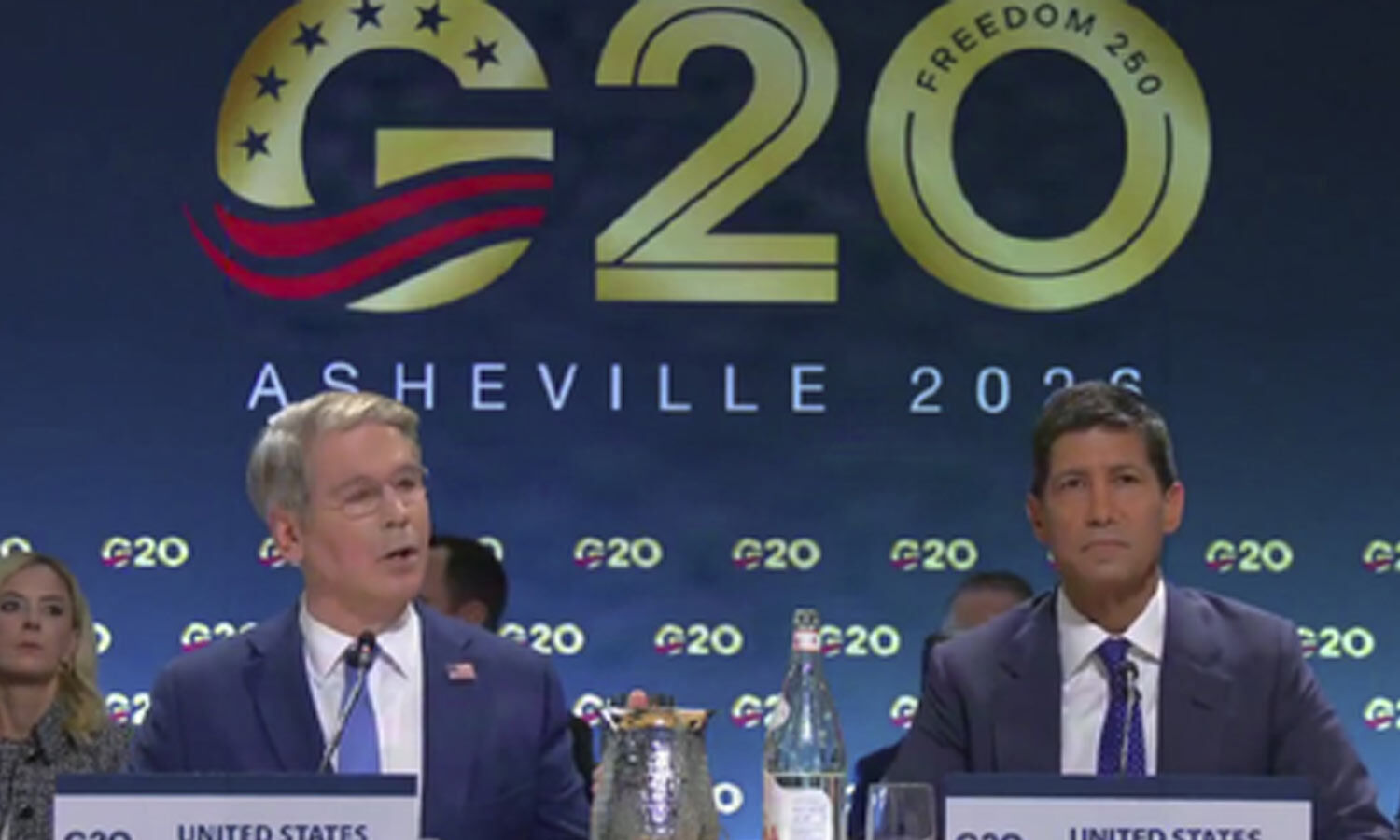
Bessent Warns G20 Subsidies and Export Dependence Fuel Tensions

Cafu to Launch Futsal Teams and Sports Resort in Darjeeling