3 weeks ago
UPI remains free for users, some merchants face nominal charges

In India, many people use UPI to send and receive money instantly with their phones.
The government passed a new law that allows banks to charge a fee for some UPI payments.
But the government says sending money between people will stay completely free.
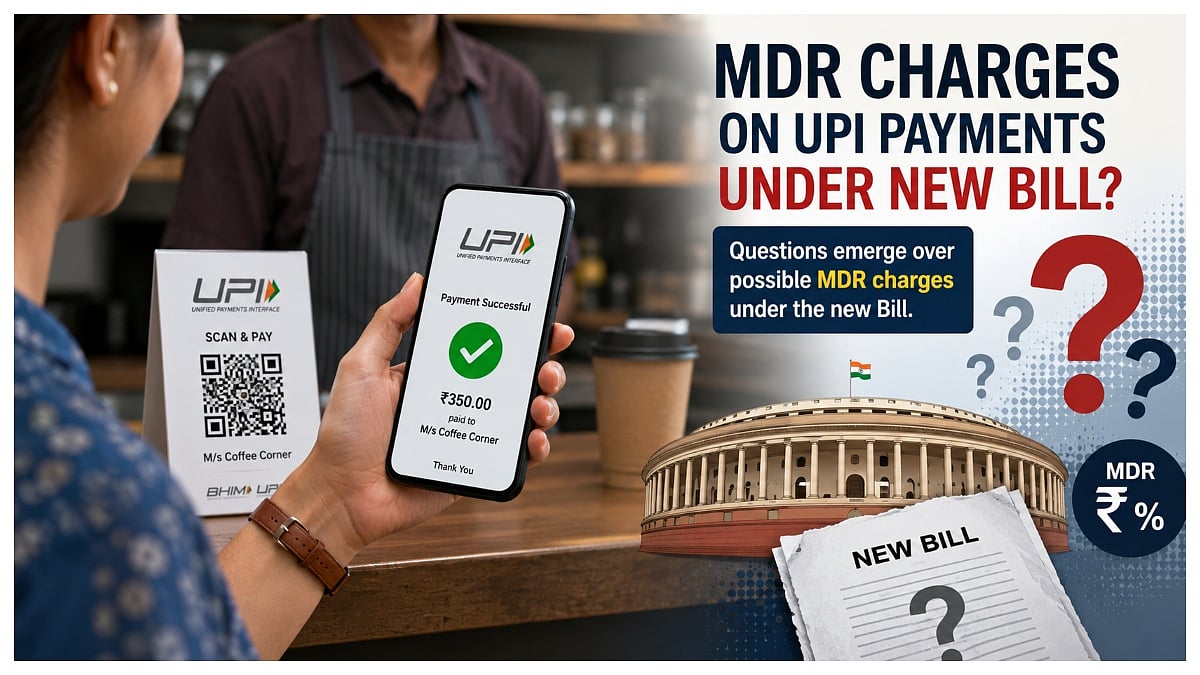
Only some businesses might have to pay a fee, called the Merchant Discount Rate, and only for bigger payments.
This fee would be much smaller than the fees charged for credit or debit cards.
The money would help keep the payment system safe from fraud and running smoothly.
A special committee headed by the National Payments Corporation of India will decide if the fee should happen and how much it should be.
Two apps, PhonePe and Google Pay, handle most of these payments.
Some people worry that shops will pass the fee on to customers or prefer cash instead.
The government says it is not being pressured by outside forces to make these changes.

The Lok Sabha passed the Taxation and Other Laws Amendment Bill 2026, which permits charges on UPI and RuPay debit card payments by amending the Payment and Settlement Systems Act 2007.
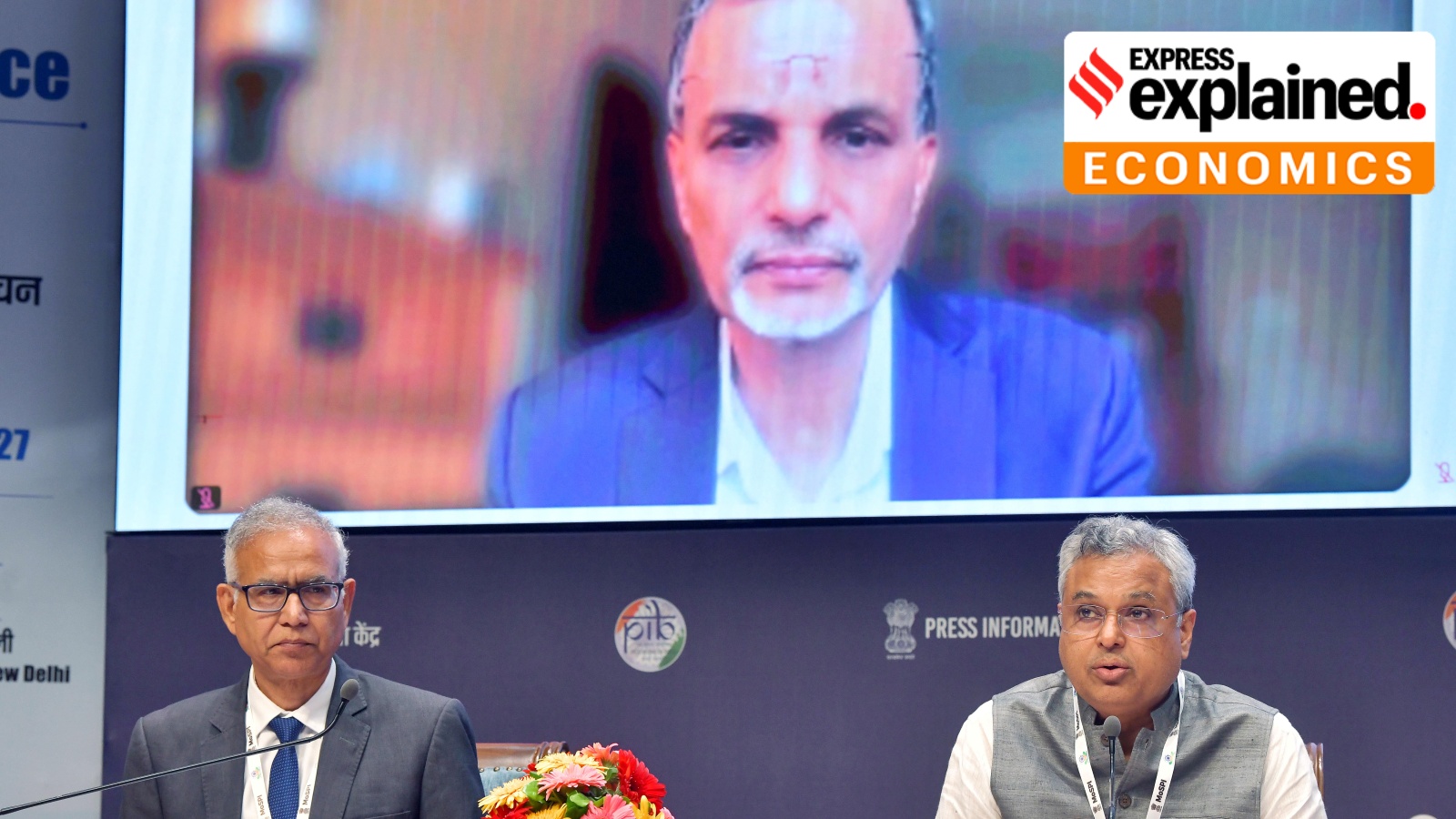
The Union Ministry of Finance said person-to-person UPI transactions will remain free and consumers will not face any transaction charges.
Any Merchant Discount Rate would apply only to a limited set of merchant transactions, above a threshold and at a nominal rate far lower than card rates.
Industry estimates suggest a possible MDR of 0.25% to 0.35% on payments above Rs 2,000, covering about 5% of UPI transactions but roughly 65% of total value.
The government says the amendment supports UPI's long-term sustainability, cybersecurity and fraud prevention, noting the subsidy scheme covered only 11% of digital payment industry costs.
- Who
- The Union Ministry of Finance, the Lok Sabha, the National Payments Corporation of India (NPCI), banks and payment service providers, and UPI users and merchants.
- What
- A clarification that UPI payments remain free for consumers while a limited set of merchant transactions may attract a nominal Merchant Discount Rate under the newly passed Taxation and Other Laws Amendment Bill 2026.
- Where
- India.
- When
- Saturday, two days after the Lok Sabha passed the Taxation and Other Laws Amendment Bill 2026.
- Why
- To ensure UPI's long-term sustainability by funding cybersecurity, fraud prevention and digital infrastructure upgrades, and to boost competition.
Consumer and Merchant Concerns
Government Position
Merchant charges could reach consumers
Consumer and Merchant Concerns
Retailers operating on thin margins may pass the Merchant Discount Rate on to consumers or prefer cash payments, threatening UPI's growth; former BharatPe founder Ashneer Grover called any UPI MDR a 'regressive step'.
Government Position
MDR would apply only to a limited set of merchant transactions above a threshold, at a nominal rate far lower than debit and credit card rates, and consumers will not be charged.
Funding UPI's future
Consumer and Merchant Concerns
The zero-MDR policy was key to UPI's phenomenal growth, and even a minimal MDR on a limited set of transactions could change payment behaviour.
Government Position
Reliance on subsidies alone is not viable for the next wave of growth; the levy supports cybersecurity, fraud prevention and digital infrastructure, and a Standing Committee has suggested protecting individuals and small merchants.
External influences on policy
Consumer and Merchant Concerns
The bill arrived amid trade negotiations with the United States, raising suspicion, and media reports have suggested external influences may be driving policy changes in India.
Government Position
The finance ministry dismissed the reports as 'completely false and misleading', noting the US Trade Representative's 2026 report objects to India's payments regime but not to its zero-MDR policy.
Key facts
- Consumer charges
- All person-to-person UPI transactions remain free; consumers face no transaction charges
- Merchant charges
- Only a limited set of merchant transactions, above a threshold, at a nominal rate
- Bill status
- Passed by the Lok Sabha; not yet law; no fee or timeline announced
- Law amended
- Payment and Settlement Systems Act, 2007
- Possible MDR
- Industry estimates: 0.25% to 0.35% on payments above Rs 2,000
- Card MDR comparison
- Credit cards: 1% to 3%; debit cards: up to 0.4% (under Rs 20,000) and up to 0.9% above
- July 2026 UPI volumes
- 2,366 crore transactions worth Rs 29.9 lakh crore, an all-time high in value
- MDR decision body
- UPI and Services Steering Committee headed by NPCI; MDR is regulated by the Reserve Bank of India
Quotes

Union Ministry of Finance
Government ministry overseeing finance and taxation policies
“The charges will apply ‘above a certain threshold and at a nominal rate’.”
 scroll.in
“Reliance on subsidies alone is not viable for the next wave of growth.”
scroll.in
Ashneer Grover
Former founder of BharatPe
“"Any MDR on UPI will kill the one thing in India which is working like clock work, i.e., mobile payments. It’s a regressive step — government should reconsider."”
 financialexpress.com
Sources


Related news

UPI Remains Free for Users, Nominal Merchant Fee Possible: Govt
Government Clarifies UPI Free for Users, Nominal MDR May Apply

Lok Sabha passes bill allowing UPI merchant discount rate charges
UPI Payments Remain Free as New Bill Explains MDR
India Opens Door to Possible UPI Merchant Fees

India Raises Petrol, Diesel Export Taxes, Cuts Jet Fuel Levy
India’s August GST Collections Near ₹2 Lakh Crore, Refunds Surge

Finance Ministry Flags Severe Attrition Across Regional Rural Banks

IIT Hyderabad Hosts Cybersecurity and AI Banking Fraud Hackathon

Finance Ministry Flags Global Yield and Inflation Risks for India