

3 weeks ago
India's UPI MDR Debate Raises Questions of US Trade Pressure
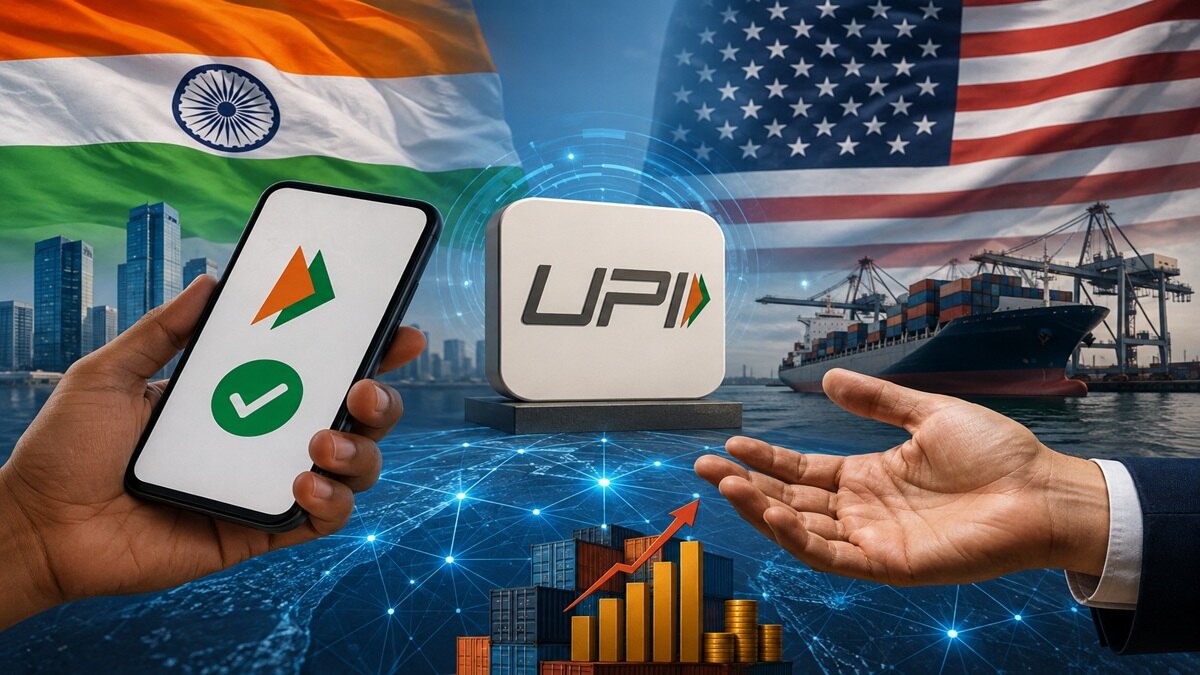
India has a very popular digital payment system called UPI that lets people pay using their phones, and it has been free for businesses to accept.
The government wants to pass a new law that could let banks charge a small fee, called MDR, for handling these payments.
The government says this money will help banks build better and safer payment systems for everyone.
But some politicians, like Congress leader Jairam Ramesh, think the fee will end up costing ordinary people more money.
The Finance Minister, Nirmala Sitharaman, says the fee is only paid by businesses, not by the people buying things.
Other experts worry the new fee is being introduced because the United States complained about India's free payment system.
A US trade report said India's free system was unfair to American payment companies like Visa and Mastercard.
The new law was passed in India's parliament even though some politicians protested.
No final decision has been made yet about exactly how much the fee would be.

The Finance Ministry introduced a Bill granting the government authority to notify Merchant Discount Rate (MDR) fees on UPI and RuPay transactions.
The Bill was approved by voice vote in the Lok Sabha without detailed debate on the MDR provisions.
Congress leader Jairam Ramesh called the government's reasoning 'entirely wrong,' warning costs would fall on common users and questioning whether Prime Minister Narendra Modi is diluting UPI for US businesses.
Finance Minister Nirmala Sitharaman countered that MDR applies only to merchants and not customers, and will fund infrastructure, innovation and security.
The USTR's March 2026 trade barriers report flagged India's zero-MDR policy as favouring domestic players, sparking debate over US pressure on the Bill.
- Who
- Finance Minister Nirmala Sitharaman and the Finance Ministry, opposed by Congress leader Jairam Ramesh and other opposition parties; trade experts at GTRI also weighed in.
- What
- A Bill allowing the government to charge Merchant Discount Rate (MDR) fees on UPI and RuPay digital payments, ending the zero-MDR framework.
- Where
- India, including the Lok Sabha and the country's digital payments ecosystem.
- When
- Around August 2026, following the USTR's March 2026 report; the Finance Minister and Congress leader exchanged views on August 6-7, 2026.
- Why
- The government says the move ensures the financial sustainability of the UPI ecosystem; critics allege it responds to US trade pressure over India's zero-MDR policy.
Critics: Congress & GTRI
Government: Finance Ministry
Who bears the cost of MDR
Critics: Congress & GTRI
Congress says MDR will eventually be passed on to common users in the form of higher prices, and calls the claim that it doesn't affect customers misleading.
Government: Finance Ministry
Finance Minister Nirmala Sitharaman says MDR applies only to merchants and not end users, and that it will support banks and fintechs in investing in infrastructure, innovation and security.
US trade pressure influence
Critics: Congress & GTRI
Congress and GTRI question whether the Bill responds to the USTR's March 2026 report flagging India's zero-MDR policy as favouring domestic players over US firms like Visa and Mastercard; GTRI warns against compromising digital public infrastructure for US trade demands.
Government: Finance Ministry
The government maintains the amendment is aimed at creating a financially sustainable model for the UPI ecosystem.
Impact on small merchants and digital inclusion
Critics: Congress & GTRI
Opposition parties warn the amendment could undermine the affordability and accessibility of digital payments, particularly for small merchants and MSMEs who have been the biggest adopters of UPI.
Government: Finance Ministry
The government says all users of UPI will reap the benefits of the investment, and that UPI's zero-cost model has driven India's fintech revolution and financial inclusion.
Key facts
- MDR
- Merchant Discount Rate, a fee charged to merchants for processing digital transactions
- Current policy
- Zero-MDR on UPI and RuPay since 2020
- Reported proposed fee
- 0.25%-0.5% MDR on UPI transactions above Rs 2,000 to businesses (per media reports)
- USTR report
- March 2026 report on foreign trade barriers flagged India's zero-MDR policy
- Bill status
- Approved by voice vote in the Lok Sabha
- MDR decision pending
- UPI and Services Steering Committee headed by NPCI yet to decide
- Main opposition
- Congress, led by Jairam Ramesh
- Government stance
- MDR applies only to merchants, not end users, and supports investment in infrastructure, innovation and security
Quotes
Finance Minister Nirmala Sitharaman
Indian Finance Minister
“"It (MDR on UPI) will support the Banks & Fintech to invest more on infrastructure, innovation & security. All users of UPI will reap the benefits of this investment."”
 financialexpress.com
Sources
Related news
US pressure behind India's proposed UPI-RuPay transaction fee levy
Congress Slams Government, Alleging UPI Dilution to Favor US Firms

GTRI Urges India to Resist US Pressure on UPI Policies
Lok Sabha Passes Bill Enabling Future UPI MDR, Sitharaman Clarifies
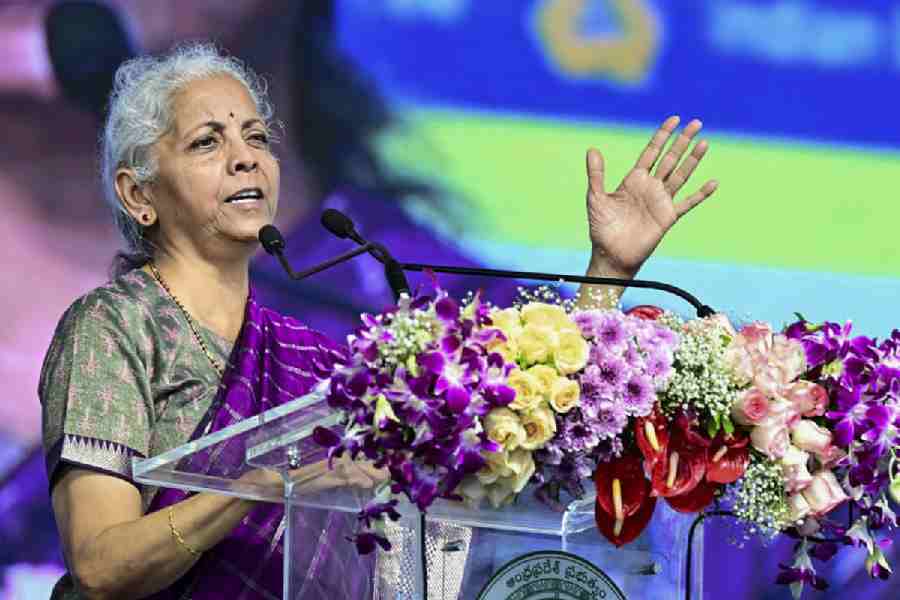
Sitharaman clarifies UPI charges apply to merchants, not customers

Government Defends 7.8% GDP Growth as Congress Raises Doubts
BRICS Expansion Puts Membership and Reform at New Delhi Summit

Piyush Goyal Defends India’s 7.8% GDP Growth Amid Criticism

Mahua Moitra Questions India’s 7.8% GDP Growth Figures
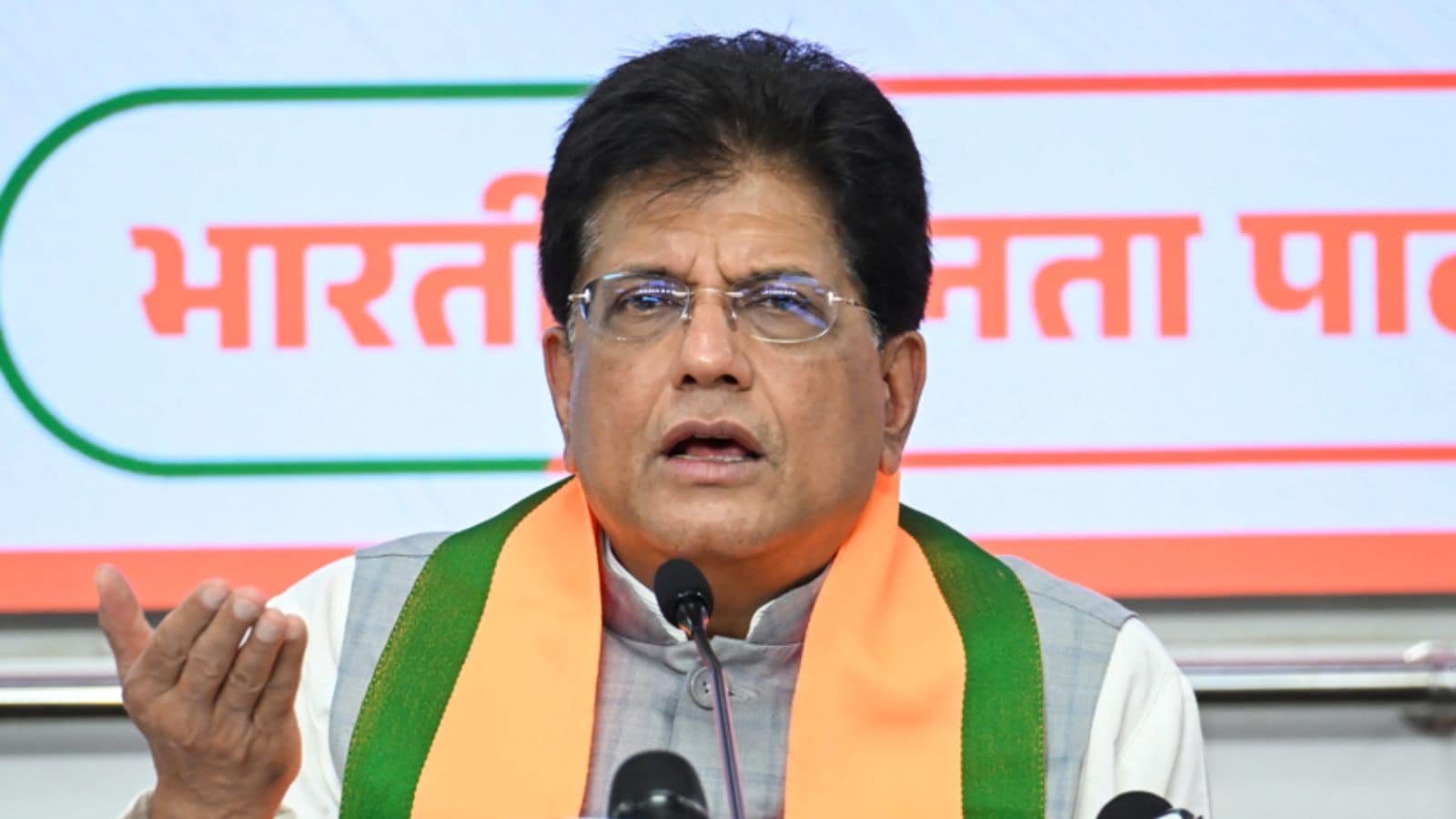
Goyal Defends India’s 7.8% GDP Growth Amid Data Debate
