3 weeks ago
US pressure behind India's proposed UPI-RuPay transaction fee levy
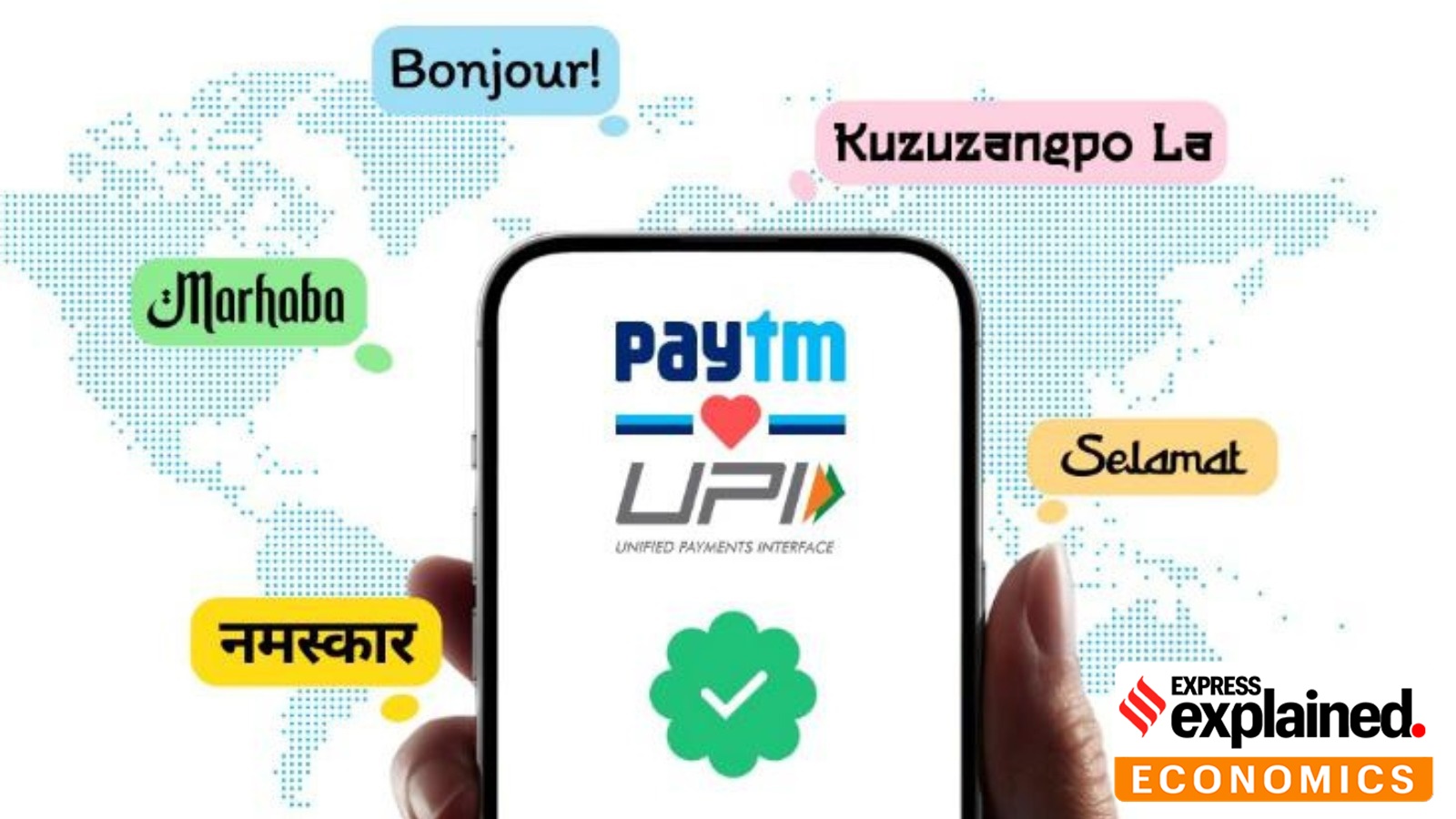
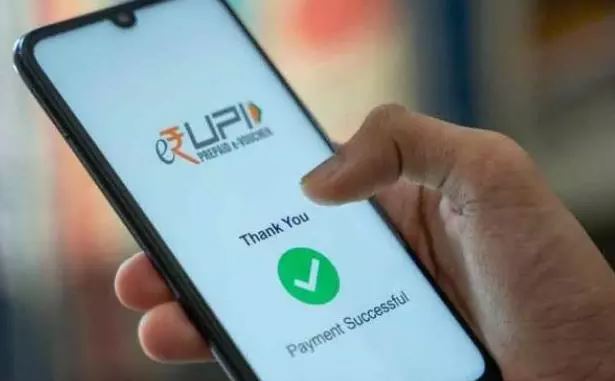
In India, millions of people pay with their phones using a system called UPI, and it has always been free to use.
Now, India's government has proposed a new law that would let banks and payment companies charge fees for UPI and RuPay card payments.
Big American companies like Visa and Mastercard have been asking for this change because they lose money when people pick free phone payments instead of cards.
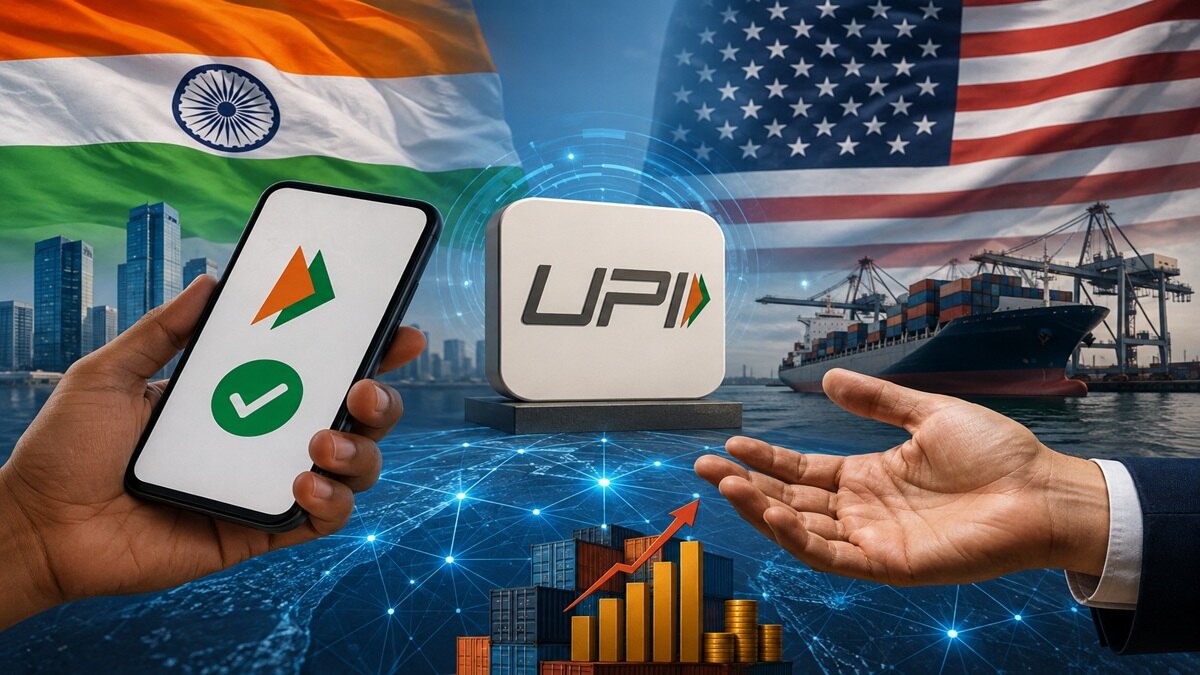
The United States government says India's payment rules are unfair to American companies and has called them a 'foreign trade barrier.'
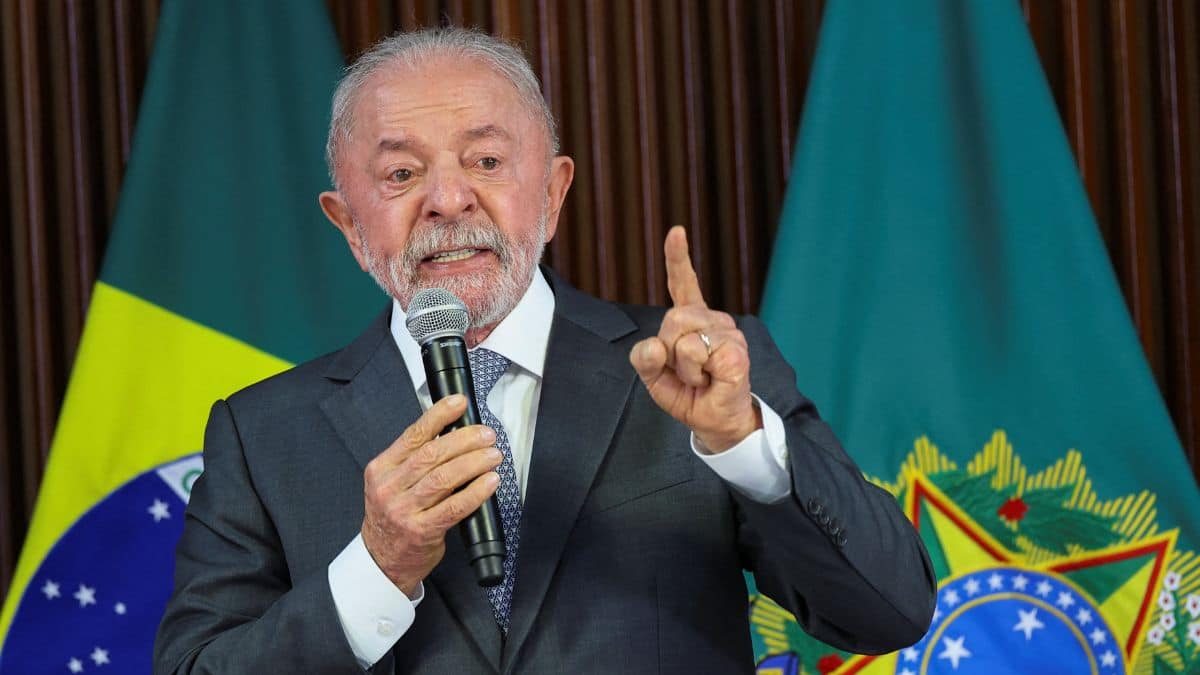
The US has also complained about Brazil's free payment system called Pix, and it put a 25% tax on goods from Brazil because of it.
In India, Congress leader Jairam Ramesh says the real reason for the new fee is pressure from the United States.
Finance Minister Nirmala Sitharaman disagrees, saying the fee would be paid by shops or merchants, not by people using UPI.
She also said nothing is final yet and that the decision will come only after Parliament passes the new law.
India's free UPI system, launched in 2016, has helped millions of people pay without using cards.

India's Finance Ministry introduced a Bill in Parliament that would allow banks and payment system providers to charge fees on UPI and RuPay debit card payments.
In March, the US Trade Representative (USTR) classified India's digital payment policies favouring domestic players as a foreign trade barrier.
Visa and Mastercard say free UPI, government promotion of RuPay, and RuPay's early access to credit-card payments via UPI have cut their fee income.
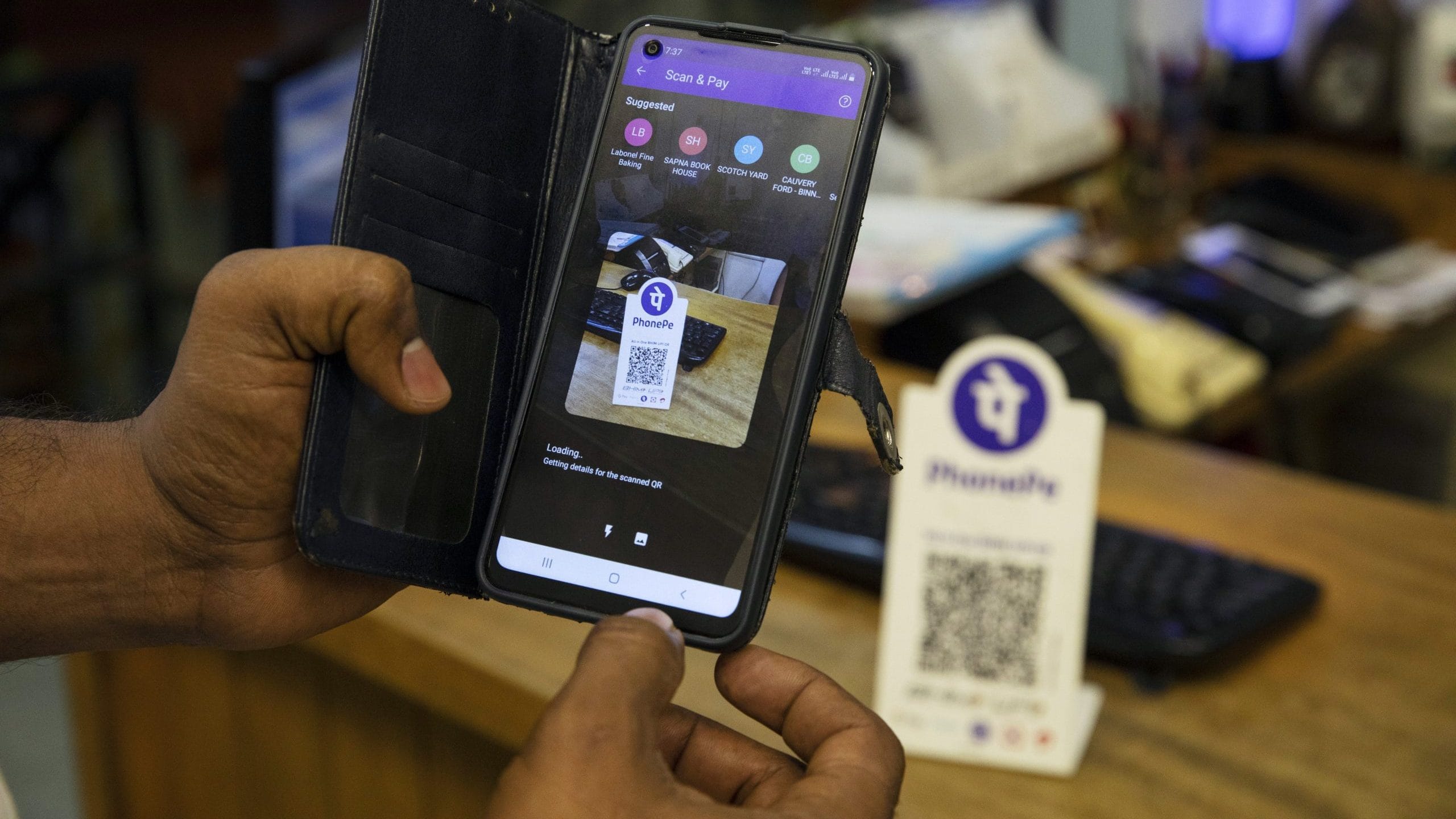
NPCI's 30% market share cap on third-party UPI apps has been deferred to December 2026; US-owned PhonePe and Google Pay processed over 80% of UPI transactions as of December 31, 2025.
Congress leader Jairam Ramesh called the amendment the result of US pressure, while Finance Minister Nirmala Sitharaman said MDR applies only to merchants and the matter is not yet finalised.
- Who
- India's Finance Ministry and Finance Minister Nirmala Sitharaman; Congress leader Jairam Ramesh criticised the move, while the US Trade Representative and payment firms Visa and Mastercard have pressed for changes.
- What
- A Bill introduced in Parliament to allow banks and payment system providers to charge fees on UPI and RuPay debit card payments, to be finalised after Parliament passes the Taxation and Other Laws (Amendment) Bill, 2026.
- Where
- India, within the context of ongoing US-India trade deal negotiations; USTR also cited Brazil, Indonesia, Vietnam, Türkiye, GCC countries and China.
- When
- The Bill was introduced this week; USTR's trade barrier report was published in March, and the public exchange between Jairam Ramesh and Nirmala Sitharaman took place on August 6.
- Why
- The US has pushed India to create a level playing field in digital payments, as Visa and Mastercard argue that free UPI and state support for RuPay reduce their fee income.
Critics (Congress)
Government (Finance Ministry)
Reason behind the UPI fee amendment
Critics (Congress)
Congress General Secretary Jairam Ramesh said the real reason behind the legal amendment is US pressure on India's digital payment ecosystem.
Government (Finance Ministry)
Finance Minister Nirmala Sitharaman said MDR applies only to merchants, not end users or customers, and that it will support banks and fintechs to invest in infrastructure, innovation and security.
Are UPI and RuPay policies a trade barrier?
Critics (Congress)
USTR, Visa and Mastercard say zero transaction charges for UPI, government promotion of RuPay, and RuPay's early access to credit-card payments via UPI disadvantage US electronic payment suppliers and cut their fee income.
Government (Finance Ministry)
India's position, reflected via GTRI's analysis, holds that UPI is a widely available, interoperable, zero-MDR platform benefiting consumers, and RuPay is an Indian card network integrated with domestic policy objectives.
Key facts
- Proposed change
- Banks and payment system providers could charge fees on UPI and RuPay debit card payments
- UPI launch year
- 2016
- USTR action
- Classified India's digital payment policies favouring domestic players as a foreign trade barrier in March
- NPCI market share cap
- 30% cap on third-party UPI apps, enforcement deferred to December 2026
- US-owned UPI suppliers' share
- Over 80% of UPI transactions as of December 31, 2025 (PhonePe and Google Pay)
- US action on Brazil
- 25% tariffs under Section 301 of the US Trade Act of 1974 over the Pix platform
- Related Bill
- Taxation and Other Laws (Amendment) Bill, 2026, amending Section 10A of the Payment and Settlement Systems Act, 2007
- Abolished tax
- 6% 'Google tax' removed last year amid US tariff pressure
Quotes
U.S. Trade Representative (USTR)
Representative of the U.S. Trade Representative
“"it has expressed concerns related to the inability of US electronic payment services suppliers to participate in the UPI ecosystem, including credit transactions on UPI on a level playing field with RuPay"”
 indianexpress.com
Finance Minister Nirmala Sitharaman
India’s Finance Minister
“"Merchant Discount Rate (MDR) applies only on the merchants and not on the end users/customers."”
indianexpress.com
Sources
Related news
India's UPI MDR Debate Raises Questions of US Trade Pressure
India’s UPI Needs Merchant Fees, Not American Pressure

GTRI Urges India to Resist US Pressure on UPI Policies
Congress Slams Government, Alleging UPI Dilution to Favor US Firms
India Moves to Allow Merchant Fees on UPI Transactions

UPI remains free for users, some merchants face nominal charges

India Needs a Unified Ministry to Strengthen Energy Security

India-Brazil Friendly Tickets Sell Out Amid Kolkata Football Fever

India–Brazil Friendly Tickets Go On Sale Ahead Of Kolkata Clash
Bessent Warns G20 Subsidies and Export Dependence Fuel Tensions

Cafu to Launch Futsal Teams and Sports Resort in Darjeeling