3 weeks ago
Delhi reports six-fold rise in H1N1 flu cases, experts warn
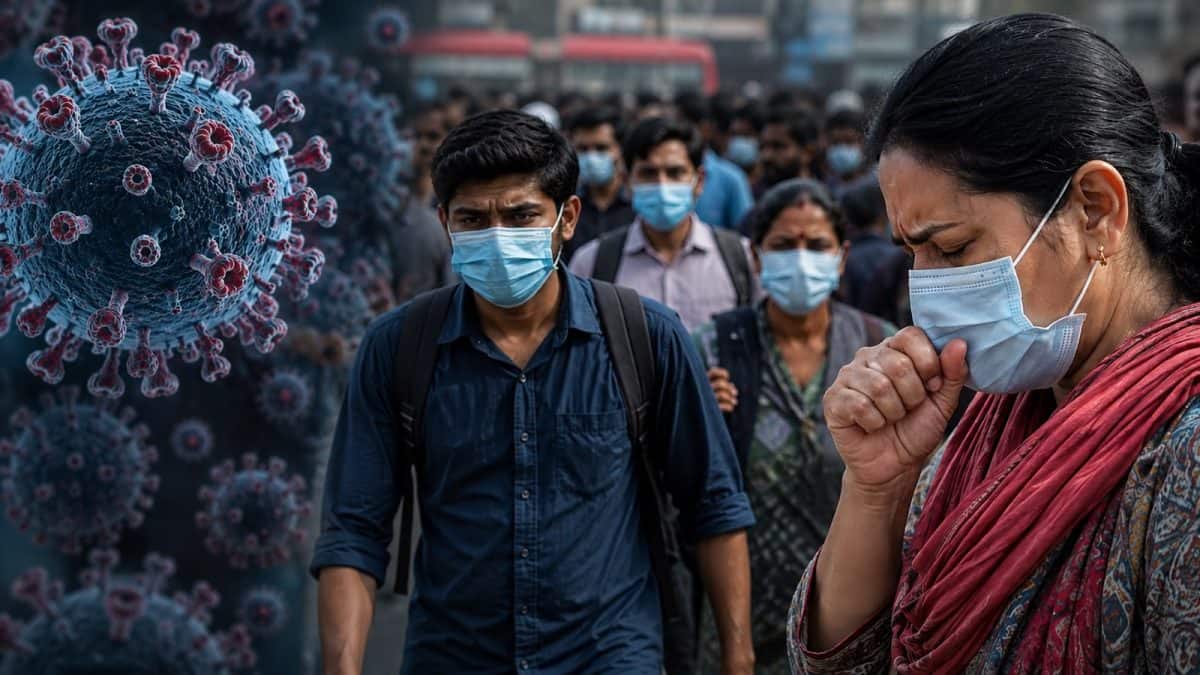
Many people in Delhi are getting sick with a flu virus called H1N1.
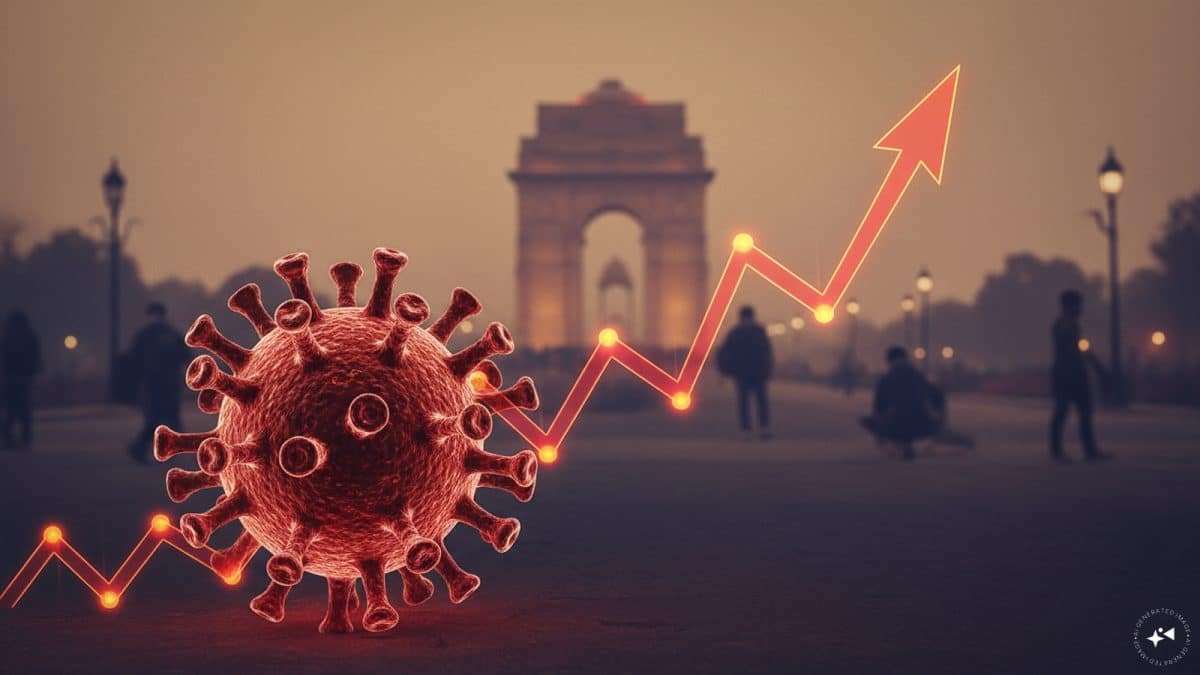
This year, there are about six times more cases than last year.
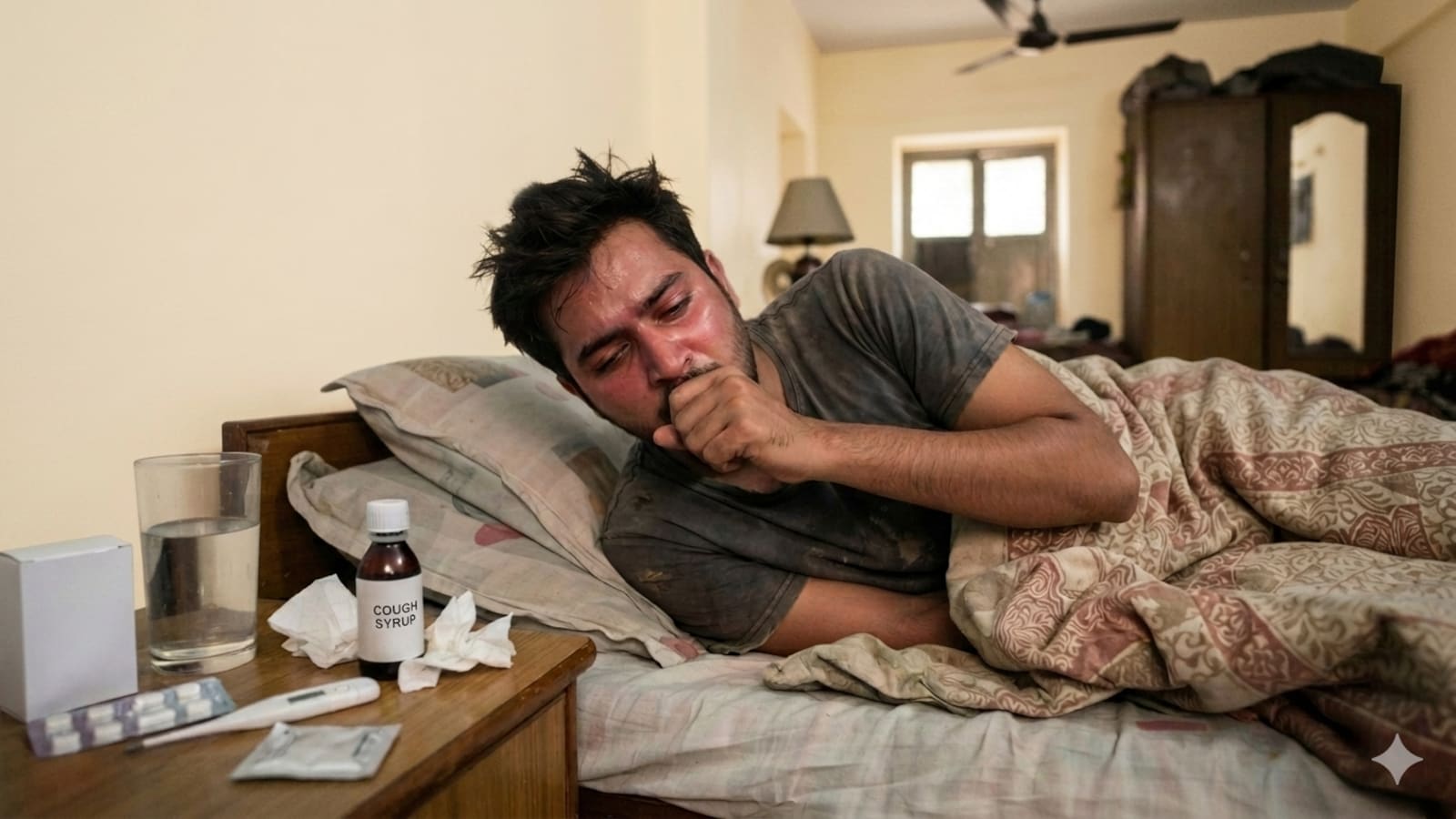
The flu can make you feel like you have a bad cold with fever, cough, and body aches.
Most healthy people get better, but some people can get very sick.
Older people, pregnant women, young children, and people with health problems like diabetes or heart or lung disease need extra care.
The flu can even hurt the lungs and make it hard to breathe.
It can look like other sicknesses such as dengue or COVID-19, so it is hard to know what you have.
If you have a fever that will not go away or trouble breathing, you should see a doctor right away.
Antibiotics cannot cure the flu because it is caused by a virus.
Getting a flu vaccine every year can help keep you from getting very sick, and washing your hands can help stop the flu from spreading.

Delhi recorded 1,344 H1N1 cases this season, compared with 229 in the corresponding period last year, a nearly six-fold increase.
Experts, including Dr Arjun Khanna of Amrita Hospital, Faridabad, warn influenza is circulating aggressively and should not be taken lightly.
H1N1 can cause viral pneumonia, worsen lung conditions like asthma or COPD, stress the heart, and lead to respiratory failure in severe cases.
Older adults, pregnant women, young children, diabetics, and people with chronic heart or lung disease or weakened immune systems face higher risk of complications.
Antibiotics do not work against H1N1 and contribute to antibiotic resistance; annual flu vaccination remains a key preventive measure.
Flu symptoms overlap with dengue, COVID-19 and other viral illnesses, making self-diagnosis unreliable, and warning signs require immediate medical evaluation.
- Who
- Residents of Delhi and the National Capital Region (NCR), especially high-risk groups, and experts including Dr Arjun Khanna, Head of Department, Pulmonology, Amrita Hospital, Faridabad
- What
- A nearly six-fold surge in H1N1 influenza cases, with 1,344 infections reported compared to 229 in the same period last year
- Where
- Delhi and the National Capital Region (NCR), India
- When
- This flu season, reported as of August 10, 2026, compared with the same period the previous year
- Why
- Influenza is circulating aggressively; experts warn H1N1 can cause severe complications and urge vaccination, early symptom recognition, and timely medical care
Key facts
- H1N1 cases this season
- 1,344
- Cases in same period last year
- 229
- Reported rise
- Nearly six-fold
- Location
- Delhi and National Capital Region (NCR), India
- High-risk groups
- Older adults, pregnant women, young children, diabetics, people with chronic heart or lung disease, and those with weakened immune systems
- Prevention
- Annual influenza vaccination, hand hygiene, respiratory etiquette, avoiding close contact when unwell, staying home when sick
- Treatment
- Antiviral medications in certain cases; antibiotics are ineffective against the virus and fuel antibiotic resistance
- Expert source
- Dr Arjun Khanna, Head of Department, Pulmonology, Amrita Hospital, Faridabad
Quotes
Dr Arjun Khanna
Pulmonology specialist at Amrita Hospital, Faridabad
““Annual influenza vaccination is one of the best tools we have to reduce the risk of severe disease.””
 firstpost.com
““H1N1 is often dismissed as just another flu virus, but that is a dangerous misconception.””
firstpost.com
Sources
Related news
Delhi records nearly six-fold rise in H1N1 cases in 2026

H1N1 Cases Rise in North India; Experts Urge Caution
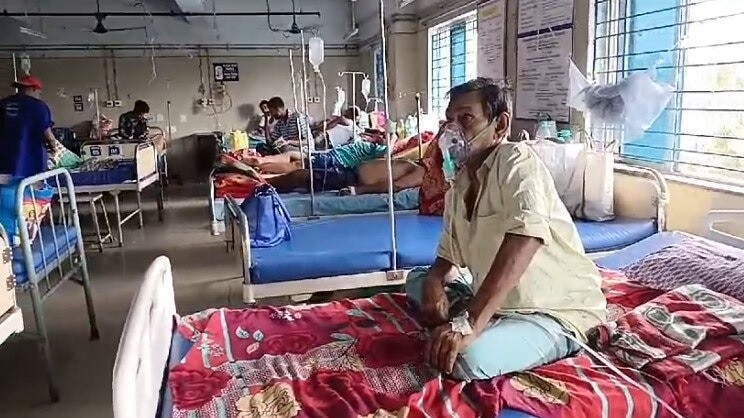
H1N1 cases in Delhi jump sixfold; doctors urge caution
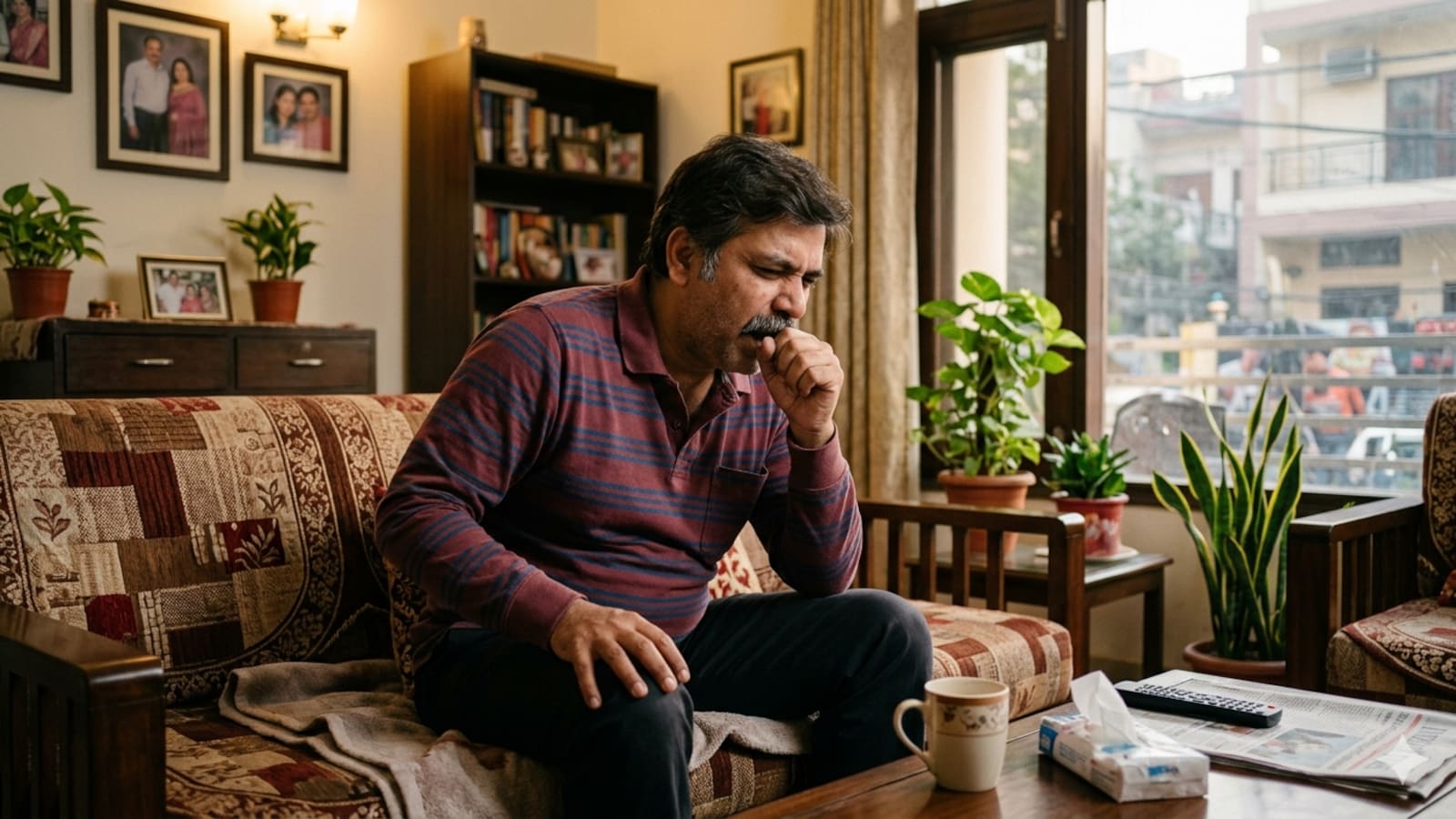
Delhi's H1N1 Cases Surge, Doctors Warn High-Risk Groups
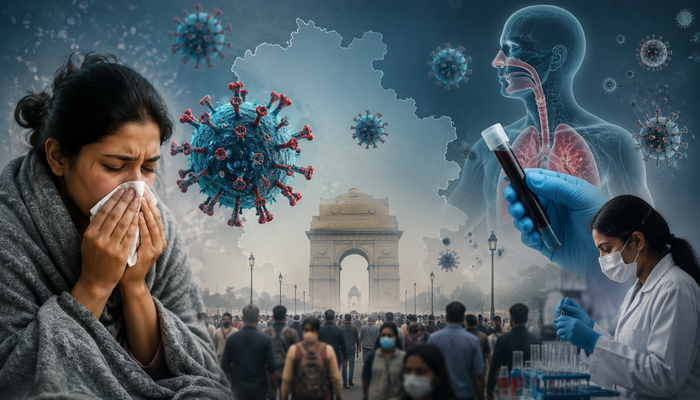
Delhi Records 1,449 H1N1 Cases as Hospitals Step Up Preparedness
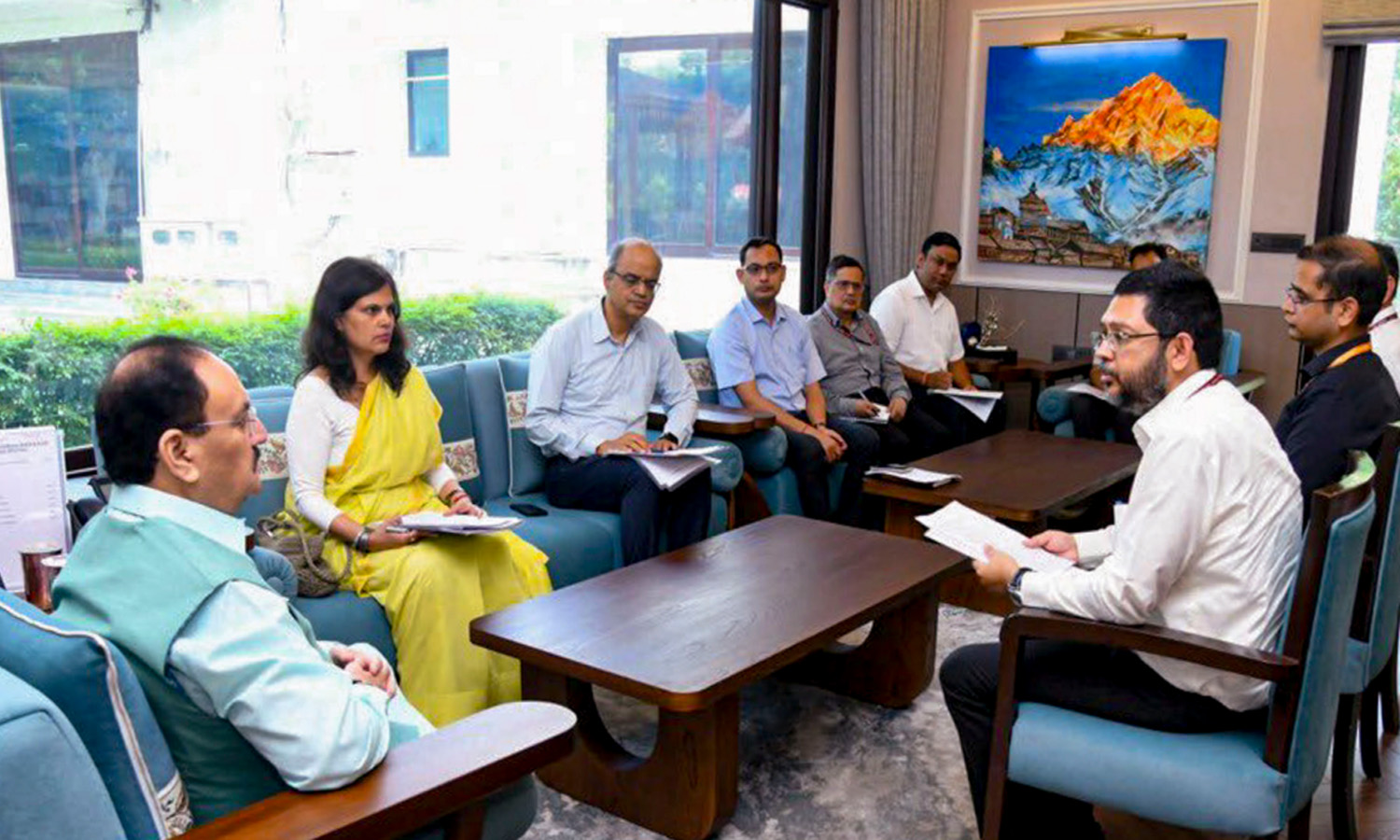
Delhi-NCR H1N1 Cases Surge as Officials Review Preparedness

National Nutrition Week Promotes A Truly Balanced Plate
H1N1 Recovery: Seven Mistakes To Avoid After Fever
H1N1 Cases Rise as Flu Vaccine Demand Surges Nationwide

Seven Ways Gym-Goers Can Prevent H1N1 During Flu Season

Amitabh Bachchan Gives Up Rice, But Should Older Adults?