

1 week ago
ICMR Says No New H1N1 Strain, Cautions High-Risk Groups
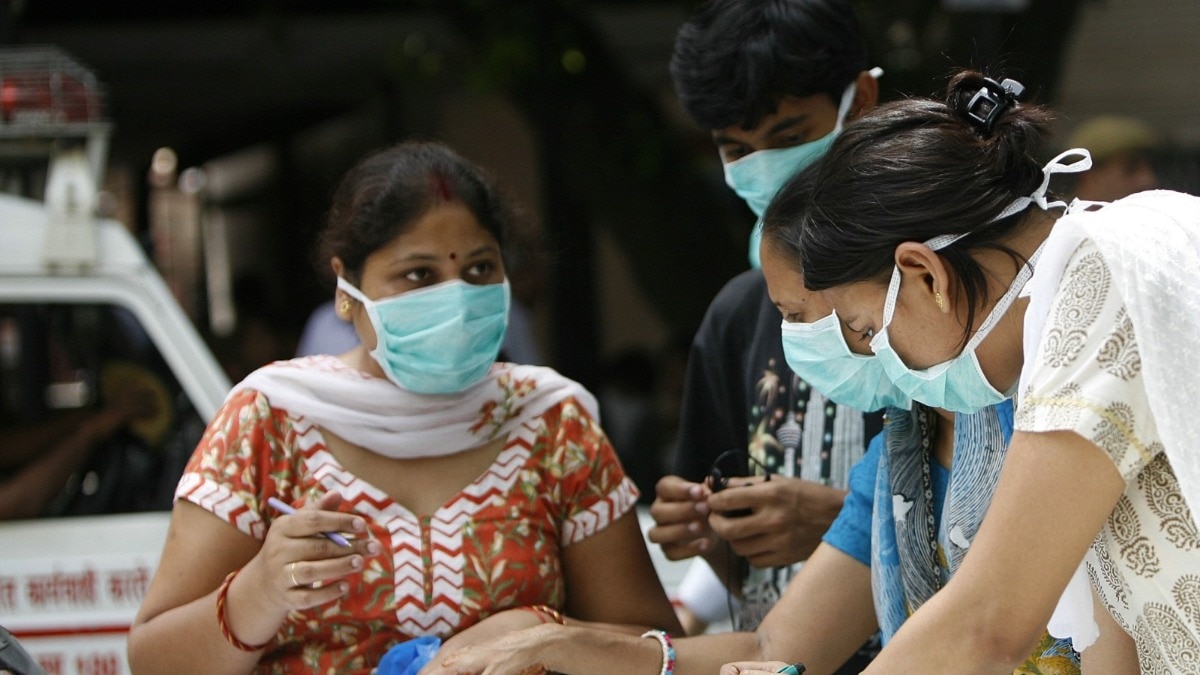
Scientists say India is not facing a completely new H1N1 virus.
The virus being detected is a version that has circulated since 2025.
Most people with seasonal flu get better with rest and proper care.
Symptoms can include fever, cough, headache and body aches.
Young children, older people and those with other health problems may become more seriously ill.
Doctors should be consulted if symptoms last, worsen or become severe.
Delhi has reported many influenza cases and is tracking them closely.
Officials recommend handwashing, respiratory hygiene and masks in crowded places.

ICMR says India has detected no new H1N1 strain; circulating viruses resemble A/Missouri/11/2025 and have circulated since 2025.
The viruses belong to clade 6B.1A.5a2a and subclade D.3.1.1 and are well matched with Northern Hemisphere vaccine recommendations.
Delhi recorded 2,602 influenza cases, including 1,777 H1N1 cases, from January 1 through August 20; other reports cited more than 2,300 Influenza-A cases.
Officials said most infections are self-limiting, but young children, older adults and people with underlying conditions face greater complication risks.
Delhi expanded surveillance and preparedness, including monitoring hospitals, issuing prevention guidance and reviewing beds, medicines, testing and critical-care capacity.
- Who
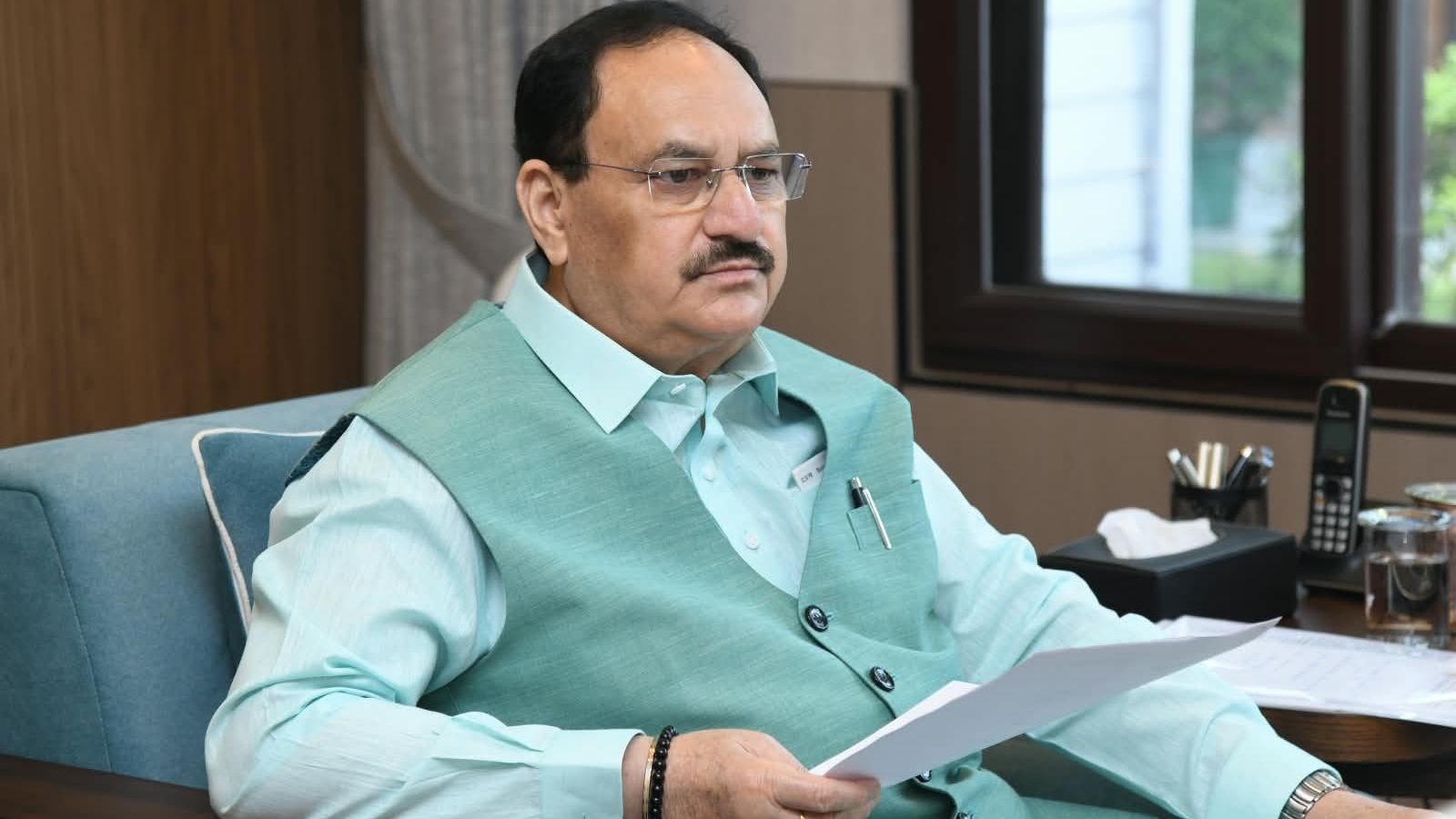
- Scientists from the Indian Council of Medical Research, Union Health and Family Welfare Minister JP Nadda, Delhi Health Minister Pankaj Kumar Singh and Delhi health authorities.
- What
- ICMR clarified that no new H1N1 strain has been identified and officials outlined monitoring, prevention and hospital-preparedness measures.
- Where
- India, with particular attention to Delhi.
- When
- The ICMR clarification was issued Sunday; Delhi’s 2,602-case tally covered January 1 through August 20, including 159 new influenza cases on August 20.
- Why
- The clarification followed increased influenza activity, rising H1N1 case numbers and concerns that the circulating virus might represent a new strain.
Reassurance
Caution
Whether the virus is new
Reassurance
ICMR scientists say no new H1N1 strain has been detected, the circulating virus has been present since 2025 and there is no cause for panic.
Caution
Doctors have reported crowded outpatient departments, influenza-like symptoms and some severe cases, so authorities continue monitoring for unusual increases and complications.
Risk to most patients
Reassurance
Scientists say seasonal influenza, including H1N1, is mostly self-limiting and most people recover with rest and appropriate care.
Caution
Young children, older adults and people with underlying conditions may face greater risks, particularly if symptoms persist, worsen or become severe.
Vaccination and prevention
Reassurance
ICMR says the circulating viruses are well matched with Northern Hemisphere vaccine recommendations, and one report says the existing vaccine is expected to remain effective.
Caution
Vaccination is not guaranteed to prevent infection, so authorities also recommend masks in crowded settings, hand hygiene, respiratory hygiene and avoiding close contact with infected people.
Key facts
- Circulating virus
- A/Missouri/11/2025 (H1N1) pdm09-like virus
- Classification
- Clade 6B.1A.5a2a, subclade D.3.1.1
- Delhi cases
- 2,602 influenza cases and 1,777 H1N1 cases from January 1 through August 20
- Reported August 20 cases
- 159 new influenza cases, including 114 H1N1 infections
- Vaccine compatibility
- Circulating viruses were described as well matched with Northern Hemisphere vaccine recommendations; vaccination does not guarantee prevention of infection
- Higher-risk groups
- Young children, older adults and people with underlying medical conditions
- Public-health response
- Delhi strengthened surveillance, issued hygiene and masking guidance, and placed 35 hospitals under special surveillance according to one report
Quotes
Dr Pankaj Kumar Singh
Delhi Health Minister who attended the review meeting on H1N1 preparedness
“The influenza A (H1N1) pdm09 viruses currently circulating in India are similar to the A/Missouri/11/2025 (H1N1) pdm09-like virus strain. These viruses belong to clade 6B.1A.5a2a and subclade D.3.1.1 and have been in circulation since 2025.”
 republicworld.com
“Young children, elderly persons and individuals with underlying medical conditions may be at greater risk of complications. If symptoms persist, worsen or become severe, timely consultation with a doctor is advised.”
 theprint.in
Sources
No new strain of H1N1, virus has been in circulation: ICMR as swine flu cases cross 2,000 mark
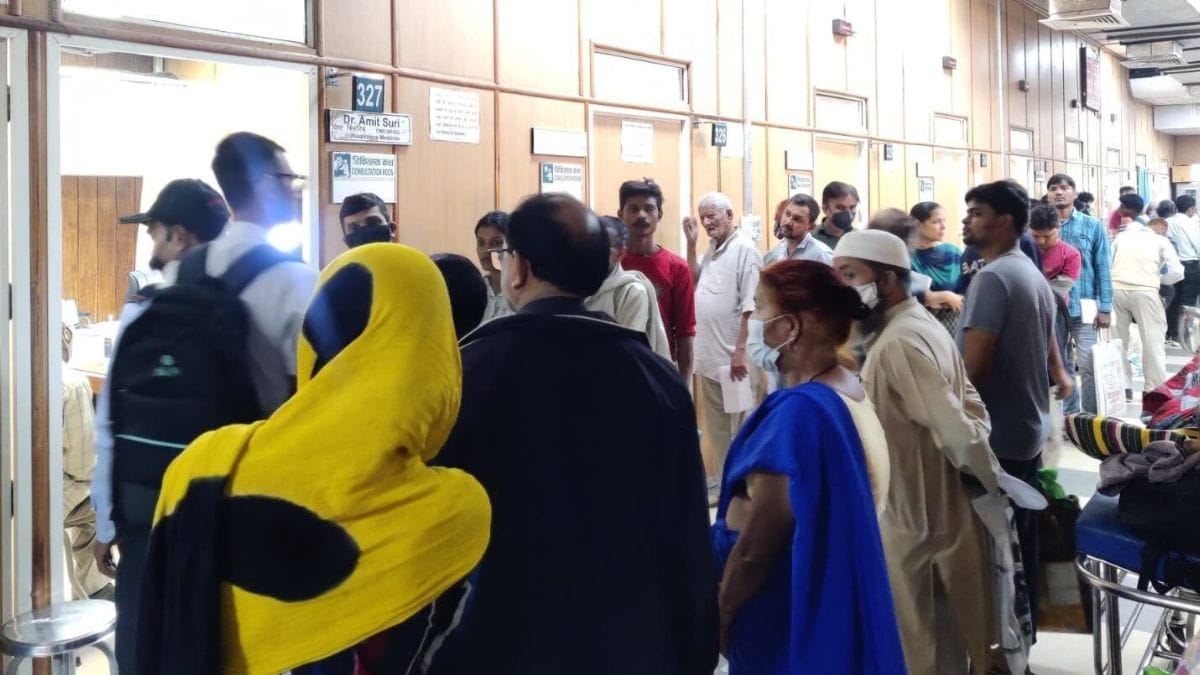
No new H1N1 strain in India, but children & elderly at higher risk, say ICMR scientists

‘No cause for panic’: ICMR says no new H1N1 strain detected, urges caution for high-risk groups
No Cause For Panic Over H1N1; Current Strains in Circulation Since 2025, Says ICMR
Related news

Delhi H1N1 Cases Rise; ICMR Says No New Strain

ICMR Says Circulating H1N1 Strain Is Not New

No new H1N1 strain identified as seasonal surge continues
H1N1 Cases Rise in North India; Experts Urge Caution

ICMR Rules Out New H1N1 Strain Amid India Circulation

ICMR Says No New H1N1 Strain as Delhi Cases Rise
Arunachal Congress Protests FIR Against Rahul Gandhi

Why Calling Rahul Gandhi an Anarchist Draws Political Criticism

Supreme Court Quashes NEET Protest FIRs, CJP Calls Off March
Manipur Healthcare Expansion: RIMS Set for AIIMS Status
Nadda Welcomes CJP’s Decision to Call Off September March