2 weeks ago
Parliament passes Minerals Bill barring state taxes on mineral leases
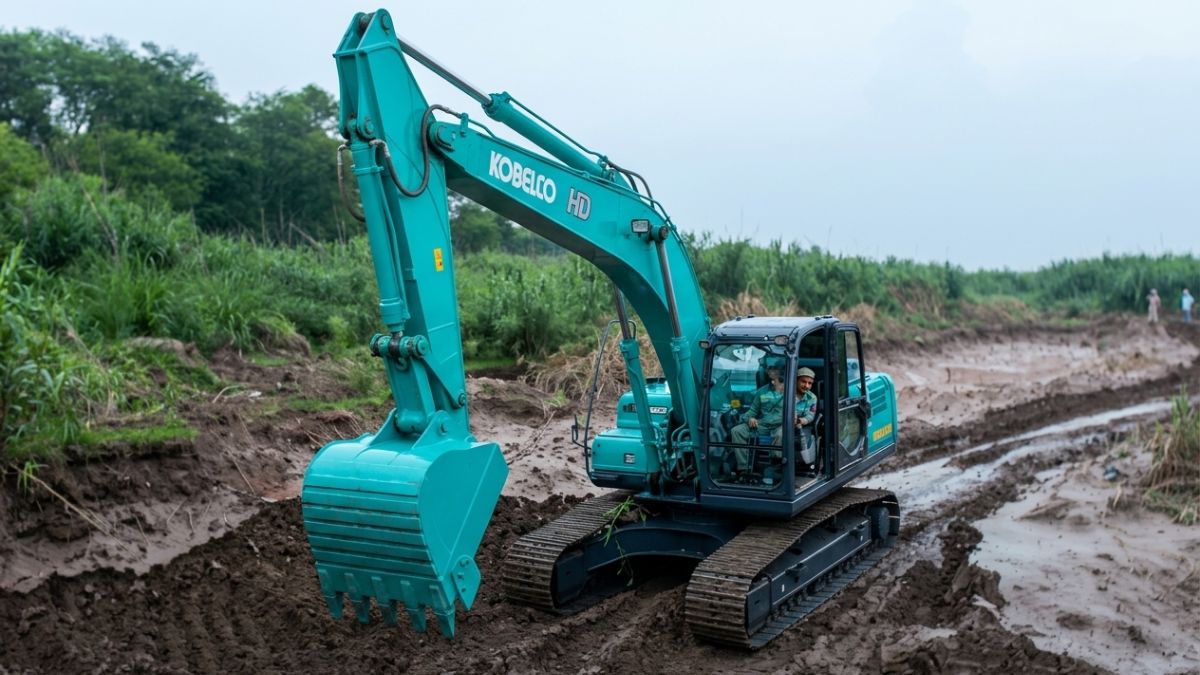
India has made a new rule about rocks and minerals called the Mines and Minerals Amendment Bill, 2026.
The rule changes who gets to charge fees for digging minerals out of the ground.
Before, states (like smaller parts of the country) could add their own extra fees.
Now, only the central government in charge of the whole country can decide most of those fees.
The government says this makes prices fair and the same everywhere in India.
The Minister for Coal and Mines, G Kishan Reddy, says states will not lose any money because of this change.
Mining companies in India pay very high taxes, more than 50 cents for every dollar they earn.
In other countries, mining companies usually pay around 35 to 40 cents.
This new law says states can still collect one fee called royalty, but they cannot invent new fees.
If a state had not collected an old fee yet, that fee is now cancelled.

Parliament passed the Mines and Minerals (Development and Regulation) Amendment Bill, 2026 on Thursday, barring states from levying taxes or cesses on mineral leasing rights and mineral-bearing land.
The Bill brings the regulation of mineral-bearing land exclusively under the Centre, based on parameters prescribed under the MMDR Act.
Coal and Mines Minister G Kishan Reddy said the Bill will not impact state revenues and will not take away any rights of the states.
The government's aim is to reduce the tax burden on the mining sector, curb unpredictable levies, and ensure uniform tax rates and mineral prices across India.
Royalty will remain the only levy states can charge, while India's mineral sector faces an effective tax rate exceeding 50-55% of revenue versus a 35-40% global average.
Levies not paid or collected by states before the amendment comes into force will be treated as invalid, though amounts already deposited will not be refunded.
- Who
- Parliament of India and Coal and Mines Minister G Kishan Reddy
- What
- Passed the Mines and Minerals (Development and Regulation) Amendment Bill, 2026, which bars states from taxing mineral leasing rights and mineral-bearing land
- Where
- India, including discussion in the Rajya Sabha
- When
- Thursday (August 2026)
- Why
- To reduce the tax burden on the mining sector, curb unpredictable levies, and ensure uniform tax rates and mineral prices across India
Key facts
- Bill
- Mines and Minerals (Development and Regulation) Amendment Bill, 2026
- Passed by
- Parliament of India
- Key provision
- States barred from imposing taxes or cesses on mineral leasing rights and mineral-bearing land
- Regulation of mineral-bearing land
- Brought exclusively under the Centre
- Remaining state levy
- Royalty only
- Stated objective
- Uniform tax rates and mineral prices across India; lower tax burden on mining
- Effective tax rate in India's mineral sector
- Over 50-55% of revenue, versus a 35-40% global average
- Treatment of past levies
- Unpaid levies invalidated; amounts already deposited or recovered will not be refunded
Quotes

G. Kishan Reddy
India's Coal and Mines Minister
“The Centre is not interfering in the financial or mineral situation of the states through this Bill. We only want mineral prices to be uniform across India.”
 financialexpress.com
Sources
Related news
India Bill Bars States From Taxing Mineral Rights and Land
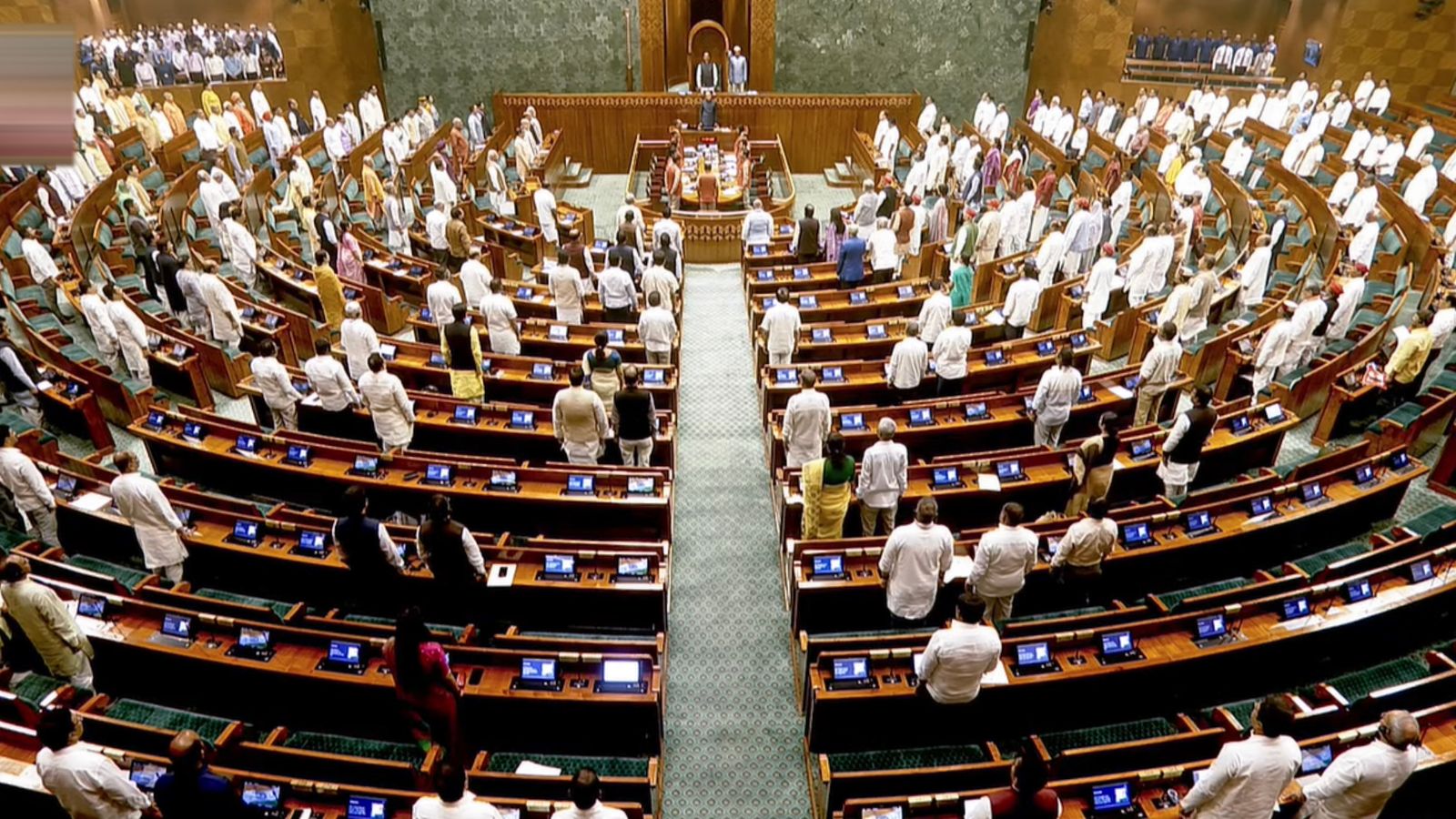
Parliament Passes Mines and Minerals Amendment Bill Curbing State Levies
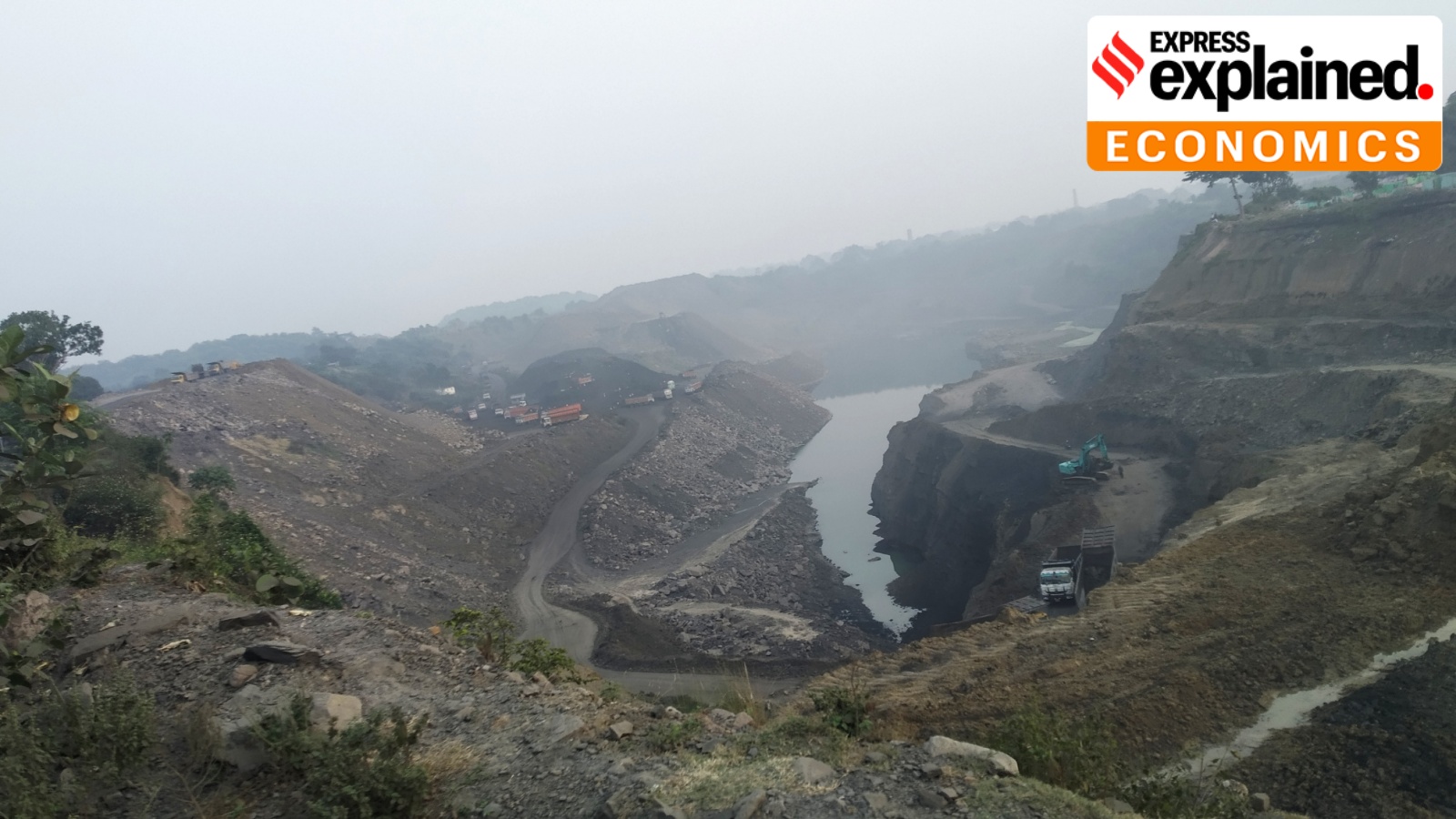
India's mining tax overhaul reignites Centre-state tussle over revenue

India Bill Bars States From Taxing Mines and Mineral Rights

Parliament Passes Mining Bill Limiting State Mineral Levies
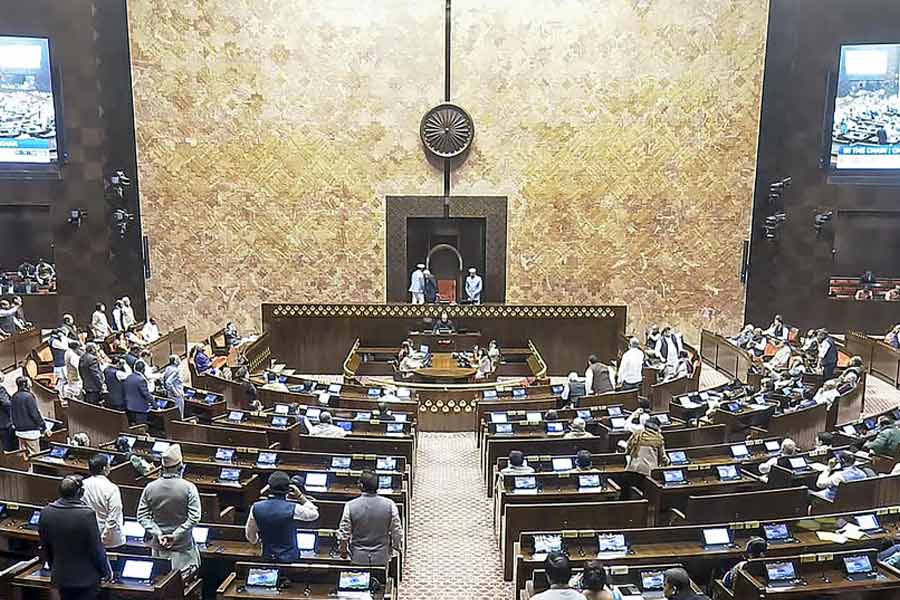
Parliament passes mineral bill limiting state taxes on mining resources

Arunachal Congress Protests FIR Against Rahul Gandhi

Parliament Panel To Examine Fertiliser, Wood Panels And Medicines
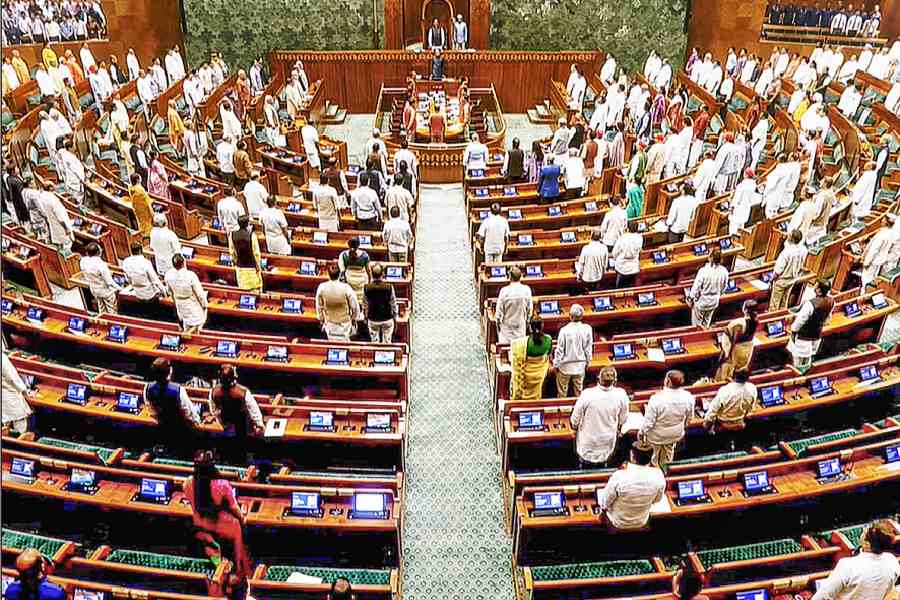
Inside India's Parliament, Disruptions Raise Questions About Democratic Accountability

MP Ashok Mittal Calls for National Commission for Men

Amrita Pritam’s Two Delhis: A City Lived, Written, Erased