2 weeks ago
Parliament passes mineral bill limiting state taxes on mining resources
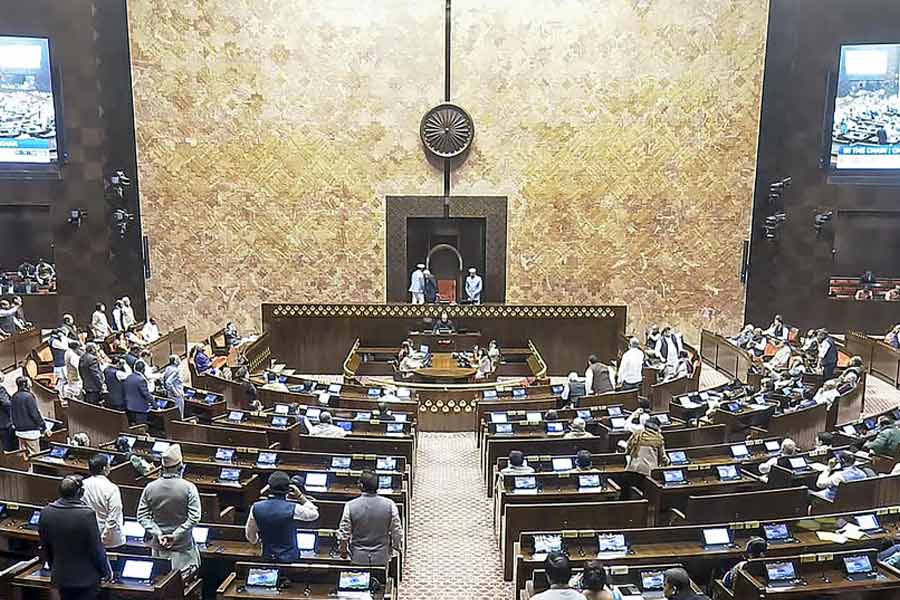
India is a very big country with a central government and several state governments.
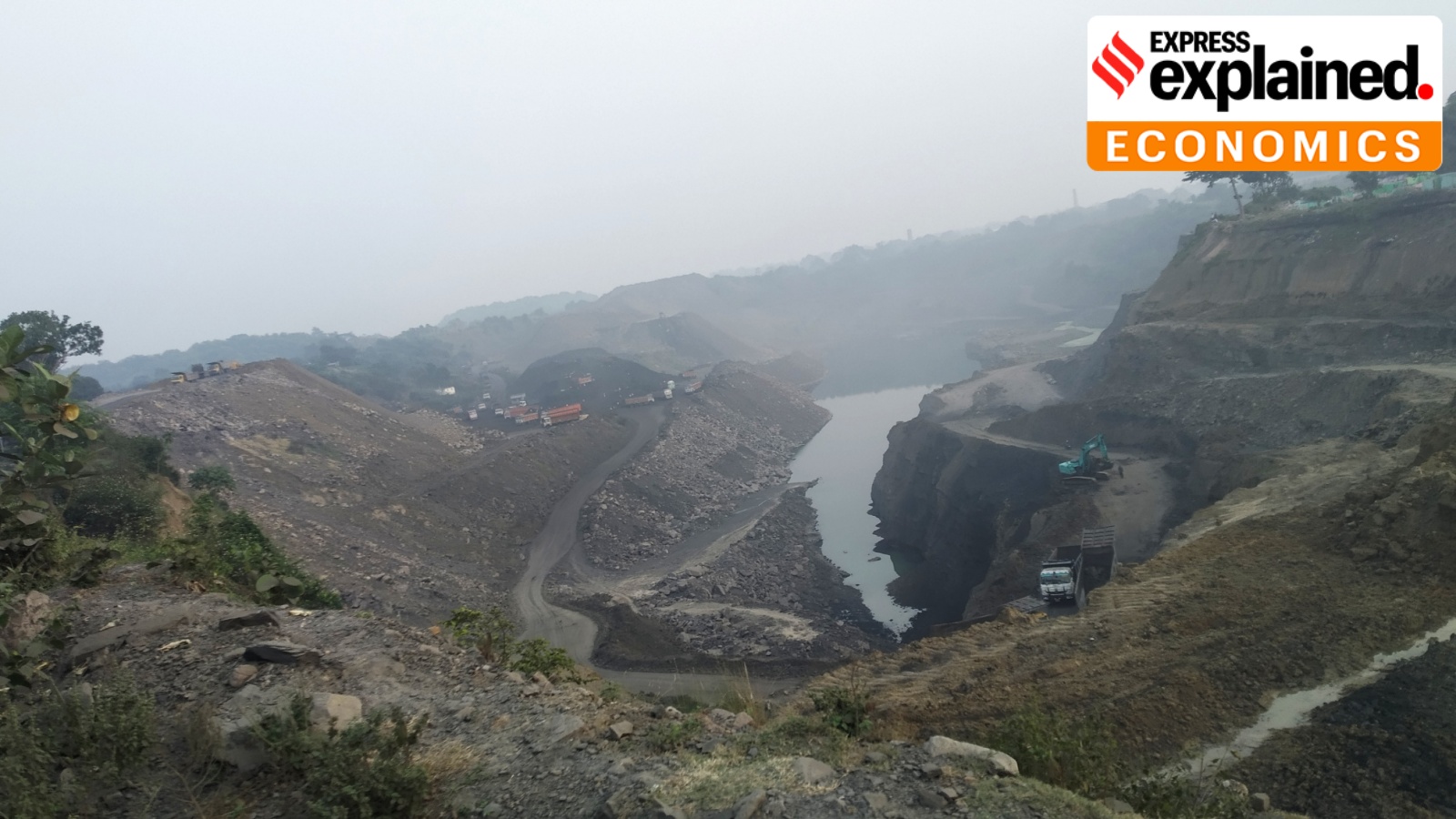
Some states, like Odisha and Jharkhand, have lots of minerals such as iron ore and bauxite underground.
The state governments wanted to charge mining companies money, called tax, for taking these minerals.
A very important court, the Supreme Court, said in 2024 that states could do this.
But the national Parliament then passed a new law that says states can no longer charge this tax.
The new law is called the Mines and Minerals Amendment Bill, 2026.
The national government says too many different taxes made mining very expensive and hard for companies.
The states are unhappy because they will lose a lot of money that was used for their people.
Some politicians from these states protested, but the law was passed anyway.

Parliament passed the Mines and Minerals (Development and Regulations) Amendment Bill, 2026, which denies states the right to collect tax or cess from mining companies.
The bill negates a 2024 nine-judge Supreme Court ruling that allowed states to tax mineral use subject to limits set by central laws.
Mineral-rich states including Odisha, Jharkhand and Chhattisgarh are expected to face heavy financial losses.
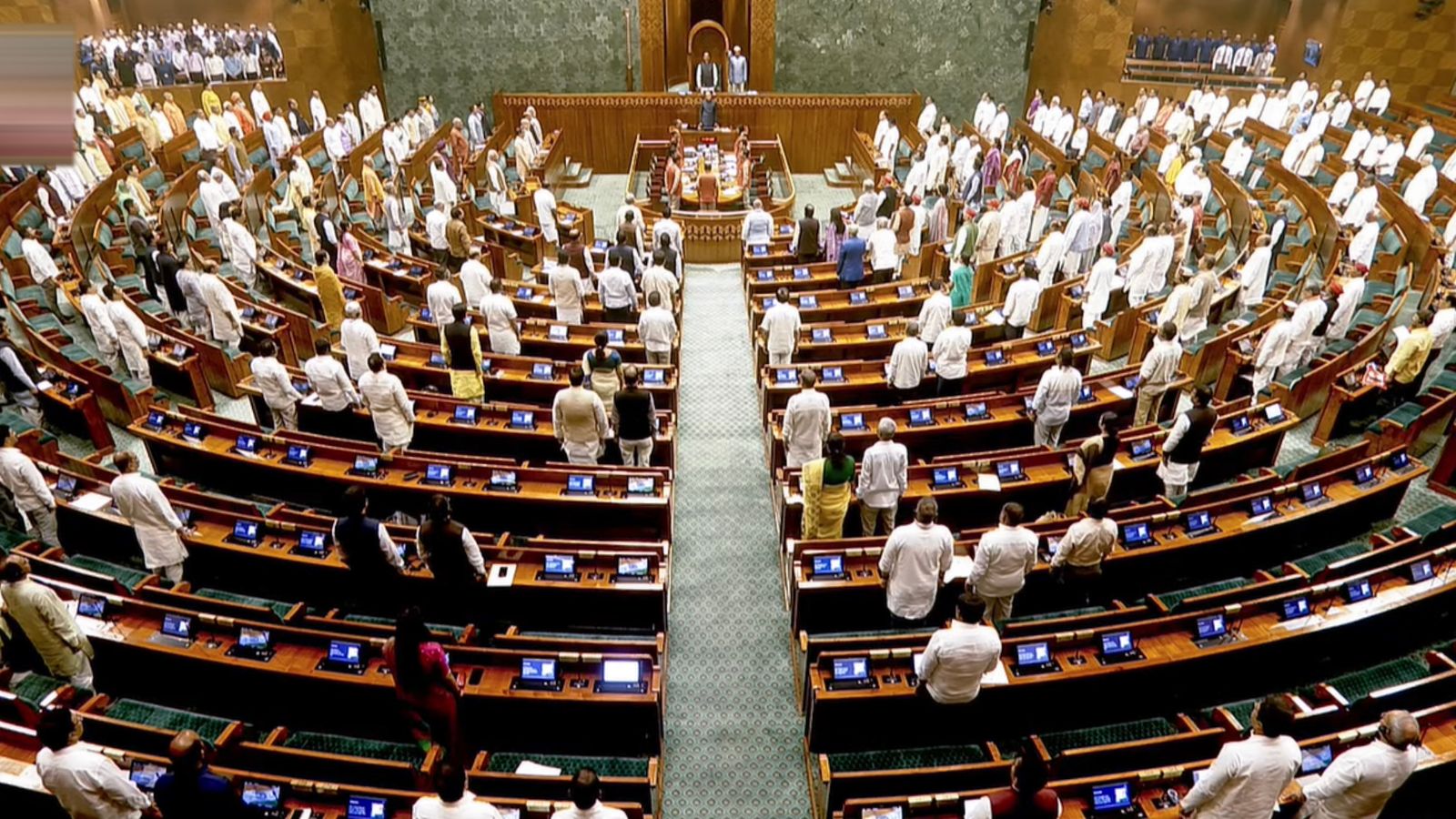
The Lok Sabha passed the bill by voice vote within 45 minutes, while BJD and JMM MPs protested that states' rights were being snatched away.
Mines Minister G. Kishan Reddy said uneven state levies caused heavy tax burdens, unpredictability and non-uniform rates, making mining commercially unviable.
- Who
- The Indian Parliament (Lok Sabha and Rajya Sabha), Mines Minister G. Kishan Reddy, and protesting BJD and JMM MPs.
- What
- Passed the Mines and Minerals (Development and Regulations) Amendment Bill, 2026, restricting states' powers to tax the use of minerals and mineral-bearing land.
- Where
- Indian Parliament; the bill affects mineral-rich states such as Odisha, Jharkhand and Chhattisgarh.
- When
- On Thursday, according to the article.
- Why
- To reduce the heavy, unpredictable and non-uniform tax burden on the mining sector and to negate the 2024 Supreme Court judgment on states' taxing powers.
Mineral-rich states
Central government
State taxation powers
Mineral-rich states
States have a legitimate right over their mineral resources and should be allowed to collect tax; the bill snatches away states' rights and harms federalism.
Central government
Uneven and unpredictable state levies resulted in a heavy tax burden, non-uniform rates and retrospective taxation, making mining commercially unviable.
Impact of the bill
Mineral-rich states
Odisha and Jharkhand, leading mineral producers, would be major losers, while people in mining-affected districts bear the environmental and social costs of extraction.
Central government
Reducing additional and unpredictable costs prevents the closure of mines and protects small- and medium-scale mining operators.
Key facts
- Bill
- Mines and Minerals (Development and Regulations) Amendment Bill, 2026
- Core provision
- Denies states the right to collect tax or cess from mining companies using their resources
- Court ruling negated
- 2024 nine-judge Supreme Court bench judgment favoring states' power to impose cess
- Lok Sabha passage
- Passed by voice vote within 45 minutes
- Minister
- G. Kishan Reddy (Minister of Mines)
- Expected major losers
- Odisha, Jharkhand and Chhattisgarh
- Protesting parties
- Biju Janata Dal (BJD) and Jharkhand Mukti Morcha (JMM)
Quotes

G. Kishan Reddy
Minister of Mines
“"Excessive fiscal burden makes mining operations commercially unviable, discourages mineral extraction, adversely affects mineral production and in some cases, leads to closure of mines. Any additional and unpredictable costs disproportionately may lead to adverse impact on small- and medium-scale mining operators."”
 telegraphindia.com
“"Jharkhand had 40 per cent of the country’s minerals. The states have a legitimate right on its resources and they should be allowed to collect tax."”
telegraphindia.com
Manas Ranjan Mangaraj
BJD Member of Parliament for Odisha
“"Our iron ore, bauxite, manganese and other mineral resources have contributed to the country’s industrial growth. However, the people of Odisha, particularly those living in mining-affected districts, have borne the environmental and social costs of mineral extraction. My concern is about the impact of this bill on federalism and the fiscal condition of mineral-rich states."”
telegraphindia.com
Sources
Related news
India's mining tax overhaul reignites Centre-state tussle over revenue
Parliament Passes Mines and Minerals Amendment Bill Curbing State Levies
India Bill Bars States From Taxing Mineral Rights and Land
Parliament passes Minerals Bill barring state taxes on mineral leases

Soren slams Mines Bill as 'black', threatens massive agitation
Centre Bars States From Levying Taxes on Mineral Rights

Two Years After RG Kar Doctor's Rape-Murder, Case Remains Unresolved

ED widens Chhattisgarh probes with two arrests and searches

Delhi High Court Orders Madhya Pradesh to Pay Advocate Dues
Haryana sanitation workers’ strike puts BJP government under pressure
Orissa High Court Says Brothel Customers Cannot Face Trafficking Charges