2 weeks ago
Parliament Passes Mining Bill Limiting State Mineral Levies

Parliament has approved a new law about taxes on minerals and mining land.
The law limits how much states can charge on mineral rights and mineral-bearing land.
The central government says this will make mining rules more predictable.
It also says the changes could attract investment and keep infrastructure costs from rising.
State governments worry that they may lose important tax revenue.
They are also concerned that the law could weaken the financial powers of states.
The Supreme Court had earlier said states could impose these taxes and collect older unpaid amounts dating back to April 1, 2005.
The new law may also make mineral prices more similar across states.

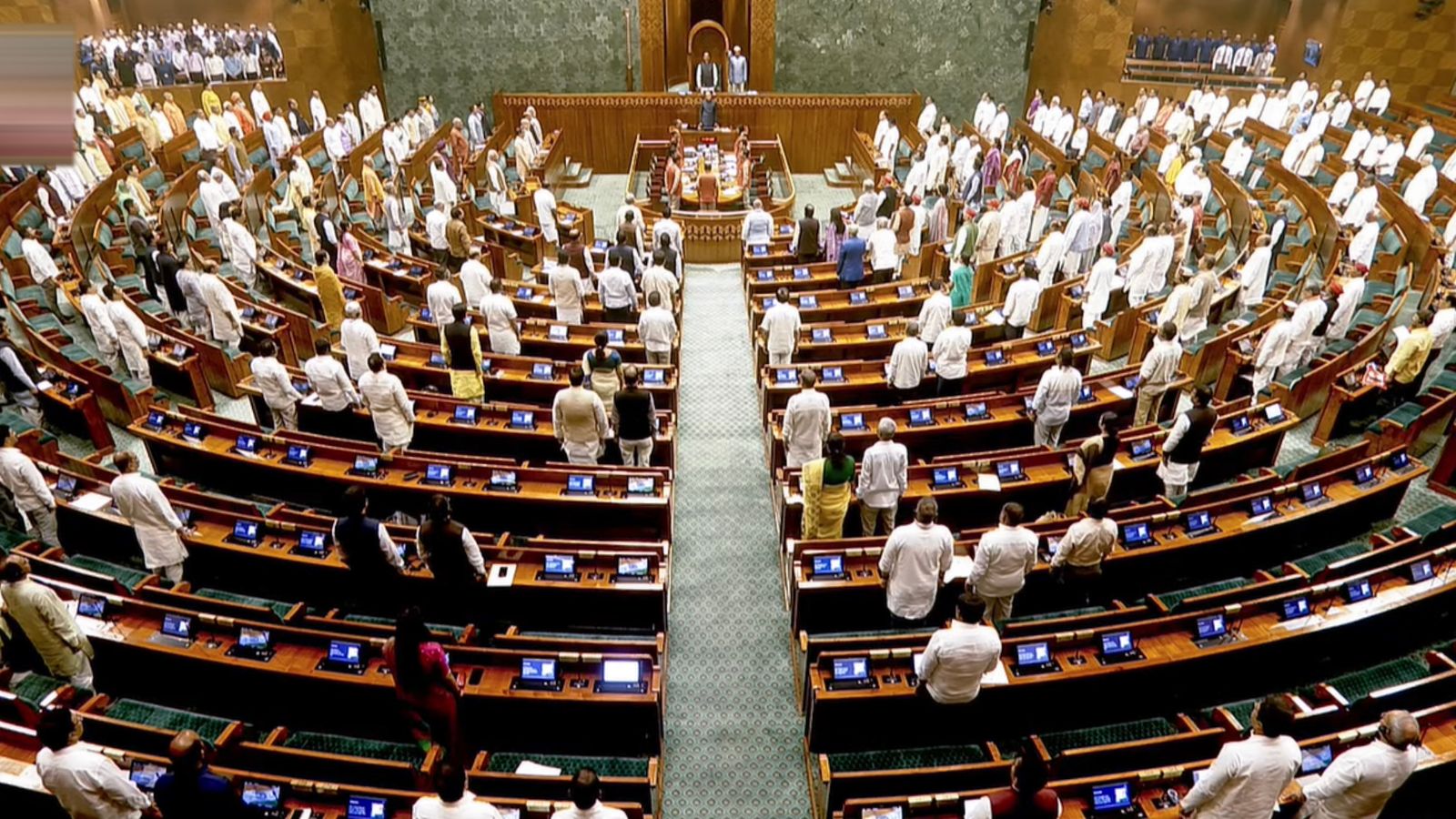
Parliament passed the Mines and Minerals (Development and Regulation) Amendment Bill, 2026, restricting states’ powers to impose levies on mineral rights and mineral-bearing lands.
The Centre says the amendments will improve certainty, attract investment and prevent higher levies from increasing infrastructure costs.
States have raised concerns about losing revenue and the broader effects on fiscal federalism.
The changes follow a Supreme Court ruling affirming states’ authority to impose such taxes and recover arrears from April 1, 2005.
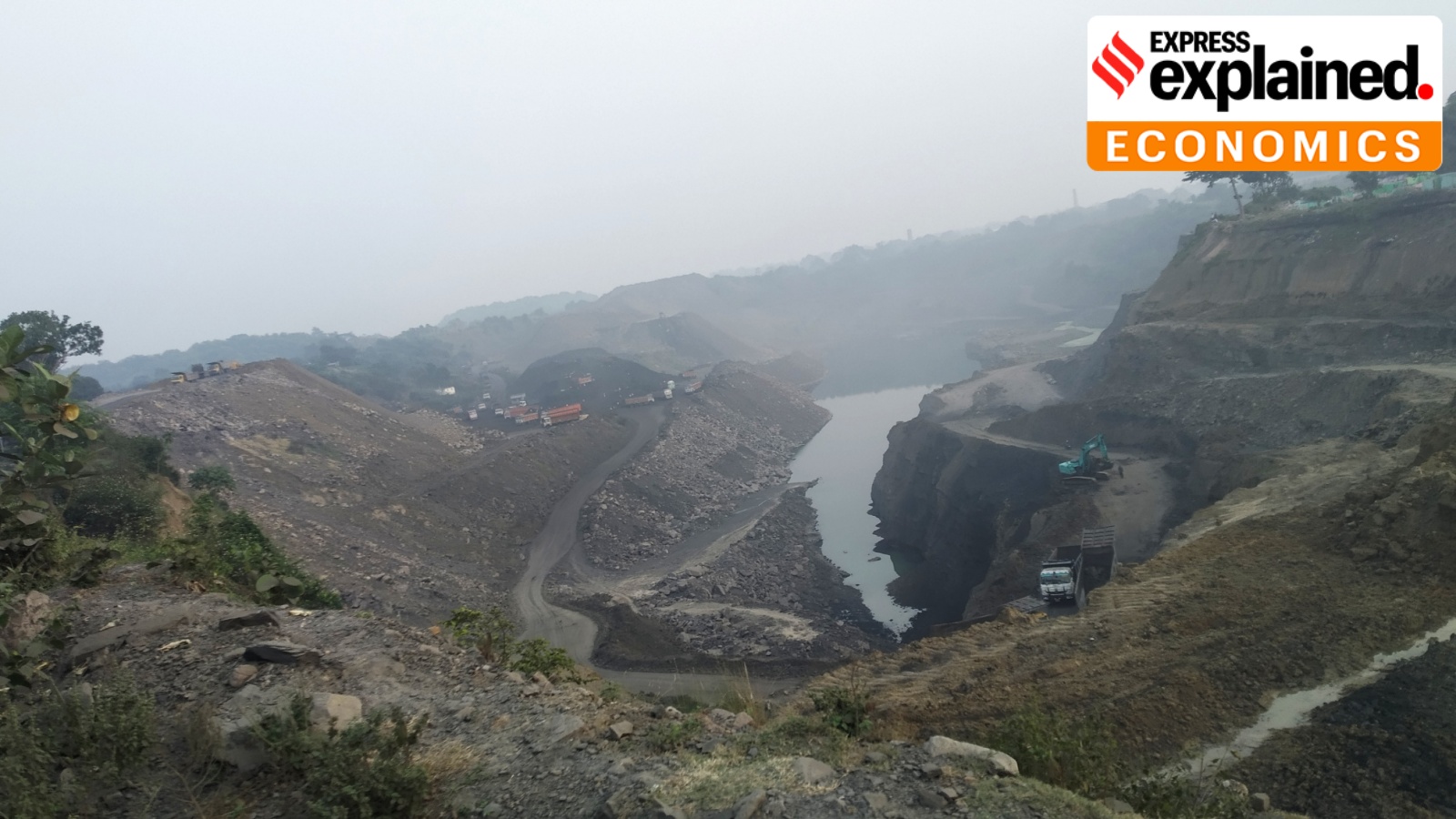
Jharkhand and Tamil Nadu have introduced mineral-bearing land taxes on iron ore and limestone, respectively.
- Who
- Parliament, the Centre and state governments are involved, following a ruling by the Supreme Court.
- What
- Parliament passed the Mines and Minerals (Development and Regulation) Amendment Bill, 2026, restricting states’ powers to impose certain mineral-related levies.
- Where
- The measure applies across states, including Jharkhand and Tamil Nadu, which have introduced mineral-bearing land taxes.
- When
- The bill was passed last week; the Supreme Court allowed recovery of arrears from April 1, 2005.
- Why
- The Centre says it seeks greater certainty, more investment and protection against higher infrastructure costs, while states are concerned about revenue and fiscal federalism.
State Governments
Central Government
State revenue
State Governments
States are apprehensive that the amendments will reduce their ability to raise revenue from mineral rights and mineral-bearing lands.
Central Government
The Centre argues that limiting higher levies will help prevent additional costs from being passed into infrastructure expenses.
Fiscal federalism
State Governments
States view the restrictions as potentially affecting fiscal federalism and their financial powers.
Central Government
The Centre presents the amendments as a way to create greater certainty and predictability in the mining sector.
Mineral prices and investment
State Governments
States have pursued additional mineral-related revenue after the Supreme Court ruling, including taxes on iron ore and limestone.
Central Government
The Centre says the amendments can facilitate investment flows and bring some uniformity to prices of major minerals.
Key facts
- Legislation
- Mines and Minerals (Development and Regulation) Amendment Bill, 2026
- Main change
- The bill restricts states’ powers to impose levies on mineral rights and mineral-bearing lands.
- Centre’s rationale
- Greater certainty, increased investment flows and prevention of higher levies from feeding into infrastructure costs.
- Supreme Court ruling
- The court upheld states’ right to impose the taxes and recover arrears dating back to April 1, 2005.
- Jharkhand tax
- Jharkhand initially imposed a mineral-bearing land tax on iron ore at Rs 100 per tonne and later increased it.
- Tamil Nadu tax
- Tamil Nadu set a mineral-bearing land tax on limestone at Rs 160 per tonne.
- Existing levies
- States impose 14 types of taxes, charges, fees and levies, including royalty and auction premium.
Sources
Related news
Parliament Passes Mines and Minerals Amendment Bill Curbing State Levies
India's mining tax overhaul reignites Centre-state tussle over revenue
India Bill Bars States From Taxing Mineral Rights and Land
Parliament passes Minerals Bill barring state taxes on mineral leases

India Bill Bars States From Taxing Mines and Mineral Rights
Centre Bars States From Levying Taxes on Mineral Rights
Odisha Panchayat Polls Set For Three-Party Rural Strength Test
Patnaik Calls Minerals Law Passage a Black Day for Odisha

Jharkhand Leaders Clash Over Impact of New Mines Act

Odisha Opposition Protests MMDR Bill, BJP Defends Mining Reforms

Mahaling Rejects Special Session Demand Over Mining Bill